



September is a transition month in the garden. Summer heat gradually gives way to cooler temperatures, daylight becomes shorter, and many plants begin preparing for dormancy. At the same time, the soil can remain warm enough for roots to establish, making early autumn an excellent period for planting, dividing and improving the garden.
Good garden maintenance in September is therefore not simply about cleaning up the remains of summer. It is about completing seasonal tasks at the right time while protecting plants and preparing the garden for autumn and winter. Our gardening blog is a perfect place to find all the information you need!
Why September Is an Important Month in the Garden
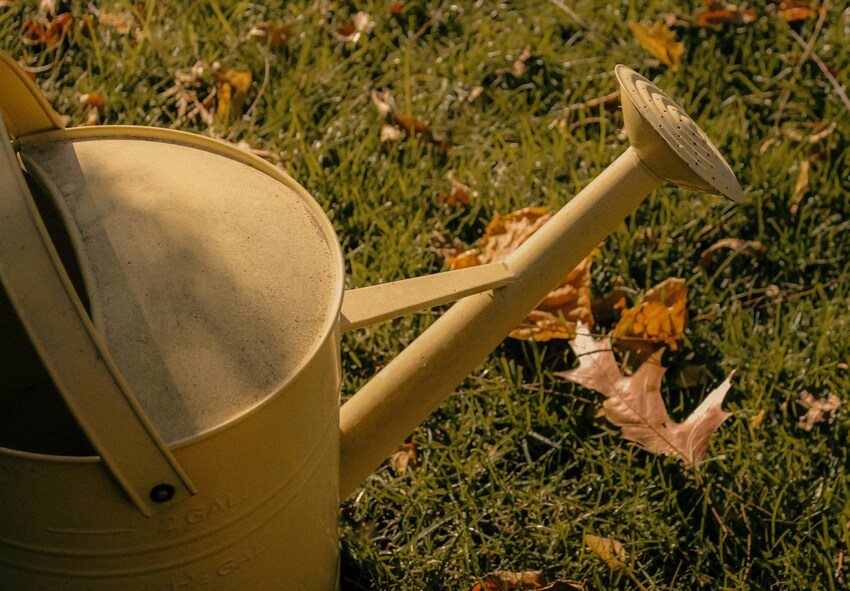
September combines several favorable conditions for gardening. Soil temperatures often remain relatively warm, while cooler air reduces stress on newly planted and transplanted plants. This allows many perennials, shrubs and spring-flowering bulbs to establish roots before winter.
It is also an important month for assessment. Plants that performed poorly during summer can be inspected, overcrowded perennials can be divided, and damaged or diseased material can be removed. At the same time, gardeners can begin preparing beds, lawns and trees for the colder months ahead.
Flower Garden Maintenance
The flower garden often requires a combination of cleanup and preparation in September. Some summer plants are still flowering, while others have already begun to decline.
Removing Spent Flowers and Damaged Foliage
Remove faded flowers from plants that benefit from deadheading, particularly where continued flowering is still possible. This can improve the appearance of beds and prevent plants from directing energy into unwanted seed production. Diseased, heavily damaged or completely dead foliage should also be removed. However, do not cut down every perennial simply because its flowers have finished. Healthy green leaves can continue photosynthesizing and supplying energy to the roots.
Dividing and Transplanting Perennials
September can be an excellent time to divide many established herbaceous perennials, particularly those that have become overcrowded or produced fewer flowers than before. Dig plants carefully, divide healthy sections with suitable roots and growing points, and replant them promptly. Water newly divided plants thoroughly and maintain reasonable moisture while they establish. Avoid dividing plants that are actively flowering or those that are particularly sensitive to autumn disturbance unless local conditions are suitable.
Preparing Flower Beds for Autumn
Remove annual plants that have finished their life cycle and clear away weeds competing with perennials. Lightly cultivate the soil where appropriate, taking care not to damage shallow roots. September is also a good time to add mature compost or other suitable organic matter to beds. Avoid burying large amounts of fresh plant debris, particularly material showing signs of disease.
Collecting Seeds From Garden Plants
If you want to grow plants from seed next year, September can provide an opportunity to collect mature seed heads. Allow seeds to ripen fully on the plant before harvesting them. Choose seeds from healthy, vigorous plants and label them immediately with the plant name and collection date. Store completely dry seeds in a cool, dry place appropriate for their type.
Planting Spring-Flowering Bulbs
Autumn is one of the most important planting seasons for spring-flowering bulbs. September can be suitable for beginning this work, although the ideal timing varies according to climate and the specific bulb. An autumn planting guide can help you choose the right bulbs and determine the best planting time for your local conditions.
Which Bulbs Can Be Planted in September?
Depending on local conditions, September can be an appropriate time to plant tulips, daffodils, crocuses, hyacinths, muscari and other spring-flowering bulbs. The exact planting window should be determined by local soil temperatures and weather rather than the calendar alone. Bulbs need enough time to develop roots before the ground freezes, but planting too early in warm conditions may encourage premature growth.
Preparing the Soil Before Planting
Choose a location with suitable light and well-drained soil. Dig the planting area to an appropriate depth and incorporate organic matter if the soil structure needs improvement. Avoid planting bulbs in areas where water regularly accumulates. Excess moisture can increase the risk of bulb rot, particularly during wet autumn and winter periods. Healthy, firm bulbs should be planted promptly after purchase whenever possible. Handle them gently to avoid damaging the protective outer layers.
Shrubs and Perennials
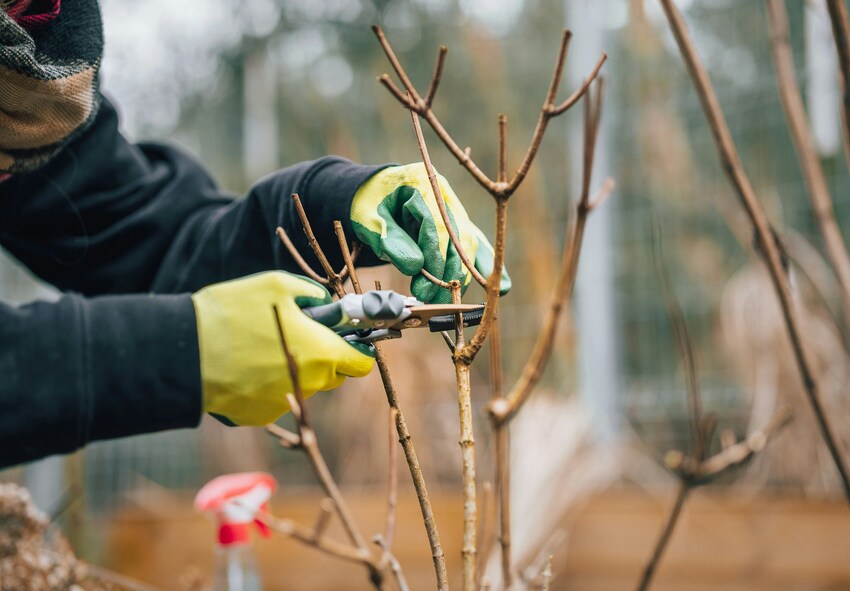
September is also useful for maintaining established shrubs and perennials and, where conditions permit, introducing new plants to the garden:
- Pruning Summer-Flowering Shrubs: Some summer-flowering shrubs can receive light maintenance pruning after flowering. Remove dead, damaged or crossing branches and improve the shape where necessary. However, avoid applying a heavy pruning regime simply because autumn has arrived. Some shrubs flower on older wood and may have already formed next year’s flower buds. Always consider the flowering habit of the individual plant before making major cuts.
- Dividing Overgrown Perennials: Overgrown perennials can be divided when conditions are suitable. This is particularly useful for plants that have developed dense centers, weak flowering or overcrowded growth. Divide healthy sections rather than retaining exhausted central portions. Replant divisions at the correct depth and water them well so that they can establish before winter.
- Mulching Around Established Plants: A suitable layer of mulch can help conserve soil moisture, moderate temperature fluctuations and reduce weed growth. Compost, well-rotted organic matter, bark or another appropriate mulch can be used depending on the planting. Keep mulch away from direct contact with the crowns and stems of plants. Excessively thick or wet mulch can create an environment favorable to rot and pests.
- Moving or Planting New Shrubs: Early autumn can be an excellent period for planting many hardy shrubs because the soil is still warm while air temperatures are becoming more moderate. Prepare a planting hole that is wide enough to accommodate the root system without unnecessarily burying the plant. Water thoroughly after planting and continue monitoring moisture during dry weather. Newly planted shrubs should have enough time to establish roots before severe winter conditions arrive.
Trees and Fruit Trees
Trees and fruit trees also benefit from attention in September. The focus should be on inspection, sanitation and preparation rather than unnecessary heavy pruning.
Inspecting Trees for Damage and Disease
Check trunks, branches and foliage for signs of disease, pest activity, broken branches or other damage. Pay particular attention to wounds and areas where branches rub against one another. Remove damaged material where appropriate and monitor suspicious symptoms. If a serious disease is suspected, avoid spreading it with contaminated pruning tools.
Removing Fallen Fruit
Collect fallen or rotting fruit from beneath fruit trees. Decaying fruit can attract insects and other organisms and may contribute to the persistence of certain pest and disease problems. Remove fruit showing obvious signs of disease rather than leaving it beneath the tree or adding it to a compost pile unless your composting system can safely process such material.
Preparing Fruit Trees for Autumn
Continue watering newly planted trees when necessary, particularly during dry September weather. Established trees may require less supplemental water, but prolonged drought should not be ignored. Check tree supports and ties and make sure they are not cutting into expanding trunks. Remove weeds competing around young trees and maintain a suitable mulch layer without piling it against the trunk.
Lawn Care in September
September is often an excellent month for lawn recovery because cooler temperatures can reduce heat stress while the soil remains suitable for root growth.
Mowing Height and Frequency
Continue mowing while the grass is actively growing, but avoid cutting too short. Removing too much leaf tissue can weaken the lawn and reduce its ability to recover from stress. As growth slows, mowing frequency can gradually decrease. Keep mower blades sharp to produce clean cuts rather than tearing the grass.
Repairing Bare Areas
September can be a good time to repair thin or bare patches. Remove debris, loosen the upper soil layer and sow an appropriate grass seed mixture. Keep newly seeded areas consistently moist until germination and early establishment occur. Avoid allowing the soil to dry completely during this stage.
Aerating Compacted Soil
Compacted lawns can benefit from aeration because dense soil restricts air and water movement around the roots. September conditions are often suitable for this work when the soil is neither extremely dry nor saturated. Small lawns can be aerated manually, while larger areas may require mechanical equipment. Follow aeration with appropriate lawn care practices suited to the grass type.
Autumn Lawn Feeding
An appropriate autumn fertilizer can help support root development and improve the lawn’s preparation for winter. Avoid excessive nitrogen applications late in the season because they can encourage soft, unnecessary top growth. Choose a fertilizer according to the needs of the lawn and local conditions, and always follow the application rate indicated on the product label.
Vegetable Garden Maintenance
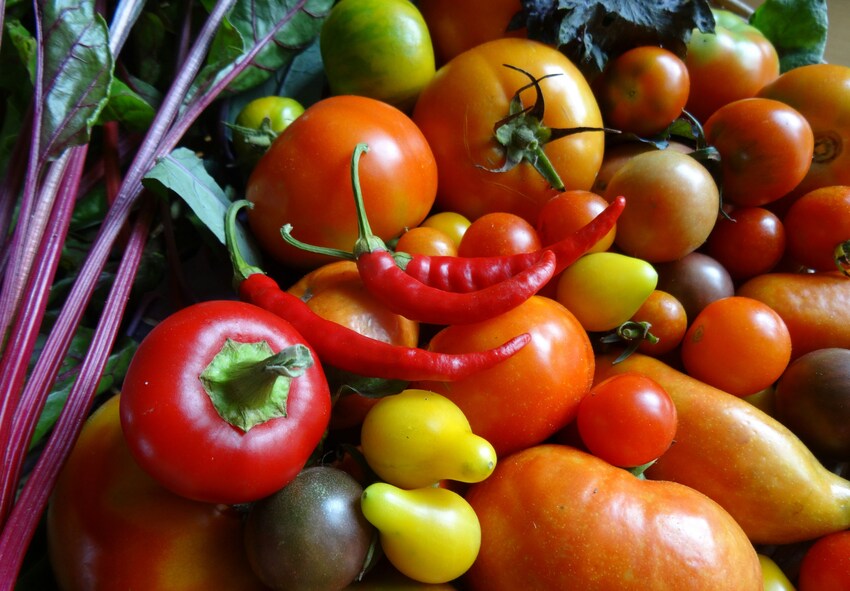
The vegetable garden often remains productive in September, but harvesting and clearing should begin to work alongside preparation for cooler weather.
Harvesting Late Summer Crops
Harvest ripe vegetables regularly rather than leaving mature produce on the plants unnecessarily. Tomatoes, peppers, beans, squash and other crops may continue producing depending on local weather. Inspect plants while harvesting and remove damaged or diseased produce. Keeping the garden clean can help reduce pest and disease pressure as the growing season comes to an end.
Clearing Spent Plants
Once crops have finished producing, remove healthy spent plants and clear weeds from empty beds. Diseased plants should be handled separately and should not automatically be added to ordinary home compost. Leaving large amounts of dead vegetation on the soil can provide shelter for pests and pathogens, so autumn cleanup is an important part of garden hygiene.
Planting Autumn and Overwintering Crops
Depending on the climate, September may be suitable for planting crops intended for autumn harvest or overwintering. Examples can include certain leafy greens, onions, garlic and other cool-season crops. Select varieties appropriate for the local climate and planting date. Protect young plants if an early cold spell is expected.
Watering and Soil Care
September watering requirements are usually different from those of midsummer. Cooler temperatures and increasing rainfall can reduce water loss, but plants should not be allowed to suffer from prolonged drought.
Adjusting Watering as Temperatures Fall
Check soil moisture before watering rather than following a fixed summer schedule. Newly planted shrubs, perennials and bulbs may still need water if the weather remains dry. As temperatures decline and rainfall increases, reduce irrigation accordingly. Avoid creating constantly saturated soil, particularly around bulbs and plants that are sensitive to poor drainage.
Improving Soil With Organic Matter
Adding well-rotted compost or other suitable organic matter can improve soil structure and contribute nutrients gradually. Work it into planting beds where appropriate or use it as a surface amendment. Organic matter is particularly valuable in soils that are either excessively compacted or poor in structure, although amendments should be selected according to the existing soil type.
Mulching Before Winter
A suitable mulch layer can protect soil from rapid temperature changes and help reduce erosion during heavy autumn rainfall. It can also suppress weeds and gradually contribute organic matter as it breaks down. Do not apply mulch too heavily. Leave a small gap around plant crowns and tree trunks to improve airflow and reduce the risk of rot.
Improving Drainage Before Autumn Rains
September is a useful time to identify areas where water accumulates. Persistent standing water can damage roots and bulbs during autumn and winter. Improve drainage where practical by correcting compacted areas, incorporating suitable amendments or creating raised planting areas. For bulbs that are particularly sensitive to wet conditions, selecting a better-drained location may be more effective than trying to correct a severely unsuitable site.
Pest and Disease Prevention
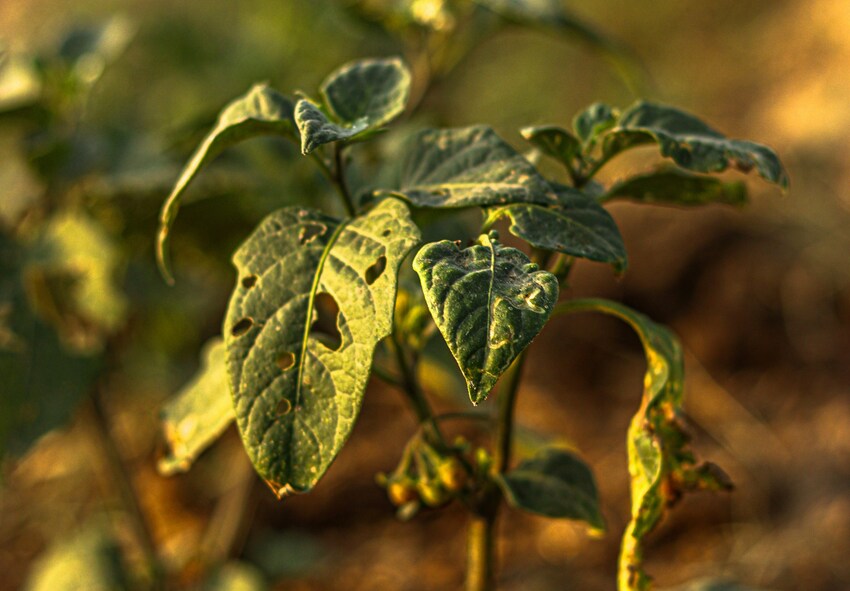
Autumn cleanup is not only cosmetic. Removing sources of infection and reducing pest shelter can help protect the garden during the next growing season:
- Removing Diseased Plant Material: Remove leaves, stems, fruits and other plant material showing clear signs of serious disease. Do not leave infected debris lying around the base of plants where pathogens may persist. Different diseases require different management strategies, so avoid treating every discoloration as an infection. Some yellowing and natural decline are normal as plants enter dormancy.
- Inspecting Plants Before Bringing Them Indoors: Before moving tender plants, containers or houseplants indoors, inspect them carefully for aphids, scale insects, mites, whiteflies and other pests. Check both sides of leaves, stems and the soil surface. Quarantine newly moved plants when possible so that an unnoticed pest infestation does not spread throughout the indoor collection.
- Cleaning Garden Tools: Clean soil and plant residue from pruning tools, spades, secateurs and other equipment. Disinfect tools when working with plants suspected of carrying infectious diseases. Sharp, clean tools also produce cleaner cuts, which can reduce unnecessary tissue damage during pruning and maintenance.
- Preventing Problems From Carrying Into Next Season: Good autumn hygiene can reduce the number of pests and disease sources that remain in the garden. Remove severely affected material, clean tools and avoid storing diseased plants or bulbs with healthy planting material. Inspect bulbs, roots and perennial divisions before storing or replanting them. Healthy planting material gives the garden a stronger starting point for the following season.
Conclusion
September is one of the most productive months for preparing the garden for the seasons ahead. Rather than treating autumn as the end of the gardening year, use it as a period for improving soil, planting spring bulbs, dividing suitable perennials, maintaining shrubs and trees, repairing lawns and clearing finished crops.
The most important principle is to respond to actual plant needs rather than following the calendar rigidly. Weather, soil conditions and the growth stage of each plant should determine when a particular task is performed.
With thoughtful garden maintenance in September, plants can enter autumn in better condition, newly planted specimens can establish before winter, and the garden can be cleaner and healthier when spring growth begins!
Frequently Asked Questions (FAQs) about Gardening in September
1. What are the most important garden maintenance tasks in September?
September is an important month for preparing the garden for autumn and winter. Key tasks include removing spent and diseased plant material, dividing suitable perennials, planting spring-flowering bulbs, maintaining lawns, harvesting vegetables and improving soil. Gardeners should also inspect trees and shrubs, adjust watering as temperatures fall, improve drainage and clean garden tools to reduce pest and disease problems.
2. Can I order spring-flowering bulbs from your online store?
Yes, you can order spring-flowering bulbs from our online store Dutch-bulbs.com, including tulips, daffodils, hyacinths, crocuses and other suitable varieties. When ordering, consider the bulb variety, size, planting period and growing requirements. Healthy, firm planting material gives plants a stronger start in autumn and allows bulbs to establish roots before winter, supporting healthy growth and flowering the following spring.
3. Which flower bulbs can I plant in September?
Depending on your climate and local soil conditions, September can be a good time to plant spring-flowering bulbs such as tulips, daffodils, hyacinths, crocuses and muscari. The exact planting date depends on temperature and weather rather than the calendar alone. Choose firm, healthy bulbs and plant them in well-drained soil at the recommended depth for each particular bulb.
4. Should I prune shrubs and perennials in September?
Some shrubs and perennials can be lightly pruned or divided in September, but not every plant should be cut back at this time. Remove dead, damaged or diseased growth where appropriate, while leaving healthy foliage on plants that are still storing energy for winter. Before making substantial cuts, check whether the plant flowers on old or new wood.
5. How should I prepare my lawn for winter in September?
September is often an excellent time to repair bare patches, aerate compacted soil and adjust mowing practices as grass growth slows. Newly seeded areas should remain consistently moist during establishment. An appropriate autumn lawn fertilizer can support root development, but excessive late-season nitrogen should be avoided. Continue mowing while the grass actively grows, gradually reducing frequency as temperatures decline.
Published: 26.08.2026