



Begonias can provide months of colorful flowers and attractive foliage, but many types are not able to survive freezing winter temperatures outdoors. Proper preparation before winter is therefore essential, particularly for tuberous begonias that need a period of dormancy. The correct overwintering method depends on the type of begonia, its growing conditions and the climate. Tuberous begonias can usually be lifted, dried and stored until spring, while many non-tuberous begonias are better overwintered as living potted plants indoors. Our gardening blog is a perfect place to find all the information you need!
Why Begonias Need Special Preparation Before Winter
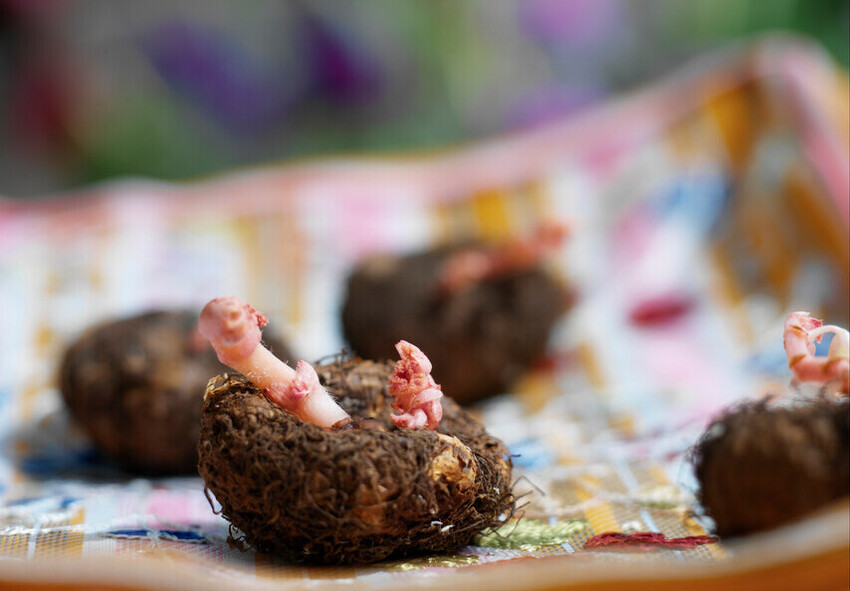
Begonias are generally warm-season plants and many varieties are sensitive to cold, frost and prolonged wet conditions. Tuberous begonias naturally enter dormancy as temperatures decline, allowing their underground tubers to survive until the next growing season.
Leaving these plants outdoors during freezing weather can cause irreversible damage. At the same time, storing begonia tubers while they are wet or keeping them in excessively warm conditions can encourage rot or premature growth. Successful overwintering is therefore a balance between dormancy, moisture and temperature.
When to Start Preparing Begonias for Winter
The timing of winter preparation should be based on weather and plant development rather than a fixed calendar date. In areas where autumn temperatures remain mild, begonias may continue growing well into the season. However, preparation should begin before the first serious frost is expected.
Watching for the First Signs of Dormancy
As autumn progresses, tuberous begonias naturally begin to slow down. Flowering becomes less vigorous, leaves may yellow and eventually the above-ground growth starts to decline. These changes indicate that the plant is preparing for dormancy. Allowing the foliage to decline naturally helps the tuber receive the remaining nutrients produced by the leaves. Do not interpret every yellow leaf as a signal to lift the plant immediately. Some leaf discoloration can result from drought, disease or other stress.
Choosing the Right Time to Lift Begonias
Tuberous begonias should generally be lifted before hard frost reaches the plant. A light frost may damage the foliage without immediately destroying the tuber, but prolonged freezing of the soil can be much more serious. If temperatures are forecast to fall significantly, it is safer to lift the tubers before the weather becomes severe. Dig carefully around the plant rather than pulling directly on the stems.
Preparing Tuberous Begonias for Winter Storage
Once the growing season is ending, the objective is to transition the plant into dormancy gradually. Rushing these processes can leave the tuber poorly prepared for storage:
- Reducing Watering in Autumn: As temperatures fall and the plant naturally slows its growth, gradually reduce watering. The soil should not remain excessively wet around the tuber as the plant approaches dormancy. Reduced watering also allows the foliage and underground structures to transition naturally toward their resting period. However, do not deliberately subject the plant to severe drought while it is still actively growing. The goal is to reduce excess moisture rather than force the plant to dry out prematurely.
- Allowing the Foliage to Die Back Naturally: Healthy foliage should be allowed to yellow and die back naturally whenever possible. During this process, nutrients and stored compounds are transferred from the leaves toward the tuber. Once the foliage has substantially declined, it can be removed carefully. Avoid cutting healthy green stems too early unless frost or disease makes immediate removal necessary. Natural senescence gives the tuber additional time to prepare for dormancy and can contribute to stronger regrowth in spring.
- Lifting the Tubers From the Soil: Use a garden fork or spade to loosen the soil around the plant, leaving enough distance to avoid cutting into the tuber. Lift the plant carefully and shake or brush away excess soil. Handle the tuber gently because cuts and bruises can provide entry points for rot organisms. If several varieties are being lifted, label them immediately to avoid confusion during storage.
- Cleaning and Inspecting the Tubers: Remove loose soil without aggressively scraping the surface. Inspect each tuber for soft areas, unusual discoloration, mold, open wounds or other signs of deterioration. Healthy begonia tubers should feel relatively firm and should not have a strong unpleasant odor. Separate questionable tubers from healthy ones rather than storing everything together. This inspection is one of the most important stages of winter preparation because early removal of damaged material can prevent problems from spreading.
How to Dry Begonia Tubers Before Storage
Freshly lifted tubers contain moisture and may have small wounds from digging. Drying them before long-term storage helps the outer surface become more resistant to rot. The drying stage should take place in a protected location with good air circulation rather than in direct sunlight or excessive heat.
How Long Should Begonia Tubers Dry?
The drying period can vary depending on the size of the tuber, humidity and temperature. Several days is often sufficient for the surface to dry properly, although larger or wetter tubers may need longer. Check the tubers periodically rather than relying exclusively on a specific number of days. They should no longer feel wet on the surface before being placed into their winter storage medium. Avoid drying them in extremely hot conditions because excessive heat can cause unnecessary moisture loss and damage.
Removing Remaining Soil and Dead Roots
Once the tubers have dried, gently remove loose soil and dead plant material. Remaining debris can retain moisture and create sheltered areas where rot organisms may develop. Do not aggressively remove healthy tissue. The objective is simply to clean the tuber enough to create a dry, clean storage environment. If roots have naturally dried and detached easily, they can be removed. Avoid cutting healthy tissue unnecessarily.
Identifying Rot or Disease
Before storage, examine each tuber carefully. Soft, dark, water-soaked or foul-smelling areas may indicate rot. Mold can also be a warning sign, particularly if it continues spreading after drying. Small damaged areas may sometimes be removed if the remaining tissue is firm and healthy, but severely deteriorated tubers are usually not worth storing. Keep questionable material separate from healthy tubers and monitor it rather than placing everything into one container.
The Best Conditions for Storing Begonia Tubers
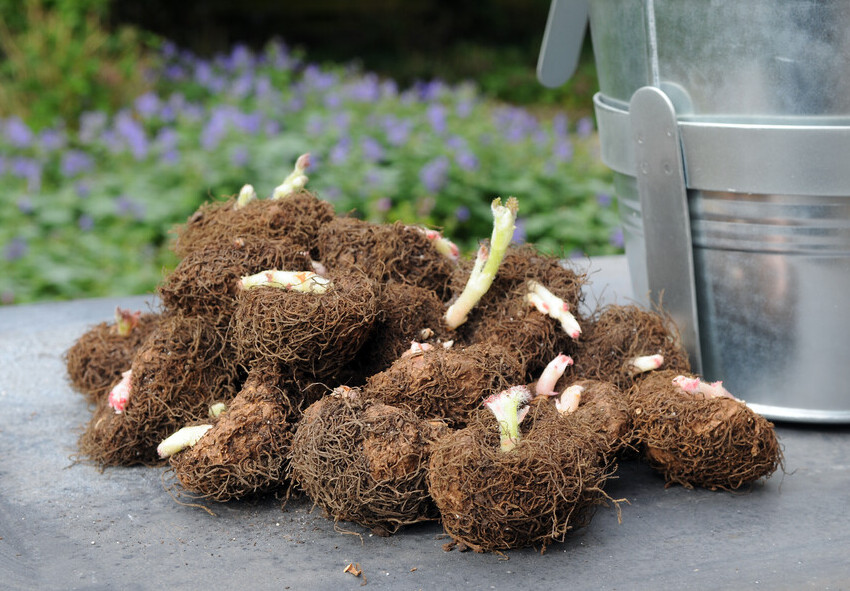
Begonia tubers require a cool, dry and reasonably stable environment during dormancy. They should be protected from both freezing temperatures and excessive warmth. Good storage conditions help prevent premature sprouting, dehydration and rot.
Recommended Temperature
A cool environment is generally preferable, with temperatures around 7–13°C often suitable for dormant tubers. Exact requirements can vary by cultivar and storage method. The most important point is to avoid freezing while also avoiding warm indoor conditions that could encourage premature growth. A consistently cool basement, cellar or similar location may work well if humidity and ventilation are appropriate.
Humidity and Air Circulation
Storage should not be excessively humid. High humidity can encourage mold and rot, particularly when tubers were not fully dried before storage. At the same time, extremely dry conditions can cause the tubers to lose too much moisture and become severely shriveled. Moderate humidity combined with gentle air circulation is generally preferable. Avoid sealed containers that trap condensation unless the chosen storage method is specifically designed to manage humidity.
Choosing the Right Storage Material
Begonia tubers can be stored using dry materials such as peat-based media, vermiculite or other suitable horticultural storage materials. The material should be clean and only slightly protective rather than wet. Some gardeners also use paper bags or cardboard boxes that allow a degree of air exchange. Avoid plastic bags that trap moisture unless they are being used as part of a carefully controlled storage system. Label each container with the variety and storage date when keeping multiple types.
Where to Keep Begonia Tubers During Winter
Choose a location that remains cool, dark and protected from freezing. An unheated but frost-free basement or similar storage space can be suitable. Avoid placing tubers directly beside radiators, heating pipes or other heat sources. Also avoid locations where temperatures fluctuate dramatically. Before choosing a storage area, make sure it is reasonably clean and free from pests that could damage stored plant material.
How to Protect Begonias From Rot and Desiccation
The two major storage problems are excessive moisture and excessive drying. Both can reduce the quality of the tuber and affect its ability to produce vigorous growth in spring.
Preventing Excess Moisture
Never store freshly lifted, wet tubers in a tightly closed container. Allow the surface to dry first and use a storage medium that does not retain excessive moisture. Check the storage area periodically for condensation, mold or unpleasant odors. If a tuber becomes wet or begins to rot, separate it from the healthy material immediately. Good ventilation is particularly important in humid storage spaces.
Avoiding Excessive Dryness
Although tubers should remain relatively dry, they should not become completely dehydrated. Excessive moisture loss can cause them to become deeply shriveled and less capable of producing strong shoots. If storage conditions are extremely dry, review the storage material and environment rather than immediately adding large amounts of water. The aim is to maintain moderate moisture within the tuber without creating wet conditions around it.
Checking Tubers During Winter
Do not simply place the tubers into storage and forget about them until spring. Inspect them periodically throughout winter. Look for new soft spots, mold, excessive shriveling or premature shoots. Remove affected tubers promptly so that problems do not spread. Periodic checks also allow you to identify storage conditions that need adjustment before significant losses occur.
Overwintering Begonias That Do Not Form Tubers
Not all begonias should be treated like tuberous begonias. Many non-tuberous types, including popular foliage and flowering begonias grown as houseplants, do not develop the same dormant storage structure. These plants are usually better overwintered as living plants.
Bringing Potted Begonias Indoors
Before temperatures become too cold, bring potted begonias into a protected indoor location. Inspect the foliage, stems and soil carefully for insects before bringing the plants inside. It is useful to isolate newly introduced plants from established houseplants for a short period when possible. This reduces the risk of bringing aphids, mites, whiteflies or other pests indoors.
Reducing Watering and Feeding
Indoor begonias usually require less water during the darker, cooler months because growth slows. Allow the upper layer of growing medium to dry appropriately between waterings rather than following the summer irrigation schedule. Fertilization can also be reduced or paused during periods of slow growth. Excessive feeding when light levels are low can encourage weak growth or salt accumulation in the soil.
Providing Sufficient Light
Place overwintering begonias in a bright location with suitable indirect or filtered light, depending on the species. Sudden movement from outdoor conditions into very low light can cause leaf drop and weak growth. Avoid placing sensitive plants directly against cold glass or beside strong heating sources. If natural light is inadequate, supplemental grow lighting may help maintain healthier growth.
Managing Indoor Humidity
Heated indoor air can become very dry during winter. Some begonias respond poorly to extremely dry conditions, particularly when combined with warm temperatures. Maintain reasonable humidity without keeping the foliage constantly wet. Good air circulation is also important because stagnant, humid conditions can encourage fungal problems.
When and How to Wake Begonia Tubers in Spring
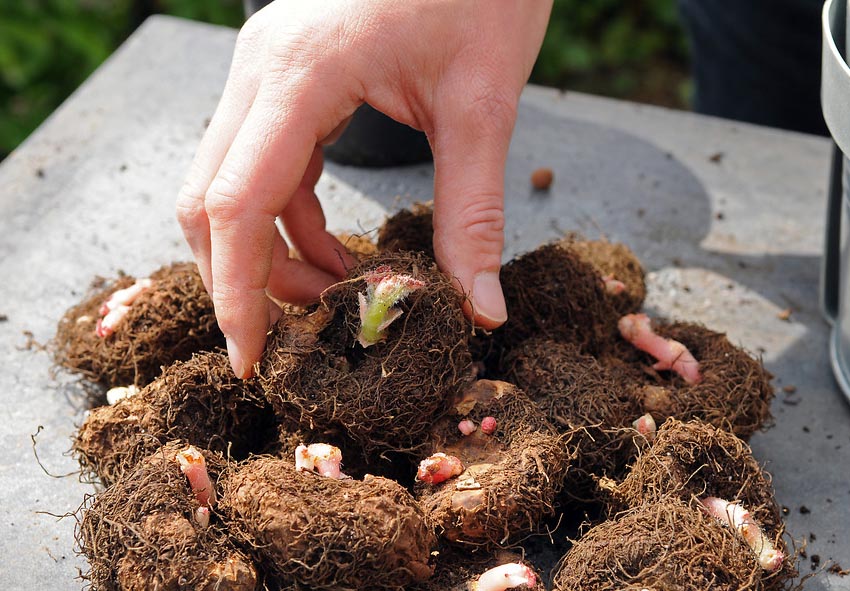
As winter ends, stored tubers can gradually be prepared for another growing season. Do not move them directly from cold storage into intense warmth and heavy watering. The transition should be gradual so that new growth develops under favorable conditions:
- Inspecting Tubers After Winter: Before planting begonias, examine every tuber again. Remove any material that has become severely soft, moldy or otherwise deteriorated during storage. Healthy tubers should remain reasonably firm and show no extensive signs of rot. Some minor shriveling can occur during dormancy and does not necessarily mean the tuber is dead. Look for viable growing points or buds beginning to develop.
- Starting Begonias in Containers: Many gardeners start begonia tubers in containers before moving them outdoors. This allows you to control moisture, temperature and early growth more easily. Place the tuber in a well-drained growing medium with the appropriate orientation and leave the upper portion sufficiently exposed according to the requirements of the cultivar. Keep the container in a warm, bright location and avoid saturating the medium immediately after planting.
- Increasing Watering Gradually: As shoots and roots begin developing, watering can gradually increase. The growing medium should remain appropriately moist but never persistently waterlogged. Too much water before a functioning root system has developed can encourage tuber rot. Once active growth is established, the plant can tolerate more regular watering, particularly during warm weather.
- Moving Begonias Outdoors: Do not move begonias outdoors immediately after they begin growing indoors. First acclimatize them gradually to outdoor conditions. Wait until the danger of damaging frost has passed and nighttime temperatures are appropriate for the particular begonia. Introduce plants to outdoor light progressively to reduce the risk of leaf scorch. Once acclimatized, place them in a location with suitable light, protection from strong winds and well-drained growing conditions.
Conclusion
Preparing begonias for winter is primarily about understanding the type of plant you are growing and giving it the appropriate seasonal treatment. Tuberous begonias can usually be lifted before serious frost, dried carefully and stored in cool, protected conditions until spring. The key is to avoid both excess moisture and excessive dehydration.
Non-tuberous begonias require a different approach. Instead of storing their underground structures, they are generally overwintered as living plants in suitable indoor conditions with reduced watering, appropriate light and reasonable humidity.
The most important rule is not to rush the transition. Allow tuberous begonias to enter dormancy naturally, inspect and dry their tubers carefully, and check stored material periodically. In spring, wake the tubers gradually and increase water and warmth as new growth develops. With proper preparation and storage, begonias can return strongly after winter and provide another season of vigorous growth and abundant flowering.
Frequently Asked Questions (FAQs) about Overwintering Begonias
1. When should I lift begonia tubers before winter?
Tuberous begonia tubers should generally be lifted before hard frost or prolonged freezing temperatures occur. In autumn, allow the foliage to begin dying back naturally while gradually reducing watering. Once the plant has entered dormancy, carefully lift the tubers, remove excess soil and allow them to dry before storage. The exact timing depends on your local climate and the autumn weather conditions.
2. How should I store begonia tubers over winter?
Store begonia tubers in a cool, dark, frost-free location where temperatures remain relatively stable. They should be dry enough to prevent rot but not exposed to extremely dry conditions that cause severe shriveling. Suitable storage materials can include dry peat-based media or vermiculite. Check the tubers periodically throughout winter and remove any that develop serious mold, soft spots or rot.
3. Can I order begonia tubers from your online store?
Yes, you can order begonia tubers from our online store Dutch-bulbs.com for growing in containers, flower beds and other garden settings. When purchasing, choose firm, healthy planting material without extensive soft areas, mold or mechanical damage. Healthy tubers have better potential for strong spring growth when they are planted and cared for correctly after winter storage.
4. Can begonias survive winter outdoors?
Most tuberous begonias are not reliably hardy in areas where the ground freezes, so their tubers should generally be lifted and stored before severe frost. Some non-tuberous begonias may also be damaged by cold temperatures and are better overwintered indoors. The appropriate method depends on the begonia type and local climate. Protecting plants from freezing conditions is essential for successful overwintering.
5. When should I start begonia tubers growing again in spring?
Begin preparing stored begonia tubers for growth when the risk of severe winter conditions has passed and you have enough time to establish them before outdoor planting. Inspect the tubers, discard severely damaged material and start healthy ones in well-drained containers. Gradually increase moisture as shoots develop, then acclimatize the plants before moving them outdoors after the danger of frost has passed.
Published: 31.08.2026