



When shopping for flower bulbs, you may notice labels such as 10/12, 12/14, 14/16, or 16/+ alongside the variety name. These numbers are not random product codes. They usually indicate the bulb’s calibre, or circumference, and provide useful information about its size and expected flowering potential.
The term “Dutch quality” is often associated with the Netherlands’ long-established bulb-growing and export industry, where standardized grading and careful selection are important parts of commercial bulb production. While the phrase itself is not a universal guarantee of quality, Dutch-grown and Dutch-traded bulbs are commonly sold with calibre information that helps buyers understand what they are purchasing.
Bulb calibre is one of the most useful pieces of information on a label because size can influence a bulb’s ability to produce flowers. However, calibre should never be considered on its own. The variety, growing conditions, bulb health, and intended use all play important roles in determining the final result. Our gardening blog is a perfect place to find all the information you need!
What Does Bulb Calibre Mean?
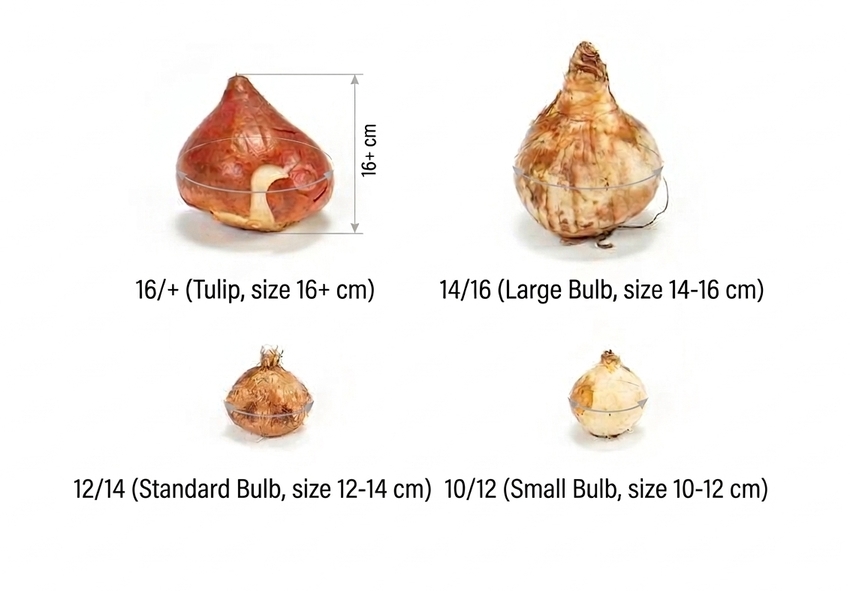
Bulb calibre is a grading measurement used to classify bulbs according to their size. For many commercially sold bulbs, the measurement refers to the circumference of the bulb, usually expressed in centimeters. For example, a tulip labeled 12/14 generally belongs to a size range in which the bulb’s circumference falls between 12 and 14 centimeters. A 14/16 bulb is therefore from a larger size class.
Calibre ranges are commonly used rather than a single exact measurement because natural bulbs vary slightly in size. Instead of trying to make every bulb identical, growers sort them into commercially useful size categories. The grading system is not identical across every bulb crop. Different species and commercial bulb types have their own established size ranges and standards.
This is why, while choosing tulip bulbs by size, remember that a 12/14 tulip should not automatically be considered equivalent to a 12/14 bulb of another species. When reading a label, it is therefore important to look at the plant name, calibre, and supplier’s description together. The number becomes meaningful only when you know which type of bulb it describes.
Why Is Bulb Size Important for Flowering?
A mature bulb is essentially a storage organ. Before you see any flowers above the soil, the bulb has already accumulated reserves that support the development of roots, leaves, stems, and flowers. Larger, mature bulbs generally have greater stored reserves than smaller bulbs of the same type. This can give them an advantage when producing a strong flower display, particularly when the bulb is already at a commercially recognized flowering size.
This difference is especially noticeable with ornamental bulbs grown for an immediate seasonal display. A large flowering-size bulb may be capable of producing a substantial flower, while a smaller immature bulb may need another growing season or several seasons to build enough reserves. However, size is not a guarantee of flowering. A large bulb can fail to perform well if it has been damaged, stored incorrectly, planted in unsuitable conditions, or affected by disease. Similarly, a smaller but healthy bulb can continue developing successfully over time.
How Dutch Bulb Grading Works
Dutch bulb grading is essentially a way of sorting bulbs into standardized commercial size categories. It helps growers, wholesalers, retailers, and gardeners understand the approximate size of the planting material being sold.
The grading information is particularly useful when you want a predictable flowering display. Instead of simply buying “large” or “small” bulbs, you can look for a specific calibre appropriate for the species and intended use.
What Do Numbers on Bulb Labels Mean?
Numbers such as 10/12, 12/14, and 14/16 usually indicate a range of bulb circumference measured in centimeters. For example:
- 10/12 = bulbs with a circumference in the 10–12 cm range
- 12/14 = bulbs with a circumference in the 12–14 cm range
- 14/16 = bulbs with a circumference in the 14–16 cm range
The slash indicates a size range rather than a mathematical fraction. A label reading 12/14 does not mean that the bulb has a diameter of 12 or 14 centimeters. Because grading practices can vary according to the crop, always check the product description when you are unsure about a particular measurement.
Some bulbs may also be sold with labels such as 16/+ or 14/+. The plus sign indicates that the bulbs are at least the lower stated calibre, with no upper limit specified within that grading category.
Why Calibre Depends on the Plant
Calibre must always be interpreted in relation to the species or bulb type. Tulips, daffodils, hyacinths, alliums, and other bulbs do not necessarily use identical grading ranges. For example, tulips are commonly sold using circumference measurements such as 10/11, 11/12, or 12/+ depending on the crop and supplier. Daffodils may use different size categories, while hyacinths can have their own grading conventions related to bulb circumference and intended use.
This means that comparing numbers between unrelated plants can be misleading. A “large” bulb for one species may have a completely different calibre from a “large” bulb for another. The most useful approach is to ask what the stated calibre means for that particular plant. Reputable bulb suppliers normally provide information about the expected flowering performance and intended use of each size category.
What Is Considered a Large Bulb?
There is no single calibre that can be called “large” for every flower bulb. What qualifies as a large bulb depends on the species, variety, commercial grading system, and purpose for which the bulbs were grown. For one bulb crop, a particular circumference may represent a premium flowering size, while the same number could mean something quite different for another crop.
When choosing bulbs, look for descriptions such as flowering size, large flowering bulbs, or a specific recommended calibre for forcing or garden planting. The supplier’s specifications are more useful than trying to establish one universal definition of a large bulb.
Bulb Calibre and Flowering Performance
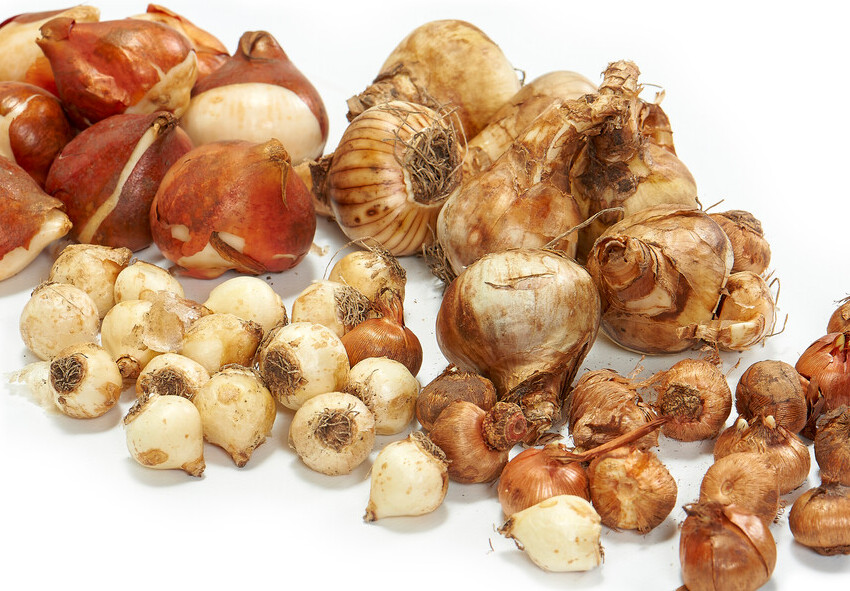
Bulb size can provide useful clues about flowering potential, but it should always be considered alongside bulb health and variety. A large, healthy bulb has generally accumulated more reserves than a smaller bulb, which can give it an advantage when producing flowers.
Larger Bulbs and Flower Quantity
In many bulb crops, larger mature bulbs are selected when the goal is to produce a strong ornamental display. Their greater reserves can support substantial flower development and, depending on the species, may increase the likelihood of producing larger flowers or multiple flower stems.
This is particularly relevant for bulbs such as tulips, daffodils, hyacinths, and some ornamental alliums. However, the exact relationship between calibre and flower number differs from plant to plant.
For some bulbs, size mainly affects flower size or flowering reliability. For others, it can influence the number of flower stems or flowers produced. Always consider the specific characteristics of the bulb you are buying rather than assuming that a larger calibre will automatically produce twice as many flowers.
Smaller Bulbs: Will They Flower?
Smaller bulbs can absolutely be worth planting, but they may not be ready to produce the same display as mature flowering-size bulbs. Some smaller calibres are essentially young bulbs that need time to accumulate additional reserves before reaching their full flowering potential.
This is different from buying a damaged or poor-quality bulb. A small but healthy bulb can simply be immature, while a large bulb with rot or physical damage may be a much greater concern. Smaller bulbs can be particularly useful when your goal is to grow a collection over several seasons, encourage natural multiplication, or purchase planting material at a different price point. With suitable growing conditions, they can increase in size and eventually reach flowering maturity.
How to Choose the Right Bulb Calibre
The best calibre depends on what you want to achieve. If your priority is an impressive display during the next flowering season, look for a healthy, flowering-size bulb recommended for that particular species.
If your goal is long-term cultivation and multiplication, smaller bulbs can sometimes be perfectly appropriate. They may require more patience, but they can develop naturally over time. Consider the intended planting method as well. Containers, indoor forcing, formal displays, and naturalized plantings can all call for different approaches to bulb size.
Bulbs for Containers
Large flowering-size bulbs are often a practical choice for containers because they can provide a strong display within a relatively limited planting area. When the purpose of the container is immediate ornamental impact, selecting bulbs already capable of flowering can save waiting time.
Choose the calibre recommended for the species and container-growing method. Make sure the container is large enough for the number of bulbs you plan to plant while still providing good drainage. Calibre can also be considered when creating layered container displays. If several bulb types are planted at different depths, selecting suitable sizes for each species can help create a succession of flowers rather than relying on size alone to determine planting depth.
Bulbs for Forcing
Bulb size becomes particularly important when forcing bulbs indoors because the objective is usually to produce flowers within a relatively specific period. A mature flowering-size bulb has the stored resources needed to support the forced display.
For Christmas or early-season forcing, select bulbs specifically recommended for forcing and pay attention to the calibre indicated by the supplier. Some bulb crops require particular sizes or preparation methods for successful forcing. Remember that calibre is only one part of the process. Temperature treatment, planting date, moisture, light, and the individual variety can all affect when the flowers eventually appear.
Bulbs for Naturalizing
When bulbs are being planted for naturalizing, the immediate size of the bulb may be less important than it is for a formal display. Smaller or mixed calibres can sometimes be suitable when you are prepared to let the planting develop over several seasons. Young bulbs can gradually increase in size as they grow and replenish their reserves.
Some species also produce offsets, allowing a planting to expand naturally over time. This long-term approach changes the importance of initial calibre. Instead of expecting maximum flowering immediately, the focus becomes establishing healthy plants that can mature, multiply, and eventually create a more extensive display.
Bulb Size vs. Bulb Quality: What’s the Difference?
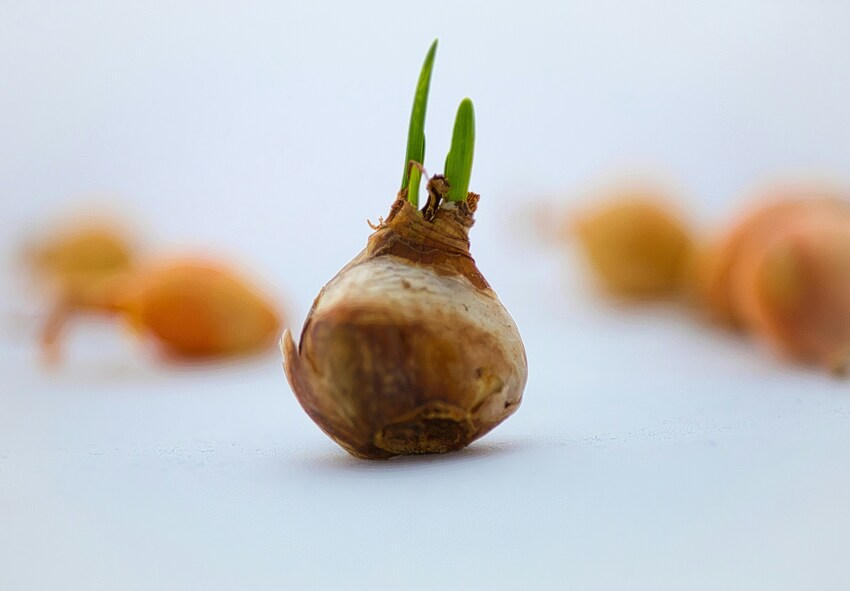
A large bulb is not automatically a high-quality bulb. Calibre tells you about size, while quality involves a much broader range of characteristics. Before planting, examine the bulb rather than relying solely on the number printed on its label. A slightly smaller, healthy bulb may be a better planting choice than a larger bulb showing obvious signs of deterioration.
Pay attention to the following characteristics:
- Firmness and weight: Healthy bulbs should generally feel firm and substantial for their size rather than soft or hollow.
- Healthy outer skin: The outer layers should be reasonably intact, without excessive damage or unexplained deterioration.
- Absence of mold, rot, or soft spots: Avoid bulbs showing obvious fungal growth, wet rot, or areas of significant softness.
- Correct variety and reliable labeling: Make sure the bulb is correctly identified and that the stated calibre matches the supplier’s description.
- Proper storage before planting: Even a large bulb can deteriorate if it has been exposed to unsuitable temperature or moisture conditions before planting.
In other words, calibre should be treated as one useful piece of information rather than a complete quality score.
Conclusions
Understanding bulb calibre makes it much easier to shop for flower bulbs with realistic expectations. Measurements such as 10/12, 12/14, and 14/16 generally describe bulb circumference ranges in centimeters, but their significance depends on the particular species and commercial grading system.
For gardeners who want flowers quickly, choosing a healthy bulb that has reached the recommended flowering size is often the most straightforward approach. Smaller bulbs can also be valuable, particularly for long-term cultivation and naturalizing, provided you are prepared to give them time to mature.
The most important lesson is that bulb size and bulb quality are not the same thing. A large calibre can indicate greater stored reserves and good flowering potential, but firmness, health, variety, storage conditions, and proper planting care are equally important.
When buying bulbs, read the entire label rather than focusing on one number. Understanding the calibre, intended use, and characteristics of the particular bulb will help you choose planting material that matches your garden plans — and set realistic expectations for the flowering season ahead.
Frequently Asked Questions (FAQs) about Dutch Bulb Size
1. What does bulb caliber mean?
Bulb caliber refers to the size of a flower bulb, usually measured around its circumference in centimeters. A label such as 12/14 generally means the bulb falls within a 12–14 cm circumference range. The exact grading system varies between bulb species, so always interpret the caliber according to the specific plant and supplier.
2. Does a larger bulb produce more flowers?
A larger, mature bulb often has greater stored energy reserves, which can support stronger flowering. Depending on the species, a larger caliber may contribute to larger flowers or a greater number of flower stems. However, bulb size does not guarantee flowering performance. Variety, bulb health, storage, planting conditions, and care also influence the final result.
3. Can I order Dutch bulbs from your online store?
Yes, you can browse our online store Dutch-bulbs.com for flower bulbs in different varieties and calibres. When choosing bulbs, consider the plant species, recommended flowering size, and your intended use, such as containers, forcing, borders, or naturalizing. Selecting healthy bulbs with an appropriate caliber can help you achieve the type of display you want.
4. What bulb size is best for planting in containers?
For containers, flowering-size bulbs are generally a good choice when you want an attractive display during the next flowering season. Larger mature bulbs can have sufficient reserves to produce substantial flowers. However, the appropriate caliber depends on the species and variety. Always follow the supplier’s recommendations and select healthy bulbs with good drainage conditions.
5. Can smaller flower bulbs still produce flowers?
Yes, smaller bulbs can eventually flower, particularly when they are healthy but simply have not yet reached mature flowering size. Some may need one or more growing seasons to accumulate sufficient reserves. Smaller bulbs can be useful for naturalizing or long-term planting projects, while mature flowering-size bulbs are generally preferable for an immediate display.
Published: 21.09.2026