



When buying tulip bulbs, gardeners often pay attention to the variety, color and flowering time but overlook one of the most important characteristics of the planting material: bulb size. The numbers 10/11, 11/12, 12/+ and Extra Size are not random labels. They indicate the circumference of the bulb and provide useful information about its potential development and flowering performance.
Choosing the right size is particularly important when planning a private flowerbed, a large landscaping project, a professional forcing program or a cut-flower crop. Larger bulbs generally contain greater nutrient reserves, which can support stronger growth and more impressive flowers. However, the largest size is not automatically necessary for every gardening situation.
In this guide, we will explain how tulip bulbs are measured, what the main commercial sizes mean and how 10/11, 11/12, 12/+ and Extra Size bulbs differ in practical use. We will also look at which planting material is most suitable for landscaping, private gardens, forcing and professional cultivation. Our gardening blog is a perfect place to find all the information you need!
What Does Tulip Bulb Size Mean?
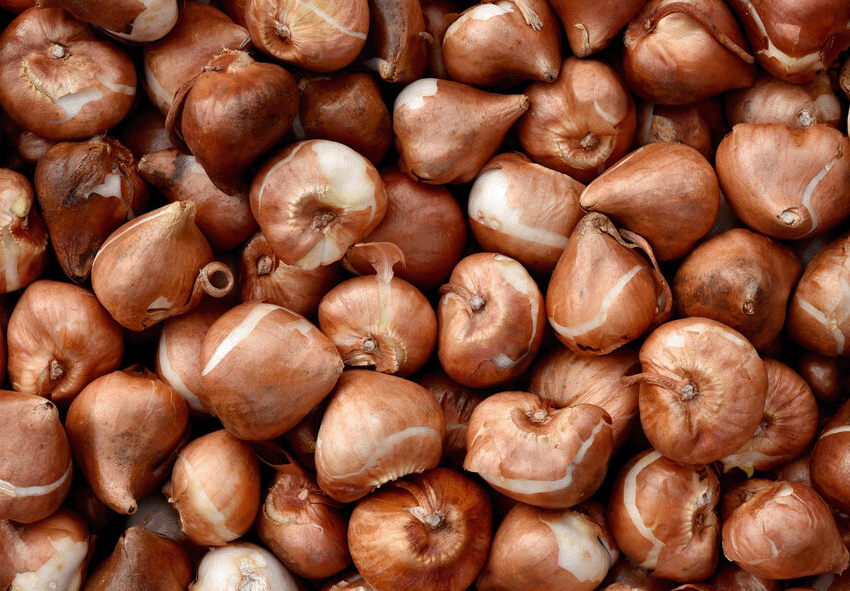
Understanding the grading system makes it much easier to compare planting material before purchase. A bulb’s size is directly connected with its circumference and often gives an indication of its maturity and stored energy.
How Tulip Bulbs Are Measured
Tulip bulbs are usually graded according to their circumference, measured in centimetres around the widest part of the bulb. Therefore, a 10/11 bulb has a circumference between 10 and 11 cm, while an 11/12 bulb measures between 11 and 12 cm.
The notation 12/+ means that the bulb has a circumference of at least 12 cm. The exact measurement may therefore be larger than 12 cm. Extra Size is generally used for particularly large, premium-grade bulbs, although exact standards can vary between suppliers and varieties. The grading system does not describe the bulb’s height or diameter. Two bulbs with a similar circumference may have slightly different shapes, but both belong to the same commercial size category.
It is also important to remember that size is only one indicator of quality. A large bulb that has been stored incorrectly or damaged by disease may perform worse than a smaller but healthy bulb. The best planting material combines appropriate size with firm tissue, good condition and reliable varietal quality.
Why Bulb Size Directly Affects Flowering
A tulip bulb is a storage organ. Before planting, it contains reserves that support root development, shoot growth and flower formation. Larger, mature bulbs generally have more stored energy available for these processes. This is why large bulbs are often more likely to produce strong stems and well-developed flowers. The difference can be especially noticeable in forcing, where plants are expected to flower under controlled conditions according to a specific schedule.
However, the relationship between size and performance is not completely absolute. The variety itself, growing conditions, temperature, planting depth and storage quality also influence the final result. Some cultivars naturally produce smaller bulbs than others, while certain varieties may perform very well from a moderate commercial size.
For this reason, bulb size should be considered together with the intended purpose. A gardener planting hundreds of bulbs for a naturalistic landscape may not need the same grade as a grower producing uniform cut flowers for a specific date.
The Difference Between Standard and Extra Size Bulbs
Standard sizes such as 10/11 and 11/12 are often practical choices for landscaping and private gardens. They provide a good balance between cost and expected performance, especially when large numbers of bulbs are required. The 12/+ and Extra Size categories represent larger planting material with greater reserve potential. These bulbs are particularly valuable when the objective is to achieve large flowers, strong stems or uniform flowering.
The premium price of larger bulbs is therefore most easily justified when the final result is particularly important. For example, professional growers, florists and gardeners creating a highly visible display may prefer larger bulbs because the additional investment can improve the consistency of the crop.
Tulip Bulbs 10/11: A Practical Choice for Landscaping
The 10/11 size is often a sensible option when gardeners need a large quantity of bulbs without choosing the most expensive grade. These bulbs can produce attractive flowering when planted in suitable conditions and are particularly useful for mass planting.
What to Expect from 10/11 Bulbs
Bulbs in the 10/11 range are mature enough to provide reliable flowering in many varieties, although their flowers and stems may not always reach the same maximum size as those produced from larger bulbs. Their performance depends strongly on the cultivar. A naturally vigorous tulip can create an excellent display from 10/11 bulbs, especially when the soil is fertile, drainage is good and the plants receive sufficient light.
In a private garden, the difference between 10/11 and larger bulbs may be less important than it would be in professional cut-flower production. Gardeners often value the overall effect of a mass planting rather than the exact uniformity of every individual stem.
Where 10/11 Bulbs Work Best
When hundreds or thousands of bulbs are required, choosing 10/11 can make it possible to create a much larger planting area for the same budget. This size is particularly suitable for:
- large landscaping projects;
- naturalistic plantings;
- public and semi-public flowerbeds;
- mixed bulb compositions;
- gardeners working with a limited budget.
For example, varieties such as Christmas Dream, Flaming Flag and Queen of Marvel can be suitable for landscape planting when available in this size. These tulips can help create colorful group plantings while keeping the overall cost of a large-scale project under control. The final result will still depend on the specific variety, growing conditions and quality of the planting material.
The main advantage of 10/11 bulbs is their balance between affordability and reliable flowering. They may not always be the first choice for premium forcing, but they can be an excellent solution for gardeners who want a colorful and abundant seasonal display.
Tulip Bulbs 11/12: The Best Balance Between Price and Quality
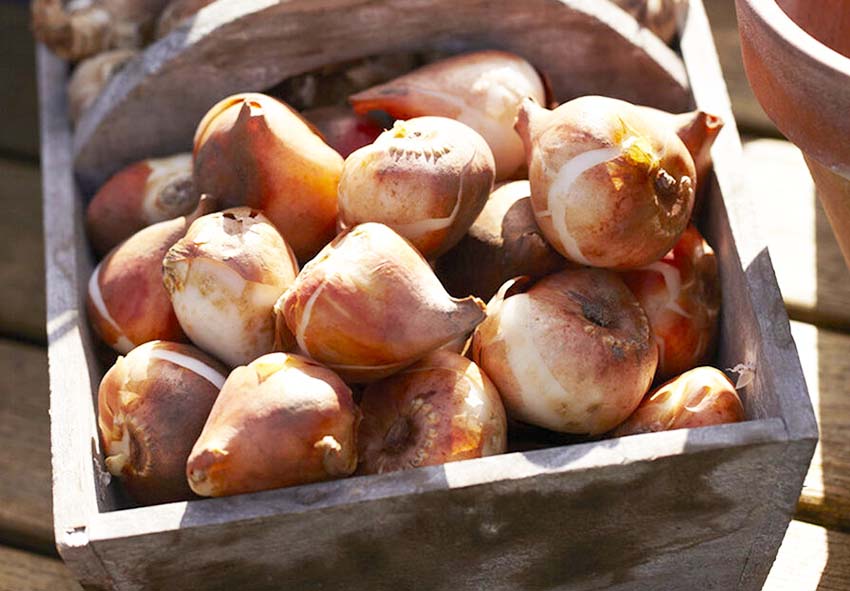
For many gardeners, 11/12 is one of the most versatile sizes available. It provides a larger reserve than 10/11 bulbs while generally remaining more affordable than the largest premium grades.
Why 11/12 Is a Popular Garden Size
The 11/12 size is often considered a strong compromise between cost and flowering potential. These bulbs are typically mature enough to produce attractive flowers and sufficiently strong plants for many garden applications. They are especially useful when a gardener wants a visually impressive display but does not necessarily need the maximum possible flower size or complete commercial uniformity.
An 11/12 bulb can be an excellent choice for mixed borders, ornamental beds and larger private plantings. When planted in groups, even moderate differences in flower size become less noticeable, while the overall effect can be full and colorful.
Suitable Uses for Private Gardens and Landscaping
This size works well for gardeners who want to combine quality with reasonable cost. It is suitable for:
- private flowerbeds;
- mixed spring borders;
- medium-scale landscaping;
- repeated groups of the same variety;
- ornamental plantings where strong flowering is important.
Many gardeners choose 11/12 bulbs when they want to plant several varieties in a coordinated design. For example, a flowerbed may include a red Triumph tulip, a pink Darwin Hybrid and a late double variety. Using a good middle size across the planting can help maintain a balanced budget.
Varieties such as Menton, Negrita and Spring Green, when available in this grade, can provide attractive results in private gardens and landscape compositions. Their different flower colors and forms make it possible to create varied spring displays while maintaining a good balance between price, bulb maturity and flowering potential. For many non-commercial gardeners, 11/12 remains one of the most practical choices.
Tulip Bulbs 12/+: Large Bulbs for Stronger Flowering
The 12/+ category is aimed at gardeners and growers who want larger, more developed planting material. These bulbs usually contain substantial reserves and can provide strong plants with impressive flowers.
Advantages of Larger Planting Material
The main advantage of 12/+ bulbs is their greater energy reserve. This can support stronger initial development and larger flowers, particularly when the bulbs are healthy and properly stored. Larger bulbs are especially valuable when the visual impact of individual flowers matters. In a formal flowerbed or a cut-flower planting, a strong stem and large flower can significantly improve the overall result.
They are also useful when a gardener wants a more uniform display. Although no planting can be perfectly identical, bulbs from a larger, well-graded batch often provide more consistent results than a mixture of immature or unevenly sized material.
12/+ Bulbs for Private Gardens and Cut Flowers
For private gardens, 12/+ bulbs are a good choice when the planting is designed around large, prominent flowers. They can be particularly effective in small or medium-sized flowerbeds where each plant needs to make a strong visual impression. They are also suitable for cut-flower production. Strong stems and well-developed flowers are important when tulips are grown for bouquets, and larger bulbs can provide an advantage in this context.
Varieties such as Barcelona, Strong Love, White Dream and other large-flowered cultivars can be especially attractive when grown from large, healthy planting material. The additional investment can be worthwhile when the aim is to produce impressive individual flowers, strong stems or a premium ornamental display. However, if the goal is simply to cover a large area with seasonal color, purchasing 12/+ bulbs for every plant may not be the most economical solution.
Extra Size Tulip Bulbs: Premium Planting Material
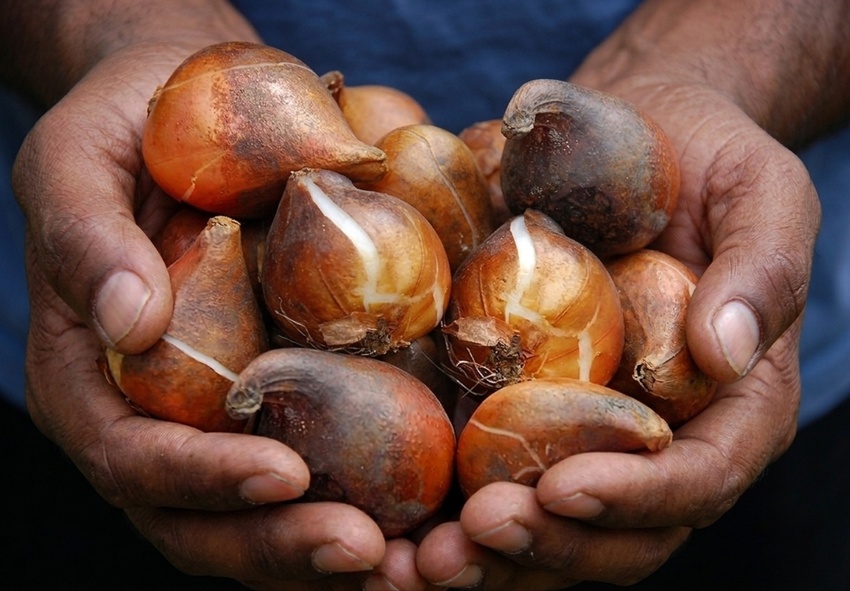
Extra Size bulbs represent the highest grade of planting material commonly chosen for premium displays and professional production. These bulbs are particularly large and have significant reserves accumulated during previous growing seasons.
What Makes Extra Size Bulbs Different
The main advantage of Extra Size bulbs is their maturity and energy potential. A large, healthy bulb has more resources available for developing a strong root system, a vigorous stem and a well-formed flower.
This does not mean that an Extra Size bulb will automatically outperform every smaller bulb under all conditions. Poor soil, incorrect planting depth, disease or unsuitable temperatures can still affect flowering. Nevertheless, when all other conditions are equal, premium planting material provides an excellent foundation for achieving a uniform and impressive result.
Extra Size bulbs are especially valuable for cultivars where the size and quality of the flower are central to their ornamental appeal. They can help create a more dramatic display in formal flowerbeds and are often selected for professional growing programs where consistency is important.
Why They Are Preferred for Forcing and Professional Cultivation
Forcing tulips requires careful planning because the plants must flower at a specific time, often outside their natural season. The bulbs need sufficient reserves to develop roots, leaves, stems and flowers under controlled conditions. For this reason, professional growers frequently select large, mature bulbs for forcing. Extra Size material can provide a more reliable foundation for producing strong stems and attractive flowers, particularly when the crop is intended for commercial sale.
Large bulbs are also useful when growing tulips for cut flowers. A strong stem, a well-developed bud and a uniform crop are important qualities for bouquets and professional floristry. Varieties such as Pink Impression, Dow Jones, Lalibela and Sunny Prince may be particularly attractive for intensive production when supplied in a large, high-quality grade. The most appropriate size depends on the specific cultivar and the production objective.
For private gardeners, Extra Size bulbs can also be worthwhile when planting a small number of premium tulips. If a gardener wants each flower to make a strong impression, investing in fewer large bulbs may be more effective than buying a much larger quantity of smaller material.
Comparing Tulip Bulb Sizes: Which One Should You Choose?
There is no single best size for every situation. The right choice depends on how many bulbs are needed, what result is expected and how much the gardener is prepared to invest.
For Landscaping and Mass Planting
For large-scale landscaping, 10/11 bulbs can often provide the most practical balance between quantity and cost. When planted in groups, they can create an impressive seasonal display without requiring a premium budget for every bulb. The 11/12 size is also an excellent option when a stronger and more uniform result is desired. It can be especially useful for important flowerbeds near entrances, paths and public spaces.
For mass planting, the overall composition often matters more than the maximum possible size of each individual flower. A well-designed planting of healthy 10/11 or 11/12 bulbs can be more impressive than a small group of premium bulbs planted without a clear design.
For a Private Garden
For most private gardens, 11/12 bulbs are a reliable choice. They provide a good combination of flowering potential, visual quality and reasonable cost. Gardeners who want particularly large flowers or are planting a small number of statement varieties may prefer 12/+ or Extra Size bulbs.
This can be especially effective in containers, small formal beds or carefully planned collections where every plant is highly visible. A mixed strategy can also work well. Use 10/11 or 11/12 bulbs for larger background plantings and reserve 12/+ or Extra Size bulbs for the most prominent varieties.
For Forcing and Cut Flowers
For forcing and professional cut-flower production, larger bulbs are generally preferred because the crop needs to produce a strong and uniform result according to a planned schedule. The 12/+ and Extra Size categories are often particularly attractive for this purpose. However, the variety, pre-treatment, storage conditions and temperature schedule are just as important as the size itself.
A large bulb cannot compensate for poor-quality storage or incorrect forcing conditions. Professional growers should therefore select both the correct size and a reliable grade of planting material suitable for the intended production system.
For Professional Cultivation
Professional growers generally need consistency. A crop with bulbs of significantly different sizes may flower unevenly, produce variable stem lengths and create difficulties during harvesting. For this reason, carefully graded 12/+ and Extra Size bulbs are often preferred for premium production. However, the optimal grade depends on the market, the variety and the desired product.
A grower producing large quantities for landscaping may select a more economical size, while a producer supplying premium cut flowers may consider larger bulbs a more worthwhile investment.
How to Choose the Best Bulb Size for Your Budget
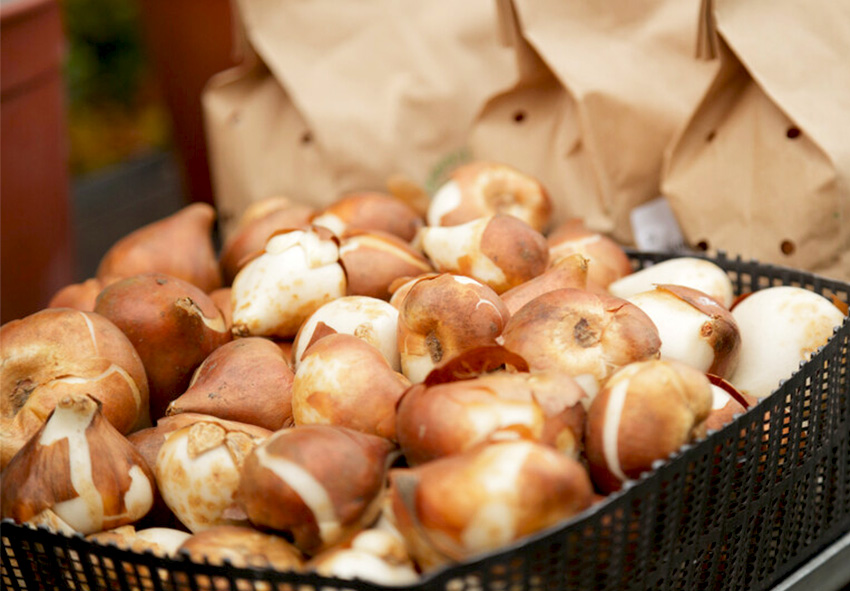
The best approach is not simply to buy the largest bulbs available. Instead, consider the relationship between the cost of the planting material and the result you want to achieve.
When a Smaller Size Is a Sensible Choice
Choosing 10/11 bulbs can be a sensible decision when the goal is to plant a large area or create a naturalistic display. The lower price per bulb allows gardeners to use a greater number of plants, which can often create a fuller visual effect.
Smaller standard sizes can also be appropriate when the planting is part of a mixed composition. If tulips are combined with daffodils, muscari, early perennials or ground covers, the individual size of each flower may be less important than the overall balance of the planting.
When It Is Worth Paying More for Larger Bulbs
A larger size is usually worth the additional investment when the expected result depends on the quality of individual flowers. This includes premium private gardens, exhibition-style displays, forcing, cut-flower production and professional cultivation.
The 12/+ and Extra Size categories can be particularly valuable when the gardener wants strong stems, large flowers and a more uniform flowering period. However, it is important to remember that a larger bulb is not automatically a healthy bulb. The planting material should be firm, undamaged and free from visible signs of disease.
Why Bulb Quality Matters Alongside Size
Size should always be considered together with the general condition of the bulb. A smaller but healthy bulb can be a better investment than a large bulb that has been damaged, poorly stored or affected by disease. When choosing planting material, look for bulbs with firm tissues and no obvious soft spots, mould or serious mechanical damage. Reliable suppliers also provide better information about variety, grading and storage.
It is equally important to choose a size appropriate for the variety. Some tulips naturally produce larger bulbs than others, while certain cultivars may require more time to reach premium grades. For gardeners who are planning a future planting, ordering early can also be beneficial. Popular varieties and premium sizes may become unavailable closer to the planting season, especially when demand is high.
Conclusion
The question of which tulip bulbs are best to buy depends largely on the intended result. Bulbs in the 10/11 size can be an economical and practical choice for landscaping and large-scale planting. The 11/12 grade offers an excellent balance between cost and flowering potential for many private gardens.
The 12/+ size is particularly useful when larger flowers, stronger stems and greater uniformity are important. Extra Size bulbs represent premium planting material and are especially attractive for forcing, cut flowers, professional cultivation and high-impact ornamental displays. The most important principle is to consider size together with variety, bulb health and growing conditions. A large bulb cannot overcome poor planting or inadequate care, while a healthy, well-chosen standard bulb can provide excellent results in the right environment.
By understanding what the numbers 10/11, 11/12, 12/+ and Extra Size actually mean, gardeners can make more informed decisions, match their investment to their goals and choose tulip bulbs that provide the best possible foundation for a beautiful and successful flowering season!
Frequently Asked Questions (FAQs) about Tulip Bulb Sizes
1. What does the 10/11, 11/12 or 12/+ size mean for tulip bulbs?
These numbers indicate the circumference of the tulip bulb in centimetres. A 10/11 bulb measures between 10 and 11 cm around its widest part, while an 11/12 bulb measures between 11 and 12 cm. The 12/+ category includes bulbs measuring at least 12 cm. Larger bulbs usually contain more stored nutrients and can produce stronger growth and larger flowers.
2. Are larger tulip bulbs always better than smaller ones?
Not necessarily. Larger bulbs generally have greater reserves and are often preferred for forcing, cut flowers and premium displays. However, a healthy 10/11 or 11/12 bulb can perform very well in a private garden or landscape planting. Variety characteristics, soil quality, planting depth, storage conditions and general bulb health are also important factors when choosing planting material.
3. Which tulip bulb size is best for forcing and cut flowers?
For forcing and cut-flower production, 12/+ and Extra Size bulbs are often preferred because their greater reserves can support strong stems, well-developed flowers and more uniform growth. However, the correct variety and professional-quality planting material are equally important. A large bulb cannot compensate for poor storage or unsuitable forcing conditions, so size should always be considered together with quality and cultivar characteristics.
4. Can I order tulip bulbs from your online store?
Yes, you can order a wide range of tulip bulbs from our online store Dutch-bulbs.com in different varieties, colours, flowering periods and sizes. Depending on the specific cultivar, you may find standard and larger planting material suitable for private gardens, landscaping, forcing or cut-flower production. Choosing the right bulb size allows you to match your purchase with your budget and expected flowering result.
5. Which tulip bulb size should I choose for a private garden?
For most private gardens, 11/12 bulbs offer an excellent balance between price and flowering potential. They are mature enough to produce an attractive display while remaining more affordable than premium Extra Size bulbs. Choose 12/+ or Extra Size when you want particularly large flowers, strong stems or a premium focal display, while 10/11 can be practical for extensive mass plantings.
Published: 22.07.2026