



Liatris spicata, also known as blazing star or gayfeather, is a striking perennial loved for its tall, fluffy flower spikes and pollinator-friendly nature. Learning how to grow Liatris spicata is simple, making it a great choice for both beginner and experienced gardeners. This beautiful plant not only adds vertical interest to garden beds but also attracts bees, butterflies, and other beneficial insects.
Whether you’re designing a wildflower garden, a perennial border, or a pollinator-friendly landscape, Liatris spicata is an excellent addition. With the right planting techniques and care, this hardy plant will provide stunning blooms year after year. Our gardening blog is a perfect place to find all the information you need!
What Is Liatris Spicata?
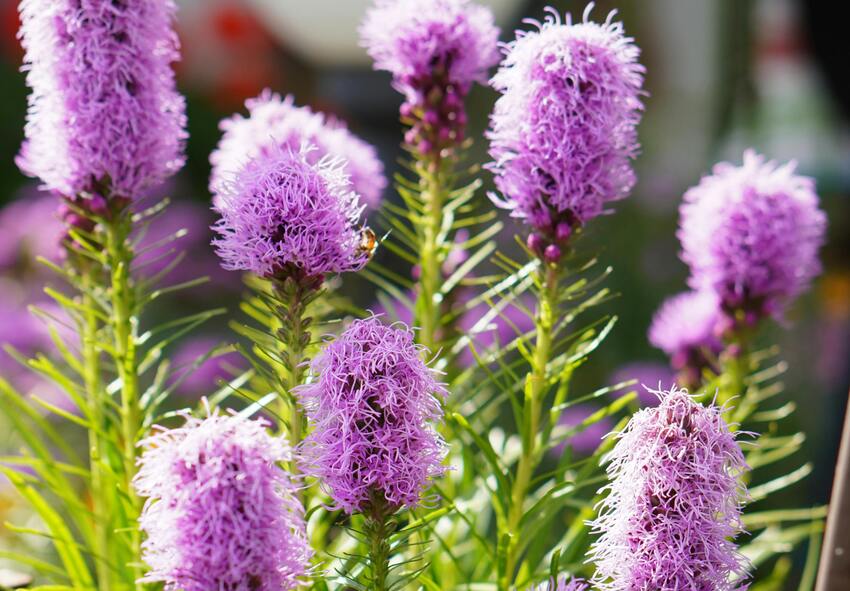
Liatris spicata is a perennial flowering plant known for its tall spikes of purple, pink, or white flowers. Unlike many flowering plants, Liatris blooms from the top down, creating a unique visual effect in the garden. This plant belongs to the aster family and is native to North America.
Gardeners love Liatris spicata for its drought tolerance and low maintenance requirements. It grows from corms and returns each year with minimal care. These qualities make it a popular choice for modern gardens and natural landscapes.
Why Liatris Spicata Is Popular in Gardens
Liatris spicata is popular because of its dramatic vertical flower spikes. These tall blooms create structure and height in garden beds and borders. The plant also pairs well with other perennials and ornamental grasses.
Another reason for its popularity is its long blooming period. Liatris spicata flowers during mid to late summer when many spring plants have finished blooming. This makes it a valuable addition for continuous seasonal color.
Gardeners also appreciate its versatility. Liatris spicata works well in cottage gardens, prairie-style plantings, and pollinator gardens. Its adaptability makes it suitable for many garden designs.
Pollinator-Friendly Plant for Bees and Butterflies
One of the biggest benefits of growing Liatris spicata is its ability to attract pollinators. Bees, butterflies, and beneficial insects are naturally drawn to its nectar-rich flowers. This helps support local ecosystems and improve garden biodiversity.
Butterflies particularly love Liatris spicata, making it a great addition to wildlife-friendly gardens. Bees also rely on its flowers for nectar during summer months. Planting Liatris helps create a healthy and thriving pollinator garden.
Adding multiple plants together increases pollinator activity. Group planting creates a stronger visual impact and attracts more beneficial insects. This makes Liatris spicata ideal for pollinator-friendly landscapes.
Low-Maintenance Perennial
Liatris spicata is known as a low-maintenance perennial. Once established, it requires minimal watering and care. This makes it perfect for busy gardeners or low-maintenance landscapes.
The plant is also drought tolerant, making it suitable for dry areas. It thrives in sunny locations and adapts well to different soil types. These qualities make it easy to grow. Additionally, Liatris spicata is resistant to many common garden pests. This reduces the need for chemical treatments. Its resilience makes it a reliable choice for long-term planting.
Best Growing Conditions for Liatris Spicata
Providing the right growing conditions ensures healthy plants and abundant blooms. Liatris spicata is relatively easy to grow but performs best in suitable environments. Understanding these conditions will help you achieve stunning results.
Sunlight Requirements
Liatris spicata grows best in full sun. It requires at least six hours of direct sunlight daily for strong growth. Adequate sunlight helps produce tall flower spikes and vibrant colors. Although Liatris can tolerate partial shade, flowering may be reduced. Plants grown in too much shade may become weak or floppy. For best results, choose a sunny location. Sunny garden beds or open landscapes are ideal. Proper sunlight ensures healthy and long-lasting blooms.
Soil Preferences
Liatris spicata prefers well-drained soil. Good drainage prevents corms from rotting during wet conditions. Sandy or loamy soils work particularly well. Heavy clay soils should be improved before planting. Adding compost or sand improves drainage and soil structure. This helps create a suitable growing environment. The plant tolerates moderately poor soil. However, better soil conditions encourage stronger growth. Well-prepared soil leads to healthier plants.
Climate and Hardiness Zones
Liatris spicata is hardy in a wide range of climates. It grows well in USDA hardiness zones 3 to 9. This makes it suitable for many regions. The plant tolerates both hot summers and cold winters. Once established, it returns each year. This reliability makes it a favorite among gardeners. In colder climates, mulch may provide winter protection. In warmer areas, ensure proper watering during dry periods. Adapting care to your climate improves success.
When to Plant Liatris Spicata
Planting at the right time helps Liatris spicata establish successfully. Proper timing ensures strong growth and healthy blooms. Both spring and fall planting are possible.
Spring Planting
Spring is one of the best times to plant Liatris spicata corms. Plant after the danger of frost has passed. Warm soil encourages faster root development. Spring planting usually leads to blooms later in the same season. Water newly planted corms lightly to help establish roots. Proper care ensures successful growth. Choose a sunny location before planting. Good placement improves flowering and plant health.
Fall Planting
Fall planting is another suitable option. Plant corms before the ground freezes. This allows roots to establish before winter. Fall-planted Liatris often blooms earlier the following year. Mulch lightly to protect corms in colder climates. Proper preparation ensures healthy plants. Avoid planting too late in the season. Early fall planting provides best results.
How to Plant Liatris Spicata
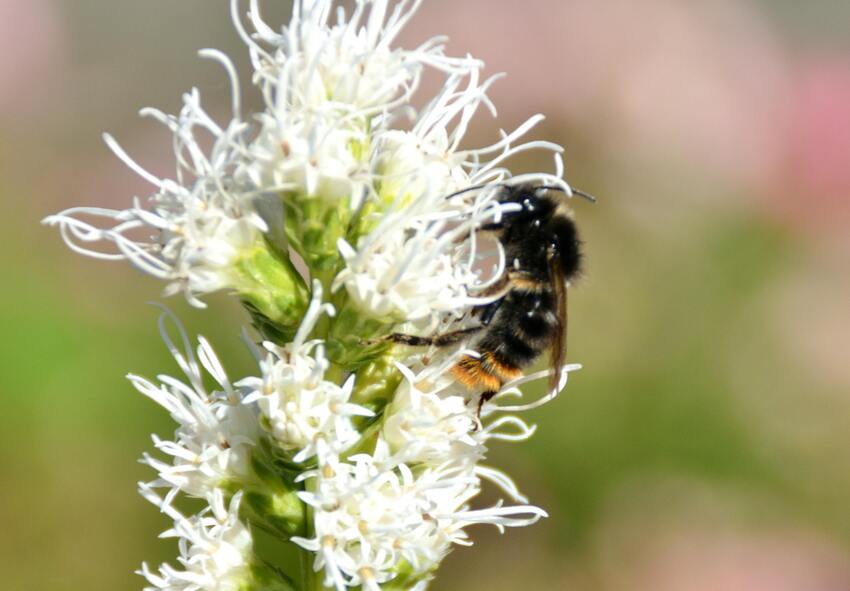
Planting Liatris spicata correctly ensures healthy growth and beautiful blooms. Follow simple planting techniques for best results. Proper spacing and depth are essential.
Planting Liatris Spicata Bulbs
Liatris spicata grows from corms, often called bulbs. Plant Liatris spicata bulbs in well-drained soil. Place them with the pointed side facing upward. Dig holes before planting. Loosen soil to improve root growth. Water lightly after planting. Plant in groups for better visual impact. Group planting also attracts more pollinators. This creates a stunning display.
Spacing and Depth Guidelines
Plant corms about 2–3 inches deep. Proper depth protects roots and supports growth. Avoid planting too deeply. Space plants 8–12 inches apart. Proper spacing improves airflow and reduces disease risk. This also allows plants to grow fully. Follow spacing guidelines for best results. Proper planting ensures healthy and strong plants.
Liatris Spicata Care Tips
Caring for Liatris spicata is simple once plants are established. Basic maintenance helps encourage strong growth and abundant blooms. These care tips will help keep your plants healthy.
Watering Requirements
Liatris spicata prefers moderate watering. Water regularly during the first growing season. Once established, the plant becomes drought tolerant. Avoid overwatering, especially in heavy soil. Too much moisture can cause root rot. Well-drained soil helps prevent problems. Water deeply but less frequently. This encourages deep root growth. Proper watering improves plant health.
Fertilizing Tips
Liatris spicata does not require heavy fertilizing. Too much fertilizer can cause weak growth. Light feeding in spring is usually enough. Use balanced or slow-release fertilizer. Organic compost also works well. This supports healthy growth. Avoid overfeeding plants. Excess nutrients may reduce flowering. Moderate fertilizing produces best results.
Mulching Benefits
Mulching helps retain soil moisture. It also reduces weed growth around plants. Mulch improves overall plant health. Apply a thin layer around plants. Avoid covering the base directly. This prevents rot. Mulch also provides winter protection. It helps regulate soil temperature. Proper mulching improves growing conditions.
Companion Plants for Liatris Spicata
Companion planting helps enhance the beauty and health of your garden. Liatris spicata pairs well with many perennials and pollinator-friendly plants. Choosing the right companions creates a balanced and attractive landscape.
Best Pollinator-Friendly Companions
Liatris spicata works beautifully with other pollinator-friendly plants. Combining nectar-rich flowers encourages bees, butterflies, and beneficial insects to visit your garden. These plants also bloom at different times, extending the pollinator season.
Great pollinator companions include:
- Echinacea (Coneflower) — Attracts bees and butterflies with long-lasting blooms
- Rudbeckia (Black-eyed Susan) — Adds bright yellow contrast and attracts pollinators
- Lavender — Fragrant flowers loved by bees and butterflies
- Salvia — Provides long-lasting color and nectar-rich flowers
Planting these together creates a vibrant and wildlife-friendly garden.
Perennials That Pair Well
Liatris spicata pairs well with many perennials that complement its tall spikes. Mixing plants with different heights and textures improves garden design. These combinations create natural and visually appealing landscapes.
Good perennial companions include:
- Ornamental grasses — Add movement and contrast
- Coreopsis — Provides bright color and long blooms
- Sedum — Drought-tolerant and low-maintenance
- Gaillardia — Adds warm tones and attracts pollinators
These perennials help create a balanced and low-maintenance garden.
Garden Design Ideas
Use Liatris spicata as a vertical accent in garden beds. Plant in groups for a dramatic effect. Grouping plants also increases pollinator attraction. Liatris works well in wildflower gardens and cottage-style plantings. Combine with colorful perennials for layered designs. This creates a natural and vibrant garden look. You can also plant Liatris along borders or pathways. This adds height and visual interest. Thoughtful design enhances garden beauty.
Attracting Pollinators with Liatris Spicata
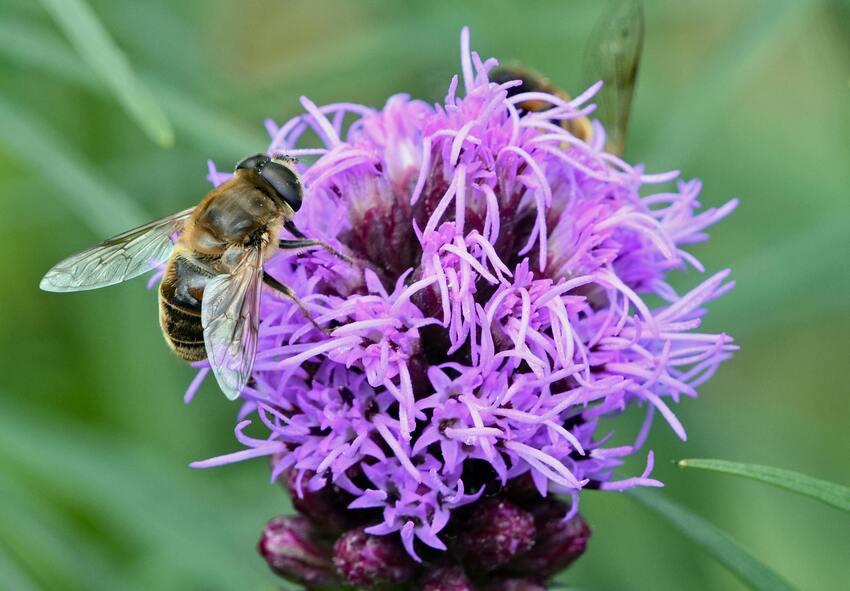
One of the biggest advantages of growing Liatris spicata is its ability to attract pollinators. These plants produce nectar-rich flowers that support beneficial insects. Creating a pollinator-friendly garden helps maintain healthy ecosystems.
Bees and Butterflies
Liatris spicata is highly attractive to bees and butterflies. The tall flower spikes provide easy access to nectar. This makes it a valuable plant for wildlife gardens. Butterflies are especially drawn to Liatris blooms. Bees also rely on these flowers during summer. Adding Liatris helps support pollinator populations. Planting in groups increases pollinator activity. Multiple plants create a stronger attraction. This encourages beneficial insects to visit frequently.
Creating a Pollinator Garden
A pollinator garden combines multiple nectar-rich plants. Choose flowers that bloom at different times. This provides food for pollinators throughout the season. Avoid using chemical pesticides. These can harm beneficial insects. Instead, focus on natural gardening methods. Include a variety of plant heights and colors. This attracts more pollinators. A diverse garden supports wildlife.
Planting Tips for Pollinator-Friendly Gardens
Plant flowers in clusters rather than single plants. Grouping improves visibility for pollinators. This increases garden activity. Choose native plants whenever possible. Native species attract local pollinators. They also require less maintenance. Provide water sources for insects. Small dishes or birdbaths work well. These simple steps create a welcoming pollinator garden.
Common Problems and Solutions
Liatris spicata is generally easy to grow, but occasional problems may occur. Identifying issues early helps prevent damage. Proper care keeps plants healthy.
Pests and Diseases
Liatris spicata is resistant to most pests. However, aphids and slugs may occasionally appear. Regular monitoring helps detect problems early. Remove pests manually if necessary. Natural pest control methods are usually sufficient. Healthy plants are less likely to suffer from pests. Good airflow also prevents disease. Avoid overcrowding plants. Proper spacing improves plant health.
Overwatering Issues
Overwatering is one of the most common problems. Liatris spicata prefers well-drained soil. Excess moisture can cause root rot. Ensure proper drainage when planting. Avoid watering too frequently. Check soil moisture before watering. Planting in raised beds improves drainage. This helps prevent water-related issues. Proper watering keeps plants healthy.
Poor Blooming Problems
Poor blooming may occur if plants receive insufficient sunlight. Liatris spicata needs full sun for best results. Move plants if necessary. Over-fertilizing can also reduce flowering. Use light feeding only. Excess nutrients may cause leafy growth. Crowded plants may bloom less. Divide plants if needed. Proper care improves flowering.
Propagating Liatris Spicata
Propagating Liatris spicata is an easy way to expand your garden. This plant can be propagated by dividing corms or growing from seeds. Both methods are simple and effective.
Dividing Corms
Dividing corms is the most reliable propagation method. Dig up clumps every few years. Separate the corms carefully. Replant divisions immediately. Water lightly after planting. Dividing helps rejuvenate plants. This method also increases plant numbers. Healthy divisions grow quickly. It is ideal for expanding your garden.
Growing from Seeds
Liatris spicata can also be grown from seeds. Sow seeds in spring or fall. Seeds may take longer to bloom. Start seeds indoors for best results. Transplant seedlings when established. Patience is required for seed-grown plants. Growing from seed allows larger plantings. It is cost-effective. This method is popular for wildflower gardens.
Best Time to Propagate
The best time to propagate Liatris spicata is in spring or fall. Cooler weather helps plants establish. Avoid propagating during extreme heat. Spring propagation encourages quick growth. Fall propagation allows roots to develop before winter. Both methods work well. Choose the season that suits your climate. Proper timing improves success. Healthy plants establish quickly.
Seasonal Care for Liatris Spicata
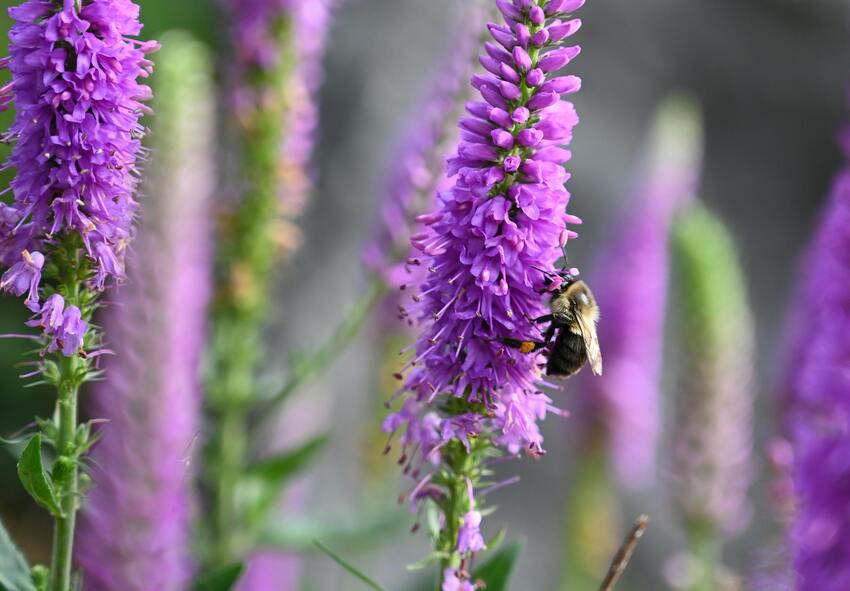
Seasonal care helps maintain healthy plants year-round. Liatris spicata requires minimal maintenance but benefits from seasonal attention. Simple care improves performance.
Summer Care Tips
During summer, Liatris spicata produces beautiful blooms. Water during dry periods if needed. Avoid excessive watering. Deadhead spent flowers for neat appearance. This encourages continued blooming. Summer care keeps plants attractive. Monitor for pests occasionally. Healthy plants thrive with minimal care. Summer is the peak blooming season.
Fall Maintenance
Cut back plants after flowering finishes. Remove dried stems for a tidy appearance. This prepares plants for winter. Fall is also a good time to divide plants. Add mulch if necessary. Proper fall care improves plant health. Remove debris from around plants. This prevents disease. Fall maintenance supports next season’s growth.
Winter Protection
Liatris spicata is cold hardy but benefits from protection. Apply mulch in colder climates. This protects roots from freezing. Avoid heavy mulch in mild climates. Ensure good drainage during winter. Wet soil can damage corms. Remove mulch in early spring. This allows new growth. Winter care ensures healthy plants.
Conclusion
Learning how to grow Liatris spicata is simple and rewarding. This beautiful perennial adds height, color, and texture to gardens while attracting bees and butterflies. Its low-maintenance nature makes it ideal for beginner and experienced gardeners alike.
By providing proper sunlight, well-drained soil, and basic care, Liatris spicata will thrive year after year. Whether planted in borders, wildflower gardens, or pollinator-friendly landscapes, this stunning plant brings beauty and life to any garden space.
Frequently Asked Questions (FAQs) about Growing Liatris
1. When does Liatris spicata bloom?
Liatris spicata typically blooms from mid to late summer, depending on climate and planting time. The tall flower spikes open from the top downward, creating a unique display. Planting in full sun and well-drained soil encourages abundant blooms. Regular care and proper spacing also help extend the flowering period.
2. Does Liatris spicata attract pollinators?
Yes, Liatris spicata is one of the best pollinator-friendly perennials. Its nectar-rich flowers attract bees, butterflies, and beneficial insects throughout the summer. Planting Liatris in groups increases pollinator activity. Adding other pollinator-friendly plants nearby creates a thriving wildlife garden and supports local ecosystems.
3. How tall does Liatris spicata grow?
Liatris spicata typically grows between 60–120 cm (24–48 inches) tall, depending on growing conditions. The tall, vertical flower spikes make it ideal for borders and mixed perennial beds. Plants grown in full sun and fertile soil often reach their maximum height and produce stronger stems.
4. Can Liatris spicata grow in containers?
Yes, Liatris spicata can grow successfully in containers. Choose a deep pot with good drainage and use well-draining soil. Place containers in a sunny location for best flowering. Container-grown plants may require more frequent watering, but they are easy to maintain and ideal for patios and balconies.
5. Can I order Liatris spicata in your online store?
Yes, you can order Liatris spicata in our online store Dutch-bulbs.com. We offer high-quality corms ready for planting in your garden or containers. Our plants are carefully selected to ensure healthy growth and beautiful blooms. Ordering online makes it easy to create a pollinator-friendly garden with minimal effort.
Published: 22.05.2026