



Wild grass and invasive weeds are among the most common problems faced by gardeners. Although a few blades of unwanted grass may seem harmless at first, weeds can quickly spread through flowerbeds, vegetable plots and lawns, competing with ornamental plants for water, nutrients and sunlight. If left unchecked, they may weaken desirable plants and make garden maintenance far more difficult.
Successfully controlling wild grass requires more than simply pulling out visible leaves. Different weed species spread in different ways: some reproduce through seeds, while others rely on underground rhizomes and root systems. Understanding how these plants grow is the first step toward long-term control. Our gardening blog is a perfect place to find all the information you need!
Why Wild Grass Becomes a Problem in Gardens
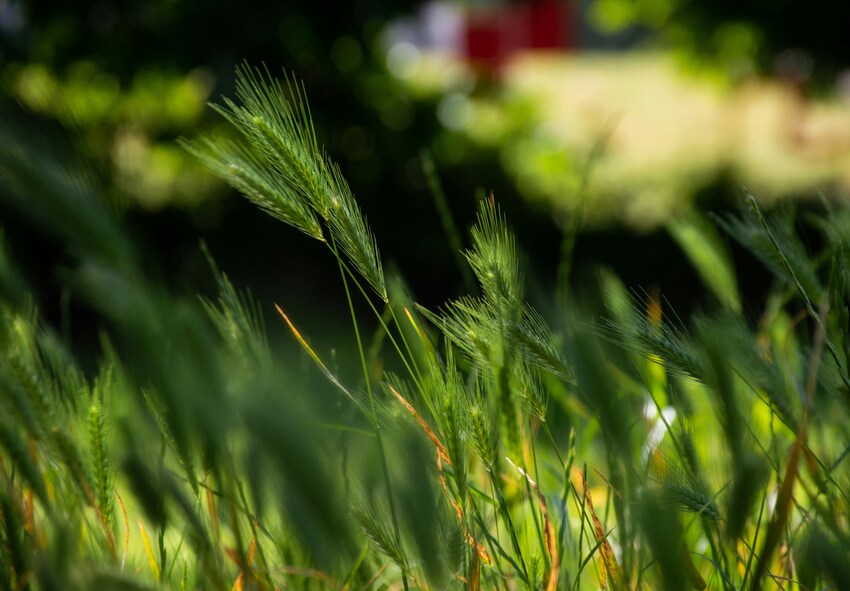
Wild grass thrives because it is highly adaptable and capable of growing in a wide range of conditions. Empty spaces in flowerbeds, damaged lawns and poorly maintained borders provide ideal opportunities for weeds to establish themselves. Once established, invasive grasses compete aggressively with garden plants. They absorb moisture and nutrients from the soil and may even crowd out slower-growing perennials and annual flowers.
The Difference Between Annual and Perennial Weeds
Not all weeds behave in the same way. Annual weeds complete their entire life cycle in a single season, spreading mainly through seeds. Examples include crabgrass and annual bluegrass. Perennial weeds, on the other hand, return year after year from underground roots or rhizomes. Couch grass and quackgrass are particularly difficult to eradicate because even small fragments of their roots can produce new plants.
Why Wild Grass Spreads So Quickly
Many gardeners are surprised by how rapidly weeds can take over a garden. Their success is largely due to their efficient methods of reproduction and their ability to adapt to changing conditions.
Rapid Seed Production
A single weed plant can produce hundreds or even thousands of seeds in one growing season. These seeds often remain viable in the soil for years, waiting for favourable conditions to germinate. If weeds are allowed to flower and set seed, the problem may become significantly worse in the following seasons.
Underground Rhizomes and Root Systems
Many invasive grasses spread below ground through extensive rhizome networks. These underground stems store energy and allow the plant to regenerate even after the visible growth has been removed. Simply cutting or mowing the weeds often stimulates new growth rather than eliminating the problem entirely.
Wind, Birds and Human Activity
Weed seeds travel surprisingly long distances. Wind can carry lightweight seeds across entire neighbourhoods, while birds may spread them from one garden to another. Human activity also contributes to weed dispersal. Seeds and root fragments may be introduced through contaminated compost, mulch, garden tools or even the soles of shoes.
Soil Conditions That Encourage Weed Growth
Compacted soil, bare patches and excessive nitrogen fertilization often create ideal conditions for wild grass to spread. Poorly maintained areas with limited competition from desirable plants are particularly vulnerable. Improving soil structure and maintaining healthy plantings can make the garden less attractive to invasive species.
The Most Common Types of Wild Grass in Gardens
Identifying the weed species growing in your garden is essential because different plants require different control methods:
- Couch Grass (Elymus repens): Couch grass is one of the most troublesome perennial weeds. It spreads aggressively through long, white rhizomes that can penetrate flowerbeds, lawns and vegetable gardens. Removing couch grass requires careful digging because even small pieces of rhizome left behind can regenerate into new plants.
- Crabgrass (Digitaria species): Crabgrass is an annual weed that thrives in warm weather and often appears in thin or damaged lawns. It spreads exclusively by seed and grows rapidly during summer. Preventing seed production is one of the most effective ways to control crabgrass populations.
- Annual Bluegrass (Poa annua): Annual bluegrass is a low-growing weed that frequently invades lawns, pathways and flowerbeds. It produces seeds very quickly and can germinate during different seasons of the year. Regular maintenance and dense planting can help reduce its spread.
- Quackgrass and Other Invasive Species: Quackgrass and similar perennial grasses are particularly difficult to control because of their extensive underground root systems. These weeds compete aggressively with ornamental plants and are capable of surviving harsh conditions. Early intervention is crucial because established infestations become increasingly difficult to remove over time.
How to Remove Wild Grass Effectively
Completely eliminating wild grass often requires a combination of methods rather than a single solution. Patience and consistency are essential for long-term success.
Manual Weeding and Digging
Hand-pulling is one of the simplest methods for controlling weeds, especially when infestations are small. The best time to weed is after rain, when the soil is moist and roots can be removed more easily. For perennial grasses, gardeners should use a fork or hand trowel to loosen the soil and extract as much of the root system as possible.
Removing Underground Roots and Rhizomes
Perennial weeds cannot be controlled successfully unless their underground structures are removed. Rhizomes should be carefully traced through the soil and removed completely whenever possible. Repeated inspections are often necessary because overlooked root fragments can quickly produce new shoots.
Using Mulch to Suppress Weed Growth
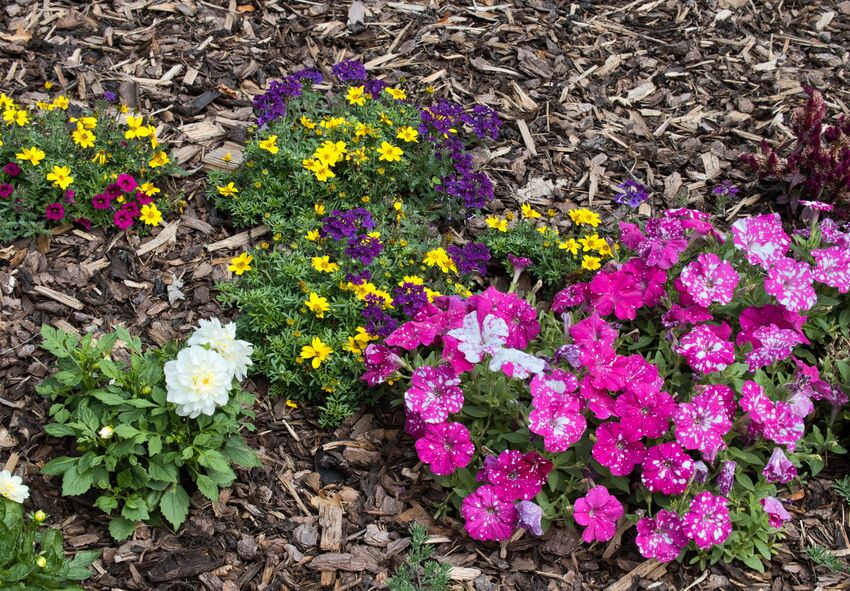
Mulching is one of the most effective long-term strategies for suppressing weeds. Organic materials such as bark, compost, straw or shredded leaves block sunlight and prevent many weed seeds from germinating. A mulch layer of five to ten centimetres is usually sufficient to reduce weed growth while also helping the soil retain moisture.
Regular Lawn and Border Maintenance
Healthy lawns and densely planted borders naturally suppress many weeds by reducing the amount of light that reaches the soil surface. Regular mowing, edging and maintenance prevent wild grass from establishing itself and spreading into cultivated areas. The second half can cover natural weed-control methods, herbicide use, prevention strategies, common mistakes and the conclusion.
Natural Methods for Controlling Weeds
Many gardeners prefer to minimize the use of chemicals and rely on natural methods to keep wild grass under control. Although these techniques often require patience and regular maintenance, they can be highly effective over time.
Smothering with Cardboard and Organic Mulch
One of the simplest ways to suppress weeds is to cover the affected area with cardboard, newspaper or landscape fabric and then apply a thick layer of organic mulch on top. By blocking sunlight, these materials gradually weaken the grass and prevent new seeds from germinating. After several months, the cardboard decomposes naturally, enriching the soil while reducing weed pressure.
Dense Planting and Ground Covers
Bare soil provides ideal conditions for weed growth. Filling empty spaces with dense ornamental plantings or ground covers can significantly reduce the spread of wild grass. Plants such as creeping thyme, periwinkle, sedum and low-growing geraniums form a living barrier that shades the soil and limits the available space for weeds.
Improving Soil Health
Healthy soil supports vigorous plant growth, allowing desirable species to compete more effectively with weeds. Adding compost, improving drainage and encouraging beneficial soil organisms all contribute to a healthier garden ecosystem. Strong, well-established plants naturally suppress many unwanted grasses by absorbing nutrients and occupying available space.
Preventing Weed Seeds from Germinating
Prevention is often easier than removal. Applying mulch before weeds emerge, removing young seedlings promptly and avoiding soil disturbance can dramatically reduce germination rates. Regular monitoring is especially important in spring and early summer, when many weed species begin active growth.
When Herbicides May Be Necessary
In severe infestations, natural methods alone may not provide sufficient control. In such cases, carefully targeted herbicide treatments may be considered.
Spot Treatments for Severe Infestations
Rather than spraying an entire garden, spot treatments allow gardeners to apply herbicides directly to problem areas. This approach minimizes damage to ornamental plants and reduces chemical use. Persistent perennial weeds with extensive rhizomes sometimes require multiple treatments before they are fully controlled.
Safety Precautions
If herbicides are used, gardeners should always follow the manufacturer’s instructions carefully. Protective gloves, proper storage and correct application techniques are essential. Spraying on windy days should be avoided because herbicides can drift onto nearby flowers, shrubs and vegetables.
Alternatives to Chemical Weed Control
Even in difficult situations, herbicides are not the only option. Solarization, repeated cultivation, sheet mulching and careful hand removal can often achieve satisfactory results without chemicals. Combining several methods usually provides the most reliable long-term control.
Common Mistakes When Fighting Weeds
Even experienced gardeners sometimes make errors that unintentionally worsen weed problems:
- Leaving Root Fragments Behind: Perennial grasses such as couch grass can regenerate from surprisingly small root fragments. Incomplete removal often leads to new infestations within a few weeks. Careful digging and repeated inspections are essential for successful control.
- Allowing Weeds to Produce Seeds: A single season of neglected weeds can result in thousands of seeds entering the soil. Once a seed bank becomes established, weed problems may continue for many years. Removing weeds before they flower is one of the most effective prevention strategies.
- Using Too Little Mulch: A very thin layer of mulch may improve the appearance of a flowerbed but will do little to suppress weed growth. In most cases, a depth of at least five centimetres is recommended. Insufficient mulch allows sunlight to reach the soil surface, encouraging seed germination.
- Ignoring Early Signs of Invasion: Many serious infestations begin with only a few isolated plants. Delaying action gives weeds time to establish deeper roots and spread throughout the garden. Prompt intervention is usually easier, cheaper and more effective than dealing with a large-scale invasion later.
How to Prevent Wild Grass from Returning
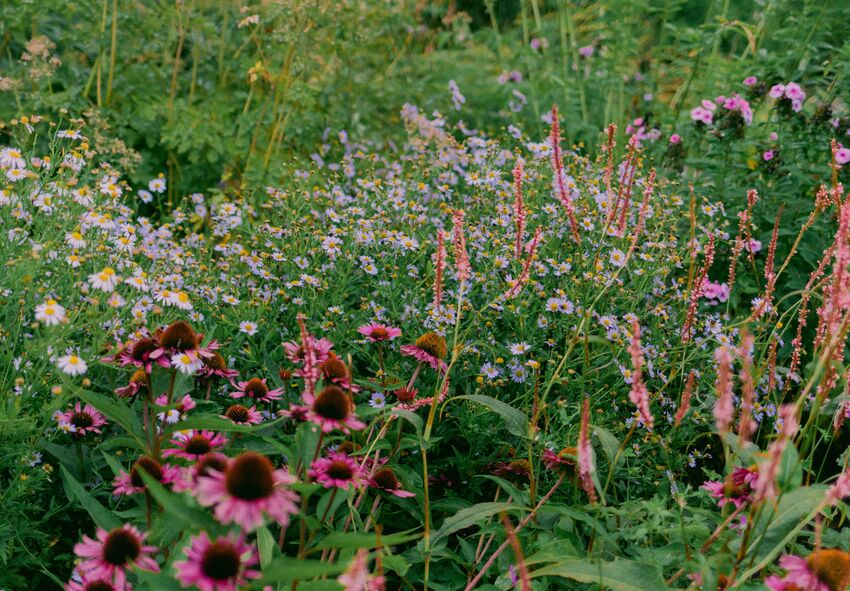
Removing weeds once is rarely enough. Long-term prevention strategies are essential to keep gardens healthy and attractive.
Regular Garden Inspections
Frequent inspections allow gardeners to detect problems before they become serious. Pulling out a few young weeds is much easier than dealing with a large infestation later in the season. Checking flowerbeds, borders and pathways every few weeks can save many hours of work in the future.
Maintaining Healthy Plantings
Healthy lawns and vigorous ornamental plants naturally compete with weeds for space, sunlight and nutrients. Proper spacing, regular fertilization and appropriate watering all contribute to stronger plant growth. The healthier the garden ecosystem, the less opportunity weeds have to establish themselves.
Refreshing Mulch Throughout the Season
Organic mulch gradually decomposes and becomes thinner over time. Refreshing the mulch layer once or twice a year helps maintain its ability to suppress weeds and conserve soil moisture. Fresh mulch also improves the appearance of flowerbeds and protects plant roots from temperature fluctuations.
Proper Watering and Fertilization Practices
Overwatering and excessive fertilization may encourage weed growth just as much as they benefit ornamental plants. Applying water and nutrients only where needed reduces unnecessary competition. Targeted irrigation systems, such as drip lines, can help keep surrounding soil relatively dry and less attractive to invasive grasses.
Conclusion
Wild grass and invasive weeds are a natural part of every garden, but they do not have to take control. Understanding how weeds spread, identifying the species involved and choosing appropriate control methods can greatly reduce their impact.
Whether you rely on manual removal, mulching, dense planting or carefully targeted treatments, consistency is the key to long-term success. By combining prevention with regular maintenance, gardeners can create healthy, attractive landscapes where ornamental plants thrive and weeds remain under control.
Frequently Asked Questions (FAQs) about Wild Grass
1. Why does wild grass keep coming back even after I remove it?
Many invasive grasses spread not only by seeds but also by underground rhizomes and root fragments. If even a small piece of the root system remains in the soil, new shoots can quickly appear. Regular inspections, thorough digging and the use of mulch are essential for long-term control and preventing repeated infestations.
2. What is the best natural method for controlling weeds in the garden?
There is no single solution that works in every situation, but combining several natural methods usually gives the best results. Thick layers of organic mulch, hand-weeding, cardboard barriers and dense ground-cover plantings can effectively suppress weeds. Maintaining healthy soil and removing weeds before they produce seeds also helps reduce future problems.
3. Can weeds damage ornamental plants and flowers?
Yes, weeds compete with ornamental plants for water, sunlight and nutrients. Aggressive species such as couch grass and quackgrass can quickly overtake flowerbeds and weaken neighboring plants. In severe cases, weeds may reduce flowering, slow growth and make gardens more vulnerable to pests and diseases, which is why early control is so important.
4. Can I order ground-cover plants and shrubs from your online store?
Yes, our online store Dutch-bulbs.com offers a wide selection of ground-cover plants, ornamental shrubs and perennials that can help suppress weeds naturally. You can order plants such as sedum, hydrangeas and roses to create dense plantings that reduce empty spaces and make it more difficult for wild grass to spread throughout the garden.
5. How often should I check my garden for weeds?
Regular inspections throughout the growing season are the best way to prevent major weed problems. Most gardeners benefit from checking flowerbeds, lawns and borders every one or two weeks. Removing young weeds immediately is much easier than dealing with mature plants that have already developed deep roots or produced thousands of seeds.
Published: 14.08.2026