



If you want to enjoy tulips, daffodils, hyacinths and crocuses in the spring, you should start planning as early as autumn. Many spring-flowering plants require a distinct period of cold, also known as vernalisation, so that they can reliably develop flower buds later on. That is why autumn is the most important time for planting flower bulbs. However, it is important to distinguish between the right time to buy and the best time to plant. Whilst the range is particularly wide in late summer, the planting time depends primarily on the soil temperature. Our gardening blog is the perfect place to find all the information you need!
When should you buy flower bulbs?
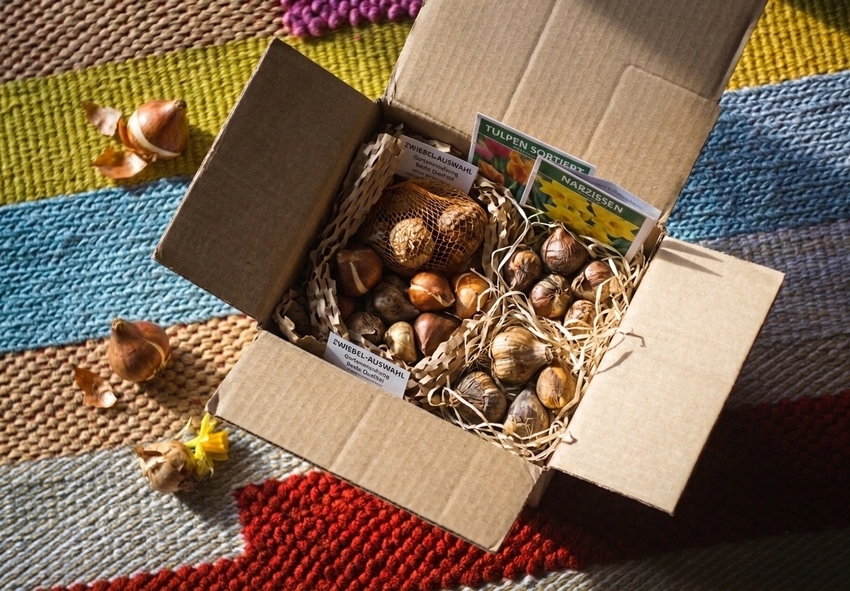
The question of when it makes sense to buy flower bulbs is relatively easy to answer: August and September are ideal for selecting your range for the coming spring. At this time of year, the selection of tulip bulbs, daffodils, hyacinths, crocuses and other bulbous flowers is particularly extensive. Even rare or sought-after varieties are often still available, so ordering early offers the best chance of securing specific colours and shapes.
When buying, the quality of the bulbs should be checked carefully. Healthy flower bulbs feel firm and compact and should not have any soft spots. Mould, deep cuts or rotten areas are also warning signs. Depending on the plant species, the size of the bulb can also be an indication of its quality and ability to flower.
Anyone who buys bulbs early but plants them later should store them in a cool, dry place until then. A dark, well-ventilated spot protects the bulbs from moisture, mould and premature sprouting.
The best time to plant
When deciding when to plant flower bulbs in autumn, the date alone is not the decisive factor. Soil temperature is more important. As a guideline: the soil should have cooled to below around +10 °C. Depending on the region, this period is usually between September and November.
If you plant too early, you risk the bulbs sprouting as early as autumn. Young shoots can then be damaged by the risk of frost. Furthermore, high temperatures combined with moisture encourage certain diseases and rotting.
However, you shouldn’t wait too long either. After planting, the bulbs need time to establish their roots. As a rule, there should be around four to six weeks before the ground freezes permanently. Only with a sufficiently developed root system can the plants survive the winter well and sprout vigorously in spring.
Planting calendar for spring-flowering bulbs
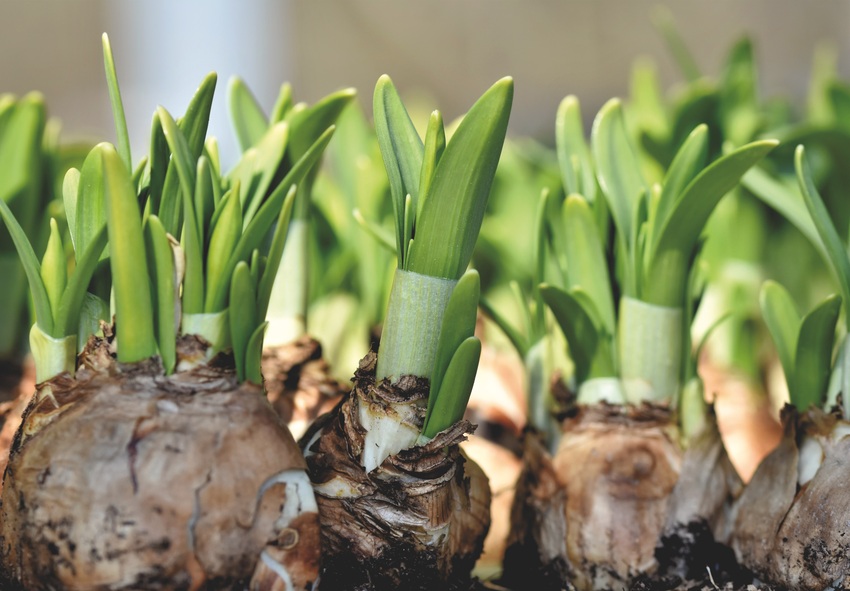
A planting calendar for spring-flowering plants helps you choose the right time for each plant species. The exact dates may vary depending on the weather and region, but the following overview provides a reliable guide:
| Period | Suitable plants |
| September to early October | Snowdrops, crocuses, grape hyacinths and other small-flowered bulbous plants |
| October | Daffodils, hyacinths and grape hyacinths |
| October to November | Tulip bulbs and ornamental allium |
Snowdrops and crocuses are usually planted early so that they have enough time to establish roots before winter. Daffodils and hyacinths also benefit from being planted in good time in October.
However, if you want to know when is the best time to plant tulips in autumn, you’ll need a little patience. Tulips prefer cooler soil temperatures and are often not planted until October or even November. Ornamental garlic, or Allium, is also one of the types that tend to be planted later.
Regional differences in Germany, Austria and Switzerland
The planting time for flower bulbs depends heavily on the respective climate zone. In northern regions and at higher altitudes in Germany, Austria and Switzerland, the first severe frosts can occur earlier. Here, it makes sense to plant many spring-flowering bulbs as early as September or October, to allow sufficient time for them to take root.
In regions with a mild climate and longer periods of mild autumn weather, however, the planting season can be significantly extended. Particularly in the south or in sheltered locations, tulips and other bulbs that are planted later can often still be planted as late as the end of November. In the event of an unusually mild autumn, planting may even be possible into December in some cases, provided the ground has not yet frozen.
Checklist: How to plant flower bulbs correctly
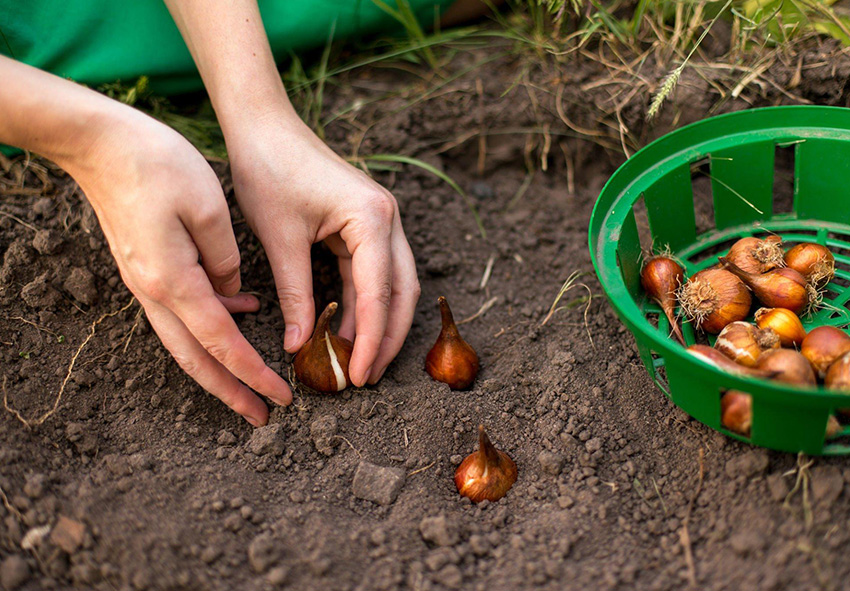
To ensure that spring-flowering plants grow vigorously and flower reliably next year, a few basic rules should be followed when planting. With the correct planting depth, well-prepared soil and sufficient moisture after planting, you will create optimal conditions for successful rooting:
- Ensure the correct planting depth: Use the ‘rule of three’ as a guide. The planting depth should be roughly three times the height of the bulb in question. Small bulbs should therefore be planted shallower, whilst large tulip bulbs or Allium bulbs should be planted correspondingly deeper.
- Ensure well-drained soil: Waterlogging can lead to rot and must be avoided at all costs. Loosen heavy soils before planting and, if necessary, improve drainage so that excess water can drain away effectively.
- Water thoroughly after planting: Adequate watering helps the bulb to make contact with the soil and promotes root formation. Afterwards, most flower bulbs require very little additional care until spring.
Lay the foundations for spring now
By sticking to the correct planting dates, you can lay the foundations for a colourful garden next spring as early as autumn. Buy your favourite varieties in good time and then time your planting according to soil temperature and the local climate. Discover high-quality Dutch flower bulbs in the Dutch-bulbs.com catalogue now and prepare your garden for a spectacular display of blooms in spring!
Frequently Asked Questions (FAQs) about Autumn Planting Calendar
1. When is the best time to buy flower bulbs for fall planting?
The best time to buy spring-flowering bulbs is usually late summer through fall, when fresh bulbs become widely available. Buying early often provides the best selection of varieties. However, wait to plant until temperatures and soil conditions are suitable, as planting bulbs too early can encourage premature growth.
2. When should I plant spring-flowering bulbs in fall?
Most spring-flowering bulbs should be planted in fall, after summer heat has passed and before the ground freezes. In many regions, this means planting from September through November. The ideal timing depends on your local climate, soil temperature, and the specific bulb variety you are growing.
3. Can I plant flower bulbs after the first frost?
Yes, you can often plant flower bulbs after the first light frost, provided the soil is still workable and not frozen solid. Bulbs need time to establish roots before prolonged freezing conditions arrive. Check your local climate and plant as soon as possible if the ground remains suitable.
4. What happens if I plant flower bulbs too early in fall?
Planting bulbs too early can expose them to warm soil and temperatures that encourage premature root or shoot growth. This may make plants more vulnerable to changing weather conditions. Waiting until temperatures become cooler helps bulbs settle into dormancy and develop roots at a more appropriate pace.
5. Which flower bulbs should I plant in fall for spring blooms?
Popular fall-planted bulbs include tulips, daffodils, crocuses, hyacinths, alliums, and snowdrops. Combining varieties with different flowering times can create a longer spring display. Choose bulbs suited to your local climate and plant them at the recommended depth, spacing, and seasonal planting time.
Published: 01.09.2026