



Tulips are among the most popular ornamental flowers in gardens and homes, admired for their elegant blooms and wide range of colors. They are often planted in flower beds, borders, containers, and decorative indoor arrangements, bringing beauty and seasonal interest to outdoor and indoor spaces alike. However, for pet owners, it is important to consider not only the decorative value of plants but also their potential impact on animal safety.
This topic is particularly relevant for cat and dog owners, as well as gardeners who grow tulips and want to create a safe environment for their pets. While tulips are attractive and easy to grow, they contain natural substances that may be harmful to animals if accidentally touched or ingested. Understanding the potential risks and taking simple preventive measures can help maintain a balance between a beautiful garden and the well-being of household pets. Our gardening blog is a perfect place to find all the information you need!
Why Tulips Can Be Dangerous to Pets

Although tulips are widely appreciated for their beauty and popularity in ornamental gardening, pet owners should be aware of their potential risks. Like many decorative plants, tulips contain natural compounds that serve as a defense mechanism against pests and herbivores. While these substances help protect the plant in nature, they can affect dogs and cats if parts of the plant are consumed.
Natural Protective Compounds in Tulips
Tulips contain naturally occurring chemical compounds that help deter animals and insects from feeding on them. These substances are present throughout the plant and are particularly concentrated in certain tissues. When a pet chews or ingests parts of a tulip, these compounds can irritate the mouth, digestive tract, and other body systems.
The presence of these protective substances does not make tulips dangerous to handle in normal circumstances, but they can become problematic when animals interact with the plant in ways that lead to ingestion.
How Tulips Can Affect Dogs and Cats
The effects of tulip ingestion vary depending on the amount consumed and the animal involved. In many cases, pets experience digestive irritation because the compounds found in tulips can upset the stomach and intestinal tract. Some animals may also show signs of discomfort after chewing on leaves, flowers, or bulbs.
Young pets are often at greater risk because they tend to explore their environment by chewing unfamiliar objects. Curious dogs may dig up bulbs, while cats may nibble on leaves or flowers, increasing the likelihood of exposure.
Why Bulbs Present the Greatest Risk
Although all parts of the tulip contain potentially harmful substances, the bulbs contain the highest concentration. For this reason, they represent the greatest danger to pets. Dogs are particularly prone to digging up tulip bulbs from flower beds, especially shortly after planting when the soil is loose and easy to disturb.
The risk is often highest during planting season or when bulbs are stored indoors before planting. Keeping bulbs out of reach and monitoring pets around newly planted areas can significantly reduce the chance of accidental ingestion.
Which Parts of the Plant Pose a Risk to Dogs and Cats
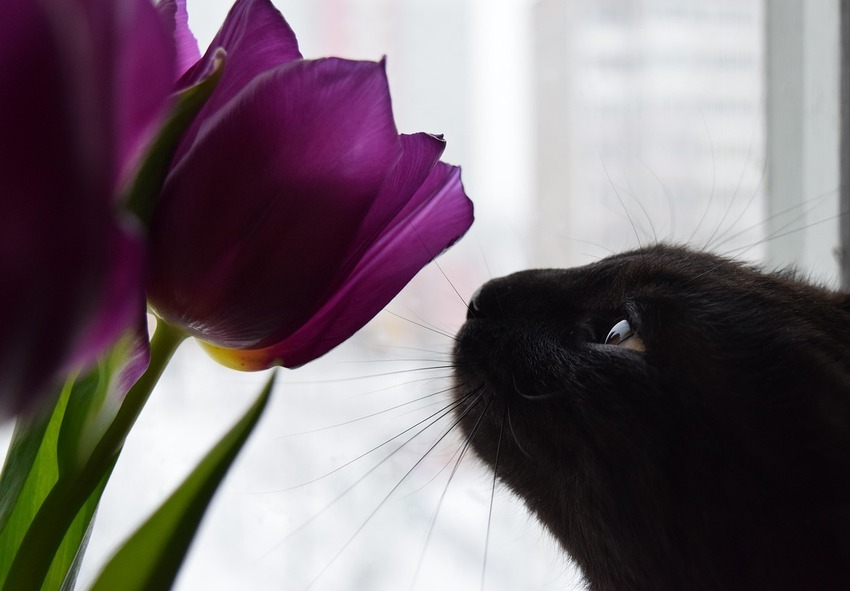
Different parts of the tulip contain varying concentrations of potentially harmful substances. While all parts of the plant should be considered unsuitable for consumption by pets, some parts present a greater risk than others.
The following parts of the tulip may be harmful to dogs and cats:
- Bulbs – The bulbs contain the highest concentration of protective compounds and are considered the most dangerous part of the plant. Pets that dig up and chew bulbs may be exposed to larger amounts of these substances.
- Leaves – Tulip leaves contain lower concentrations of harmful compounds than the bulbs, but they can still cause digestive upset if eaten.
- Flowers – The blooms are generally less concentrated than the bulbs but may still be problematic when consumed in significant quantities.
- Stems – Although not as hazardous as bulbs, stems can also contain irritating substances that may affect sensitive animals.
The degree of danger depends on several factors, including the amount of plant material consumed, the size of the animal, and its individual sensitivity. Some pets may experience only mild discomfort, while others may react more strongly. Because individual responses vary, any suspected ingestion should be monitored carefully.
How to Grow Tulips Safely in the Garden and at Home
Growing tulips in a pet-friendly environment is entirely possible with proper planning and preventive measures. The goal is not necessarily to avoid tulips altogether, but rather to reduce opportunities for pets to come into contact with potentially harmful parts of the plant.
Choosing Safe Planting Locations
One of the most effective ways to improve safety is to select planting locations that are difficult for pets to access. Flower beds positioned behind decorative fencing, raised garden beds, or areas that pets rarely visit can help limit direct contact with tulips.
When planning a garden, it is helpful to consider the typical movement patterns of pets. Placing tulips away from favorite play areas, walking paths, and digging spots can further reduce the likelihood of unwanted interaction.
Protecting Bulbs and Young Plants
The period immediately after planting is often when tulips are most vulnerable to disturbance. Newly planted bulbs can attract curious dogs that enjoy digging in freshly turned soil. Protective measures such as garden netting, temporary barriers, or mulch can help discourage digging and protect the bulbs until they are established.
Young shoots may also attract attention from pets. Monitoring newly emerging plants and reinforcing training can help prevent chewing or damage during the early stages of growth.
Safe Indoor Growing and Storage Practices
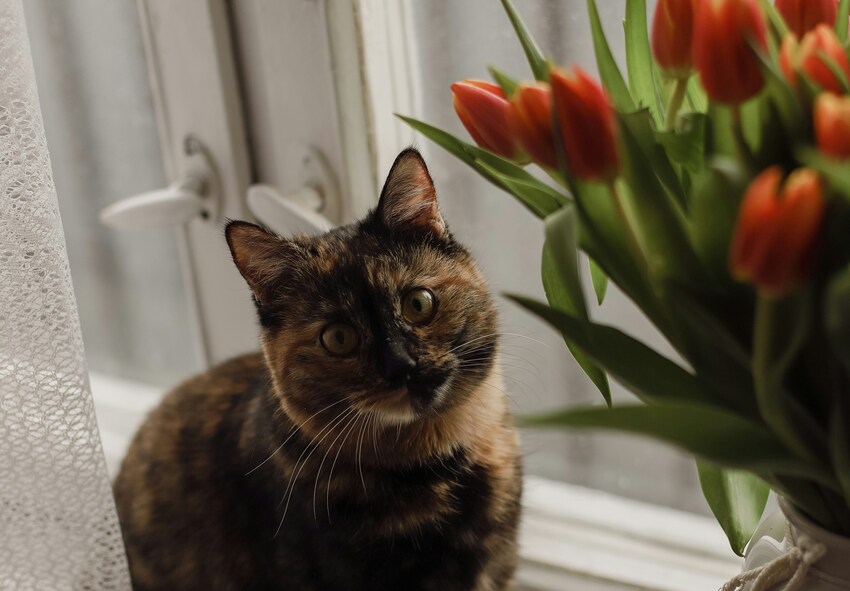
Tulips are frequently grown in containers and decorative pots indoors, especially during the flowering season. Unlike other pet-safe indoor plants, these arrangements should be placed on elevated surfaces or in rooms that animals cannot access easily. This reduces the chance of pets investigating or chewing on the plants.
Bulb storage is equally important. Unplanted bulbs should be kept in secure containers and stored in locations inaccessible to dogs and cats. Proper storage not only protects pets but also preserves the quality of the bulbs until planting time.
Conclusions and Key Recommendations
Tulips are beautiful ornamental flowers that can successfully coexist with pets when appropriate precautions are taken. Although they contain natural compounds that may be harmful if ingested, the risks can be minimized through careful planning and responsible plant management.
The greatest concern involves the bulbs, which contain the highest concentration of potentially irritating substances. Leaves, flowers, and stems may also present a risk, particularly if consumed in large amounts. By limiting access to plants, storing bulbs safely, and monitoring curious pets, gardeners can significantly reduce the possibility of accidental exposure.
With thoughtful placement and basic preventive measures, tulips can remain an attractive part of the garden or home while helping maintain a safe and comfortable environment for dogs and cats. A balanced approach allows pet owners to enjoy the beauty of ornamental gardening without compromising the well-being of their animals!
Frequently Asked Questions (FAQs) about Tulips and Pets
1. Are tulips toxic to cats and dogs?
Tulips contain natural compounds that may be harmful to both cats and dogs if parts of the plant are consumed. The risk is greatest when pets chew or eat bulbs, although leaves, stems, and flowers can also cause problems. The severity of the reaction depends on the amount ingested and the animal’s sensitivity.
2. Which part of the tulip is most dangerous for pets?
The bulb is considered the most hazardous part of the tulip because it contains the highest concentration of naturally occurring protective compounds. Dogs are particularly at risk because they may dig up and chew bulbs shortly after planting. Although leaves, flowers, and stems also contain these substances, they generally present a lower risk.
3. Can I grow tulips in a garden if I have pets?
Yes, tulips can be grown safely in gardens where pets are present if appropriate precautions are taken. Choosing planting locations that are difficult for animals to access, using raised beds, and protecting newly planted bulbs can significantly reduce the likelihood of contact.
4. Can I order tulip bulbs from your online store?
Yes, you can order a wide selection of tulip bulbs from our online store Dutch-bulbs.com, including early-, mid-, and late-flowering varieties in many colors and flower forms. Whether you are planning a formal flower bed, a naturalized planting, or container displays, there are options to suit different garden styles.
5. What should I do if my pet eats part of a tulip?
If you suspect that your pet has eaten part of a tulip, especially a bulb, it is important to monitor the animal closely and contact a veterinarian for professional advice. The veterinarian can assess the potential risk based on the amount consumed and the pet’s size and condition.
Published: 12.06.2026