



Ordering tulip bulbs by post is a convenient way to access a wide selection of varieties, colours and bulb sizes. However, when planting material arrives after transportation, it is important to inspect it carefully before storing or planting. A bulb may look slightly different after several days in a package without actually being unhealthy, while certain less obvious signs may indicate rot, disease or serious damage.
The first inspection is particularly important for gardeners who want to protect their flowerbeds and other planting material. Learning how to distinguish normal changes after transport from genuine problems allows you to make the right decision quickly. In this guide, we explain how to identify a healthy tulip bulb, which defects require attention, which bulbs can still be planted and what steps to take if the delivered planting material appears to be substandard. Our gardening blog is a perfect place to find all the information you need!
What a Healthy Tulip Bulb Should Look Like After Delivery
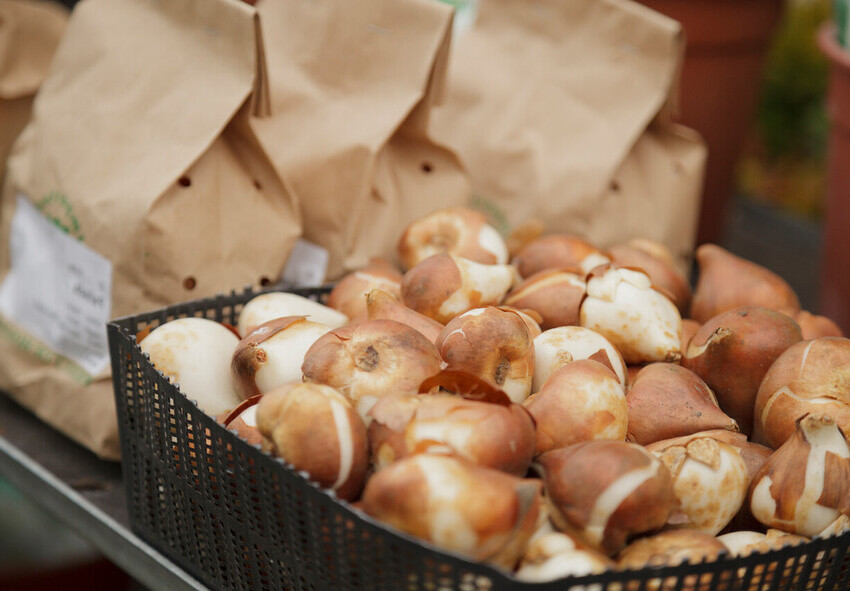
The appearance of a tulip bulb can vary slightly depending on the variety, storage conditions and length of transportation. Therefore, a bulb should be assessed as a whole rather than judged by one minor visual detail.
Firmness and Density of the Bulb
A healthy tulip bulb should feel firm and dense when gently touched. It should not feel soft, hollow or unusually light for its size. The outer skin may be dry and slightly loose, but the underlying bulb tissue should remain solid.
Some varieties naturally have a more elongated or flattened shape, while others are rounder and more compact. These differences are normal and should not be confused with signs of disease. A firm bulb with intact tissue is generally a good indication that the planting material has retained sufficient reserves for root development and future growth.
Normal Changes After Transport
Transportation can cause minor changes that do not necessarily indicate a problem. For example, the outer papery skin may become slightly wrinkled, some loose scales may fall away, or a small amount of dry soil or skin may be present in the package.
The bulb may also feel somewhat drier than it did immediately after harvesting. This is usually normal if the internal tissue remains firm and there are no signs of wet rot or mold. Small root remnants or a dormant shoot may also be visible depending on the season and variety. These features are not automatically a reason to reject the bulb.
The Appearance of the Outer Skin
The outer tunic of a tulip bulb can range from pale brown to dark brown, depending on the cultivar. It may be smooth, slightly flaky or partially detached. The most important factor is what lies beneath the outer skin. A dry, intact outer layer is generally harmless, while dark, wet, spreading or foul-smelling areas may indicate a more serious problem. Gardeners should avoid peeling bulbs unnecessarily. Removing healthy protective scales can expose the bulb to drying and mechanical damage.
Warning Signs of Disease or Poor Quality
Not every imperfection means that a bulb is unusable. However, certain symptoms require careful inspection before planting. Understanding the most common tulip pests and diseases helps gardeners recognise potential problems early and distinguish between minor transport-related imperfections and symptoms that may affect the bulb’s health. The sooner a potential problem is identified, the easier it is to decide whether the bulb can be treated, planted separately or reported to the seller.
Mold on the Bulb
A small amount of superficial dry mold on the outer skin may sometimes occur during transportation, particularly if the bulbs have been exposed to temporary changes in humidity. In some cases, it can be removed carefully, after which the bulb should be allowed to dry in a well-ventilated place.
However, thick, spreading or deeply embedded mold is more concerning. If the tissue beneath the affected area is soft, discoloured or has an unpleasant smell, the bulb may be infected. Never store visibly moldy bulbs together with completely healthy planting material. Separating suspicious bulbs reduces the risk of problems spreading during storage.
Soft Rot and Wet Spots
Softness is one of the most important warning signs. A healthy tulip bulb should not feel mushy or wet. Small areas of damage may sometimes be cut away if the remaining tissue is completely firm and healthy. The cut surface should then be allowed to dry before the bulb is stored or planted.
If the bulb is soft throughout, has extensive watery tissue or shows a rapidly spreading brown or black area, it is generally unsuitable for planting. Such bulbs may continue to deteriorate and can potentially introduce disease into the planting area.
Mechanical Damage and Bruising
Bulbs can occasionally be scratched or slightly bruised during harvesting, packaging or transportation. A small superficial wound does not always mean that the bulb is unusable. The key question is whether the damage is dry and limited or deep and deteriorating. A minor dry scratch can often heal naturally when the bulb is kept in suitable conditions. Deep cuts, crushed tissue and open wounds require closer inspection. If the damaged area is soft or begins to rot, the bulb should be separated from healthy planting material.
Excessive Desiccation and Shrivelling
Tulip bulbs naturally lose some moisture during storage, but excessive shrivelling can indicate that the bulb has become severely dehydrated. A slightly wrinkled outer skin is not necessarily a problem if the bulb remains reasonably firm. However, a very light, hollow or deeply shrivelled bulb may have lost too many reserves to produce strong growth.
Such bulbs may still be viable in some cases, but their performance can be weaker. They may produce smaller flowers or fail to develop properly, particularly if they were already small before storage.
Premature or Excessive Sprouting
A small visible shoot is not always a defect. Depending on the delivery date and storage conditions, some tulip bulbs may begin to show signs of growth. However, long, pale or fragile shoots can be easily damaged during handling. If a bulb has already produced extensive growth before planting, it may be more sensitive to further storage. The bulb should be handled carefully and planted as soon as conditions are suitable. Avoid breaking the shoot, as damage at this stage can affect subsequent development.
Unusual Odours
A healthy, dry tulip bulb should not have a strong unpleasant smell. A sour, rotten or unusually pungent odour may indicate bacterial or fungal decomposition. Odour should always be assessed together with firmness and appearance. A bulb that smells unpleasant and feels soft is particularly likely to have deteriorated. If one bulb has a strong abnormal odour, separate it immediately and inspect the surrounding planting material.
Which Defects Can Be Corrected and Which Bulbs Should Not Be Planted?
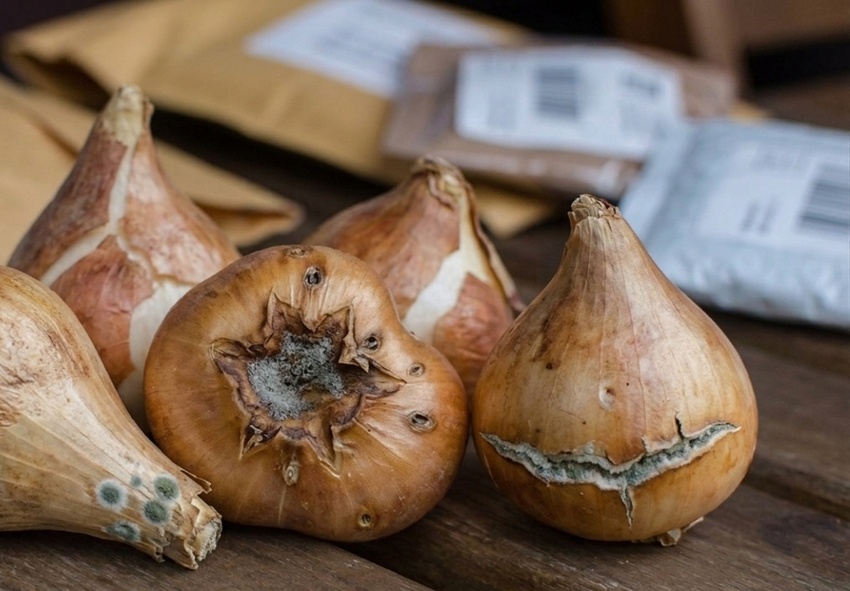
The decision depends on the severity and extent of the problem:
- Minor Surface Damage: Small dry scratches, slight bruising and loose outer scales are often not serious. The bulb can be kept dry and well ventilated while the damaged area is monitored. If the tissue remains firm and no mold or rot develops, the bulb may usually be planted normally.
- Slight Drying and Loose Outer Scales: Mild dehydration is not always fatal. A bulb that remains firm may still have enough reserves for successful growth. Do not soak severely dried bulbs for long periods without understanding the cause of the problem. Excess moisture can create additional risks, especially if the bulb already has damaged tissue. Instead, store the bulb in appropriate conditions and plant it according to the recommended schedule.
- Serious Rot and Diseased Tissue: Bulbs with extensive soft rot, spreading mold, deep deterioration or a strong rotten smell should not normally be planted. Trying to save a severely damaged bulb can put other planting material at risk. If only a small damaged section is affected and the rest of the bulb remains completely firm, careful removal of the damaged tissue may sometimes be possible.
When It Is Better to Contact the Seller
If the bulbs arrive with extensive damage, serious rot or a condition that clearly does not correspond to the expected quality, contact the seller promptly. Do not immediately discard questionable planting material if you may need to provide evidence of its condition. Keep the bulbs separate and document the problem clearly.
What to Do After Receiving Tulip Bulbs by Post
The first few steps after delivery can help prevent further deterioration. A prompt and careful inspection also makes it easier to separate healthy planting material from bulbs that require additional attention.
Inspecting and Sorting the Delivery
Open the package and inspect the bulbs as soon as reasonably possible. Sort them into three groups: healthy bulbs, bulbs requiring observation and clearly damaged or diseased bulbs. Healthy bulbs should not be stored together with suspicious material. Even if only one bulb appears affected, separation is a sensible precaution.
Recording Problems with Photos
If you notice significant damage, take clear photographs showing the overall delivery and close-up images of the affected bulbs. It is useful to photograph the packaging as well if it appears damaged or excessively wet. Keep any relevant order information and delivery documentation until the situation has been resolved.
Contacting the Seller About Substandard Planting Material
When contacting the seller, provide a clear description of the issue and attach relevant photographs. Explain whether the problem affects one bulb or a significant part of the delivery. A professional seller can help determine whether the issue is a normal consequence of transportation or a genuine quality problem. Prompt communication also makes it easier to resolve questions about replacement or other appropriate solutions.
How to Store Tulip Bulbs Before Planting
If the bulbs are healthy but cannot be planted immediately, storage conditions become important. Even high-quality bulbs can lose their vitality if they are exposed to excessive moisture, heat or poor air circulation before planting.
Choosing the Right Temperature
Tulip bulbs should be kept in a cool, dry place appropriate for their stage of development. Avoid locations with extreme heat, sudden temperature fluctuations or direct sunlight. The exact temperature requirements may vary depending on the season and planting schedule, but the main goal is to prevent premature growth and excessive moisture accumulation.
Providing Good Ventilation
Good air circulation helps reduce the risk of mold and condensation. Bulbs should not be sealed in airtight plastic bags unless the packaging is specifically designed for appropriate storage. Paper bags, mesh containers or ventilated boxes are generally more suitable for temporary storage.
Protecting Bulbs from Moisture and Rot
Moisture is one of the main threats to stored tulip bulbs. Do not store them in damp basements, wet garden sheds or containers where condensation can accumulate. At the same time, extremely dry conditions can cause excessive dehydration. The ideal environment is cool, dry and well ventilated, with protection from direct sunlight and sudden environmental changes.
How to Prevent Problems Before Ordering Tulip Bulbs
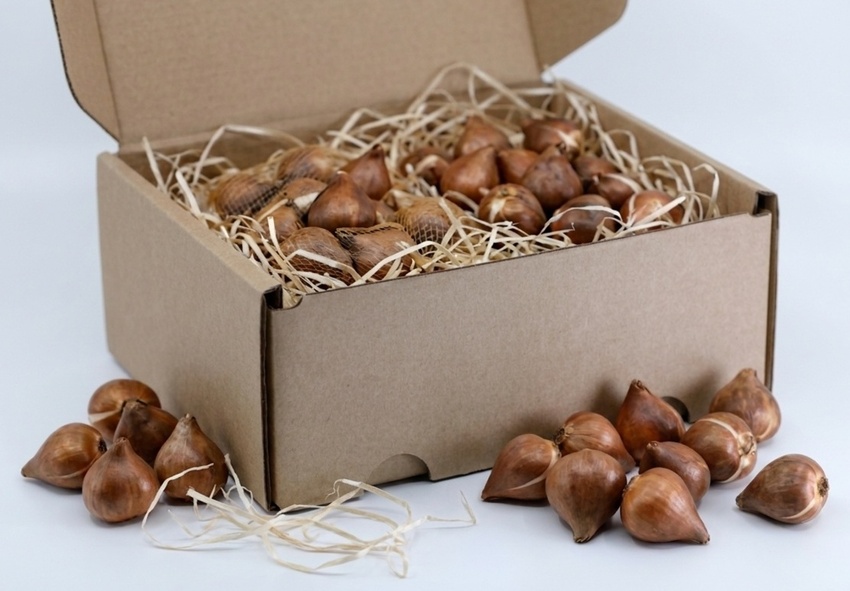
The quality of the planting material depends not only on what happens during transportation but also on the source from which it is purchased. Choosing a reliable supplier and checking the available information before ordering can significantly reduce the risk of receiving unsuitable planting material.
Choosing a Reliable Supplier
A reliable supplier should provide clear information about the variety, bulb size and expected delivery period. Professional handling and suitable storage before dispatch can significantly reduce the risk of problems. It is also useful to check the supplier’s terms regarding damaged or substandard planting material before placing an order.
Why Professional Planting Material Matters
Professional planting material is usually graded according to established quality standards and selected for its ability to produce reliable growth. This does not mean that every bulb will be identical or completely free from minor cosmetic imperfections. However, healthy, properly stored bulbs provide a stronger foundation for successful cultivation.
Checking the Variety and Bulb Size
Before ordering, check that the selected variety and bulb size correspond to your growing goals. Larger bulbs may be preferable for forcing or premium flowering, while standard sizes can be practical for landscaping and large-scale planting.
The variety also affects the natural appearance of the bulb, its flowering period and its growth characteristics. Understanding these differences helps you assess the delivered planting material more accurately.
Conclusion
Knowing how to distinguish a healthy tulip bulb from a diseased or seriously damaged one is an important skill for anyone who orders planting material by post. Minor wrinkles, loose outer scales or small superficial marks may be normal after transportation, while softness, spreading mold, deep rot and unpleasant odours require much more attention.
The most important steps are to inspect the bulbs promptly, separate suspicious material, document serious problems and contact the seller when necessary. Healthy bulbs should then be stored in cool, dry and well-ventilated conditions until planting.
With careful inspection and proper storage, gardeners can protect their investment, avoid introducing diseased material into the garden and give their tulips the best possible start for the coming growing season!
Frequently Asked Questions (FAQs) about Checking Tulip Bulbs
1. How can I tell if a tulip bulb is healthy after receiving it by post?
A healthy tulip bulb should feel firm and dense, without extensive soft spots, wet rot or a strong unpleasant odour. The outer papery skin may be slightly loose or wrinkled after transportation, which is usually normal. Small superficial scratches are not necessarily dangerous either. Always inspect the bulb beneath the outer scales, as serious problems may not be visible on the surface.
2. Can a tulip bulb with mould still be planted?
It depends on the extent of the mould. A small amount of superficial dry mould may sometimes be removed carefully if the bulb underneath remains firm and healthy. However, bulbs with spreading mould, soft tissue, deep discolouration or an unpleasant smell should not normally be planted. Suspicious bulbs should always be separated from healthy planting material to prevent potential problems from spreading.
3. What should I do if tulip bulbs arrive damaged by post?
First, inspect the entire delivery and separate damaged bulbs from healthy ones. Take clear photographs of the bulbs, packaging and any visible defects before discarding anything. Then contact the seller promptly and describe the problem in detail. Clear evidence can help determine whether the damage occurred during transportation or whether the planting material was already substandard before dispatch.
4. Can I order tulip bulbs from your online store?
Yes, you can order a wide selection of tulip bulbs from our online store Dutch-bulbs.com, including different varieties, colours, flowering periods and bulb sizes. The available planting material can be suitable for private gardens, landscaping, containers and other growing projects. When your order arrives, inspect the bulbs promptly and store healthy planting material correctly until the recommended planting time.
5. How should I store healthy tulip bulbs before planting?
Healthy tulip bulbs should be kept in a cool, dry and well-ventilated place away from direct sunlight and excessive moisture. Paper bags, mesh bags or ventilated boxes are generally more suitable than airtight plastic packaging. Avoid storing bulbs in damp or overheated locations, as condensation, mould and excessive dehydration can all reduce the quality of the planting material before it is planted.
Published: 23.07.2026