



Forcing tulips to bloom by March 8 (International Women’s Day) has become a popular practice among both professional flower growers and home gardeners. A bouquet of fresh tulips at the beginning of March is a classic symbol of spring, making early flowering highly desirable. However, successful forcing depends on much more than simply planting bulbs indoors. Choosing the right variety is one of the most important factors in achieving strong stems, healthy buds, and flowers that open exactly when expected.
This guide is intended for gardeners, hobby growers, and commercial producers who want reliable results when forcing tulips. While many tulip varieties are beautiful in the garden, only certain cultivars consistently perform well under controlled conditions. Characteristics such as flowering time, stem strength, bud size, and resistance to stretching all influence whether a variety is suitable for early flowering.
Below, you’ll learn why variety selection matters, how forcing differs between home and professional production, and which ten tulip varieties have earned an excellent reputation for dependable March flowering. Our gardening blog is a perfect place to find any information you need!
Why Not Every Tulip Variety Is Suitable for Forcing
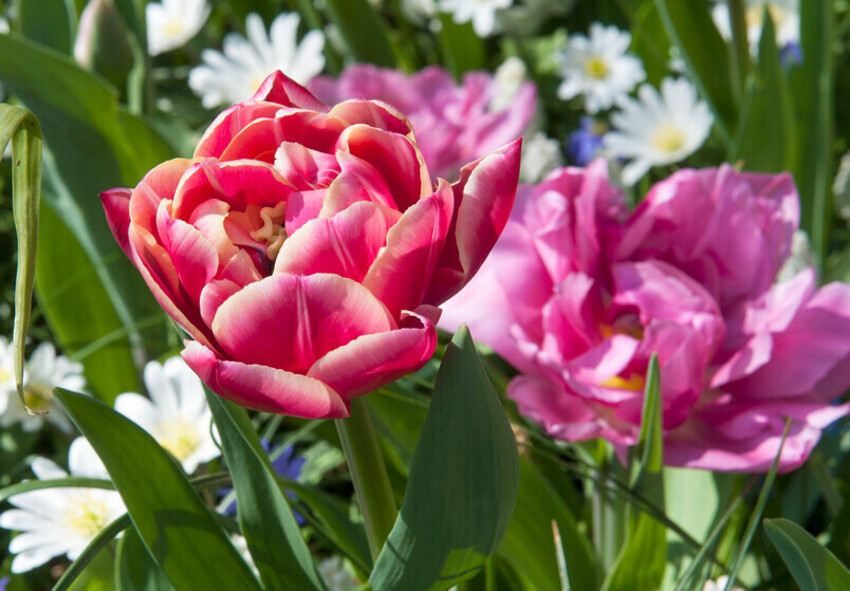
Although hundreds of tulip varieties are available today, only a relatively small number are recommended for forcing. Early flowering requires bulbs that respond predictably to cooling and warming periods while producing sturdy stems and well-formed flowers under indoor conditions.
What Makes a Tulip Ideal for Early Forcing?
Successful forcing begins with choosing varieties that naturally perform well under controlled conditions. Tulips intended for March flowering must develop quickly after their cooling period while maintaining excellent flower quality. The best forcing varieties usually share several important characteristics:
- They flower reliably after the required chilling period.
- They produce strong, upright stems that resist bending.
- They develop large, attractive flower buds.
- They maintain compact growth without excessive stretching indoors.
- They bloom uniformly, making them suitable for both home displays and commercial production.
When these qualities are combined, growers have a much greater chance of achieving beautiful flowers that open exactly on schedule.
Home Forcing vs. Professional Greenhouse Production
The basic principles of forcing are similar whether tulips are grown at home or in a commercial greenhouse. In both cases, tulip bulbs first undergo a carefully controlled cold period that mimics natural winter conditions before being moved into warmth to stimulate flowering.
Professional growers benefit from precise control over temperature, humidity, and lighting, allowing them to schedule flowering with remarkable accuracy. Home gardeners can also achieve excellent results, although maintaining stable conditions requires a little more attention. Regardless of the growing environment, selecting proven forcing varieties greatly improves the likelihood of success.
Why Variety Selection Determines Success
Even perfect growing conditions cannot fully compensate for choosing an unsuitable variety. Some tulips naturally bloom too late, produce weak stems, or fail to develop consistently during forcing.
Professional growers rely on varieties that have demonstrated stable performance over many years because predictable flowering is essential when supplying flowers for holidays and special occasions. For home gardeners, choosing reliable cultivars reduces disappointment and makes the forcing process much easier to manage.
Top 10 Tulip Varieties for March 8 Forcing
The following varieties are widely recognized for their dependable performance during early forcing. They combine attractive flowers with strong stems and consistent blooming, making them excellent choices for achieving beautiful tulips by early March.
Strong Love
Tulip Strong Love is one of the most popular red tulips used for commercial forcing thanks to its dependable flowering and elegant appearance. Its rich crimson blooms and sturdy stems make it suitable for both bouquets and decorative containers. This variety responds well to controlled forcing schedules and consistently produces high-quality flowers with excellent uniformity.
Key characteristics:
- Color: deep crimson red.
- Flower shape: classic goblet-shaped bloom.
- Average height: 45–55 cm.
- Suitability for forcing: excellent for early March flowering.
- Main advantage: exceptionally strong stems with reliable, uniform blooms.
Dow Jones
Tulip Dow Jones offers an attractive combination of red petals edged with creamy white, giving each bloom a striking two-tone appearance. Its balanced growth and reliable flowering have made it a favorite among commercial growers. The strong stems hold the flowers upright, making this variety especially suitable for cut flower production.
Key characteristics:
- Color: red with creamy white margins.
- Flower shape: traditional goblet.
- Average height: 45–50 cm.
- Suitability for forcing: excellent.
- Main advantage: eye-catching bicolor flowers with sturdy stems.
Pink Impression

Tulip Pink Impression is admired for its large flowers and soft pink coloring. It creates an elegant spring display while maintaining good stem strength throughout the forcing process. Although often appreciated in garden plantings, it also performs remarkably well indoors when grown from high-quality bulbs.
Key characteristics:
- Color: bright pink with lighter tones.
- Flower shape: large classic tulip bloom.
- Average height: 45–60 cm.
- Suitability for forcing: highly suitable for early forcing.
- Main advantage: large flowers combined with vigorous growth.
Lalibela
Tulip Lalibela produces brilliant scarlet-red blooms that retain their vibrant color throughout the flowering period. The flowers open evenly and maintain an attractive shape, making the variety highly valued for professional production. Its dependable performance under forcing conditions has contributed to its growing popularity among tulip growers.
Key characteristics:
- Color: vivid scarlet red.
- Flower shape: elegant cup-shaped bloom.
- Average height: 45–55 cm.
- Suitability for forcing: very good.
- Main advantage: reliable flowering with intense coloration.
Sunny Prince
Tulip Sunny Prince brings cheerful yellow blooms that symbolize the arrival of spring. Its compact yet sturdy growth habit makes it particularly suitable for indoor forcing where stable stems are essential. The bright flowers combine beautifully with red, pink, and purple varieties in mixed bouquets prepared for March celebrations.
Key characteristics:
- Color: bright golden yellow.
- Flower shape: classic tulip cup.
- Average height: 35–45 cm.
- Suitability for forcing: excellent for early flowering.
- Main advantage: compact growth with vivid, long-lasting blooms.
Purple Prince
Tulip Purple Prince is one of the earliest tulips available for forcing and has become a standard choice for growers aiming for blooms by early March. Its rich purple flowers appear consistently and develop on compact, sturdy stems. Because it flowers early and evenly, Purple Prince is particularly suitable for growers who require precise flowering schedules.
Key characteristics:
- Color: deep royal purple.
- Flower shape: elegant cup-shaped bloom.
- Average height: 35–45 cm.
- Suitability for forcing: outstanding.
- Main advantage: one of the most reliable early-forcing varieties available.
Ronaldo
Tulip Ronaldo stands out with its deep burgundy-purple blooms that create an elegant and luxurious appearance. Its rich coloration makes it highly desirable for premium bouquets and sophisticated spring arrangements. The variety performs consistently during forcing, producing strong stems and large, well-formed flowers with excellent vase life.
Key characteristics:
- Color: dark burgundy-purple.
- Flower shape: classic goblet.
- Average height: 45–50 cm.
- Suitability for forcing: very good.
- Main advantage: dramatic color combined with dependable flowering.
Alibi
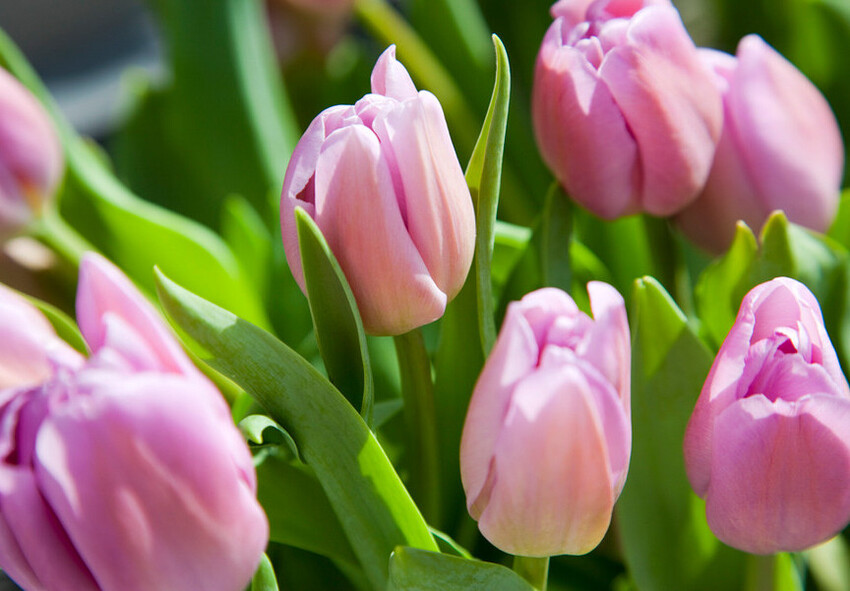
Tulip Alibi is a dependable Triumph tulip known for its vibrant lilac-purple flowers and excellent uniformity during forcing. It develops strong stems that remain upright throughout the flowering period, making it a favorite for both commercial growers and home gardeners seeking reliable early blooms. Its elegant color pairs beautifully with white, pink, and yellow tulips in spring arrangements.
Key characteristics:
- Color: bright lilac-purple.
- Flower shape: classic goblet.
- Average height: 40–50 cm.
- Suitability for forcing: excellent for early March flowering.
- Main advantage: uniform flowering with strong, stable stems.
Columbus
Tulip Columbus is admired for its double peony-like flowers, which create a fuller and more romantic appearance than traditional tulips. Its pink-and-white blooms make it especially popular for holiday bouquets and decorative indoor displays. Although double tulips generally require careful growing conditions, Columbus performs remarkably well when high-quality bulbs are used for forcing.
Key characteristics:
- Color: pink with creamy white highlights.
- Flower shape: double, peony-flowered.
- Average height: 35–45 cm.
- Suitability for forcing: very good.
- Main advantage: luxurious double blooms with outstanding decorative value.
Foxtrot
Tulip Foxtrot is another beautiful double tulip that has become increasingly popular for early forcing. Its soft pink blossoms gradually open into lush, layered flowers that resemble miniature peonies. The compact growth habit and elegant flowers make Foxtrot an excellent choice for pots, gift arrangements, and premium cut flower production.
Key characteristics:
- Color: delicate soft pink.
- Flower shape: double, peony-style bloom.
- Average height: 30–40 cm.
- Suitability for forcing: excellent.
- Main advantage: compact plants with long-lasting double flowers.
How to Choose the Best Tulip Bulbs for Forcing
Even the finest tulip variety cannot perform well if the bulbs are of poor quality. Professional growers place great emphasis on selecting healthy, properly matured bulbs because their size and condition directly influence stem strength, flower quality, and flowering reliability.
Why Bulb Size Matters
Large bulbs contain greater nutrient reserves, allowing the developing plant to produce stronger stems and larger flower buds. For forcing, growers typically select bulbs that meet professional grading standards, as these have accumulated sufficient energy during the previous growing season.
Smaller bulbs may still flower, but they often produce shorter stems, smaller blooms, or less uniform results. Choosing premium-sized bulbs greatly increases the likelihood of successful forcing and improves consistency across an entire planting. Healthy bulbs should also feel firm, have intact protective skins, and show no signs of mold, soft spots, or mechanical damage.
The Benefits of Professional-Quality Planting Stock
Professional planting stock is carefully grown, harvested, graded, and stored under controlled conditions before reaching the customer. This attention to quality helps ensure that bulbs respond predictably during the forcing process.
Certified professional bulbs also offer several important advantages:
- More uniform flowering times.
- Stronger stems suitable for cutting.
- Larger, better-developed flower buds.
- Reduced risk of diseases and storage damage.
- Higher overall success rates during forcing.
Purchasing bulbs from reputable suppliers provides confidence that the planting material has been selected specifically for reliable performance.
When to Order Bulbs for the Best Selection
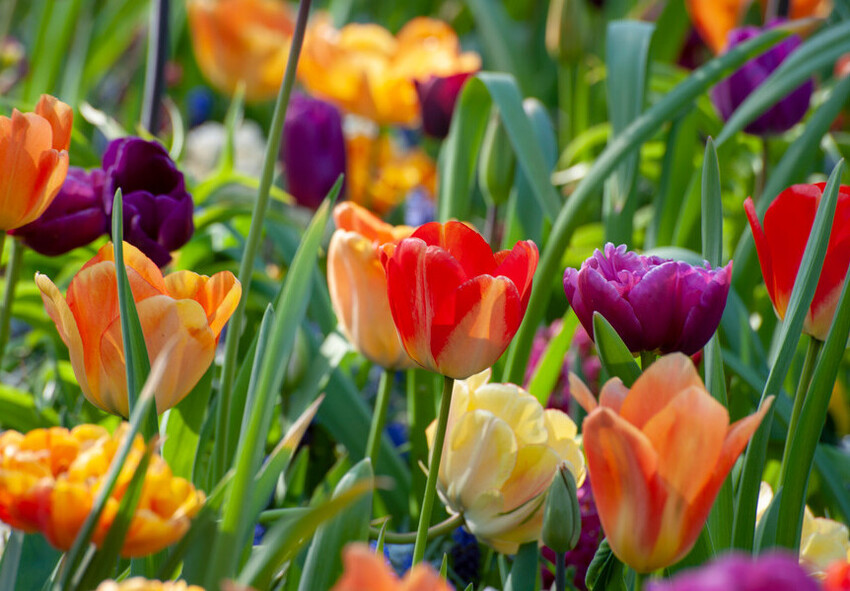
The most desirable forcing varieties often sell out well before the planting season begins. Ordering bulbs during late spring or summer, when suppliers first release their new collections, provides access to the widest range of varieties and premium bulb sizes.
Early ordering also allows growers to plan their forcing schedules more accurately and secure sufficient quantities of popular cultivars before availability becomes limited. Whether growing a few pots at home or preparing hundreds of flowers for commercial production, advance planning is one of the simplest ways to improve success.
Conclusion
Forcing tulips to bloom in time for March 8 combines careful planning with the selection of proven varieties. While proper cooling, temperature management, and cultivation techniques all contribute to success, choosing the right cultivar remains one of the most important decisions.
Varieties such as Strong Love, Pink Impression, Dow Jones, Lalibela, Sunny Prince, Alibi, Purple Prince, Ronaldo, Columbus, and Foxtrot have earned their reputation through reliable performance, attractive flowers, and excellent suitability for early forcing. Their combination of sturdy stems, beautiful blooms, and predictable flowering makes them excellent choices for both professional growers and home gardeners.
Finally, investing in large, healthy, professional-quality bulbs and placing orders early helps ensure access to the best planting stock. With thoughtful preparation and reliable varieties, growers can enjoy vibrant tulips that bloom beautifully just in time for one of spring’s most celebrated occasions!
Frequently Asked Questions (FAQs) about Forcing Tulips
1. What makes a tulip variety suitable for forcing?
The best tulip varieties for forcing combine early flowering, strong stems, large flower buds, and resistance to stretching under indoor conditions. These characteristics allow the plants to bloom uniformly after the required cooling period and produce high-quality flowers. Professional growers typically select varieties that have been tested extensively for reliable performance, ensuring consistent flowering for both commercial production and home cultivation.
2. Can I order tulip bulbs for March 8 from your online store?
Yes, you can order high-quality tulip bulbs for March 8 from our online store Dutch-bulbs.com, including reliable varieties such as Strong Love, Pink Impression, Purple Prince, Ronaldo, Columbus, Foxtrot, and many others. We offer carefully selected planting stock in premium bulb sizes to help both home gardeners and commercial growers achieve healthy plants, strong stems, and beautiful blooms in time for the spring season.
3. When should I start forcing tulips for flowering by March 8?
The exact schedule depends on the variety, but most tulips require a cooling period of approximately 12 to 16 weeks before being moved into a warm, bright environment. To achieve blooms around March 8, bulbs are generally planted in autumn and carefully timed according to their individual forcing requirements. Planning ahead is essential for obtaining flowers at the desired date.
4. What bulb size is best for tulip forcing?
Large, professional-grade bulbs are always the best choice for forcing because they contain greater nutrient reserves. They produce stronger stems, larger flowers, and more uniform blooming than smaller bulbs. Healthy bulbs should be firm, free from mold or damage, and properly stored before planting. Choosing premium planting stock significantly increases the chances of successful flowering and high-quality blooms.
5. Can I force tulips successfully at home?
Yes, many tulip varieties can be forced successfully at home with careful attention to temperature, moisture, and the required chilling period. While professional greenhouses provide more precise environmental control, home gardeners can also enjoy excellent results by selecting proven forcing varieties and following recommended growing conditions. Patience and proper planning are the keys to achieving beautiful early spring flowers indoors.
Published: 16.07.2026