



Planting depth is one of the most important factors determining whether a newly planted peony develops into a vigorous, flowering plant. Unlike many bulbs and perennials that tolerate considerable variation in planting depth, peonies can react strongly when their growth eyes are positioned too far below or above the soil surface. A root that is planted incorrectly may survive, but it may flower poorly or take several years to establish.
The peony eye depth formula provides a practical way to think about planting depth by combining the recommended position of the eyes with local winter conditions, soil type and exposure. USDA hardiness zones are useful for understanding climate, but they should not be treated as a rigid mathematical formula that automatically gives one exact depth for every garden. Our gardening blog is a perfect place to find all the information you need!
Why Planting Depth Determines Peony Performance
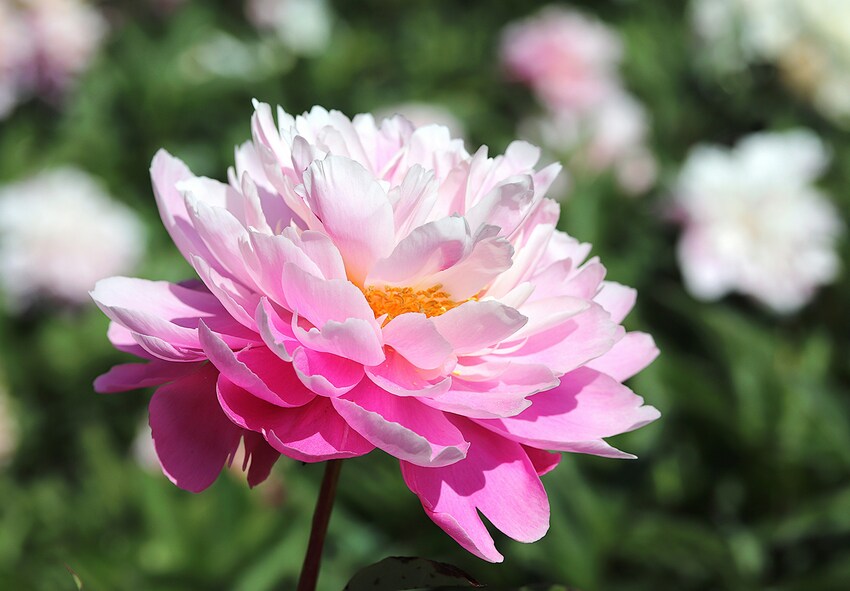
Peony eyes are the small buds on the crown or root division from which new stems emerge. Their position in relation to the soil surface affects how much energy they receive, how easily shoots can emerge in spring and how the plant responds to seasonal temperature changes.
If the eyes are planted too deeply, the shoots may struggle to reach the surface and the plant may produce abundant foliage but few or no flowers. If they are positioned too close to the surface, they can be exposed to temperature fluctuations, drying and physical damage.
Finding the correct balance is therefore essential when planting peony roots. The goal is not to bury the entire root deeply, but to place the eyes at an appropriate depth while allowing the developing root system to occupy the surrounding soil.
What Is a Peony Eye?
A peony eye is a dormant growth bud located on the crown or root division. It may look like a small pink, reddish or white bud and is the point from which the following season’s stems will develop.
When purchasing bare-root peonies, the number and condition of the eyes are important indicators of planting potential. A healthy division should have firm roots and several strong, undamaged eyes. These eyes should be clearly visible before planting so their final position can be measured accurately.
For herbaceous peonies, the eyes should generally sit only a few centimetres below the finished soil surface. This is very different from the way some gardeners plant other perennial roots, which is why accidentally burying a peony too deeply is such a common mistake.
Understanding USDA Hardiness Zones and Peony Planting
USDA hardiness zones divide regions according to average annual extreme minimum winter temperatures. They are primarily a tool for assessing whether plants are likely to survive winter conditions, but they can also provide useful context when deciding how to position peony roots. The zone does not, by itself, determine a precise planting depth. Instead, it helps gardeners understand the environmental conditions surrounding the root during winter and early spring.
How USDA Zones Affect Winter Conditions
In colder zones, winter temperatures can remain below freezing for extended periods, and the soil may freeze to considerable depth. Snow cover can provide additional insulation, but its presence and reliability vary from year to year.
In warmer zones, deep freezing is less common, but peonies can face different challenges. Mild winters may provide insufficient cold exposure for some varieties, while warm, wet soils can encourage premature growth or root problems. This means that planting decisions should take the local climate into account without assuming that colder automatically means deeper.
Why the Same Planting Depth Does Not Work Everywhere
A common misconception is that peony roots should simply be planted deeper in colder climates to protect them from frost. For herbaceous peonies, this is generally not the correct approach. Planting the eyes substantially deeper can interfere with flowering even when winter protection is needed.
Instead, gardeners in cold regions can use appropriate planting depth together with natural snow cover, a suitable planting location and a light protective mulch where necessary. In warmer regions, keeping the eyes at the correct shallow depth is equally important because excessive soil over the buds can contribute to poor flowering.
The peony eye depth formula should therefore be viewed as a framework: start with the standard depth and adjust the surrounding growing conditions rather than simply adding more soil over the eyes.
Soil Type, Drainage and Exposure as Additional Factors
USDA zone is only one part of the equation. Soil structure, drainage, sunlight and the position of the planting site can have an equally important effect on establishment. Heavy clay soil retains moisture and can remain cold and wet for long periods, while sandy soil drains quickly and may dry out around newly planted roots.
A sunny, well-drained position is generally preferable because peonies perform best when their roots remain evenly moist but are not exposed to prolonged waterlogging. The amount and type of mulch also matter. A thick layer of organic material placed directly over peony eyes can effectively increase their planting depth and should therefore be used carefully.
The Peony Eye Depth Formula
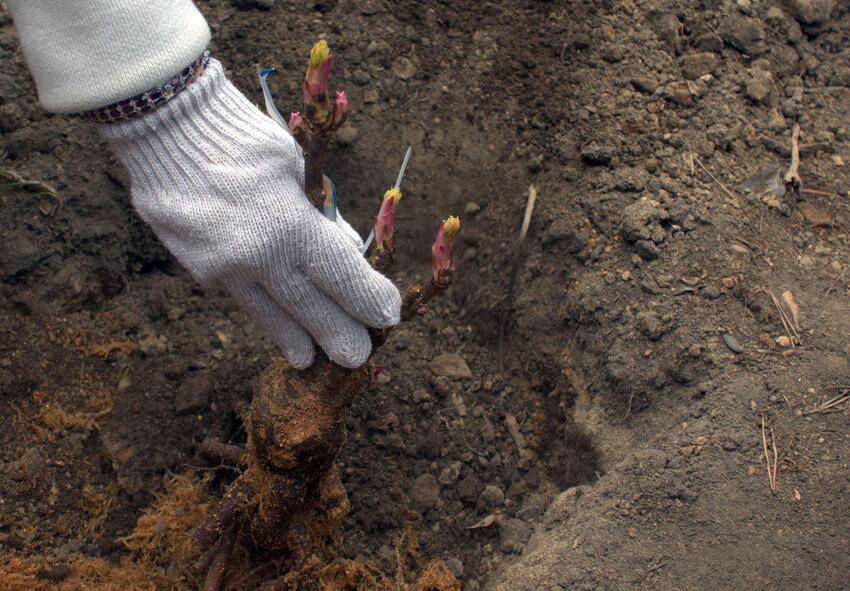
The simplest way to apply the peony eye depth formula is to begin with the standard planting depth recommended for the particular peony group and then consider the climate and soil conditions around it.
For most herbaceous peonies, the eyes should be positioned approximately 1–2 inches (2.5–5 cm) below the finished soil surface. This range is a starting point rather than an instruction to bury every root at exactly the same measurement.
The Standard Planting Depth for Herbaceous Peonies
For a typical bare-root herbaceous peony, the eyes should usually be covered with around 1–2 inches of soil. In many gardens, approximately 1.5 inches (4 cm) is a practical target. The exact position should be measured from the final soil surface rather than from the bottom of the planting hole.
The root itself may extend considerably deeper into the soil, but the eyes should remain relatively close to the surface. If a root division has several eyes positioned at slightly different heights, position the crown so that the majority of healthy eyes fall within the recommended range.
Adjusting Depth for Colder USDA Zones
Gardeners in USDA Zones 3–4 may be tempted to plant peonies much deeper because of severe winter temperatures. However, increasing the depth substantially is generally not the best way to protect herbaceous peony eyes from cold.
Instead, maintain the appropriate eye depth and focus on site selection and winter protection. A well-drained location, adequate snow cover and a modest layer of loose mulch after the ground has frozen can provide additional protection without burying the buds too deeply. In very cold areas, avoiding exposed, windy locations can be more useful than simply adding soil.
Adjusting Depth for Warmer USDA Zones
Warmer climates require particular attention because insufficient winter chilling can affect flowering in some peony varieties. Increasing planting depth does not solve this problem. In USDA Zones 7–8, gardeners should still avoid burying herbaceous peony eyes deeply.
Good drainage, morning sun or suitable exposure and careful variety selection may be more important than changing the standard depth. In marginal warm climates, gardeners should choose varieties suited to the local conditions and understand that some traditional peonies may flower less reliably.
How to Measure Depth Correctly
The most common measurement mistake is measuring from the bottom of the planting hole rather than from the final soil surface. The correct reference point is the level the soil will reach after the root has been planted and the soil has settled.
Place the root in the hole, position the eyes upward and use a ruler to measure the distance between the top of the eyes and the intended soil surface. Adjust the root before backfilling rather than trying to estimate the depth afterward. Remember that soil can settle after watering, so avoid leaving the eyes exactly at the surface simply because the initial measurement appears correct.
Recommended Peony Eye Depth by USDA Zone
The following framework can help gardeners adapt the standard planting recommendation to their climate. These ranges should be treated as practical guidance rather than a strict scientific conversion because soil, snow cover, drainage and cultivar characteristics can alter the ideal conditions.
- Peony eye depth formulaUSDA Zones 3–4: Cold-Winter Planting — Keep herbaceous peony eyes close to the standard 1–2 inch depth rather than planting them substantially deeper. Protect newly planted roots with appropriate winter mulch after the soil has cooled, particularly in exposed sites.
- Peony eye depth formulaUSDA Zones 5–6: Moderate Winter Conditions — A depth of approximately 1–2 inches is generally suitable for herbaceous peonies. These zones often provide a good balance between winter protection and reliable spring emergence, especially in well-drained soil.
- Peony eye depth formulaUSDA Zones 7–8: Warmer Climates — Avoid compensating for mild winters by planting eyes deeper. Keep them around the standard shallow depth and focus on drainage, suitable exposure and choosing varieties that can perform under the local climate.
- Peony eye depth formulaUSDA Zone 9 and Marginal Climates — Successful peony cultivation can be more challenging because winter chilling may be insufficient for many varieties. Planting depth should not be increased simply to compensate; cultivar selection and local growing conditions become especially important.
How Deep Should Different Peony Types Be Planted?
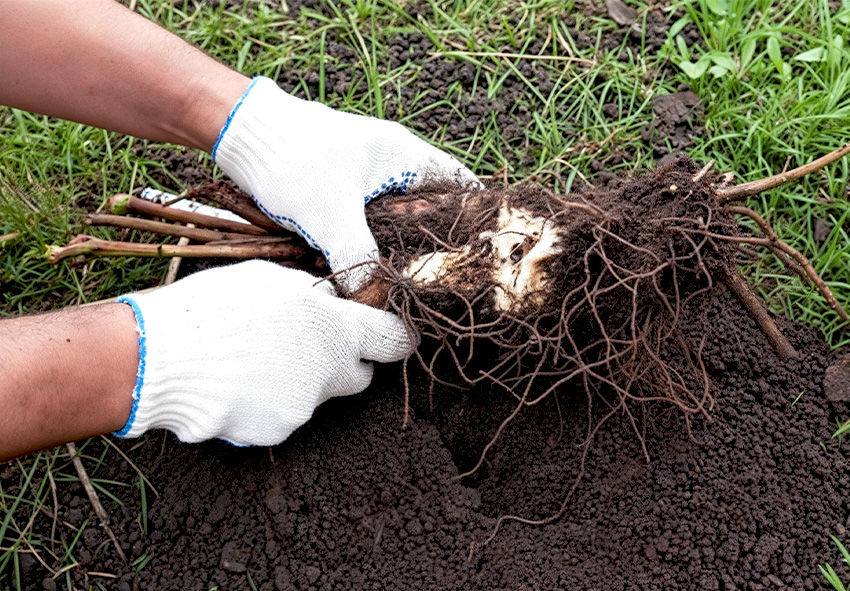
Not all peonies should be treated exactly alike. Herbaceous peonies, Itoh hybrids and tree peonies have different growth habits and structures, so their planting requirements also differ.
Herbaceous Peonies
Herbaceous peonies are the group most sensitive to planting depth. Their eyes should generally be covered by only around 1–2 inches of soil. Planting them deeper may encourage leaves at the expense of flowers. If a newly planted herbaceous peony produces healthy foliage but fails to bloom after becoming established, excessive planting depth should be one of the factors considered.
Itoh Hybrids
Itoh peonies combine characteristics of herbaceous and tree peonies, but their planting depth is generally closer to that of herbaceous peonies. The growth eyes should not be buried excessively deeply. When planting an Itoh root, position the eyes near the appropriate soil level while allowing the larger woody portions of the root to sit securely below the surface.
Tree Peonies
Tree peonies require a different approach because they form woody stems and may be grown as grafted or own-root plants. Their planting requirements depend partly on how the plant was propagated. For grafted tree peonies, deeper planting can encourage the grafted variety to develop its own roots, while own-root plants are positioned according to their existing root crown. The specific planting instructions supplied with the plant should therefore be followed rather than applying the herbaceous-peony depth automatically.
How to Check Whether a Peony Was Planted at the Correct Depth
Even when a peony was planted carefully, the soil can settle after watering or heavy rain. Checking the plant during its first growing season can help identify whether the eyes are positioned correctly and whether intervention is necessary.
Signs the Eyes Are Too Deep
The most obvious warning sign is a healthy-looking peony that produces plenty of foliage but consistently fails to flower after establishment. Very deep planting can also result in weak or delayed emergence in spring.
If a peony has been growing for several seasons and remains vigorous but rarely produces flower buds, excessive planting depth should be considered alongside other possible causes such as insufficient sunlight, immature plants or unsuitable growing conditions.
Signs the Eyes Are Too Shallow
Eyes positioned too close to the surface may become visible after soil erosion, heavy rain or settling. Exposed buds can dry out more quickly and may be vulnerable to temperature fluctuations or physical damage.
A shallowly planted root may also become unstable, particularly in loose soil. If the eyes are clearly sitting at the surface rather than being lightly covered, additional soil may be needed to restore the appropriate depth.
When and How to Correct Planting Depth
If a newly planted peony is obviously too deep or too shallow, it is better to correct the problem during the appropriate planting season rather than repeatedly adding or removing soil around an established crown.
For an established plant that consistently fails to bloom and is suspected of being too deep, lifting and replanting may be necessary. This should be done carefully because mature peony roots are brittle and can be damaged during transplantation.
When correcting the depth, measure from the final soil surface and position the eyes according to the requirements of the particular peony group. Avoid creating a deep depression around the crown where water can accumulate.
How Soil Conditions Change the Ideal Depth
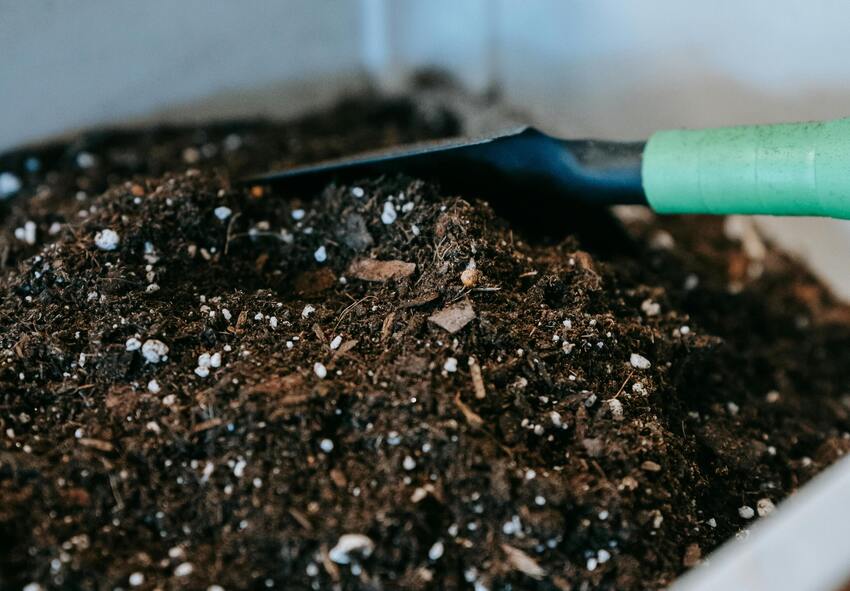
Soil conditions can influence how quickly water drains away, how stable the root environment remains and how easily new shoots emerge. This makes soil preparation an important part of the planting-depth decision.
Heavy Clay Soil
Heavy clay can hold water around the roots and remain compacted after rainfall. Instead of simply planting the root higher or shallower, improve the planting area by loosening the soil and increasing drainage. Raised planting areas can also be useful where natural drainage is poor. The goal is to create a stable root environment without leaving the eyes exposed.
Light Sandy Soil
Sandy soil drains quickly and may lose moisture rapidly during dry periods. Peonies planted in very sandy conditions can benefit from the addition of organic matter that improves moisture retention. However, this does not mean that the eyes should be buried deeper. The recommended eye position should remain close to the surface while the surrounding soil is improved.
Well-Drained Loamy Soil
Loamy soil with good drainage provides excellent conditions for peonies. It allows roots to access moisture and oxygen while preventing prolonged waterlogging. In this type of soil, following the standard planting depth is usually sufficient. Good soil structure also makes it easier to maintain the correct position of the eyes after planting.
Raised Beds and Containers
Raised beds can be particularly useful in gardens where drainage is poor. They allow gardeners to create a deeper zone of loose, fertile soil without relying on the existing ground conditions. Container-grown peonies require careful attention to both depth and drainage. The eyes should remain at the correct position relative to the soil surface, while the container must provide enough depth for the developing root system.
Conclusion
Correct planting depth is one of the simplest details that can have a major influence on long-term peony performance. Although USDA hardiness zones provide useful information about winter conditions, they should be combined with soil type, drainage, exposure and the specific characteristics of the peony being planted.
There is no universal mathematical equation that can convert a USDA zone into one exact peony planting depth. The same zone can contain gardens with very different soils, moisture levels, exposure and winter protection.
The real value of the peony eye depth formula is therefore its practical logic: start with the correct depth for the peony group, consider the local climate and soil, and then make small adjustments to the growing environment rather than burying the eyes excessively. Correctly positioned eyes give the plant the best foundation for vigorous growth, healthy roots and reliable flowering for many years!
Frequently Asked Questions (FAQs) about Peony Eye Depth Formula
1. How deep should peony eyes be planted?
For most herbaceous peonies, the eyes should be covered with approximately 1–2 inches (2.5–5 cm) of soil. Planting them substantially deeper can encourage vigorous foliage while reducing flowering. The correct depth should be measured from the final soil surface rather than the bottom of the planting hole. Soil type, climate and the specific peony group should also be considered.
2. Does USDA zone determine how deeply peonies should be planted?
USDA hardiness zones provide useful information about winter temperatures, but they do not determine one exact planting depth. Herbaceous peony eyes generally remain around 1–2 inches below the soil surface even in colder zones. Gardeners in USDA Zones 3–4 can use appropriate winter protection rather than planting the eyes excessively deeply, while warmer zones require attention to drainage and winter chilling.
3. Should Itoh peonies be planted at the same depth as herbaceous peonies?
Itoh peonies generally have planting requirements closer to herbaceous peonies than tree peonies. Their eyes should remain relatively close to the soil surface rather than being buried deeply. However, Itoh roots can have woody portions that sit below the eyes. Position the root carefully so the growth buds receive only a shallow covering of soil while the main root system remains securely planted.
4. Can I order peony roots from your online store?
Yes, you can order peony roots from our online store Dutch-bulbs.com, including herbaceous peonies, Itoh hybrids and other garden varieties. Healthy planting material with firm roots and strong eyes provides the best foundation for successful establishment. When choosing peonies, consider the variety, mature size, flowering period and suitability for your growing conditions to create a reliable and attractive garden display.
5. What happens if a peony is planted too deeply?
A peony planted too deeply may produce healthy leaves but fail to flower reliably. Excessive soil over the eyes can interfere with the emergence of new shoots and prevent flower buds from developing properly. If an established plant remains vigorous but repeatedly fails to bloom, planting depth should be checked along with sunlight, soil drainage, plant maturity and general growing conditions.
Published: 19.08.2026