



Tulips are among the most beloved spring flowers, bringing vibrant color and elegance to gardens after winter. Their blooms typically appear for a few weeks in spring, creating stunning displays that many gardeners look forward to each year.
A common question is whether tulips can continue blooming until fall. While individual tulip flowers naturally have a limited flowering period, there are several techniques that can help extend the visual impact of tulips in the garden for many months.
In this article, you’ll learn how the tulip blooming cycle works, which varieties provide the longest display, and the best planting and care strategies for creating a garden that remains colorful long after traditional tulip season has ended. Our gardening blog is a perfect place to find all the information you need!
Understanding the Tulip Blooming Cycle
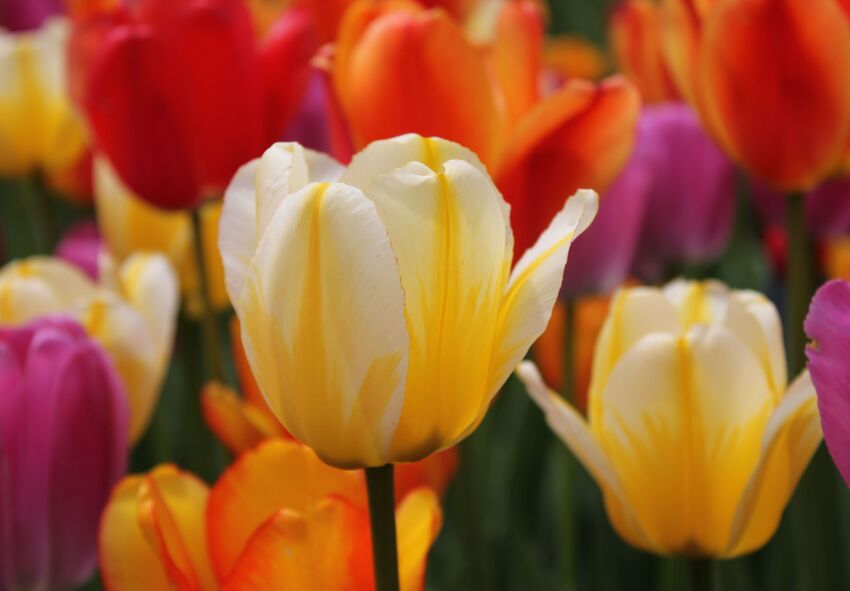
Understanding how tulips grow and flower is the first step toward extending their beauty in the landscape. Different tulip varieties bloom at different times, allowing gardeners to create a longer flowering season with careful planning. Several environmental factors also influence how long tulip blooms remain attractive in the garden.
When Tulips Normally Bloom
Most tulips bloom in spring, typically from March through May, depending on climate and variety. In cooler regions, flowering may occur slightly later, while warmer climates often experience earlier blooms. Individual flowers usually remain attractive for one to three weeks, although weather conditions can influence their longevity.
Early-, Mid-, and Late-Season Tulips
Tulips are commonly grouped according to their flowering period. Early-season varieties begin blooming in early spring, followed by mid-season tulips several weeks later. Late-season tulips bloom toward the end of spring and often extend the flowering season by several additional weeks. Combining these groups is one of the easiest ways to prolong garden color.
Factors That Affect Flowering Duration
Temperature is one of the most important factors affecting tulip bloom duration. Cool weather generally helps flowers last longer, while unusually warm conditions can shorten the display. Other factors include soil moisture, sunlight exposure, wind, and overall plant health. Proper care helps maximize flowering performance.
Why Tulip Blooms Fade Naturally
Tulip flowers are designed to bloom, attract pollinators, and eventually produce seeds. As part of their natural life cycle, blooms gradually fade and petals fall away. Once flowering ends, the plant shifts its energy toward strengthening the bulb for future growth. This process is essential for healthy blooms in subsequent seasons.
Can Tulips Bloom Until Fall?
Many gardeners hope to enjoy tulip flowers throughout the growing season. While tulips themselves do not naturally bloom continuously from spring until fall, there are creative ways to extend their presence in the garden. Careful variety selection and companion planting can create the appearance of ongoing tulip-inspired color for several months.
The Truth About Tulip Flowering Seasons
Individual tulip blooms cannot remain open from spring until fall. Most varieties flower for a limited period before entering their post-bloom growth phase, when knowing how to care for tulips after blooming is important. However, by planting a combination of early, mid-season, and late-flowering tulips, gardeners can significantly extend the overall tulip display within a single season.
How to Extend the Appearance of Tulip Blooms
One of the most effective strategies is to combine tulips with other flowering plants that emerge after tulips finish blooming. Summer annuals, perennials, and bulbs help fill gaps and maintain visual interest. This approach creates a seamless transition from spring tulips to summer and fall color without leaving empty spaces in the garden.
Using Successive Blooming Varieties
Successive planting involves selecting tulip varieties that bloom at different times. Early varieties begin flowering first, followed by mid-season and late-season cultivars. When planted together, these tulips provide weeks of continuous blooms instead of a single short flowering period. This technique is particularly useful in mixed borders and formal flower beds.
Choosing Tulip Varieties for a Longer Display
Selecting the right tulip varieties is one of the most important factors in extending flowering time. A carefully planned combination can provide color throughout much of the spring season. Different tulip groups also offer unique flower shapes, colors, and growth habits that enhance garden design.
Early-Flowering Tulips
Early-flowering tulips are among the first spring bulbs to bloom. They often flower shortly after crocuses and daffodils, bringing bright color to awakening gardens. Popular early varieties are ideal for containers, borders, and small garden spaces where early-season impact is desired.
Mid-Season Tulips
Mid-season tulips bridge the gap between early and late varieties. They provide a reliable display during the height of spring and often produce some of the most vibrant flower colors. These tulips are commonly used in large landscape plantings because of their consistent performance.
Late-Flowering Tulips
Late-flowering tulips extend the tulip season well into late spring. Their blooms often appear when many other spring bulbs have already finished flowering. Including several late varieties is an effective way to maximize the overall flowering period.
Parrot Tulips
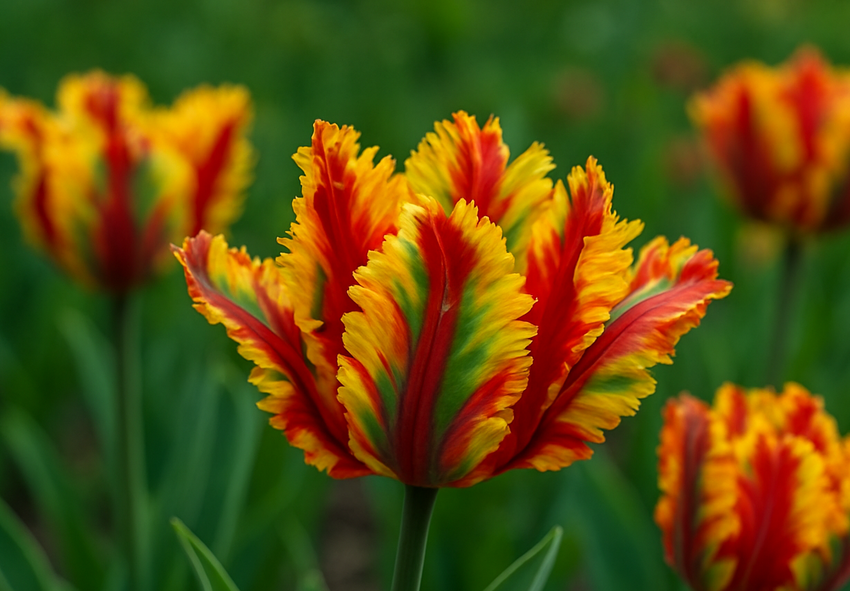
Parrot tulips are known for their dramatically ruffled petals and striking color combinations. Their unusual appearance makes them standout focal points in flower beds. Many parrot tulips bloom later in the season, helping extend the tulip display while adding unique texture.
Lily-Flowered Tulips
Lily-flowered tulips feature elegant, pointed petals that resemble true lilies. Their graceful shape adds sophistication to garden borders and container displays. These varieties typically bloom later in spring and pair beautifully with other late-season flowers.
Viridiflora Tulips
Viridiflora tulips are easily recognized by the green streaks that appear on their petals. Their unusual coloring provides long-lasting visual interest and complements many garden styles. These tulips often maintain attractive blooms for slightly longer than some traditional varieties.
Darwin Hybrid Tulips
Darwin Hybrid tulips are valued for their large flowers, sturdy stems, and excellent garden performance. They are among the most dependable tulips for perennial plantings. Their impressive blooms make them a favorite choice for gardeners seeking long-lasting spring displays.
Planting Strategies to Extend Tulip Flowering
Proper planting techniques can significantly influence the length and quality of your tulip display. Strategic bulb placement allows gardeners to enjoy blooms over a longer period. Planning ahead during planting season helps maximize both flowering duration and visual impact.
Layered Bulb Planting (Lasagna Method)
The lasagna planting method involves placing bulbs at different depths within the same container or planting area. Early-flowering bulbs are planted near the top, while later varieties are placed deeper. As a result, flowers emerge in succession, creating an extended display from a single planting location.
Planting Different Bloom Times Together
Combining early-, mid-, and late-season tulips in the same flower bed ensures continuous color throughout spring. As one group finishes blooming, another begins to open. This simple strategy is one of the most effective ways to prolong tulip flowering without increasing maintenance requirements.
Succession Planting Techniques
Succession planting focuses on creating overlapping waves of blooms through careful variety selection. Gardeners can plan combinations that flower one after another for many weeks. When paired with summer-blooming annuals and perennials, succession planting helps maintain attractive garden displays long after tulips finish flowering.
How to Keep Tulip Flowers Looking Fresh Longer
Even after tulips begin blooming, proper care can help flowers remain attractive for as long as possible. Small adjustments in maintenance often make a noticeable difference. The following practices help preserve flower quality and extend bloom duration.
Tips for prolonging tulip blooms include:
- Watering Tulips Properly: Provide consistent moisture during active growth, especially during dry spring weather. Avoid waterlogged soil, which can damage bulbs and roots.
- Protecting Flowers from Heat: Warm temperatures accelerate flower aging. Planting tulips in locations with some afternoon shade can help blooms last longer.
- Shielding Tulips from Strong Winds: Wind can damage petals and shorten flower life. Planting tulips near fences, shrubs, or other windbreaks provides additional protection.
- Mulching to Maintain Soil Moisture: Mulch helps regulate soil temperature and reduce moisture loss. Organic mulch also improves overall soil health.
- Preventing Premature Flower Drop: Maintaining consistent growing conditions and avoiding extreme stress helps flowers remain attached longer and preserve their appearance.
Growing Tulips in Containers for Extended Displays
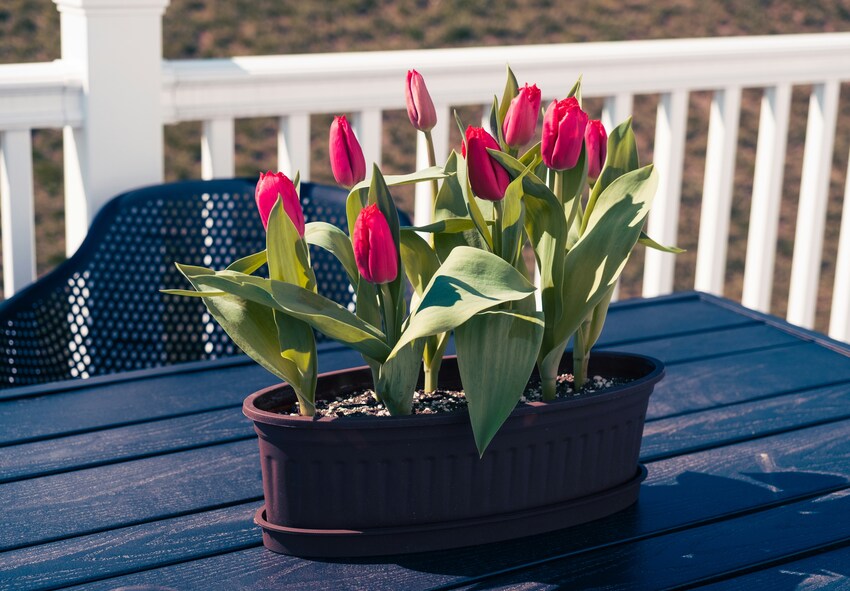
Container gardening offers unique opportunities for controlling bloom timing and extending seasonal interest. Potted tulips are easy to move and manage throughout the growing season. Containers also allow gardeners to experiment with different tulip combinations in limited spaces.
Benefits of Container Gardening
Growing tulips in containers provides greater control over soil quality, moisture levels, and placement. Containers can be positioned to highlight blooms when they are at their peak. This method is especially useful for patios, balconies, and small gardens.
Moving Containers to Control Bloom Time
Because containers are portable, gardeners can move them to slightly cooler or warmer locations to influence bloom development. This flexibility may help stagger flowering periods. Careful placement can also protect flowers from extreme weather conditions.
Protecting Potted Tulips from Weather Extremes
Container-grown tulips are more exposed to temperature fluctuations than bulbs planted in the ground. Providing shelter during unexpected heat or storms helps preserve flower quality. Regular watering is also essential because containers dry out more quickly.
Combining Tulips with Seasonal Annuals
Many gardeners plant annual flowers alongside tulips in containers. As tulip blooms fade, annuals begin filling the space with fresh color. This technique creates attractive displays that continue well beyond the traditional tulip season.
Conclusion
Although tulips naturally bloom for only a limited time in spring, there are many ways to extend their impact in the garden. By understanding the tulip blooming cycle and selecting a combination of early-, mid-, and late-season varieties, gardeners can enjoy weeks of continuous color rather than a short flowering period.
Planting strategies such as layered bulb planting, succession planting, and mixing different bloom times together help create a longer-lasting display. Proper care, including consistent watering, mulching, protection from heat, and shelter from strong winds, can also keep flowers looking fresh for as long as possible.
Container gardening provides even more flexibility by allowing gardeners to control growing conditions and move plants when needed. Combining tulips with seasonal annuals and other flowering plants ensures that garden beds and containers remain attractive long after tulip blooms have faded.
While tulips themselves cannot bloom continuously until fall, thoughtful planning can create the appearance of season-long color and interest. By pairing tulips with summer and autumn-flowering companions, gardeners can enjoy beautiful displays from early spring through the end of the growing season!
Frequently Asked Questions (FAQs) about Prolonging Tulip Flowering
1. Can tulips really bloom until fall?
Individual tulip flowers cannot bloom continuously from spring until fall because tulips naturally have a limited flowering period. However, gardeners can extend the overall display by planting early-, mid-, and late-season varieties together. Combining tulips with summer annuals and perennials also helps maintain colorful flower beds long after tulip blooms have faded.
2. Can I order tulip bulbs from your online store?
Yes, our online store Dutch-bulbs.com offers a wide selection of premium tulip bulbs, including early-, mid-, and late-flowering varieties. Whether you’re creating a spring display, planning succession planting, or designing a season-long flower garden, you’ll find high-quality tulip bulbs and companion plants to suit your landscape needs.
3. What tulip varieties bloom the longest?
Late-season tulips such as Viridiflora, Lily-Flowered, Parrot, and Darwin Hybrid tulips are often valued for their extended bloom period. While no tulip flowers for months at a time, planting a mix of varieties with different bloom times can provide continuous color throughout much of the spring season.
4. How can I make tulip flowers last longer in the garden?
To prolong tulip flowering, provide consistent moisture, protect blooms from extreme heat, and apply mulch to help retain soil moisture. Planting tulips in locations with some afternoon shade can also help. Healthy bulbs and proper growing conditions often result in longer-lasting flowers and stronger overall performance.
5. Should I cut back tulip leaves after flowering?
No, tulip foliage should remain in place until it naturally turns yellow and dies back. The leaves continue producing energy through photosynthesis, helping the bulb store nutrients for next year’s blooms. Removing foliage too early can weaken bulbs and reduce flowering performance in future growing seasons.
Published: 01.07.2026