



Spring is one of the busiest and most important periods in the gardening calendar. As temperatures begin to rise and the growing season gets underway, gardeners start preparing flower beds, borders, and ornamental plantings for the months ahead. One of the key tasks during this period is planting bulbous plants, which can provide spectacular displays of color throughout summer and early autumn.
This topic is especially relevant for gardeners and flower enthusiasts who are planning seasonal planting and want to choose the right bulbous plants for long-lasting and abundant flowering. Selecting suitable bulbs and planting them at the correct time can significantly influence the health, growth, and decorative value of the plants later in the season.
It is important to understand that not all bulbous plants are planted in spring. Many popular spring-flowering bulbs, such as tulips and daffodils, are planted in autumn. Spring planting is primarily reserved for heat-loving species that require warmer soil conditions and cannot survive winter outdoors in regions with cold climates. Understanding this distinction helps gardeners make informed decisions and achieve the best possible flowering results. Our gardening blog is a perfect place to find all the information you need!
Flower Bulbs to Plant in Spring
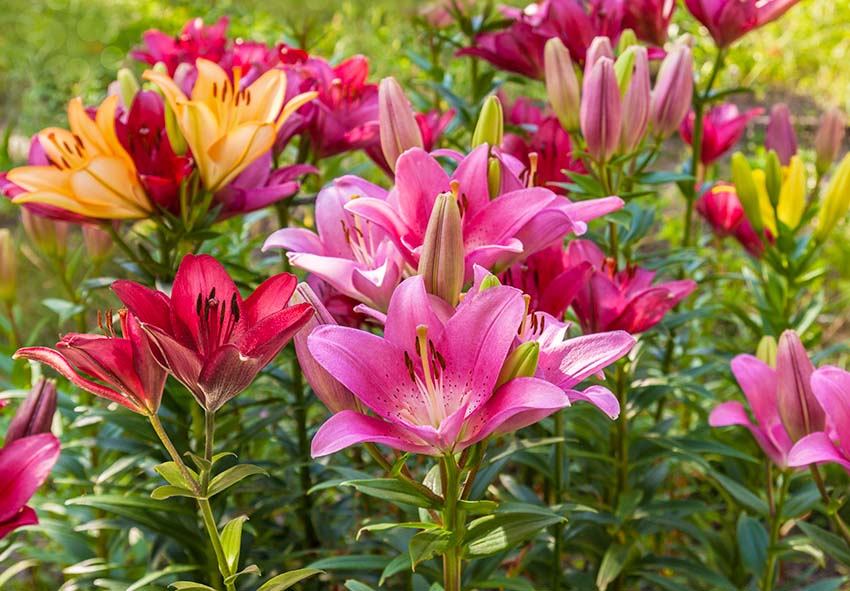
Spring planting is mainly intended for bulbous and tuberous plants that are sensitive to frost. These plants originate from warmer regions and require higher soil temperatures to establish successfully. Planting them in spring allows them to develop properly during the warm growing season and produce flowers at the peak of summer.
Among the best perennials planted in spring are:
- Dahlias, valued for their large, colorful flowers and long blooming period.
- Gladioli, known for their elegant flower spikes and wide range of vibrant colors.
- Begonias, particularly tuberous varieties that produce abundant blooms in beds and containers.
- Cannas, admired for their tropical appearance and striking foliage.
- Lilies, especially varieties that benefit from spring planting in cooler climates.
- Calla lilies, prized for their distinctive flowers and ornamental value.
- Freesias, appreciated for their fragrant blooms and delicate appearance.
These plants generally require warm soil and stable temperatures to begin active growth. If planted too early, they may suffer from cold damage, poor rooting, or delayed development. Spring planting ensures that bulbs and tubers can establish themselves under favorable conditions and build sufficient strength for flowering.
Many of these plants also have a relatively long growing season. By planting them in spring, gardeners provide enough time for root formation, stem development, and flower production before autumn arrives. This timing is essential for achieving healthy growth and maximizing ornamental value throughout the season.
The Best Time for Spring Planting
Choosing the correct planting time is essential for the successful establishment and flowering of spring-planted bulbs. Even high-quality planting material may struggle if it is planted in soil that is too cold or exposed to unfavorable weather conditions. Understanding the factors that influence planting time helps gardeners achieve healthier growth and more abundant blooms throughout the season.
Soil Temperature and Weather Conditions
The most reliable indicator for spring planting is soil temperature rather than a specific calendar date. Bulbous plants generally begin rooting more effectively once the soil has warmed sufficiently and remains consistently above freezing. In most regions, this occurs during mid to late spring, although local climate conditions can vary significantly.
Gardeners should also pay attention to weather forecasts before planting. Extended periods of cold rain or unexpected frosts can slow plant development and negatively affect newly planted bulbs. Waiting for stable conditions often leads to stronger root formation and better overall plant health.
The Importance of Avoiding Late Frosts
Many spring-planted bulbous plants are sensitive to low temperatures, particularly during the early stages of growth. Late frosts can damage emerging shoots, delay development, and in some cases permanently weaken the plants. This is especially true for heat-loving species such as dahlias, cannas, and begonias.
Allowing the risk of severe frost to pass before planting provides a safer environment for young plants. Once temperatures remain consistently mild, bulbs can establish themselves without the stress caused by sudden cold spells.
Consequences of Planting Too Early or Too Late
Incorrect planting timing can significantly affect future flowering performance. Bulbs planted too early may remain inactive in cold soil, making them more susceptible to rot and disease. Slow root development can also limit the plant’s ability to absorb water and nutrients effectively.
Planting too late may shorten the growing season and reduce flowering potential. Plants may not have enough time to establish strong roots and produce the vigorous growth necessary for abundant blooms. Choosing the right planting window allows bulbs to make full use of the growing season and reach their maximum decorative potential.
How to Prepare the Plot for Bulbous Plants
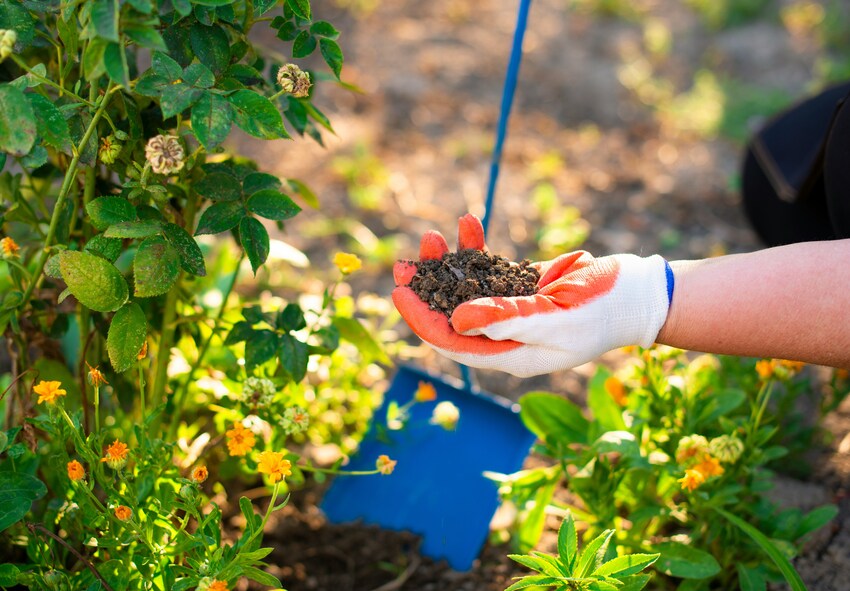
Proper site preparation creates the foundation for healthy bulb growth and successful flowering. Even the best-quality bulbs may fail to perform well if they are planted in unsuitable soil conditions. Investing time in preparing the planting area helps ensure stronger root systems, healthier plants, and more impressive floral displays.
Improving Soil Structure and Fertility
Bulbous plants thrive in loose, fertile soil that allows roots to expand freely. Before planting, the soil should be loosened thoroughly to improve aeration and encourage root penetration. Compacted soil can restrict growth and make it difficult for plants to access moisture and nutrients.
Adding organic materials such as compost or well-rotted manure can significantly improve soil quality. These amendments enrich the soil with nutrients while also enhancing its structure, creating favorable conditions for healthy plant development throughout the season.
Ensuring Good Drainage
Drainage is one of the most important factors in bulb cultivation. Excess moisture around bulbs can quickly lead to fungal diseases, root problems, and bulb rot. Heavy clay soils often require special attention because they tend to retain water for long periods.
Improving drainage may involve incorporating coarse sand, organic matter, or other soil conditioners. Creating raised beds can also help prevent water accumulation and provide a more suitable environment for sensitive bulbous plants.
Clearing and Preparing the Planting Area
A clean planting area reduces competition and allows bulbs to establish themselves more effectively. Before planting, all weeds, roots, stones, and plant debris should be removed from the site. Weeds compete for nutrients, moisture, and sunlight, potentially reducing plant vigor.
Preparing the area in advance also allows gardeners to level the soil surface and create uniform growing conditions. A well-prepared planting bed promotes even growth, simplifies maintenance, and contributes to a healthier and more attractive garden display.
Basic Rules for Planting and Initial Care
Successful bulb cultivation depends not only on selecting the right plants and preparing the soil but also on following correct planting techniques. Proper placement and early care play a major role in determining how well the plants establish themselves.
Several fundamental principles should be observed during planting:
- Plant bulbs at an appropriate depth based on their size and species requirements.
- Maintain sufficient spacing between plants to ensure good air circulation and healthy growth.
- Position bulbs with the growing point facing upward.
- Water thoroughly after planting to encourage root development.
- Avoid excessive watering that may cause bulbs to rot.
The first few weeks after planting are particularly important. During this period, bulbs focus much of their energy on establishing a strong root system. Adequate moisture is necessary, but overly wet soil can create unfavorable conditions and increase the risk of disease.
As growth begins, regular monitoring helps identify potential problems before they become serious. Maintaining moderate soil moisture, removing emerging weeds, and protecting young shoots from unexpected late frosts can all contribute to healthier plants.
Proper early care lays the foundation for vigorous growth and abundant flowering later in the season. Plants that establish strong roots are generally more resilient and better able to produce large, healthy blooms.
Concluson: Season Summary and Expected Flowering Results
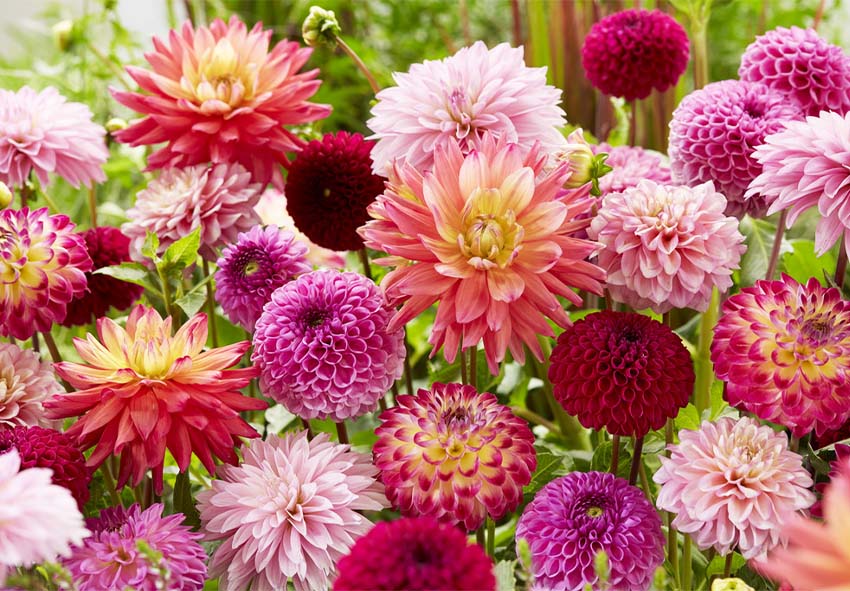
Spring planting provides an excellent opportunity to introduce color, diversity, and seasonal interest into the garden. By selecting suitable bulbous plants, planting them at the correct time, and providing appropriate care, gardeners can enjoy impressive displays throughout summer and early autumn.
Successful cultivation begins with understanding which bulbs are suitable for spring planting and why these heat-loving species require warmer conditions. Careful soil preparation, proper planting techniques, and consistent maintenance further improve the chances of achieving healthy growth and abundant flowering.
Gardeners should not hesitate to experiment with different species, colors, and flowering periods when planning their displays. Combining a variety of bulbous plants can create dynamic and visually striking compositions that evolve throughout the season. With thoughtful planning and attention to basic growing requirements, spring-planted bulbs can become one of the most rewarding features of any garden landscape!
Frequently Asked Questions (FAQs) about Spring Bulbs
1. Which flower bulbs are best suited for spring planting?
The best bulbs for spring planting are generally heat-loving species that cannot survive winter in cold climates. Popular choices include dahlias, gladioli, begonias, cannas, lilies, calla lilies, and freesias. These plants require warmer soil temperatures to establish healthy root systems and develop properly. When planted in spring under suitable conditions, they typically produce abundant blooms throughout summer and, in some cases, early autumn.
2. Can I order spring planting bulbs from your online store?
Yes, you can order a variety of spring planting bulbs from our online store Dutch-bulbs.com, including popular flowering plants such as dahlias, gladioli, lilies, begonias, cannas, calla lilies, and freesias. Our selection includes different colors, forms, and sizes to suit various garden styles. By ordering online, you can conveniently choose high-quality planting material and have it delivered in time for the spring planting season.
3. When is the ideal time to plant flower bulbs in spring?
The ideal planting time depends on local weather conditions and soil temperature rather than a specific calendar date. Most spring-planted bulbs should be placed in the ground once the soil has warmed and the danger of severe night frosts has passed. In many regions, this occurs between April and May. Planting during favorable conditions helps bulbs establish strong roots and encourages vigorous seasonal growth.
4. What happens if bulbs are planted too early in spring?
Planting bulbs too early can expose them to cold, wet soil and unexpected frosts. These conditions may slow root development, increase the risk of fungal diseases, and sometimes cause bulbs to rot before active growth begins. Sensitive species may also suffer damage to emerging shoots. Waiting until temperatures become consistently mild significantly improves the chances of healthy establishment and successful flowering later in the season.
5. How should I prepare the soil before planting spring bulbs?
Proper soil preparation is essential for healthy bulb growth. The planting area should be cleared of weeds and debris, while compacted soil should be loosened to improve drainage and root penetration. Incorporating compost or other organic matter can increase soil fertility and enhance its structure. Well-drained soil is particularly important because excessive moisture around bulbs can lead to rot and other serious growing problems.
Published: 11.06.2026