



Hyacinths are valued for their dense flower spikes, vivid colors and strong fragrance, but healthy plants can still be affected by insects and other garden pests. Some pests attack the foliage and flowers, while others target the bulbs or roots, where damage may remain unnoticed until the plant begins to decline.
Effective pest control for hyacinths starts with prevention and regular in spection. Identifying symptoms early makes it much easier to determine whether a plant can be treated or whether an affected bulb should be removed before the problem spreads. Our gardening blog is a perfect place to find all the information you need!
How Early Detection Protects Hyacinth Bulbs
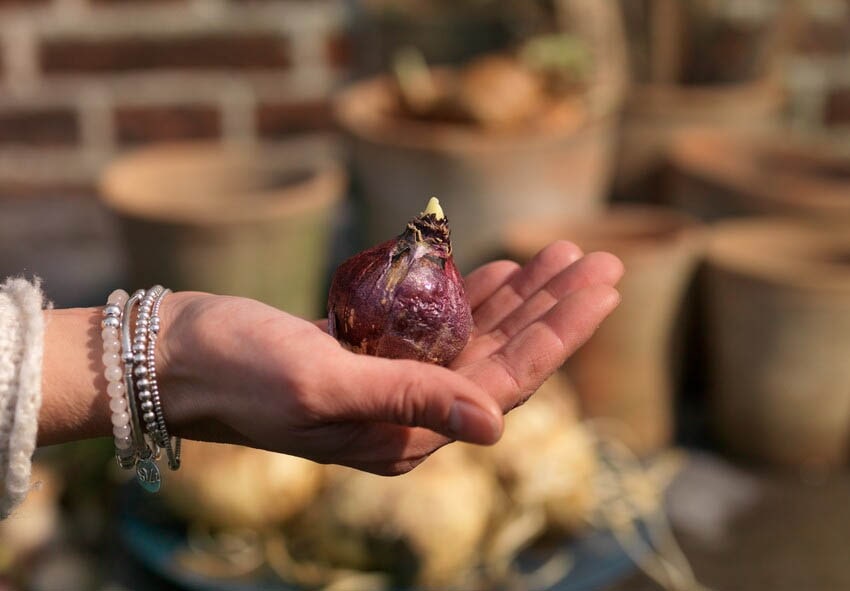
The earlier pest activity is discovered, the greater the chance of protecting both the individual hyacinth and nearby plants. Small infestations may often be managed before they cause significant damage to leaves, roots or bulbs.
Inspect hyacinths regularly during active growth, paying particular attention to distorted leaves, unusual discoloration, holes, sticky residue and weak development. When purchasing new planting material, inspect bulbs carefully before introducing them to your garden, as some pests can enter a collection through infested bulbs.
Bulb Mites: A Serious Threat to Hyacinths
Bulb mites are among the more concerning pests for bulbous plants because they can live around or inside damaged plant tissue and remain difficult to detect during an initial inspection. Infested hyacinths may show poor growth even when the problem is not immediately visible above ground. Because these pests are associated with bulbs and soil, prevention and careful selection of planting material are especially important.
How to Identify Bulb Mite Damage
Bulb mite damage can appear as weak, distorted or stunted growth. Leaves may emerge abnormally, and the plant may fail to develop a strong flower spike. In severe cases, the bulb becomes soft or deteriorates internally.
When an affected bulb is examined, unhealthy tissue may appear discolored or damaged rather than firm and clean. However, these symptoms can overlap with fungal or bacterial problems, so it is important not to assume that every damaged bulb contains mites.
Why Infested Bulbs Are Difficult to Save
Bulb pests are particularly problematic because treating visible foliage does not necessarily eliminate organisms protected within the bulb or surrounding soil. A plant may therefore continue to decline even after the leaves have been treated.
If a bulb is severely damaged, soft or showing extensive deterioration, removing it is often safer than trying to save it. Keeping severely affected material in the garden can increase the risk of spreading pests or secondary infections to other bulbs.
How to Prevent Bulb Mite Problems
Prevention begins with healthy planting material. Choose firm, undamaged hyacinth bulbs from a reliable supplier and inspect them before planting. Avoid bulbs with unexplained soft areas, extensive wounds or signs of decay.
Good garden hygiene also helps. Remove badly affected bulbs and plant debris, avoid unnecessary injuries during planting and maintain suitable drainage. Rotating bulb plantings can also reduce the opportunity for soil-associated problems to build up in one location.
Aphids and Thrips on Hyacinths
Aphids and thrips are smaller pests that can cause problems primarily on leaves, shoots and flowers. Unlike bulb mites, they are often easier to detect because they feed on visible plant tissues. Regular inspection is particularly useful during periods of active growth, when new leaves and flower stems provide attractive feeding sites.
Identifying Aphids
Aphids are small, soft-bodied insects that can occur in clusters on young leaves, stems or flower structures. They may be green, black, brown or other colors depending on the species.
Infested hyacinths can develop curled or distorted young growth. Aphids may also produce sticky honeydew, which can make leaves feel tacky and may encourage the development of sooty mold. A small population does not always cause serious damage, but rapidly increasing numbers should be addressed.
Recognizing Thrips Damage
Thrips are tiny insects that can be difficult to see without close inspection. Their feeding can leave silvery, pale or distorted areas on leaves and flowers. Flower petals may also become marked or lose their normal appearance.
Because thrips can hide in narrow spaces around flowers and young growth, infestations may be missed during a quick visual check. Inspect the undersides of leaves and developing flower structures when symptoms appear without an obvious explanation.
Safe Treatment Options
For light infestations, begin with lower-risk measures. A strong but gentle stream of water can dislodge some aphids from foliage, while severely affected plant parts can be removed where appropriate.
Insecticidal soaps or horticultural oils may also be useful against certain soft-bodied pests when applied according to their labels. Thorough coverage is important because these products generally work through direct contact rather than providing long-lasting protection inside the plant. Always verify that a product is suitable for the plant and pest you are treating.
When Repeated Treatment Is Necessary
One treatment may not be enough when pests have multiple generations or when eggs and protected individuals remain after the initial application. Monitor the plants after treatment and repeat applications only according to the product label.
Avoid automatically increasing the concentration. Stronger applications are not necessarily more effective and can cause plant injury. If pest numbers continue to increase despite reasonable treatment, reassess the identification and consider whether another pest or plant-health problem is responsible for the symptoms.
Slugs, Snails and Soil-Dwelling Pests
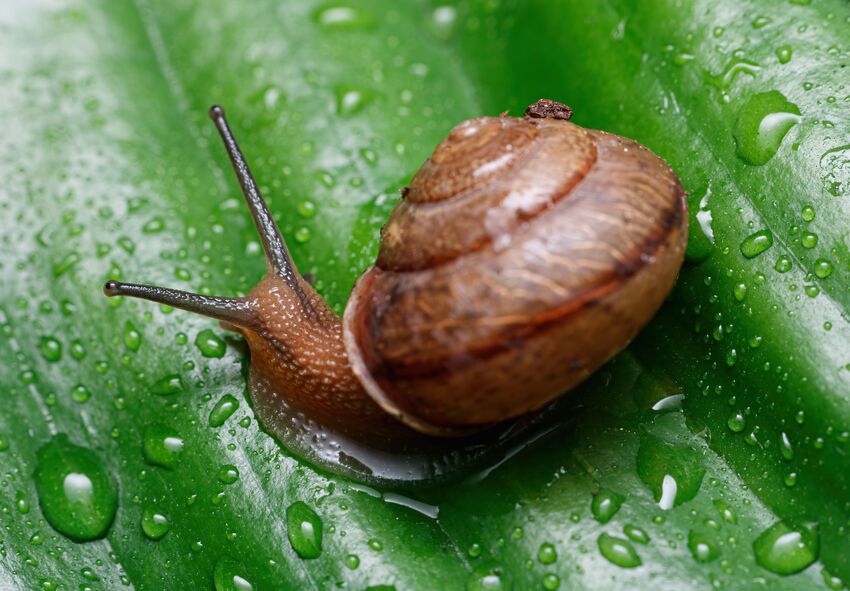
Hyacinths produce tender shoots that can attract slugs and snails, especially during cool, damp periods. These pests can damage emerging foliage before the plant has established enough growth to recover easily. Soil-dwelling organisms can also interact with bulbs and roots, making good cultivation practices an important part of overall pest prevention.
Protecting Emerging Shoots
Inspect new hyacinth shoots regularly, particularly after rainy weather. Irregular holes, ragged edges and missing sections of young foliage can indicate feeding by slugs or snails.
Removing hiding places around the plants can make the area less attractive to these pests. Watering in the morning rather than late in the evening can also help reduce prolonged nighttime moisture around the foliage.
Removing Hiding Places
Slugs and snails often shelter under boards, dense vegetation, stones, containers and accumulated plant debris. Removing unnecessary hiding places around hyacinths makes it easier to identify and control them.
Keep the planting area reasonably open and remove dead leaves and other organic debris that remains in contact with the soil. This improves visibility and can also contribute to better air circulation.
Barriers and Other Control Methods
Physical barriers can provide useful protection for small plantings. Certain coarse materials or commercially available barriers can make access to plants more difficult, although their effectiveness varies with weather and pest pressure.
Hand-picking is another practical option when only a few plants are affected. For larger infestations, use only control products that are legally registered and specifically labeled for the target pest and intended garden setting.
Natural and Chemical Pest Control
There is no single pest-control method that is appropriate for every hyacinth problem. The best approach depends on the pest, severity of the infestation and location of the plants. Whenever possible, begin with prevention and lower-risk techniques before considering stronger chemical interventions.
Manual Removal and Mechanical Protection
Manual removal is often sufficient for small numbers of visible pests. Aphids can sometimes be washed from foliage, while slugs and snails can be collected by hand.
Physical barriers, protective coverings and garden hygiene can also reduce pest access without applying pesticides. These methods are especially useful for gardeners who have only a small number of hyacinths to protect.
Beneficial Insects
Beneficial insects can contribute to natural pest management. Ladybirds, lacewings, hoverfly larvae and other predatory organisms can feed on aphids and help keep populations under control.
For this reason, avoid unnecessary broad-spectrum insecticide applications. Preserving beneficial insects can support a more balanced garden ecosystem and may reduce the need for repeated pest treatments.
Insecticidal Soap and Other Lower-Risk Treatments
Insecticidal soaps can be useful against some soft-bodied insects, particularly aphids, when the product is applied correctly. Horticultural oils may also be effective against certain pests.
These treatments must be used according to their labels because plant sensitivity, weather conditions and application rates matter. Avoid spraying during unsuitable weather or onto stressed plants if the label warns against it.
When a Registered Pesticide May Be Appropriate
Chemical control may be justified when an infestation is severe, spreading rapidly or difficult to manage through other methods. Correct pest identification should come before selecting a pesticide.
Use only products registered for the relevant use in your country and follow the label instructions for application, protective equipment, dosage and timing. Never assume that a product suitable for one ornamental plant or pest is automatically appropriate for hyacinths.
Preventing Hyacinth Pest Problems
The most effective pest control strategy begins before symptoms appear. Healthy bulbs, appropriate planting conditions and good garden hygiene can reduce the likelihood of serious infestations. Prevention is particularly important with bulb crops because some problems are difficult to detect once pests have entered the planting material.
Crop Rotation and Garden Hygiene
Avoid repeatedly planting susceptible bulbs in exactly the same location when pest or disease problems have occurred. Rotation can help reduce the buildup of certain soil-associated problems. Remove severely affected bulbs and plant debris rather than leaving them in the bed. Clean tools after working with visibly diseased or damaged material, particularly when moving between different planting areas.
Correct Planting and Drainage
Healthy growing conditions help hyacinths tolerate minor pest pressure. Planting Hyacinth bulbs at an appropriate depth in soil that drains efficiently is an important part of healthy plant development. Waterlogged soil can weaken bulbs and roots and may also increase the risk of secondary rot. Good drainage therefore supports both general plant health and pest management.
Avoiding Excessive Moisture
Excess moisture creates conditions that can favor bulb deterioration and fungal or bacterial problems. Hyacinths generally perform best when the soil remains moderately moist during active growth but does not remain saturated. Avoid routine watering when rainfall has already provided sufficient moisture. Check the soil before irrigating, particularly during cool or rainy periods.
Regular Inspection During the Growing Season
Make inspection part of normal garden care. Look at both sides of the leaves, the flower stems and the soil around the plants. Pay attention to sudden changes in growth, holes, discoloration, sticky deposits, distorted shoots and signs of chewing. Catching a small problem early is usually easier than trying to control a large infestation later.
What to Do If Hyacinths Are Already Infested
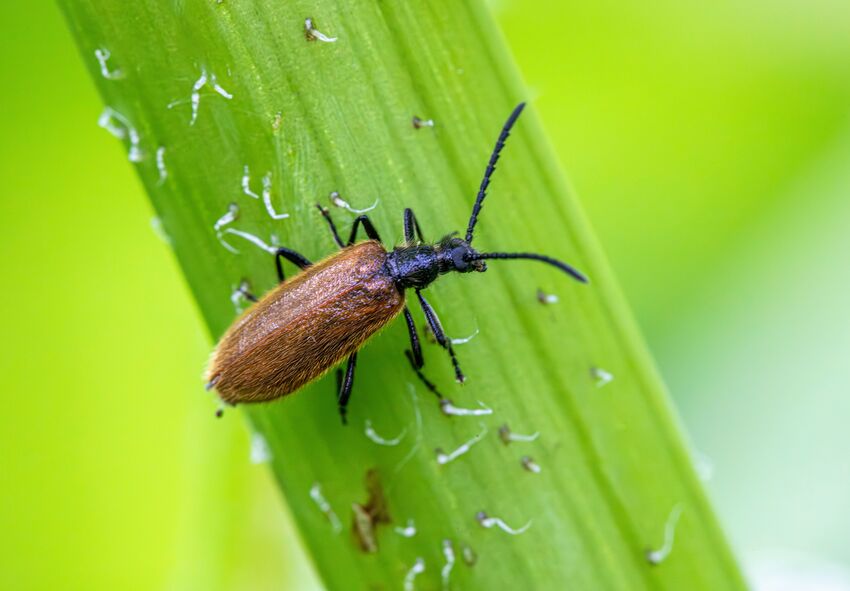
When pests are discovered, avoid immediately treating the entire planting with a strong pesticide. First identify the likely pest and determine how serious the problem actually is. Different pests require different approaches, and some symptoms that look like insect damage may actually result from disease, poor drainage or environmental stress:
- Isolate Affected Plants: If hyacinths are growing in containers, move visibly infested plants away from healthy specimens while you assess the situation. This can reduce the opportunity for mobile pests to spread. For plants growing in the garden, remove heavily affected plant material when appropriate and monitor nearby hyacinths more closely.
- Inspect the Bulbs and Roots: If above-ground symptoms are accompanied by poor growth or bulb deterioration, carefully inspect the underground parts. Healthy bulbs should generally be firm and free from extensive rot or unexplained damage. Do not confuse normal outer bulb scales with diseased tissue. If the bulb is soft, foul-smelling or extensively deteriorated, keeping it in the planting may pose a greater risk than removing it.
- Treat or Remove Damaged Plant Material: Visible pests on leaves can sometimes be treated using mechanical removal or an appropriate lower-risk product. Severely damaged foliage may be removed if doing so will not significantly weaken the plant. Bulbs with extensive rot or severe deterioration are usually better discarded rather than returned to storage or replanted. Dispose of affected material appropriately rather than adding it to a home compost pile.
- Monitor New Growth: Pest control does not end immediately after treatment. Continue checking the hyacinths for new feeding damage, insects or signs that the original problem is returning. Healthy new leaves and normal flower development are encouraging signs. If symptoms continue despite treatment, reassess the diagnosis rather than repeatedly applying the same product.
Conclusion
Effective pest control for hyacinths is based on prevention, observation and choosing the appropriate response for the specific pest. Bulb mites, aphids, thrips, slugs and snails can affect hyacinths in different ways, so accurate identification is an important first step. Starting with healthy bulbs is one of the best ways to reduce future problems. Proper drainage, reasonable watering, garden hygiene and regular inspection can further improve plant health and make infestations easier to manage.
When pests do appear, begin with the least disruptive effective method whenever possible. Mechanical removal, physical barriers, beneficial insects and appropriate lower-risk treatments can be useful for many situations, while registered pesticides should be reserved for cases where they are genuinely necessary and always used according to their labels. With consistent monitoring and good cultivation practices, hyacinths can remain healthy enough to produce strong foliage, attractive flower spikes and the characteristic fragrance that makes them so valuable in spring gardens!
Frequently Asked Questions (FAQs) about Pest Control for Hyacinths
1. What are the most common pests that attack hyacinths?
Common hyacinth pests include bulb mites, aphids, thrips, slugs and snails. Bulb mites are particularly concerning because they can damage bulbs and roots while remaining difficult to detect. Aphids and thrips usually affect leaves, shoots and flowers, while slugs and snails chew emerging foliage. Regular inspection helps identify these problems early, making treatment easier and reducing the risk of serious plant damage.
2. How can I prevent pests from damaging hyacinth bulbs?
Start with firm, healthy bulbs from a reliable source and inspect them carefully before planting. Good drainage, appropriate watering and clean planting areas can reduce stress and create less favorable conditions for problems. Remove severely damaged bulbs and plant debris, avoid unnecessary injuries during planting, and inspect emerging foliage regularly. Early detection is one of the most effective ways to prevent small pest problems from becoming serious infestations.
3. Can I order hyacinth bulbs from your online store?
Yes, you can order hyacinth bulbs from our online store Dutch-bulbs.com for planting in gardens, containers and suitable landscape compositions. When choosing planting material, look for firm, healthy bulbs without extensive soft areas, mold or unexplained damage. Selecting high-quality bulbs is an important part of pest prevention because damaged or weakened planting material may be more vulnerable to pests, rot and other problems after planting.
4. How do I get rid of aphids on hyacinths?
Small aphid infestations can often be managed by washing the insects from the foliage with a gentle stream of water or removing heavily affected plant parts. Insecticidal soap or another suitable lower-risk treatment may also help when used according to its label. Monitor the plants afterward because aphids can reproduce quickly, and repeated treatment may be necessary when new insects continue appearing.
5. Can hyacinth bulbs recover after pest damage?
Recovery depends on the type and severity of the damage. Hyacinths with minor leaf damage may continue growing normally if the pest problem is controlled quickly. Bulbs with extensive softening, rot or severe internal damage are much less likely to recover successfully. Inspect affected bulbs carefully, remove severely deteriorated material and give healthy plants suitable drainage, moisture and growing conditions while monitoring new growth.
Published: 28.08.2026