



A Mediterranean garden is a warm, relaxing outdoor space inspired by the landscapes of countries such as Italy, Greece, and Spain. This garden style combines drought-tolerant plants, natural materials, and earthy colors to create a beautiful and low-maintenance environment. Mediterranean gardens are known for their elegant simplicity, fragrant herbs, and sun-loving plants.
Mediterranean landscaping has become increasingly popular because it is both practical and visually appealing. Many homeowners choose this style to reduce water usage while still enjoying colorful and inviting outdoor areas. Gravel pathways, terracotta pots, olive trees, lavender, and natural stone are all classic elements of Mediterranean garden design.
In this article, you’ll learn what makes a Mediterranean garden unique, discover the best plants for this style, explore creative design ideas, and find practical maintenance tips for creating your own drought-tolerant outdoor retreat. Our gardening blog is a perfect place to find all the information you need!
Origins of Mediterranean Garden Design
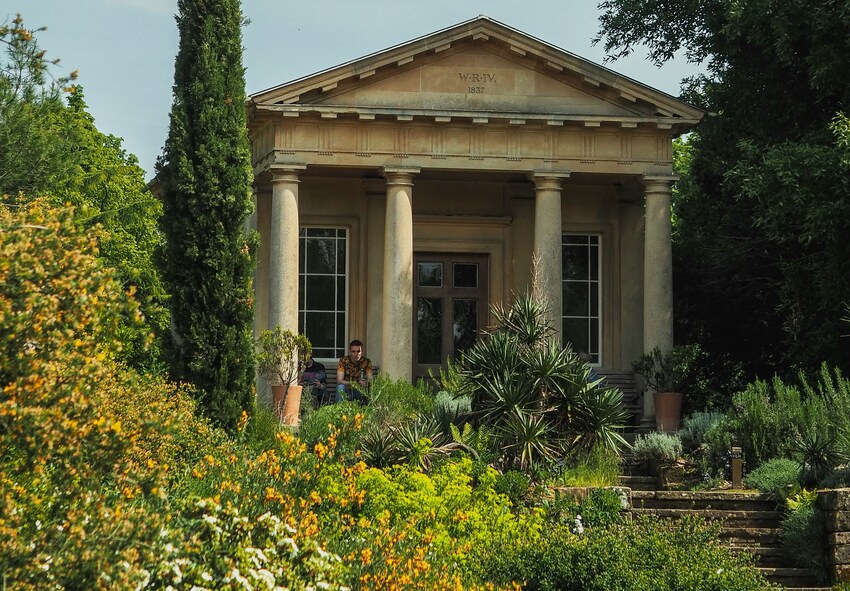
Mediterranean garden design originated in southern European countries such as Italy, Spain, and Greece. These regions are known for dry summers, mild winters, and outdoor-centered lifestyles. Traditional Mediterranean gardens often included olive trees, herbs, stone courtyards, and shaded seating areas for relaxation.
Key Features of Mediterranean Landscaping
Mediterranean landscaping typically includes gravel pathways, terracotta containers, natural stone, and drought-tolerant plants. Warm earthy colors such as beige, terracotta, olive green, and lavender purple are commonly used. Outdoor living areas and fragrant plants are also important elements of this garden style.
Mediterranean Climate Explained
Mediterranean climates are characterized by hot, dry summers and mild, wet winters. Plants that thrive in these conditions are usually drought-resistant and adapted to sunny environments. Understanding this climate helps gardeners choose plants that require less water and maintenance.
Benefits of Creating a Mediterranean Garden
Mediterranean gardens offer many practical and aesthetic benefits for homeowners. They are designed to thrive in dry conditions while still providing lush textures, color, and fragrance. This makes them an excellent choice for sustainable and low-maintenance landscaping.
Low-Maintenance Landscaping
Mediterranean gardens are easier to maintain than traditional lawns and flower beds. Many Mediterranean plants require minimal watering, pruning, and fertilizing once established. This makes the garden style ideal for busy homeowners who still want beautiful outdoor spaces.
Drought-Tolerant Gardening Benefits
Drought-tolerant gardens use less water and are better suited to hot climates and water restrictions. Mediterranean plants naturally adapt to dry conditions and can survive long periods without heavy irrigation. Reducing water usage also lowers maintenance costs and supports environmentally friendly gardening.
Year-Round Beauty and Texture
Mediterranean gardens remain visually attractive throughout the year because many plants are evergreen or maintain strong structure in all seasons. Combining shrubs, herbs, succulents, and trees creates layers of texture and color even during colder months.
Eco-Friendly Garden Design
Mediterranean landscaping supports sustainable gardening practices by reducing water consumption and limiting the need for chemical fertilizers. Using native or drought-resistant plants also helps support pollinators and local biodiversity.
Perfect for Warm and Dry Climates
Mediterranean gardens thrive in regions with hot summers and sunny weather. Plants such as lavender, rosemary, and olive trees perform especially well in these environments. This garden style is also practical for areas experiencing frequent drought conditions.
Best Mediterranean Garden Plants
Choosing the right plants is one of the most important parts of Mediterranean garden design. Mediterranean plants are known for their drought tolerance, fragrance, and ability to thrive in sunny conditions. Many of these plants also provide year-round color and texture.
Combining trees, shrubs, herbs, and succulents helps create a balanced and visually interesting landscape. The following plants are among the most popular choices for Mediterranean gardens:
- Lavender: Lavender is one of the signature plants of Mediterranean landscaping. Its fragrant purple flowers and silver-green foliage add color and softness to garden beds. Lavender thrives in full sun and well-drained soil, making it perfect for dry climates.
- Olive Trees: Olive trees provide structure, shade, and classic Mediterranean character. Their silvery leaves and twisted trunks create a timeless and elegant appearance. These trees grow best in sunny locations with excellent drainage.
- Rosemary: Rosemary is both an ornamental and culinary herb commonly used in Mediterranean gardens. Its fragrant evergreen foliage adds texture and aroma to outdoor spaces. Rosemary is highly drought-tolerant and easy to maintain once established.
- Cypress Trees: Tall cypress trees are often used to create vertical accents in Mediterranean landscapes. Their narrow shape adds elegance and structure to gardens. Cypress trees also work well as natural privacy screens or borders.
- Agave and Succulents: Agave and succulents are excellent choices for drought-tolerant landscaping. Their bold shapes and architectural forms create dramatic focal points. These plants require very little water and thrive in hot, sunny conditions.
- Bougainvillea: Bougainvillea is admired for its vibrant pink, purple, orange, or red blooms. This climbing plant adds tropical Mediterranean charm to walls, fences, and pergolas. Bougainvillea grows best in warm climates with plenty of sunlight.
- Herbs for Mediterranean Gardens: Mediterranean gardens often include herbs such as thyme, oregano, and sage. These herbs are attractive, fragrant, and useful for cooking. Herb gardens also attract pollinators like bees and butterflies.
When selecting Mediterranean plants, consider your local climate and winter temperatures. Some Mediterranean plants tolerate frost better than others. Choosing climate-appropriate plants helps ensure healthier growth and long-term garden success.
Mediterranean Garden Design Ideas
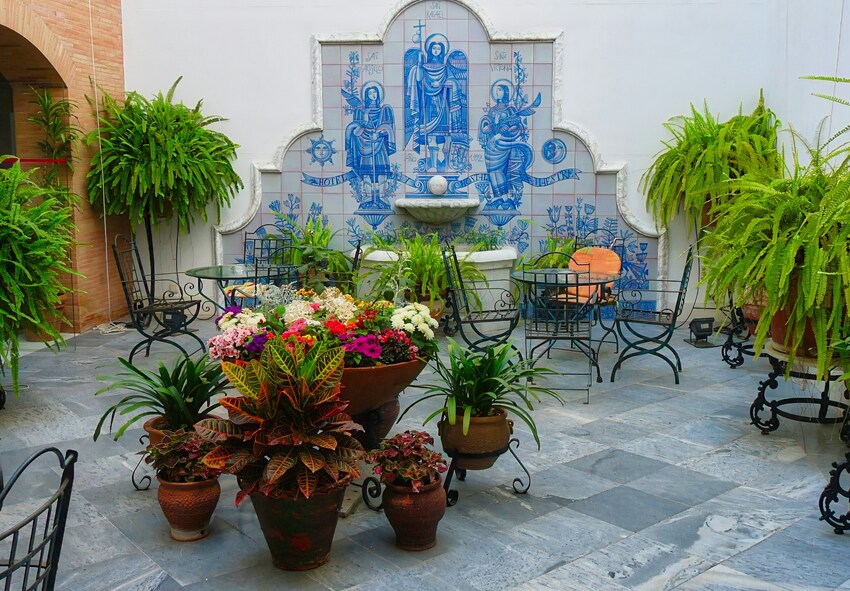
Mediterranean garden design focuses on creating relaxed and inviting outdoor spaces. Natural materials, warm colors, and drought-tolerant plants work together to create a timeless landscape. Combining practical landscaping with decorative elements helps transform ordinary outdoor spaces into peaceful Mediterranean retreats.
Stone Pathways and Gravel Areas
Stone pathways and gravel are key features of Mediterranean landscaping. Gravel improves drainage while also reducing maintenance and water use. Natural stone paths create texture and help connect different garden areas beautifully.
Terracotta Pots and Containers
Terracotta containers add warmth and authenticity to Mediterranean gardens. Their earthy color complements herbs, succulents, and flowering plants perfectly. Large terracotta pots are often used near entrances, patios, and seating areas.
Outdoor Seating Areas
Mediterranean gardens are designed for relaxation and outdoor living. Comfortable seating areas surrounded by fragrant plants create inviting spaces for entertaining or quiet evenings. Wooden benches, stone tables, and shaded pergolas enhance the atmosphere.
Mediterranean Courtyard Gardens
Courtyard gardens are common in Mediterranean design because they provide privacy and protection from strong sun and wind. These spaces often include potted plants, climbing vines, and decorative fountains. Courtyards create intimate outdoor retreats full of texture and fragrance.
Water Features and Fountains
Fountains and small water features bring movement and cooling effects to Mediterranean gardens. The sound of flowing water creates a peaceful and relaxing atmosphere. Stone fountains also serve as decorative focal points within the landscape.
Watering and Maintenance Tips
Mediterranean gardens are designed to be low-maintenance, but proper care is still important for keeping plants healthy and attractive. Most Mediterranean plants prefer dry conditions and require less water than traditional garden plants. Understanding their needs helps prevent common problems such as root rot and weak growth.
How Often to Water Mediterranean Plants
Mediterranean plants generally prefer deep but infrequent watering. Once established, many varieties can tolerate dry periods without regular irrigation. Watering too often can damage roots and encourage fungal diseases. It is usually best to allow the soil to dry slightly between watering sessions.
Mulching for Water Conservation
Mulch helps reduce moisture loss and keeps soil temperatures more stable during hot weather. Organic mulch also improves soil quality as it breaks down over time. Gravel mulch is another popular choice in Mediterranean gardens because it complements the landscape design while conserving water.
Pruning Mediterranean Plants
Regular pruning helps maintain healthy growth and improves the appearance of Mediterranean plants. Herbs such as lavender and rosemary benefit from light trimming after flowering. Pruning also improves airflow around plants, which helps reduce disease risk.
Seasonal Maintenance Tips
Mediterranean gardens require different care throughout the year. Spring is often the best time for planting and fertilizing, while summer maintenance focuses on watering and weed control. In colder climates, some Mediterranean plants may need winter protection during freezing temperatures.
Mediterranean Garden Ideas for Small Spaces
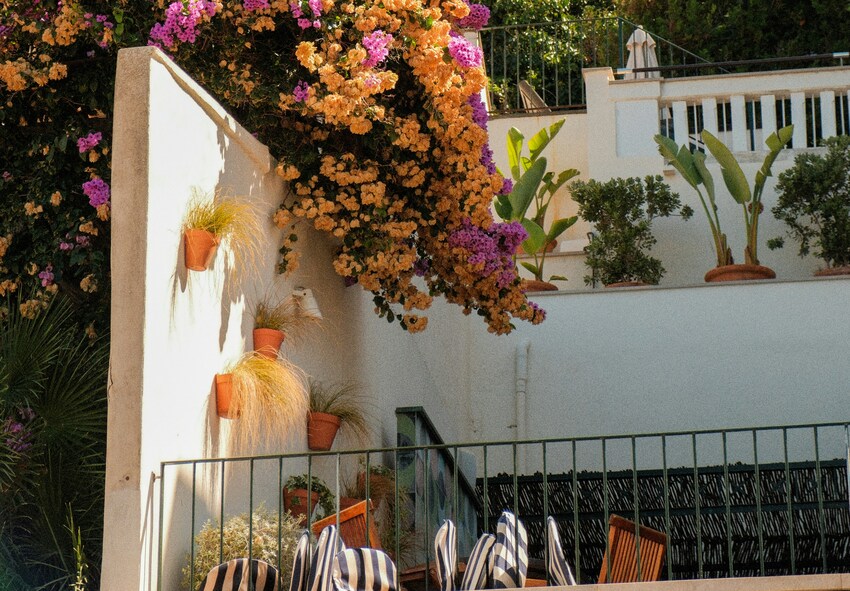
You do not need a large backyard to enjoy Mediterranean landscaping. Small patios, balconies, and courtyards can all be transformed into relaxing Mediterranean-inspired spaces. Using containers, vertical gardens, and compact furniture makes it easy to create a beautiful Mediterranean atmosphere in smaller outdoor spaces.
Mediterranean Balcony Gardens
Balcony gardens can feature herbs, succulents, lavender, and small olive trees in decorative containers. Warm-toned pots and natural textures help create an authentic Mediterranean look. Adding outdoor seating and lanterns makes the balcony feel cozy and inviting.
Container Gardening Ideas
Container gardening is perfect for Mediterranean plants because it improves drainage and allows flexibility in design. Terracotta pots filled with herbs and flowering plants create classic Mediterranean charm. Containers also make it easier to move sensitive plants during cold weather.
Vertical Mediterranean Gardens
Vertical gardens are ideal for maximizing space in small areas. Climbing plants such as bougainvillea or wall-mounted herb planters create greenery without taking up much ground space. Vertical designs also add texture and visual interest to walls and fences.
Small Courtyard Inspiration
Even a small courtyard can become a peaceful Mediterranean retreat with the right design elements. Gravel flooring, potted plants, and compact seating areas work beautifully in enclosed spaces. Adding a small fountain or decorative stone feature enhances the relaxing atmosphere.
Combining Mediterranean Plants
Combining different Mediterranean plants creates a balanced and visually appealing landscape. Mixing textures, heights, and colors helps gardens feel more natural and dynamic. Well-planned combinations also improve biodiversity and support pollinators.
Best Plant Combinations
Lavender, rosemary, olive trees, and ornamental grasses are classic Mediterranean combinations. These plants complement each other in both texture and color. Combining flowering plants with evergreen shrubs also creates year-round visual interest.
Using Herbs with Ornamental Plants
Herbs such as thyme, sage, and oregano pair beautifully with ornamental Mediterranean plants. Their fragrance adds another sensory element to the garden. Herb combinations also provide practical culinary benefits for home gardeners.
Combining Succulents and Shrubs
Succulents and shrubs create strong contrast in Mediterranean landscapes. The bold shapes of agave and aloe pair well with softer shrubs and grasses. This combination adds structure and modern style to drought-tolerant gardens.
Creating Texture and Color Contrast
Mediterranean gardens often combine silver foliage, green shrubs, and bright flowering plants for visual balance. Mixing rough textures with soft leaves creates a layered and interesting design. Using contrasting colors and plant forms helps highlight focal points throughout the landscape.
Mediterranean Garden Landscaping Materials
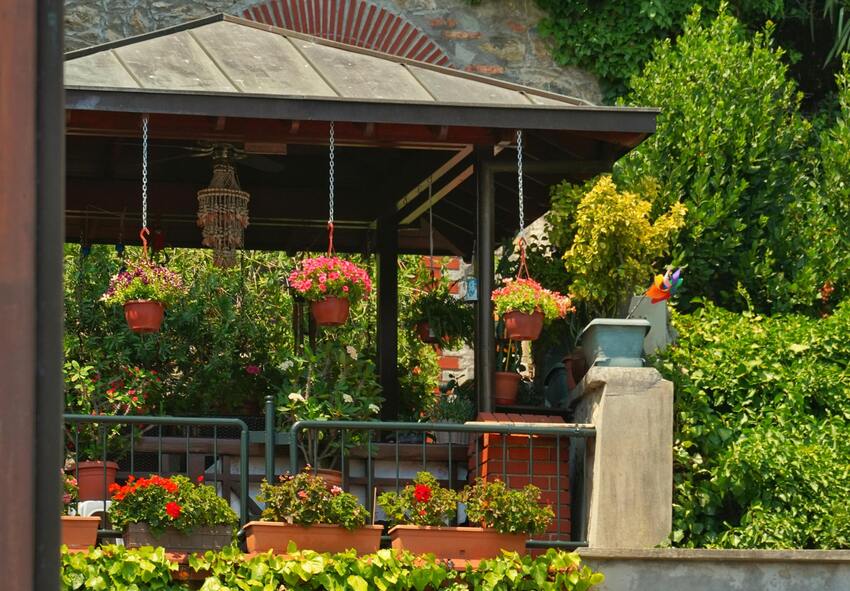
Natural materials are essential in Mediterranean garden design because they create warmth and texture. Stone, gravel, wood, and terracotta all contribute to the timeless appearance of this landscaping style. These materials are both decorative and practical for dry climates:
- Gravel and Pebbles: Gravel and pebbles are widely used in Mediterranean gardens because they improve drainage and reduce water evaporation. They also create clean, low-maintenance pathways and decorative areas. Light-colored gravel reflects sunlight and enhances the bright Mediterranean look.
- Terracotta and Clay Elements: Terracotta pots, clay containers, and ceramic decorations are classic Mediterranean features. Their warm earthy tones complement drought-tolerant plants beautifully. Terracotta also allows good airflow around plant roots in containers.
- Wood and Natural Materials: Wooden pergolas, benches, and garden furniture add warmth and rustic charm to Mediterranean spaces. Natural wood pairs well with stone and greenery. Using untreated or weathered wood enhances the relaxed garden atmosphere.
- Decorative Stone Walls: Stone walls help define garden spaces while adding texture and structure. They are often used around courtyards and in patios and terraces design. Natural stone walls also blend beautifully with Mediterranean plants and landscaping.
- Mulch for Moisture Retention: Mulch helps retain moisture in the soil and reduces weed growth around plants. Organic mulch also improves soil quality over time. Using mulch is especially helpful in hot climates where water conservation is important.
Conclusion
Mediterranean garden design combines beauty, simplicity, and practicality to create relaxing outdoor spaces inspired by southern Europe. With drought-tolerant plants, natural materials, and warm earthy colors, these gardens offer year-round beauty while requiring less maintenance and water than traditional landscapes.
Whether you have a large backyard, a courtyard, or a small balcony, Mediterranean landscaping can transform your outdoor space into a peaceful retreat. Start building your own Mediterranean garden today and enjoy the timeless charm of lavender, olive trees, terracotta pots, and natural stone!
Frequently Asked Questions (FAQs) about Mediterranean garden
1. What plants grow best in a Mediterranean garden?
Some of the best plants for a Mediterranean garden include lavender, rosemary, olive trees, cypress trees, bougainvillea, agave, and other drought-tolerant succulents. These plants thrive in sunny, dry conditions and require minimal watering once established. Combining herbs, shrubs, and flowering plants creates a balanced and visually attractive Mediterranean landscape.
2. Is a Mediterranean garden low maintenance?
Yes, Mediterranean gardens are considered low-maintenance because they use drought-tolerant plants that require less watering, mowing, and fertilizing than traditional gardens. Gravel, stone pathways, and mulch also help reduce weeds and maintenance needs. Occasional pruning and seasonal care are usually enough to keep the garden healthy and attractive throughout the year.
3. Can Mediterranean plants survive winter?
Some Mediterranean plants can tolerate mild winter temperatures, while others may need protection in colder climates. Lavender, rosemary, and certain cypress varieties are often frost-tolerant, but plants like bougainvillea and some succulents may require indoor protection during freezing weather. Choosing climate-appropriate varieties improves winter survival and long-term garden success.
4. How do you create a Mediterranean garden on a budget?
Creating a Mediterranean garden on a budget is possible by starting with affordable drought-tolerant plants, gravel pathways, and simple terracotta containers. Reusing natural stone, planting herbs from seeds, and gradually adding decorative features can also reduce costs. Mediterranean gardens focus on simplicity, making them easier to create without expensive landscaping materials.
5. Can I order Mediterranean garden plants from your online store?
Yes, you can order a wide selection of garden plants from our online store Dutch-bulbs.com. We offer popular choices such as lavender, ornamental herbs, and drought-tolerant plants. Our carefully selected plants are ideal for creating beautiful Mediterranean landscapes, container gardens, patios, and low-maintenance outdoor spaces.
Published: 09.06.2026