



A garden pond is one of the most attractive features you can add to an outdoor space. Whether large or small, ponds bring movement, sound, and natural beauty to the landscape. They create a focal point that changes throughout the seasons and can transform an ordinary garden into a peaceful retreat. Garden ponds are also becoming increasingly popular because they support wildlife, improve biodiversity, and provide opportunities to grow aquatic plants.
In this article, you’ll learn the benefits of creating a pond in the garden, how to plan and build one, the different types of ponds available, and the materials needed to create a successful water feature. You’ll also discover some of the best pond plants to enhance the beauty and health of your garden pond. Our gardening blog is a perfect place to find all the information you need!
Benefits of Creating a Pond in the Garden
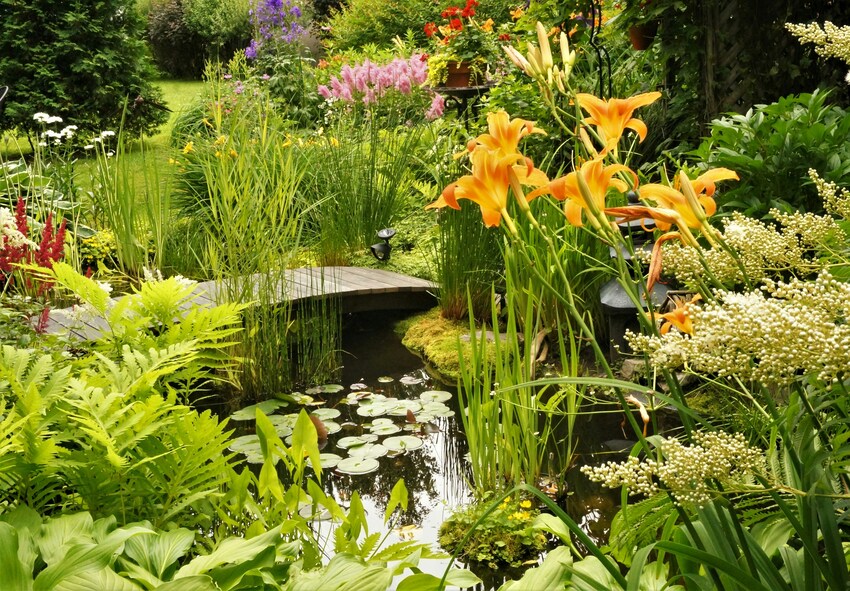
Adding a pond to your landscape offers both aesthetic and environmental advantages. Water features attract attention, create a calming atmosphere, and support a wide range of beneficial wildlife. A well-designed pond can become the centerpiece of your garden while providing year-round interest and ecological benefits:
- Enhancing Garden Beauty: A pond adds movement, reflections, and visual interest to the landscape. It creates a natural focal point that complements flowers, shrubs, and trees.
- Attracting Wildlife and Pollinators: Ponds attract birds, butterflies, bees, frogs, and dragonflies. These visitors help create a healthy and balanced garden ecosystem.
- Creating a Relaxing Outdoor Space: The sound of moving water and the presence of aquatic plants can make the garden feel peaceful and calming.
- Increasing Biodiversity: A pond provides habitats for many beneficial species and supports a greater variety of plants and animals.
- Adding Value to Your Landscape: Attractive water features can enhance the overall appeal of a property and make outdoor spaces more enjoyable.
Planning Your Garden Pond
Careful planning is essential before starting any pond project. Choosing the right location, size, and design helps prevent problems later and ensures the pond fits naturally within the landscape. Taking time to evaluate your garden conditions will make construction easier and improve the long-term success of your pond.
Choosing the Best Location
Select a location that is visible from patios, windows, or seating areas so the pond can be enjoyed regularly. Avoid placing the pond directly beneath large trees because falling leaves can affect water quality. A level area is often easier to work with and provides better stability for the pond structure.
Determining the Right Pond Size
The size of your pond should match the available space and your maintenance goals. Small ponds are easier to install and maintain, while larger ponds provide more opportunities for fish, aquatic plants, and wildlife. Consider future growth when planning the size of your pond.
Considering Sunlight and Shade
Most pond plants benefit from several hours of sunlight each day. However, too much direct sun can encourage algae growth and increase water temperatures. A location that receives a mix of sunlight and partial shade often provides the best balance.
Checking Drainage and Ground Conditions
Before digging, examine the soil and drainage conditions of the site. Poor drainage may cause problems around the pond edges during heavy rain. Avoid low spots where runoff water could carry fertilizers or debris into the pond.
Planning for Safety
Safety should always be considered, especially in gardens visited by children or pets. Shallow edges, fencing, or protective barriers may be appropriate depending on the pond design. Proper planning helps create a beautiful pond that is also safe and practical.
Choosing the Type of Garden Pond
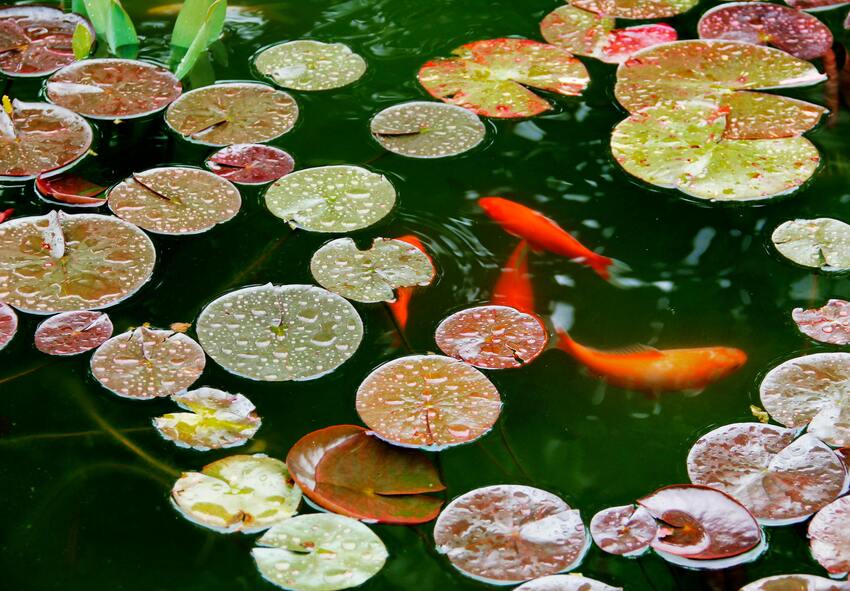
There are many different types of garden ponds, each offering unique benefits and design possibilities. The best option depends on your available space, gardening goals, and preferred style. Choosing the right pond type before construction helps guide decisions about size, equipment, and plant selection.
Wildlife Pond
Wildlife ponds are designed primarily to support local animals and insects. These ponds often feature natural edges, native plants, and shallow areas that provide easy access for birds and amphibians. They are excellent choices for gardeners interested in biodiversity and conservation.
Ornamental Garden Pond
Ornamental ponds focus on aesthetics and landscape design. They often include decorative stones, water lilies, fountains, and carefully selected aquatic plants. These ponds become attractive focal points that enhance the overall appearance of the garden.
Koi Fish Pond
Koi ponds are specifically designed to support ornamental fish. They are typically deeper than wildlife ponds and include filtration systems to maintain water quality. Koi ponds create a dynamic and interactive garden feature.
Natural Swimming Pond
Natural swimming ponds combine recreation with ecological design. These ponds use aquatic plants and biological filtration instead of traditional chemical treatments. They offer a natural alternative to conventional swimming pools.
Container Water Gardens
Container water gardens are perfect for small gardens, patios, and balconies. Large pots or tubs can be transformed into miniature ponds with aquatic plants and decorative features. They provide the beauty of a pond without requiring extensive construction.
Materials Needed for Building a Pond
Using quality materials helps ensure that your pond remains attractive, functional, and durable for many years. The materials you choose will depend on the size and style of the pond. Proper equipment also makes maintenance easier and supports healthy aquatic life.
Pond Liners
Flexible pond liners are one of the most popular options for custom pond designs. They allow gardeners to create ponds of virtually any shape or size. High-quality liners help prevent leaks and provide long-lasting performance.
Preformed Pond Shells
Preformed pond shells offer a simple solution for smaller water features. These rigid structures are easy to install and often include shelves for aquatic plants. They are ideal for beginners building their first pond.
Pumps and Filtration Systems
Pumps help circulate water and support fountains, waterfalls, and filtration systems. Proper filtration improves water quality and helps keep the pond healthy. These components are especially important for ponds that contain fish.
Rocks and Decorative Materials
Natural stone, gravel, and decorative edging materials help blend the pond into the surrounding landscape. They also stabilize pond edges and create a finished appearance. Decorative materials contribute significantly to the overall design.
Water Features and Fountains
Fountains, waterfalls, and streams add movement and sound to a pond. These features improve oxygen levels and create additional visual interest. Many gardeners use water features to make their ponds feel more dynamic and inviting.
How to Build a Pond Step-by-Step
Building a garden pond may seem like a large project, but breaking the process into manageable steps makes it much easier. Careful construction helps ensure long-term success and reduces maintenance issues later. Following a structured approach allows you to create a pond that is both functional and attractive:
- Mark the Pond Shape: Use rope, garden hose, or spray paint to outline the desired pond shape.
- Excavate the Area: Dig the pond according to the planned depth and include planting shelves if desired.
- Install the Pond Liner: Position the liner carefully and smooth out wrinkles to create a watertight structure.
- Add Water: Fill the pond slowly and adjust the liner as needed during filling.
- Install Pumps and Filters: Set up circulation and filtration equipment according to manufacturer instructions.
- Add Rocks and Edging: Use stones and decorative materials to secure the pond edges and improve appearance.
- Introduce Pond Plants: Add aquatic plants to enhance beauty, improve water quality, and support wildlife.
Best Pond Plants for a Garden Pond
Aquatic plants are essential for creating a healthy and attractive pond. They provide oxygen, shade, natural filtration, and shelter for wildlife. A combination of flowering plants, oxygenators, and floating species helps maintain balance within the pond ecosystem.
Water Lilies
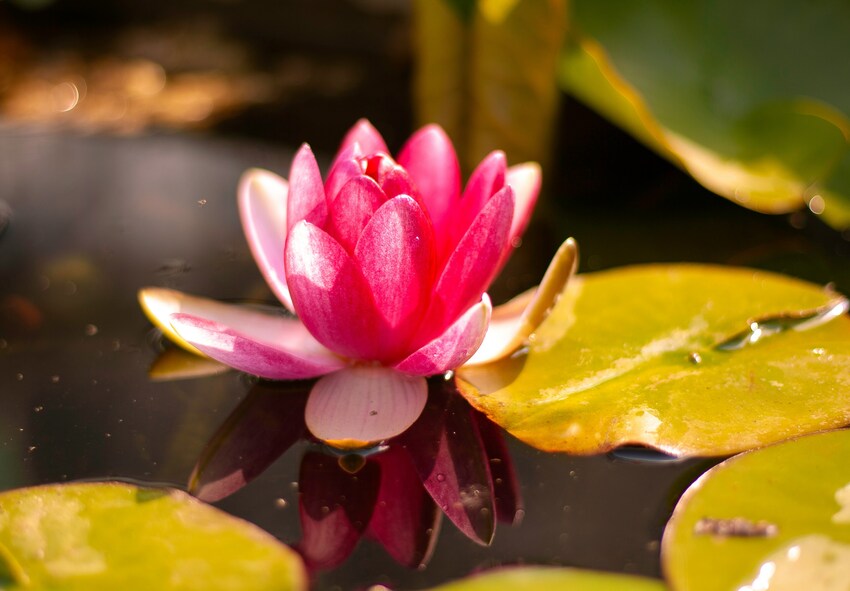
Water lilies are among the most popular pond plants thanks to their floating leaves and colorful blooms. They provide shade that helps reduce algae growth and keeps water cooler. Available in many colors and sizes, water lilies suit both small and large ponds.
Lotus
Lotus plants produce large flowers and distinctive foliage that create a dramatic visual effect. They thrive in sunny locations and become impressive focal points in water gardens. Their elegant blooms add a touch of sophistication to pond designs.
Marsh Marigold
Marsh marigold is a cheerful marginal plant with bright yellow flowers that bloom in spring. It grows well along pond edges and in shallow water. This plant helps soften pond borders and attracts pollinators.
Iris
Aquatic irises provide beautiful flowers and vertical structure around ponds. Their colorful blooms add seasonal interest and pair well with many other water-loving plants. Irises are popular choices for both ornamental and wildlife ponds.
Pickerel Weed
Pickerel weed produces spikes of purple flowers above attractive green foliage. It grows in shallow water and provides habitat for beneficial insects. Its upright growth habit adds variety to pond plantings.
Oxygenating Plants
Oxygenating plants play a crucial role in maintaining a healthy pond ecosystem. These underwater plants release oxygen into the water, helping fish, beneficial bacteria, and other aquatic life thrive. They also compete with algae for nutrients, which helps keep water clearer and reduces maintenance requirements. Popular oxygenating plants include hornwort, anacharis, and water milfoil.
Floating Pond Plants
Floating plants drift on the water surface and provide shade that helps regulate water temperature. Their roots absorb excess nutrients, helping reduce algae growth naturally. Popular floating pond plants include water lettuce, water hyacinth, and frogbit. These plants also offer shelter for fish and aquatic insects while adding texture to the pond.
Adding Fish and Wildlife
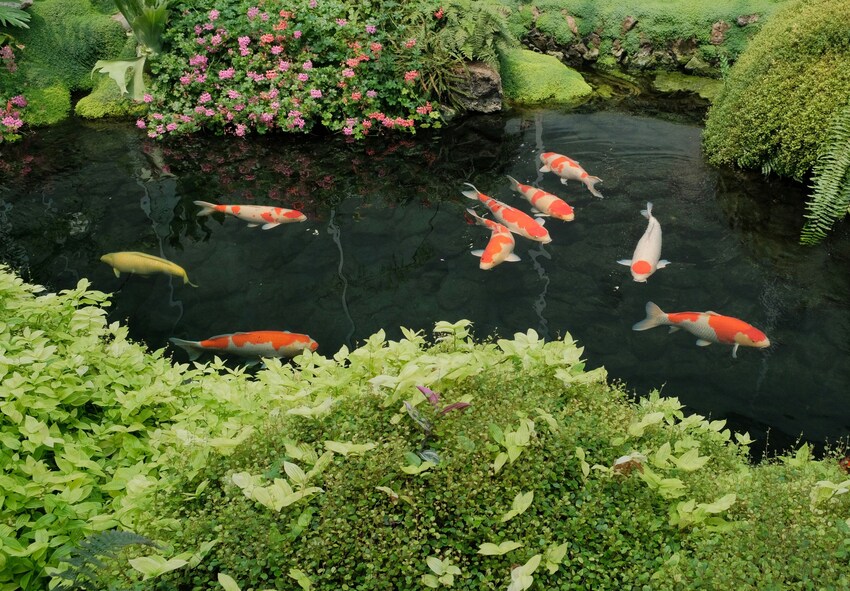
One of the greatest rewards of creating a pond in the garden is watching it become a thriving ecosystem. Fish, frogs, dragonflies, birds, and beneficial insects are naturally attracted to water features. A balanced pond ecosystem supports wildlife while creating a more dynamic and enjoyable outdoor space.
Best Fish for Garden Ponds
Many fish species can thrive in garden ponds when proper conditions are provided. Goldfish are among the easiest options for beginners because they are hardy and adaptable. Koi are another popular choice due to their impressive size and colorful patterns. However, koi require larger ponds and more advanced filtration systems than goldfish.
Creating a Wildlife-Friendly Pond
Wildlife ponds should include shallow edges, aquatic plants, and easy access points for animals. Native plants are especially valuable because they provide natural food and shelter. Avoid excessive use of chemicals, as these can harm frogs, insects, and other beneficial wildlife.
Encouraging Frogs and Beneficial Insects
Frogs help control pest populations by feeding on insects, while dragonflies help reduce mosquitoes. Providing shallow areas, rocks, and dense vegetation encourages these helpful visitors. A diverse planting scheme creates ideal habitats for many beneficial pond inhabitants.
Balancing the Pond Ecosystem
A healthy pond ecosystem relies on balance between plants, fish, microorganisms, and water quality. Too many fish or too few plants can create nutrient imbalances and increase algae growth. Adding a variety of aquatic plants and maintaining proper filtration helps create long-term stability.
Garden Pond Maintenance Tips
Regular maintenance keeps a garden pond attractive and healthy throughout the year. Fortunately, many maintenance tasks are simple when performed consistently. Proper care helps prevent common problems such as algae blooms, poor water quality, and equipment failure. Essential pond maintenance tasks include:
- Keeping Water Clean: Remove fallen leaves, debris, and dead plant material regularly. This helps maintain water quality and reduces nutrient buildup.
- Controlling Algae Growth: Use aquatic plants to provide shade and absorb excess nutrients. Proper filtration and balanced fish populations also help limit algae.
- Maintaining Pumps and Filters: Clean pumps and filtration systems according to manufacturer recommendations. Regular maintenance ensures efficient operation and healthy water circulation.
- Seasonal Pond Care: Different seasons require different maintenance tasks. Spring cleaning, summer monitoring, and fall leaf removal all contribute to pond health.
- Winter Pond Preparation: In colder climates, protect pumps, remove sensitive plants if necessary, and prevent ponds from freezing completely if fish are present.
Garden Pond Design Ideas
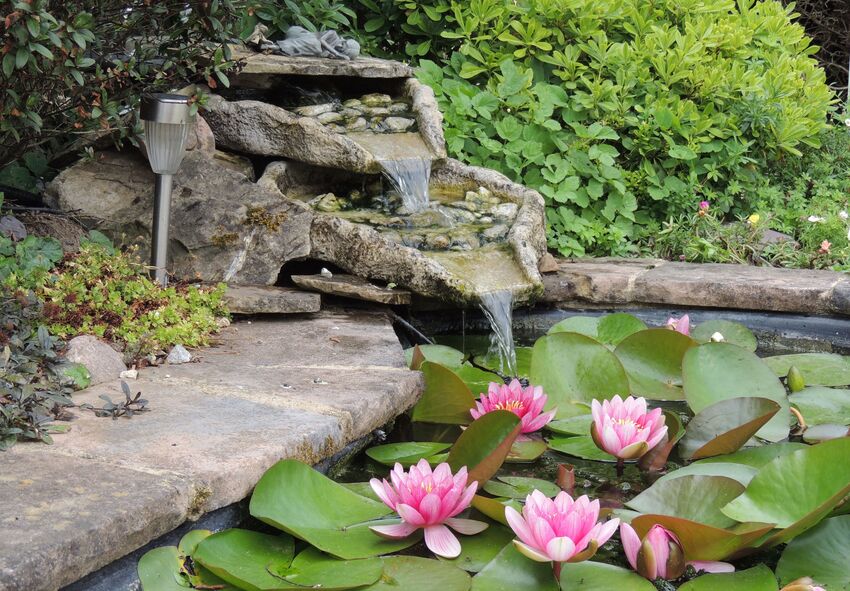
A garden pond can be customized to match almost any landscaping style. The design should complement the surrounding garden while reflecting your personal preferences. Thoughtful design choices help create a cohesive outdoor space that feels both natural and inviting.
Naturalistic Pond Design
Naturalistic ponds mimic the appearance of natural lakes and streams. Curved shapes, native plants, rocks, and informal planting schemes create a relaxed and organic feel. This style is especially popular among wildlife gardeners because it provides excellent habitat opportunities.
Mediterranean-Style Water Gardens
Mediterranean water gardens combine ponds with gravel pathways, terracotta containers, olive trees, and drought-tolerant plants. The contrast between water and sun-loving plants creates a striking landscape. Fountains and stone features often enhance the Mediterranean aesthetic.
Modern Garden Ponds
Modern ponds emphasize clean lines, geometric shapes, and minimalist design. Reflective water surfaces and contemporary materials create a sophisticated appearance. These ponds work particularly well in contemporary landscapes and urban gardens.
Small Garden Pond Ideas
Even compact gardens can accommodate attractive water features. Container ponds, small preformed ponds, and corner water gardens bring the benefits of water into limited spaces. Right small garden design and strategic placement helps maximize visual impact.
Pond and Waterfall Combinations
Combining a pond with a waterfall creates movement, sound, and additional oxygenation. Waterfalls become eye-catching focal points while improving overall water circulation. Natural stone waterfalls blend seamlessly into many landscape styles and enhance the relaxing atmosphere of the garden.
Conclusion
Creating a pond in the garden is a rewarding project that adds beauty, tranquility, and ecological value to your outdoor space. Whether you choose a wildlife pond, ornamental water garden, koi pond, or container water feature, a well-planned pond can become the centerpiece of your landscape. By selecting the right location, using quality materials, choosing suitable pond plants, and maintaining a balanced ecosystem, you can enjoy a thriving water garden for many years!
Frequently Asked Questions (FAQs) about Creating a Pond
1. How deep should a garden pond be?
The ideal depth depends on the purpose of the pond. Wildlife ponds can be relatively shallow, while fish ponds often require deeper areas for temperature stability and protection. A depth of at least 18–24 inches works for many garden ponds, while koi ponds generally benefit from depths of 3 feet or more.
2. Do garden ponds require a pump and filter?
Not every garden pond requires a pump and filter, especially small wildlife ponds. However, ponds with fish, fountains, or waterfalls benefit greatly from water circulation and filtration. Pumps help oxygenate the water, while filters remove debris and improve water quality, making maintenance easier and supporting a healthier pond ecosystem.
3. What are the best plants for a garden pond?
A balanced pond usually includes several types of aquatic plants. Water lilies provide shade, oxygenating plants improve water quality, and marginal plants such as iris and marsh marigold add color around the edges. Combining different plant types helps create a healthy ecosystem while enhancing the pond’s appearance throughout the year.
4. Can I order pond plants from your online store?
Yes, you can order pond plants directly from our online store Dutch-bulbs.com. We offer a wide selection of pond plants suitable for wildlife ponds, ornamental water gardens, and container ponds. Healthy plants help improve water quality while creating a beautiful and thriving pond ecosystem.
5. How can I prevent algae in my pond?
Algae can be controlled by limiting excess nutrients and increasing plant coverage. Floating plants and water lilies provide shade, reducing sunlight that encourages algae growth. Regularly removing debris, maintaining filtration systems, and avoiding overfeeding fish also help keep water clear and maintain a balanced pond environment.
Published: 22.06.2026