



Hydrangeas are famous for their stunning blooms and remarkable ability to display different flower colors. Few garden plants generate as much curiosity as hydrangeas that can naturally shift between shades of blue, pink, and purple depending on growing conditions. Many gardeners enjoy experimenting with hydrangea color changes to create unique landscape displays. By understanding how soil chemistry affects flower pigmentation, it is possible to influence bloom color and achieve the desired look.
In this article, you’ll learn why hydrangeas change color, which varieties respond to soil adjustments, how to test your soil, and the best methods for producing blue, pink, or purple hydrangea flowers. Our gardening blog is a perfect place to find all the information you need!
Why Hydrangea Flowers Change Color
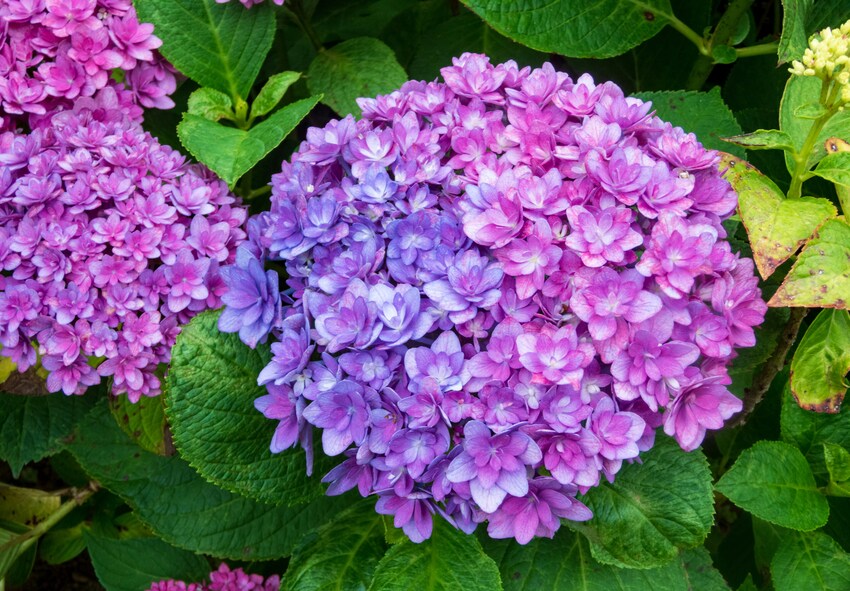
Hydrangea color changes are closely linked to soil conditions rather than genetics alone. While many flowering plants have fixed bloom colors, certain hydrangea varieties respond directly to the chemical composition of the soil. Understanding this process makes it much easier to achieve specific flower colors in the garden.
The Role of Soil pH
Soil pH is the primary factor influencing hydrangea flower color. In acidic soils, hydrangeas are more likely to produce blue blooms, while alkaline soils encourage pink flowers. The pH scale measures soil acidity and alkalinity. Lower pH values indicate more acidic conditions, while higher values indicate more alkaline soil.
How Aluminum Affects Flower Color
Aluminum plays a critical role in hydrangea color development. In acidic soil, aluminum becomes more available to plant roots and contributes to the formation of blue flowers. When soil becomes more alkaline, aluminum is less accessible to the plant. As a result, flowers tend to develop pink coloration instead.
Why Some Hydrangeas Change Color and Others Don’t
Not all hydrangea plants have the ability to change color. The color-changing trait is primarily found in certain species that naturally respond to soil chemistry. White hydrangeas generally remain white regardless of soil pH because they lack the pigments needed to produce blue or pink blooms.
Which Hydrangeas Can Change Color?
Before attempting to alter flower color, it’s important to know whether your hydrangea variety is capable of responding to soil changes. Some types are highly adaptable, while others maintain consistent flower colors. Identifying the correct hydrangea species will help set realistic expectations.
Bigleaf Hydrangeas (Hydrangea macrophylla)
Bigleaf hydrangeas are the most common color-changing hydrangeas. They are widely grown in home gardens and can produce blue, pink, or purple blooms depending on soil conditions. Their large flower heads and strong response to soil pH make them a favorite among gardeners who enjoy experimenting with color.
Mountain Hydrangeas (Hydrangea serrata)
Mountain hydrangeas also respond to soil pH changes. Although generally smaller than bigleaf hydrangeas, they offer similar color-shifting abilities. These plants often perform well in cooler climates and provide delicate, elegant flowers throughout the growing season.
Hydrangeas That Cannot Change Color
Panicle hydrangeas, oakleaf hydrangeas, and smooth hydrangeas generally do not change color in response to soil pH. Their bloom colors are determined primarily by genetics. White-flowering varieties also remain unaffected by attempts to alter soil chemistry.
Popular Color-Changing Hydrangea Varieties
Many gardeners choose varieties specifically known for their color-changing potential. Popular options include Endless Summer, Nikko Blue, BloomStruck, and Let’s Dance hydrangeas. These cultivars respond reliably to soil adjustments and provide beautiful displays of blue, pink, or purple flowers.
How to Turn Hydrangeas Blue
Blue hydrangeas are often highly sought after because of their striking appearance. Achieving deep blue blooms requires increasing soil acidity and ensuring aluminum remains available to the plant. Patience is important because color changes may take several months to become fully visible.
Steps for creating blue hydrangea blooms include:
- Lowering Soil pH Safely: Gradually reduce soil pH rather than making drastic changes. Sudden shifts can stress the plant and negatively affect growth.
- Using Aluminum Sulfate: Aluminum sulfate is one of the most effective products for encouraging blue flowers. It increases aluminum availability while also lowering soil pH.
- Applying Soil Acidifiers: Commercial soil acidifiers can help maintain acidic conditions. Follow application instructions carefully to avoid over-treatment.
- Best Time to Start Color Changes: Begin adjusting soil several months before flowering season. Early spring and fall are often the most effective times for treatment.
- How Long It Takes to See Results: Visible color changes may take one growing season or longer. Some plants respond more quickly than others depending on soil conditions and variety.
How to Turn Hydrangeas Pink
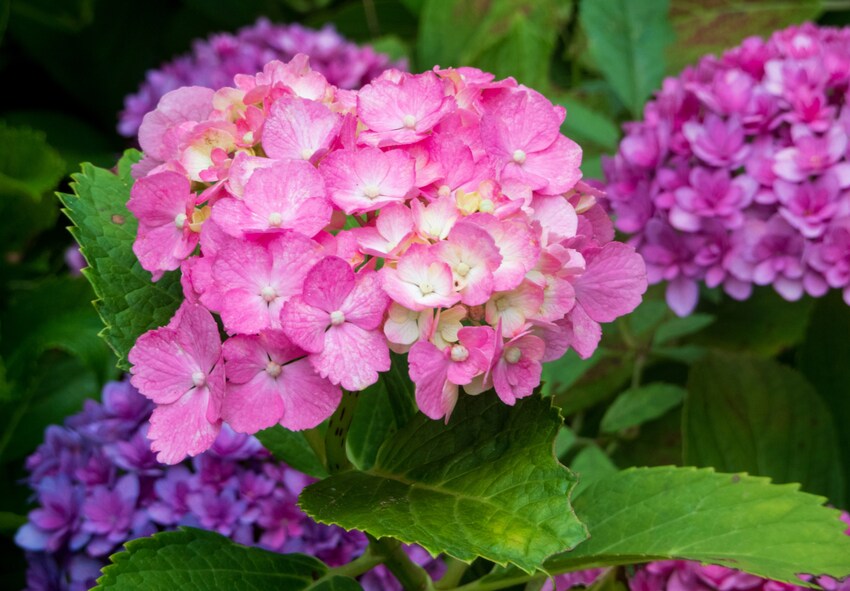
Pink hydrangeas thrive in more alkaline soil conditions where aluminum becomes less available. Gardeners who prefer bright pink blooms can gradually raise soil pH using appropriate amendments. Maintaining stable soil conditions is important for achieving consistent color year after year.
Steps for creating pink hydrangea flowers include:
- Raising Soil pH: Increasing soil alkalinity helps encourage pink flower development. This process should be done gradually for best results.
- Using Garden Lime: Garden lime is commonly used to raise soil pH. Applying it according to soil test recommendations helps avoid excessive alkalinity.
- Reducing Aluminum Availability: As soil becomes more alkaline, aluminum becomes less accessible to roots, promoting pink coloration.
- Maintaining Consistent Pink Blooms: Regular soil testing helps ensure pH levels remain within the ideal range for pink flowers.
- Common Mistakes to Avoid: Applying too much lime at once can create nutrient imbalances. Always make adjustments gradually and monitor plant health closely.
How to Create Purple Hydrangea Flowers
Purple hydrangeas often occur when soil conditions fall between those required for blue and pink blooms. Many gardeners appreciate these unique shades because they offer a beautiful blend of both colors, making them especially attractive when incorporating hydrangea in garden design. Creating purple flowers usually involves careful pH management and ongoing monitoring.
Tips for producing purple hydrangea blooms include:
- Achieving Intermediate Soil pH: Soil with a moderately acidic pH often produces purple flowers rather than distinctly blue or pink blooms.
- Balancing Blue and Pink Tones: Small adjustments to soil chemistry can influence whether flowers lean more toward blue-purple or pink-purple shades.
- Factors That Influence Purple Shades: Hydrangea variety, soil composition, weather conditions, and nutrient availability can all affect the final flower color.
- Maintaining Desired Flower Color: Regular testing and gradual soil adjustments help preserve consistent purple blooms over multiple growing seasons.
How to Test Your Soil Before Changing Hydrangea Color
Testing your soil is an essential first step before making any adjustments. Without knowing your current pH level, it can be difficult to predict how hydrangeas will respond. Regular soil testing also helps prevent excessive use of amendments that could negatively affect plant health.
Using a Soil pH Test Kit
Soil pH test kits are widely available at garden centers and online retailers. These kits provide a simple way to measure acidity and alkalinity. For the most accurate results, collect soil samples from several locations around the hydrangea and follow the instructions carefully.
Understanding pH Test Results
A soil pH below 6.0 generally supports blue flower development because aluminum becomes more available to plant roots. A pH above 6.5 typically encourages pink blooms by reducing aluminum availability. Values between these ranges often produce various shades of purple.
When to Retest Soil
Soil conditions can change gradually over time due to rainfall, irrigation, fertilizer use, and organic matter decomposition. Retesting every few months during color-adjustment efforts helps monitor progress and determine whether additional amendments are necessary.
Natural Methods for Adjusting Soil pH
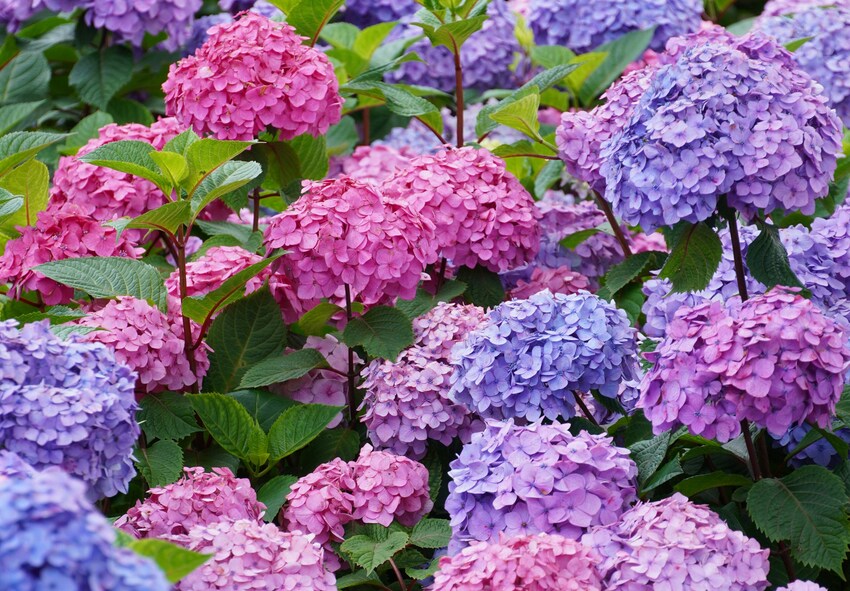
Many gardeners prefer natural approaches when modifying soil conditions. Organic methods may work more slowly than commercial products, but they often improve overall soil health at the same time. These techniques can be useful for long-term hydrangea color management.
Using Compost and Organic Matter
Compost improves soil structure and supports beneficial microbial activity. Depending on the materials used, compost can gradually influence soil pH while enhancing fertility. Regular additions of organic matter help create healthier growing conditions for hydrangeas.
Adding Pine Needles and Bark Mulch
Pine needles and pine bark mulch are commonly used around hydrangeas. Over time, they may contribute to slightly more acidic soil conditions. In addition to influencing pH, these materials help conserve moisture and suppress weeds.
Coffee Grounds: Do They Really Work?
Coffee grounds are often recommended as a natural soil amendment for hydrangeas. While they may contribute small amounts of organic matter, their effect on soil pH is generally modest. They are best viewed as a supplemental amendment rather than a primary method for changing flower color.
Organic Approaches to Color Management
Organic gardening methods focus on gradual improvements rather than rapid changes. Combining compost, mulch, and careful soil monitoring can support long-term color management while promoting overall plant health. Patience is often rewarded with healthier plants and more stable flower colors over time.
Conclusion
Changing hydrangea flower color is one of the most fascinating aspects of growing these popular garden shrubs. By understanding the relationship between soil pH and aluminum availability, gardeners can influence whether blooms appear blue, pink, or purple.
The process begins with soil testing and careful adjustments based on your desired flower color. Acidic soil encourages blue blooms, alkaline conditions favor pink flowers, and intermediate pH levels often produce beautiful shades of purple.
Whether you choose commercial amendments or natural soil-improvement methods, gradual changes and regular monitoring will produce the best results. With patience and proper care, you can enjoy customized hydrangea colors that perfectly complement your garden design!
Frequently Asked Questions (FAQs) about Hydrangea Colors
1. Can I change my hydrangea from pink to blue?
Yes, if you have a color-changing hydrangea variety such as Hydrangea macrophylla or Hydrangea serrata. To encourage blue blooms, lower the soil pH and increase aluminum availability using products like aluminum sulfate. The process takes time, and visible color changes may not appear until the next flowering season.
2. How long does it take to change hydrangea color?
Changing hydrangea color is not immediate. Depending on the variety, soil conditions, and the amendments used, it can take several months to a full growing season before noticeable results appear. Regular soil testing and gradual adjustments help achieve more reliable and long-lasting flower color changes.
3. Can I order hydrangeas from your online store?
Yes, our online plant store Dutch-bulbs.com offers a selection of high-quality hydrangea varieties, including popular color-changing cultivars. You’ll also find soil amendments, fertilizers, mulches, and other gardening supplies to help you achieve beautiful blue, pink, or purple blooms and maintain healthy hydrangea plants throughout the season.
4. Why are my hydrangea flowers different colors on the same plant?
A hydrangea can produce multiple flower colors when soil conditions vary around different parts of the root system. Uneven pH levels, inconsistent aluminum availability, or gradual color transitions can result in blue, pink, and purple blooms appearing on the same plant at the same time.
5. Can white hydrangeas change color like blue and pink varieties?
No, white hydrangeas generally do not change color in response to soil pH adjustments. Their flower color is determined by genetics rather than soil chemistry. While blooms may age to cream, green, or blush tones naturally, they cannot be turned blue or pink through soil amendments.
Published: 03.07.2026