



Trimming trees and bushes is an essential part of garden maintenance that contributes to healthy growth, attractive appearance, and long-term plant vitality. Whether maintaining ornamental shrubs, fruit trees, hedges, or landscape specimens, proper pruning helps plants develop a strong structure while encouraging vigorous new growth. Regular trimming also improves the overall appearance of the garden by keeping plants neat and well-proportioned.
This guide is intended for gardeners, homeowners, and landscape enthusiasts who want to learn the fundamentals of trimming trees and bushes correctly. Understanding when and how to prune allows plants to recover quickly and continue growing in a healthy, balanced manner. By using appropriate techniques and tools, gardeners can reduce the risk of disease, improve flowering or fruit production, and create beautiful, well-maintained landscapes throughout the year. Our gardening blog is a perfect place to find all the information you need!
Why Regular Trimming Is Important
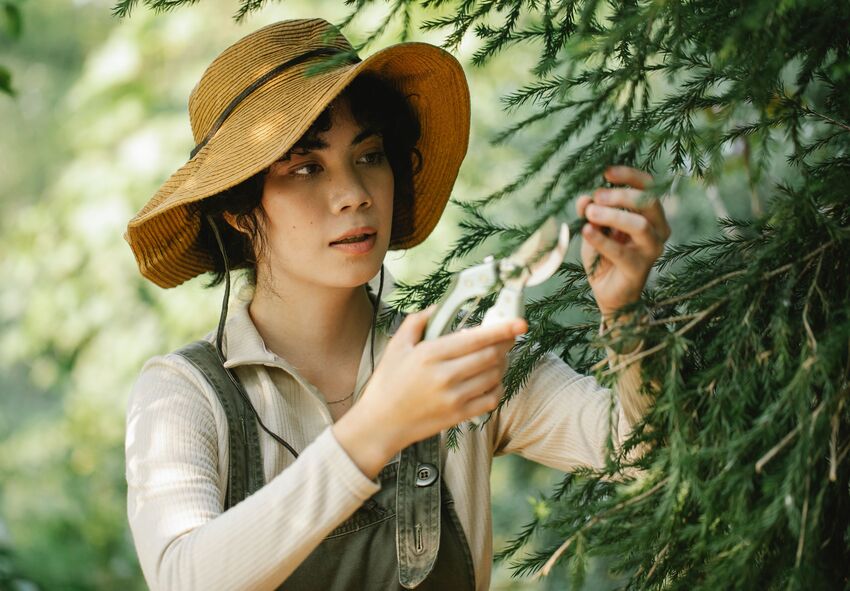
Many trees and shrubs can survive without frequent pruning, but regular trimming offers numerous benefits that improve both plant health and ornamental value. Careful maintenance helps plants grow more efficiently while preventing problems that may develop over time.
Promoting Healthy Growth
One of the primary reasons for trimming is to encourage healthy development. Removing dead, damaged, or weak branches allows the plant to direct more energy toward vigorous new shoots and healthy growth.
Pruning also stimulates the production of new branches in many ornamental shrubs, creating fuller plants with denser foliage. Healthy branch structure improves the plant’s overall strength and helps it better withstand wind, heavy rain, and other environmental stresses. Regular trimming also makes it easier to identify developing problems before they become serious, allowing gardeners to take corrective action early.
Improving Plant Shape and Appearance
Trees and shrubs naturally grow in different forms, but occasional pruning helps maintain an attractive and balanced shape. Removing uneven or overcrowded growth improves the plant’s overall structure while preserving its natural appearance.
Well-maintained ornamental plants contribute to a more organized landscape and complement surrounding flower beds, lawns, and garden features. Carefully shaped shrubs can also serve as attractive focal points or living borders within the garden. Rather than forcing plants into unnatural forms, good pruning enhances their natural growth habit while maintaining visual harmony throughout the landscape.
Preventing Pests and Diseases
Dense, overcrowded branches often reduce air circulation and increase humidity within the plant canopy. These conditions create an environment where fungal diseases and certain insect pests can develop more easily.
Removing damaged or diseased branches improves airflow and allows sunlight to penetrate deeper into the plant. Better ventilation helps foliage dry more quickly after rainfall, reducing the likelihood of disease. Prompt removal of infected wood also limits the spread of pathogens and contributes to healthier long-term growth.
When to Trim Trees and Bushes
The timing of pruning is just as important as the technique itself. Different plants respond best to trimming at different times of the year, depending on their growth cycle and flowering habits.
Best Time to Prune Deciduous Trees
The ideal time to prune deciduous trees depends on their growth cycle, but most species benefit from pruning while they are dormant. During dormancy, the tree experiences less stress, its branch structure is easier to see, and pruning wounds typically heal quickly once spring growth begins. The following guidelines can help determine the best timing for pruning:
- Late winter to early spring is generally the best time to prune most deciduous trees before new growth starts.
- Prune during dormancy to reduce stress and encourage vigorous growth in the upcoming season.
- Remove dead, damaged, or hazardous branches at any time of the year if they pose a safety risk or threaten the tree’s health.
- Avoid heavy pruning during active spring growth, as this can weaken the tree and slow recovery.
- Do not prune during periods of severe frost, as extremely cold temperatures may damage freshly cut branches and delay healing.
Trimming Flowering Shrubs at the Right Time
Flowering shrubs should be pruned according to when they produce their flower buds. Spring-flowering shrubs typically bloom on wood formed during the previous growing season. These plants are usually pruned shortly after flowering to avoid removing next year’s flower buds.
Shrubs that bloom later in summer often flower on new growth produced during the current season. These varieties are generally pruned in late winter or early spring before vigorous growth begins. Understanding the flowering habit of each species helps preserve abundant blooms while maintaining healthy plant structure.
Seasonal Considerations for Evergreen Plants
Evergreen trees and shrubs usually require less extensive pruning than deciduous plants. Light trimming is often sufficient to remove damaged growth and maintain an attractive shape.
Major pruning is generally best performed during periods of active growth when plants can recover more efficiently. Heavy pruning late in autumn is usually avoided because new growth may not have sufficient time to harden before winter temperatures arrive. Routine inspection throughout the year helps identify branches that require attention before problems become more serious.
Basic Tree and Shrub Trimming Techniques
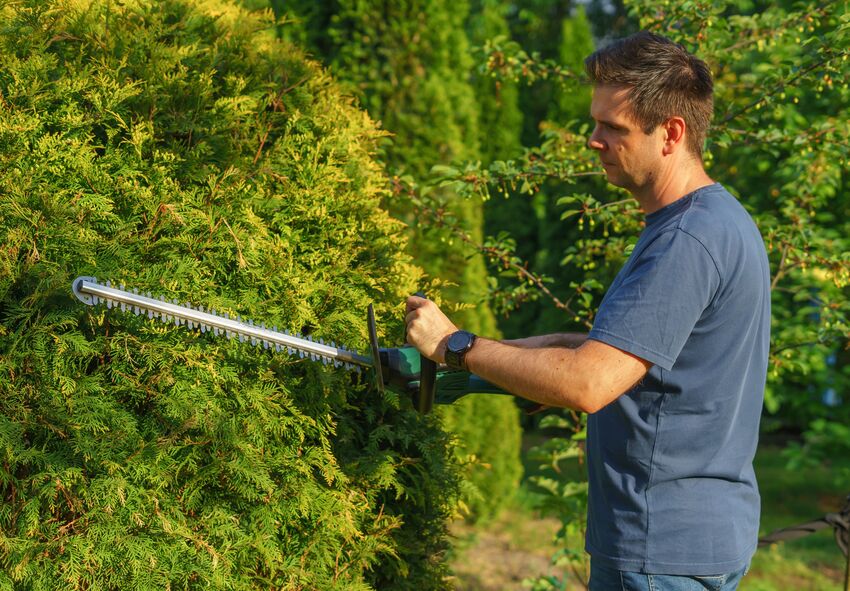
Using proper pruning techniques allows plants to heal more quickly while minimizing unnecessary stress. Careful cutting also improves the long-term appearance and structural integrity of trees and shrubs.
Removing Dead, Damaged, and Diseased Branches
The first step in most pruning tasks is removing branches that are dead, broken, or affected by disease. These branches no longer contribute to healthy growth and may become entry points for insects or pathogens.
Cuts should be made cleanly using sharp tools, removing damaged wood back to healthy tissue or to the branch collar when complete removal is necessary. Proper cutting techniques encourage faster healing and reduce the risk of decay. Regular removal of unhealthy growth helps maintain vigorous plants throughout the growing season.
Thinning for Better Air Circulation
Thinning involves selectively removing branches from crowded areas within the canopy. This creates additional space for air movement and allows sunlight to reach the inner portions of the plant.
Improved ventilation reduces humidity around leaves and branches, helping prevent fungal diseases while encouraging more balanced growth. Thinning also reduces branch competition and supports stronger overall plant structure. The goal is to create an open, natural appearance rather than removing excessive amounts of growth.
Shaping Without Over-Pruning
Shaping helps maintain an attractive form while preserving the natural characteristics of the plant. Rather than cutting indiscriminately, each pruning decision should support balanced growth and overall plant health.
Removing too much foliage at one time can stress the plant, reduce flowering, and stimulate excessive new growth. Gradual shaping over several seasons often produces better long-term results than severe pruning performed all at once. Maintaining the plant’s natural outline generally creates the most attractive and sustainable appearance.
Choosing the Right Pruning Tools
Using appropriate tools makes pruning easier, safer, and more effective. Sharp, well-maintained equipment produces cleaner cuts that heal more quickly.
Hand Pruners and Loppers
Hand pruners are ideal for trimming small branches, stems, and young shoots. They provide precise cuts and are suitable for routine seasonal maintenance of roses, shrubs, and small ornamental trees.
Loppers offer greater cutting power through their long handles and are useful for medium-sized branches that are too thick for hand pruners but too small for a pruning saw. Selecting quality tools improves both efficiency and plant health.
Pruning Saws for Larger Branches
For thicker branches, pruning saws provide clean cuts without damaging surrounding bark. Their specialized blade design allows efficient cutting while reducing unnecessary tearing of plant tissue.
Large branches should be removed carefully using appropriate cutting techniques that prevent bark from splitting as the branch falls. Using the correct tool for each branch size helps maintain both safety and the health of the plant.
Cleaning and Maintaining Garden Tools
Well-maintained pruning tools are essential for making clean cuts and protecting the health of trees and shrubs. Regular cleaning and maintenance not only extend the lifespan of garden equipment but also reduce the risk of spreading pests and diseases between plants. Following a few simple practices will keep your tools in excellent working condition:
- Clean blades after each use to remove sap, dirt, and plant residue.
- Disinfect tools after pruning diseased plants to prevent the spread of pathogens to healthy trees and shrubs.
- Sharpen cutting edges regularly to produce clean cuts that heal more quickly.
- Lubricate moving parts to ensure smooth operation and prevent rust.
- Store tools in a clean, dry place to protect them from moisture and corrosion, extending their service life.
Common Trimming Mistakes to Avoid
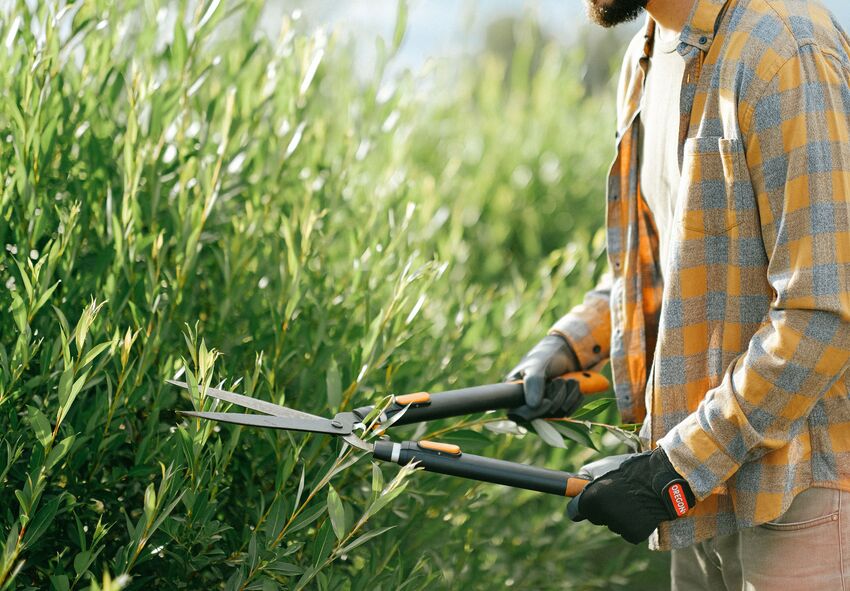
Even experienced gardeners occasionally make pruning mistakes that can affect plant health. Recognizing these common errors helps improve results and reduces unnecessary damage.
Pruning at the Wrong Time
Incorrect timing is one of the most common causes of poor flowering or weakened growth. Removing branches during the wrong season may eliminate developing flower buds or expose fresh cuts to unfavorable weather conditions. Learning the natural growth cycle of each tree or shrub helps determine the most appropriate pruning schedule.
Removing Too Much Growth
Over-pruning places significant stress on plants and may reduce their ability to recover quickly. Excessive removal of branches also decreases the amount of foliage available for photosynthesis. As a general guideline, pruning should be moderate and focused on improving plant health rather than making dramatic changes all at once. Gradual maintenance preserves vigor while allowing the plant to adapt naturally.
Using Dull or Dirty Tools
Blunt pruning equipment crushes stems instead of making clean cuts, increasing healing time and creating entry points for diseases. Dirty tools may transfer pathogens between plants, particularly when working with infected material. Regular sharpening and cleaning ensure healthier cuts, reduce plant stress, and improve the overall quality of pruning work.
Conclusion
Proper trimming is one of the most valuable gardening practices for maintaining healthy, attractive trees and bushes. Regular pruning encourages vigorous growth, improves air circulation, supports flowering and fruit production, and reduces the risk of pests and diseases.
Success depends on understanding each plant’s natural growth habits, selecting the correct time for pruning, using appropriate techniques, and maintaining sharp, clean tools. Careful, consistent maintenance produces healthier plants while preserving their natural beauty. With thoughtful pruning throughout the year, gardeners can enjoy strong, well-shaped trees and shrubs that continue enhancing the landscape for many seasons to come!
Frequently Asked Questions (FAQs) about Trees and Bushes Trim
1. Why is regular trimming important for trees and bushes?
Regular trimming helps maintain healthy growth by removing dead, damaged, or diseased branches that can weaken the plant. It also improves air circulation, encourages stronger branch development, and maintains an attractive shape. Proper pruning can reduce the risk of pests and diseases while supporting better flowering or fruit production, depending on the species, making it an essential part of long-term garden maintenance.
2. What is the best season to trim most trees and shrubs?
The ideal pruning season depends on the plant, but many deciduous trees are best trimmed during late winter or early spring while they are dormant. Flowering shrubs should be pruned according to when they bloom, while evergreen plants often benefit from light trimming during active growth. Understanding each plant’s growth cycle helps maximize recovery, flowering, and overall health.
3. How much of a tree or shrub can I safely remove during pruning?
As a general rule, avoid removing too much growth during a single pruning session. Excessive pruning can stress the plant, reduce photosynthesis, and encourage weak new shoots. Most gardeners aim to remove only the branches necessary to improve health, structure, or appearance. Gradual pruning over several seasons usually produces stronger, healthier plants and more natural-looking results.
4. Why should pruning tools be cleaned after use?
Cleaning pruning tools removes sap, dirt, and plant residue that can harbor harmful fungi, bacteria, or viruses. Disinfecting blades after working on diseased plants helps prevent infections from spreading to healthy trees and shrubs. Keeping tools sharp, clean, and properly maintained also produces smoother cuts that heal more quickly, reducing stress on plants and extending the lifespan of your gardening equipment.
5. Can I order shrubs and bushes from your online store?
Yes, you can order a wide selection of shrubs and bushes from our online store Dutch-bulbs.com, including popular ornamental plants such as hydrangeas, potentillas, and rose plants. We offer high-quality planting material suitable for gardens of all sizes, whether you’re creating colorful borders or decorative landscape features. Our seasonal assortment helps you choose healthy long-lasting plants for your garden.
Published: 10.08.2026