



Crown Imperial (Fritillaria imperialis) is one of the most spectacular spring bulbs, admired for its tall stems and dramatic crowns of orange, red or yellow flowers. However, many gardeners are disappointed when seemingly healthy bulbs rot shortly after planting or fail to emerge the following spring. Unlike tulips, daffodils or hyacinths, fritillarias have several unique characteristics that make them particularly vulnerable to excess moisture.
Fortunately, understanding the reasons behind bulb rot and adopting the correct planting techniques can significantly improve your chances of success. One of the most effective methods is the side-tilting protocol, a simple technique used by professional growers to protect bulbs from water damage. Our gardening blog is a perfect place to find all the information you need!
Why Crown Imperial Bulbs Rot More Often Than Other Spring Bulbs
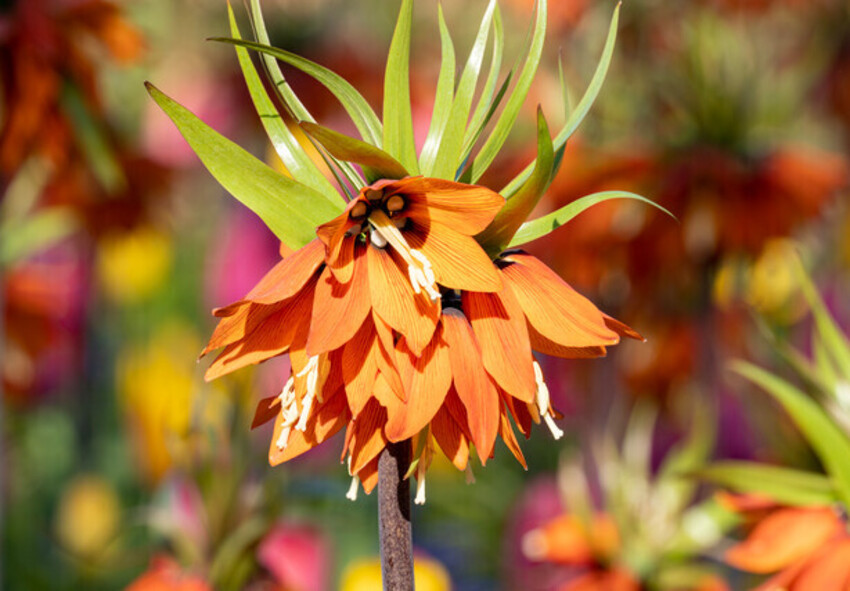
Fritillaria bulbs are naturally more susceptible to rot than many other spring-flowering plants. Their large size, fleshy scales and unusual shape make them extremely sensitive to excess moisture, especially during autumn and winter.
In nature, these plants originate from regions with dry summers and well-drained soils. When grown in heavy, wet gardens, the bulbs often struggle to survive, particularly if water accumulates around their central cavity.
The Unique Structure of Fritillaria imperialis Bulbs
Unlike tulips or daffodils, Fritillaria imperialis bulbs have a large hollow depression in the centre where the previous year’s stem was attached. This cavity acts almost like a small bowl, easily collecting rainwater after planting.
If moisture remains trapped inside the bulb for long periods, fungal diseases and bacterial rot can develop quickly. Understanding this unusual structure is essential for successful cultivation.
Why Fritillaria Bulbs Rot
Bulb rot rarely has a single cause. In most cases, several factors combine to create conditions that encourage fungal growth and tissue breakdown.
Water Accumulation in the Central Cavity
The central depression is the main reason fritillaria bulbs are so prone to rot. When planted upright, rainwater can collect in the cavity and remain there for weeks, especially during wet autumn weather. Over time, this trapped moisture penetrates the fleshy scales, creating ideal conditions for fungal infections. In severe cases, the entire bulb may soften and collapse before spring arrives.
Heavy Soil and Poor Drainage
Clay-rich soils retain water for much longer than sandy or loamy soils. Even healthy bulbs can rot if they are planted in poorly drained locations where moisture accumulates around the roots. Compacted soil also limits oxygen movement, weakening the bulb and increasing its susceptibility to disease. Improving drainage is therefore one of the most important steps in successful fritillaria cultivation.
Planting Too Deep or Too Late
Planting bulbs too deeply can slow root development and increase the amount of moisture surrounding the bulb. Likewise, planting too late in autumn may prevent the roots from establishing before winter dormancy begins. Weakly rooted bulbs are less capable of resisting fungal attacks and temperature fluctuations.
Storage Problems Before Planting
Rot sometimes begins long before the bulbs enter the ground. Improper storage conditions, excessive humidity and poor air circulation can damage the scales and allow fungal pathogens to develop. Bulbs should always be stored in a cool, dry and well-ventilated location until planting time.
The Side-Tilting Planting Protocol
Experienced growers often rely on a surprisingly simple technique to reduce the risk of rot: planting fritillaria bulbs at an angle rather than upright.
Why Professional Growers Plant Bulbs at an Angle
Professional growers understand that the bulb’s central cavity can easily trap water. By positioning the bulb on its side or at a slight angle, they prevent rainwater from accumulating inside the depression. This method closely mimics the natural conditions in which fritillarias evolved and greatly improves survival rates.
How Side-Tilting Prevents Water Damage
When the bulb is tilted, excess water runs off instead of remaining trapped in the centre. The cavity effectively becomes self-draining, reducing the likelihood of fungal infections. Although side-tilting cannot compensate for poor soil or excessive watering, it significantly decreases one of the main causes of bulb failure.
The Correct Planting Angle and Depth
Most gardeners plant Fritillaria imperialis bulbs at an angle of approximately 30–45 degrees. The hollow centre should face sideways rather than upward. Large bulbs are generally planted at a depth of about 20–25 centimetres, although slightly shallower planting may be preferable in heavy soils. Spacing of 25–30 centimetres between bulbs allows adequate airflow and root development.
Additional Drainage Techniques
Side-tilting works best when combined with good drainage practices. Gardeners can improve soil conditions by adding coarse sand, fine gravel or compost to the planting area. Raised beds are another excellent option, especially in regions with heavy rainfall. A thin layer of gravel beneath the bulb may also help excess moisture drain away more quickly.
Step-by-Step Guide to Planting Fritillaria imperialis
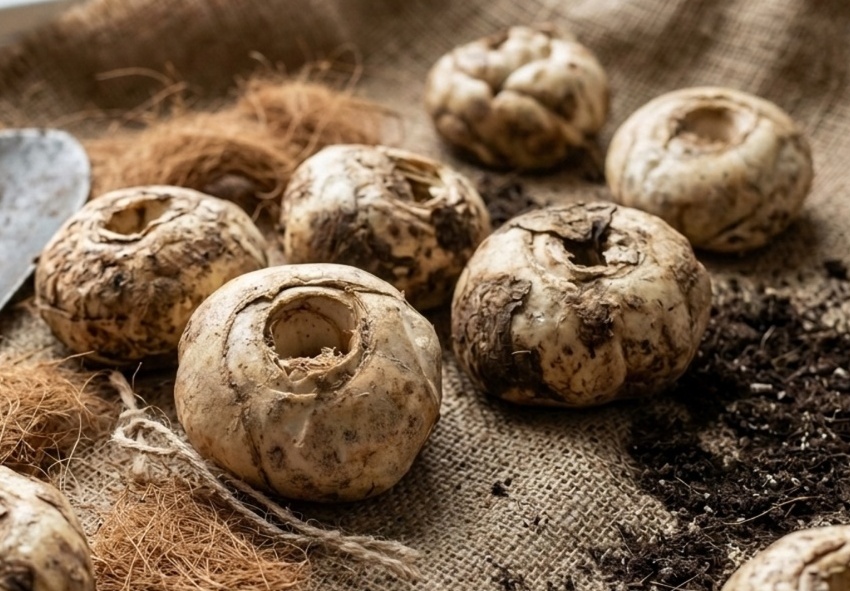
Following a careful planting routine greatly increases the chances of healthy growth and spectacular spring flowering:
- Choosing Healthy Bulbs: Healthy fritillaria bulbs should feel firm, heavy and solid. Minor surface scratches are usually harmless, but soft spots, mould or an unpleasant smell may indicate internal damage. Because fritillaria bulbs dry out more quickly than many other spring bulbs, they should be planted as soon as possible after purchase.
- Preparing the Soil: Choose a sunny location with fertile, well-drained soil. Before planting, loosen the soil thoroughly and mix in compost or coarse sand if drainage needs improvement. Avoid low-lying areas where water tends to collect after heavy rain.
- Positioning the Bulb Correctly: Place the bulb at a 30–45-degree angle so that the central cavity faces sideways. This simple adjustment can dramatically reduce the risk of moisture accumulation. Handle the bulb carefully to avoid damaging its delicate scales.
- Backfilling and Watering: Cover the bulb with loose soil and gently firm the surface. Water lightly after planting to help settle the soil around the roots. Once autumn rains begin, additional watering is usually unnecessary unless conditions are exceptionally dry.
Common Mistakes That Cause Rot
Even experienced gardeners occasionally make mistakes that increase the likelihood of bulb failure. Understanding these common problems can help prevent disappointment and significantly improve the survival rate of crown imperial bulbs. Most cases of bulb rot are caused not by disease alone, but by a combination of unsuitable planting practices and environmental conditions.
Planting in Compact Clay Soil
Dense clay retains excessive moisture and restricts airflow around the bulb. Without proper drainage improvements, fritillarias often struggle in such conditions. Raised beds or soil amendments can significantly reduce this risk. Mixing coarse sand, gravel or compost into the planting area can improve both drainage and soil structure. If your garden naturally contains heavy clay, consider planting fritillarias on a slope or in an elevated bed.
Ignoring the Central Depression
Planting the bulb upright allows water to collect inside the hollow centre, dramatically increasing the chances of rot. The side-tilting technique is specifically designed to solve this problem. Many gardeners are unaware of the importance of the bulb’s unusual structure and plant it in the same way as tulips or daffodils. Simply rotating the bulb slightly during planting can make a significant difference to its long-term health.
Excessive Autumn Watering
Many gardeners continue watering newly planted bulbs even after regular autumn rains begin. Excessive moisture is one of the leading causes of bulb rot. Fritillarias generally require far less water than people expect. In most climates, natural rainfall provides sufficient moisture for root development after planting. Additional watering should only be necessary during unusually dry autumn periods.
Damaging the Bulb During Handling
The fleshy scales of Fritillaria imperialis are easily bruised. Cuts and injuries create entry points for fungal pathogens and bacteria. Always handle bulbs gently during transportation and planting. Dropping the bulb or pressing it too firmly into the soil can damage its protective tissues. Wearing gardening gloves and using appropriate tools can help minimize accidental injuries.
How to Recognize and Save a Rotting Bulb
Early intervention can sometimes prevent the complete loss of a valuable bulb. Regular inspections during planting and storage increase the chances of identifying problems before they become irreversible. The sooner signs of rot are detected, the more likely it is that the bulb can be treated successfully.
What Are Early Signs of Rot?
Rotting bulbs often become soft, lightweight or discoloured. Black or brown patches may appear on the scales, accompanied by an unpleasant odour. If spring growth is weak or completely absent, underground damage may already be advanced. Some bulbs may also develop wet, sunken areas around the central cavity or base plate. Inspecting bulbs before planting can help identify these warning signs early.
Can a Damaged Bulb Be Saved?
If only a small portion of the bulb is affected, it may be possible to remove the damaged tissue with a sterile knife and treat the area with a fungicide. The bulb should then be allowed to dry before replanting in fresh, well-drained soil. However, recovery is never guaranteed. Keeping the treated bulb in a dry, ventilated location for several days can reduce the risk of further infection. Bulbs that retain firm, healthy scales have the best chance of recovery.
When Is It Better to Replace the Bulb?
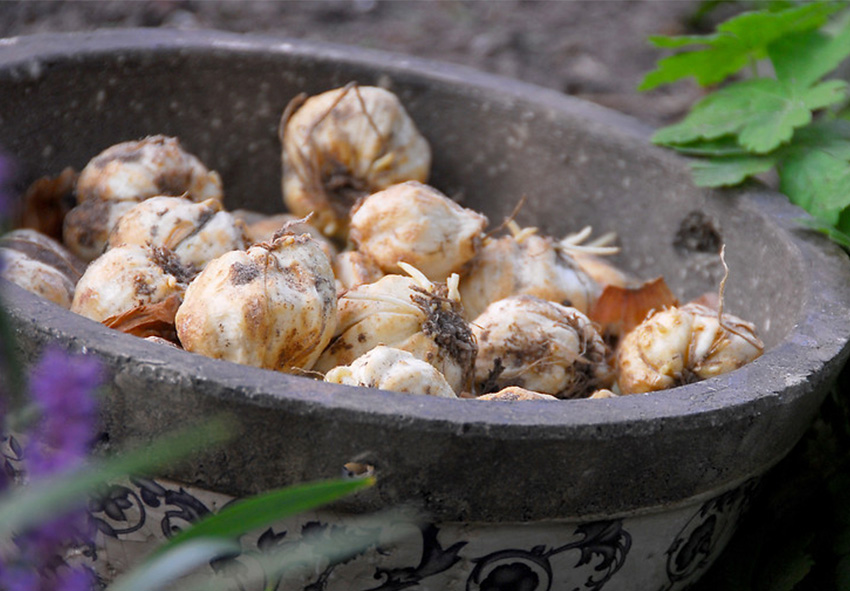
Bulbs that are extensively softened, mouldy or foul-smelling are unlikely to recover successfully. In such cases, replacement is usually the safest option. Discard severely infected bulbs to prevent diseases from spreading to healthy plants nearby. Attempting to save badly damaged bulbs often leads to further losses in the flowerbed. Starting with healthy planting material is usually more effective than trying to rescue bulbs that are already heavily infected.
Conclusion
The unusual structure that makes Fritillaria imperialis so fascinating is also the reason why its bulbs are particularly vulnerable to rot. Water trapped inside the central cavity, combined with poor drainage and incorrect planting techniques, can quickly destroy even large, healthy bulbs.
Fortunately, the side-tilting protocol offers a simple and effective solution. By planting bulbs at an angle, improving soil drainage and avoiding excessive watering, gardeners can dramatically increase their chances of success. With proper care, crown imperial fritillarias will reward you with spectacular spring displays year after year!
Frequently Asked Questions (FAQs) about Side-Tilting Fritillaria
1. Why do Fritillaria imperialis bulbs rot more often than tulip or daffodil bulbs?
Crown Imperial bulbs have a unique hollow depression in the centre where last year’s stem was attached. If the bulb is planted upright, this cavity can collect rainwater, creating ideal conditions for fungal diseases and rot. Heavy soils, poor drainage and excessive autumn watering further increase the risk, making correct planting techniques especially important for successful cultivation.
2. Should Fritillaria imperialis bulbs really be planted on their side?
Yes, many experienced gardeners and commercial growers recommend planting Fritillaria imperialis bulbs at a slight angle, usually between 30 and 45 degrees. Side-tilting prevents water from accumulating in the central cavity and significantly reduces the risk of rot. Combined with well-drained soil and proper planting depth, this method can greatly improve flowering success.
3. Can I order Fritillaria imperialis bulbs from your online store?
Yes, you can order Fritillaria imperialis bulbs from our online store Dutch-bulbs.com, including popular varieties with orange, yellow and red flowers. We offer healthy, high-quality planting material suitable for borders, mixed flowerbeds and naturalistic plantings. Choosing large, firm bulbs from reliable suppliers increases the chances of successful rooting and spectacular spring flowering.
4. What should I do if my crown imperial bulb already shows signs of rot?
If the bulb has only a small damaged area, carefully remove the affected tissue with a sterile knife and treat the wound with a suitable fungicide. Allow the bulb to dry for several days before replanting it in fresh, well-drained soil. However, bulbs that are soft, foul-smelling or heavily mouldy are usually beyond recovery.
5. When is the best time to plant Fritillaria imperialis bulbs?
The best time to plant crown imperial bulbs is from late summer to early autumn, usually between August and September. Early planting gives the bulbs enough time to develop roots before winter arrives. Delaying planting until late autumn may weaken root growth and increase the risk of rot, especially in regions with wet weather.
Published: 12.08.2026