



Few indoor plants create as much holiday drama as an amaryllis in full bloom. Its tall flower stalks and large, trumpet-shaped flowers bring bold color to a home during the darkest months of the year, making it a popular choice for Christmas decorating. Unlike many flowering houseplants, amaryllis bulbs are relatively easy to encourage into bloom indoors with the right timing and care.
If your goal is to have flowers around December 25, timing is the most important part of the process. You need to work backward from your desired flowering date and allow enough time for the bulb to develop roots, produce a flower stalk, and open its blooms. Temperature, watering, light, and bulb quality can all affect the schedule, so a little flexibility is helpful. Our gardening blog is a perfect place to find all the information you need!
Choose the Right Amaryllis Bulb for Forcing
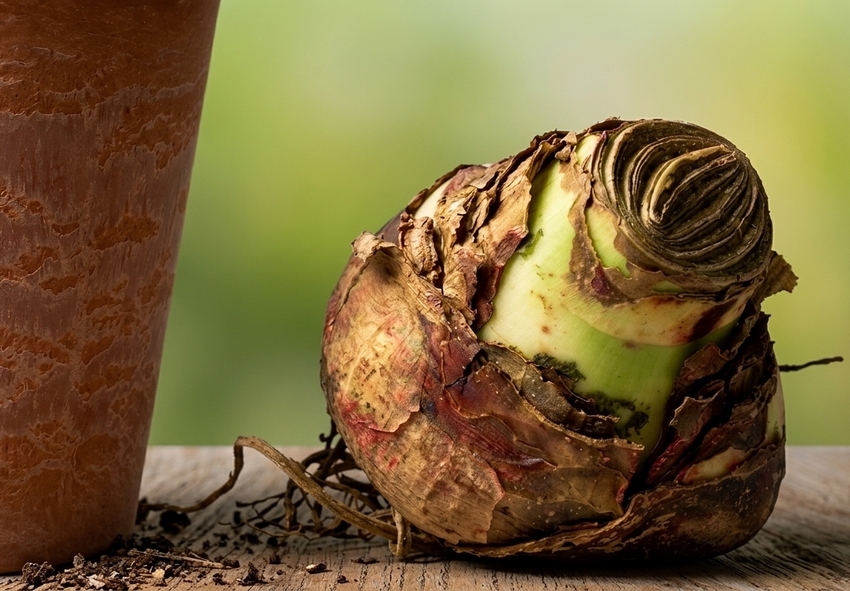
The quality of the bulb has a major influence on the success of your Christmas display. Choose an amaryllis bulb that feels firm and heavy for its size, with no soft spots, mold, deep cuts, or obvious signs of damage. A healthy bulb should have a strong, intact outer surface and should not look dried out or severely shriveled.
Whenever possible, select large amaryllis bulbs specifically sold for flowering indoors. Larger bulbs generally have greater stored energy and are more likely to produce a substantial flower stalk, sometimes with multiple blooms or more than one stalk. Smaller bulbs can still flower, but their display may be less impressive or take longer to develop.
When buying bulbs, also consider the expected flowering time listed by the grower or supplier. Some amaryllis varieties can bloom relatively quickly after planting, while others take longer. Knowing the approximate flowering period makes it much easier to plan for a Christmas display.
When to Plant Amaryllis for Christmas Blooms
The easiest way to plan Christmas amaryllis is to work backward from December 25. Many amaryllis bulbs take approximately 6–10 weeks to flower after planting, although the exact timing varies according to the bulb, variety, temperature, and growing conditions.
For a target of Christmas blooms, potting in late October or November is often a useful starting point. If the bulb is already prepared for forcing, it may flower more quickly, while an untreated bulb may need more time. Always use the expected flowering period provided with the bulb as your primary guide.
If you are starting late, don’t give the bulb excessive heat or water in an attempt to make it grow faster. Warm conditions can speed development, but rushing the plant too aggressively can result in weak, stretched growth. Instead, provide appropriate conditions and accept that a slightly later bloom may be necessary.
How to Plant an Amaryllis Bulb for Forcing
Planting an amaryllis correctly gives the bulb a strong foundation for root development while reducing the risk of rot. The container, growing medium, planting depth, and initial watering all matter.
Choose the Right Pot
Select a heavy, stable pot with a drainage hole. Amaryllis flower stalks can become surprisingly tall, so a lightweight container may tip over once the flowers open. A sturdy pot helps keep the plant upright and makes it easier to enjoy the flowers without constantly repositioning it.
The pot should generally be only slightly larger than the bulb. Amaryllis does not need a large amount of excess soil around its roots, and an oversized container can hold more moisture than necessary. A snug container also provides good support for the growing plant.
Drainage is essential. Make sure excess water can escape freely through the bottom of the container. If the pot has a decorative outer cachepot, empty any water that collects there rather than allowing the planted bulb to sit in standing water.
Use the Right Potting Mix
Use a loose, well-draining potting mix that allows both air and water to move around the roots. A quality indoor potting mix suitable for bulbs or flowering plants is usually appropriate. The goal is to provide enough moisture for root growth without creating constantly wet conditions.
Avoid heavy, poorly draining soil. Amaryllis bulbs can be vulnerable to rot when kept excessively wet, particularly before the plant begins active growth. When planting, leave approximately the upper one-third to one-half of the bulb above the surface of the potting mix. Do not bury the entire bulb. Firm the mix gently around the roots and lower portion of the bulb so that it is secure without compacting the soil.
How to Force Amaryllis to Bloom
Once the bulb is planted, the next stage is to provide conditions that encourage steady root and shoot development. Resist the temptation to treat the bulb like a rapidly growing houseplant from the beginning. Controlled watering, suitable temperatures, and good light will help it develop naturally.
Start with the Right Temperature
Temperature has a strong influence on how quickly amaryllis develops. After planting, place the pot somewhere reasonably warm and protected while the bulb establishes roots and begins producing growth. Avoid extremely hot locations, such as directly above a radiator or beside a heat vent.
Once growth begins, moderate indoor temperatures can encourage steady development. If the flower stalk starts growing very rapidly, moving the plant to a slightly cooler location can help slow the process. This can be particularly useful when you are trying to time the flowers for Christmas. Avoid frequent dramatic temperature changes. A stable environment is generally easier for the plant to handle and makes the flowering schedule more predictable.
Water Carefully
After planting, give the bulb a modest initial watering to settle the potting mix around the roots. After that, allow the upper part of the mix to dry somewhat before watering again. The bulb should never sit in constantly saturated soil.
Before active growth appears, the plant usually needs relatively little water. Overwatering at this stage is one of the easiest ways to create problems with bulb health. Once the flower stalk and leaves are actively developing, the plant will gradually need more regular watering. Water thoroughly enough to moisten the growing medium, then allow excess water to drain away completely. Avoid repeatedly adding small amounts of water to already damp soil.
Provide Bright Light
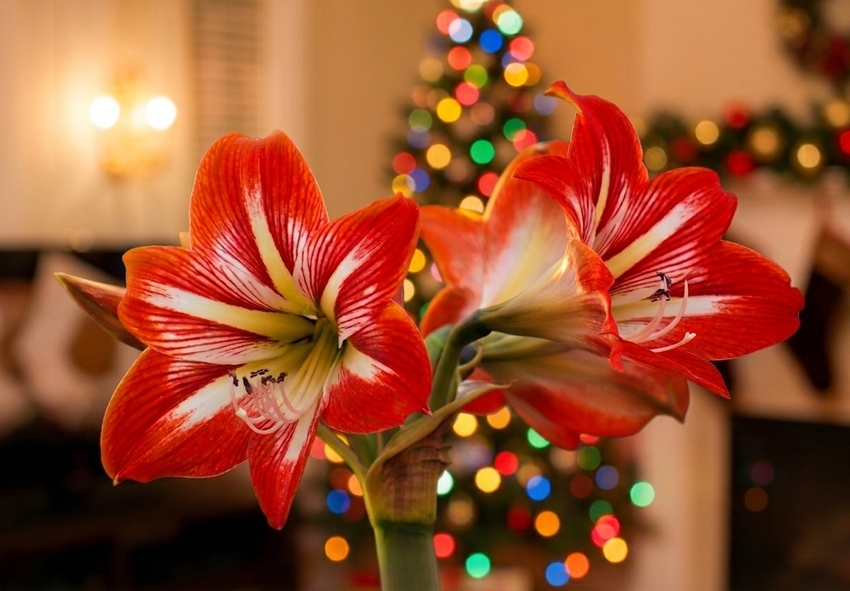
Once the flower stalk begins to emerge, place the amaryllis in a bright location. Good light helps produce sturdy growth and supports healthy flowering. A bright windowsill can work well, provided the plant is not exposed to extreme temperature fluctuations.
Rotate the pot every few days so the flower stalk receives light evenly. Amaryllis naturally tends to lean toward its light source, and regular rotation can help produce a straighter, more balanced plant. Keep an eye on the relationship between light and temperature. A very warm spot with insufficient light can encourage elongated growth, while bright light combined with moderate temperatures can help the plant remain more compact and sturdy.
Common Mistakes When Forcing Amaryllis
Forcing amaryllis is relatively simple, but a few common mistakes can interfere with healthy growth or throw off your Christmas flowering schedule. Avoid these problems to give your bulb the best chance of producing strong stems and spectacular blooms:
- Planting the bulb too deeply: Keep the upper third to one-half of the bulb above the potting mix. Completely burying the bulb can increase the risk of rot.
- Choosing an oversized pot: A container that is much larger than the bulb can retain excess moisture and make the plant less stable.
- Overwatering: Constantly wet soil can damage the roots and bulb. Allow the growing medium to dry somewhat between waterings.
- Keeping the bulb too warm: Excessive heat can encourage rapid, weak growth and make it harder to time flowering for Christmas.
- Providing insufficient light: Once active growth begins, place the amaryllis in a bright location to encourage sturdy flower stalks and healthy development.
How Long Does It Take Amaryllis to Bloom?
Amaryllis commonly takes around 6–10 weeks to flower after planting, but there is no universal schedule. Some bulbs develop quickly, while others take considerably longer. The variety, bulb condition, temperature, and whether the bulb has already been prepared for forcing can all affect the timing.
The process generally begins with root development, followed by the emergence of a flower stalk. As the stalk elongates, the developing flower buds become more visible. Eventually, the buds open into large trumpet-shaped flowers.
If your flower stalk is developing faster than expected, move the plant to a slightly cooler but still bright location. If development is slow, make sure the bulb is receiving adequate light and is not being kept in excessively cold conditions. Avoid trying to compensate for slow growth with excessive watering.
How to Keep Amaryllis Blooming Through Christmas
Once the flowers begin to open, moderate temperatures can help extend the display. Keep the plant away from hot radiators, heating vents, fireplaces, and other sources of dry, intense heat. Avoid sudden environmental changes whenever possible. A stable location with bright, indirect or filtered light can help the flowers remain attractive for longer.
Because amaryllis flower stalks can become tall and top-heavy, you may need to provide discreet support. A thin stake and soft plant tie can prevent the stalk from bending or falling, particularly when several large flowers open at once.
Continue watering as needed while the plant is actively growing, but always check the potting mix first. The surface should have some opportunity to dry between waterings, and excess water should always drain away.
What If Your Amaryllis Blooms Too Early?
An amaryllis that is developing ahead of schedule can be moved to a cooler location to slow its progress. Choose a spot that remains bright enough for healthy growth but is cooler than the warmest areas of your home.
Avoid placing the plant in a very cold or drafty location simply to delay flowering. Extreme cold can damage the plant and create additional stress. If flowers have already opened, cooler conditions can help prolong their display. Keeping the plant away from direct heat sources and maintaining consistent care can make the blooms last longer through the holiday period.
What If Your Amaryllis Is Not Blooming?
There are several reasons an amaryllis may be slower to flower than expected. The bulb may need more time, particularly if it was not preconditioned for forcing. A smaller or weaker bulb can also have fewer stored resources available for rapid flower production.
Temperature and light can influence development as well. Very cool conditions may slow growth, while insufficient light after growth begins can contribute to weak or stretched development. Excessive watering can also cause root or bulb problems rather than encouraging faster flowering.
If the bulb is healthy and showing signs of active growth, patience is often the best approach. Not every amaryllis will follow the exact same Christmas timetable, so a healthy plant that flowers a little later is preferable to one rushed into poor growth.
After Christmas: What to Do with Amaryllis
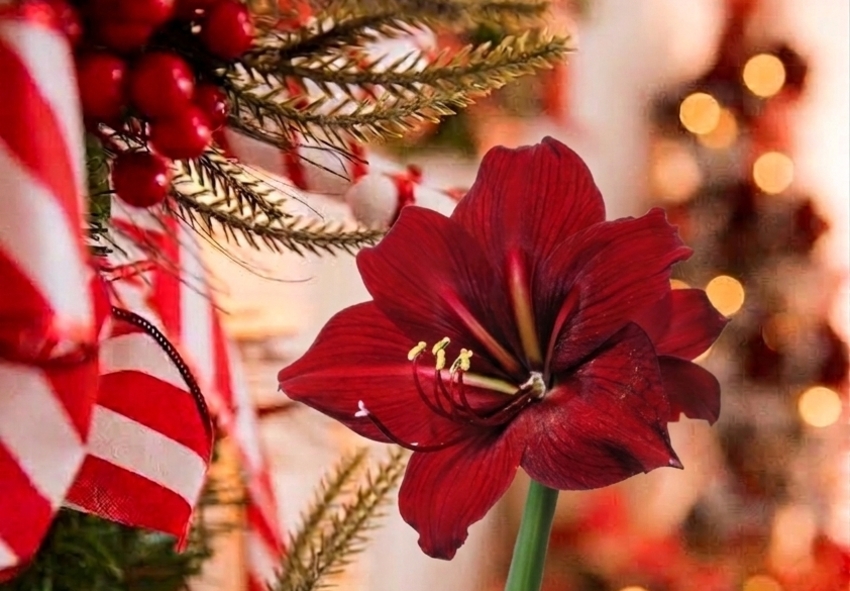
When the flowers fade, don’t throw the bulb away. With continued care, an amaryllis can store energy and potentially flower again in a future season. Remove the faded flowers before they begin producing seeds, but leave the flower stalk and leaves in place while they remain green. The leaves are important because they continue photosynthesis and help replenish the bulb’s energy reserves.
Continue providing bright light, appropriate watering, and occasional feeding while the leaves are actively growing. The aim is to allow the bulb to rebuild its resources rather than immediately forcing it into another flowering cycle. Later, the plant can be given a suitable rest period depending on the growing method and variety. With proper care, the same bulb can become part of your holiday tradition year after year.
Conclusions and Checklist
Forcing an amaryllis for Christmas is mainly a matter of starting with a healthy bulb and managing the timing carefully. Plan backward from December 25 and provide the right growing conditions for the best results. Knowing the symbolism, history, and traditions behind amaryllis as a Christmas flower can make its spectacular winter blooms even more meaningful as part of your holiday celebrations.
Simple Christmas amaryllis checklist:
- Late October–November: Pot the bulb according to its expected flowering time.
- After planting: Give it a moderate initial watering and avoid keeping the soil wet.
- As growth begins: Provide a stable, moderately warm environment.
- When the stalk emerges: Move the plant to a bright location.
- As Christmas approaches: Use slightly cooler conditions if flowering is developing too quickly.
- During bloom: Keep the plant away from strong heat and support tall flower stalks if necessary.
- After flowering: Remove faded flowers but keep the green leaves growing to help restore the bulb.
With the right preparation, an amaryllis can turn into a spectacular living Christmas decoration — and with a little post-holiday care, that same bulb can reward you with another show in the seasons to come!
Frequently Asked Questions (FAQs) about Forcing Amaryllis for Christmas
1. When should I plant amaryllis bulbs for Christmas blooms?
To have amaryllis flowers around Christmas, plant the bulbs approximately 6–10 weeks before your desired bloom date. For many varieties, late October through November works well, but flowering times vary. Check the bulb’s expected forcing period and work backward from December 25 to choose the best planting date for your specific bulb.
2. Can I order amaryllis bulbs from your online store?
Yes, you can order amaryllis bulbs from our online store Dutch-bulbs.com and choose from available varieties for indoor forcing. When selecting a bulb, look for a large, firm, healthy specimen without soft spots, mold, or visible damage. Check the expected flowering period as well, especially if you want to time the blooms for Christmas.
3. How long does it take to force an amaryllis bulb to bloom?
An amaryllis bulb typically takes about 6–10 weeks to bloom after planting, although the exact time depends on the variety, bulb size, temperature, light, and whether the bulb has been prepared for forcing. Some bulbs flower sooner, while others take longer. Providing stable conditions can help encourage steady and predictable development.
4. How often should I water an amaryllis bulb when forcing it?
Water an amaryllis bulb moderately after planting, then allow the upper portion of the potting mix to dry somewhat before watering again. Before active growth begins, the bulb generally needs little water. Once the flower stalk and leaves develop, increase watering gradually, but always allow excess moisture to drain away completely.
5. What should I do with amaryllis after it blooms?
After flowering, remove the faded flowers but keep the green flower stalk and leaves growing. Place the plant in a bright location and continue appropriate watering so the leaves can replenish the bulb’s stored energy. With proper post-bloom care and a suitable rest period, an amaryllis bulb can potentially flower again in a future season.
Published: 16.09.2026