



Mice may look harmless, but a small garden population can quickly become a nuisance. They can dig around plants, eat seeds and bulbs, nibble young shoots, and make their way into sheds or other garden structures.
Learning how to get rid of mice in the garden starts with understanding why they visit in the first place. By removing food and shelter, protecting vulnerable plants, and making your garden less attractive to rodents, you can reduce mouse activity without relying on harmful methods. Our gardening blog is a perfect place to find any information you need!
Why Mice Come Into Gardens
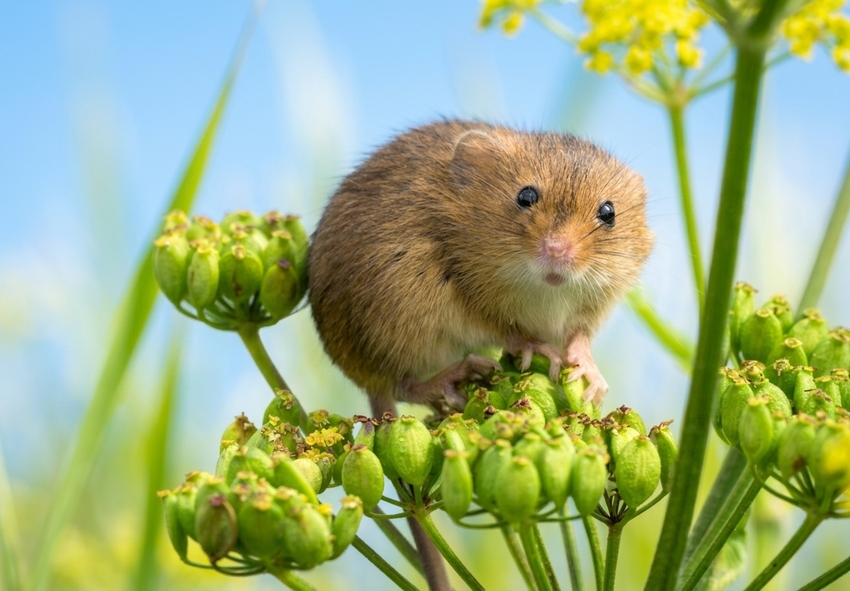
Gardens provide mice with three things they need to thrive: food, water, and shelter. Seeds, fallen fruit, vegetables, flower bulbs, bird food, and compost can all provide easy meals. Dense vegetation, piles of leaves, woodpiles, garden sheds, and areas of undisturbed soil also offer safe places to hide and build nests. During cooler weather, mice may become particularly interested in protected areas where they can escape low temperatures.
A garden doesn’t need to be neglected to attract mice. Even a well-maintained landscape can provide plenty of resources if food and shelter are easily available. The good news is that you can often make a noticeable difference by changing a few everyday gardening habits. Instead of focusing only on removing mice after they arrive, make the garden less appealing to them in the first place.
How to Tell If You Have Mice in the Garden
Mice are small and mostly active around dusk, at night, and during quiet periods, so you may not see them directly. Look for several signs rather than relying on one clue:
- Mouse Droppings: Small, dark, pellet-shaped droppings around sheds, containers, compost areas, or sheltered parts of the garden may indicate mouse activity. Fresh droppings are usually darker and softer than older ones.
- Gnaw Marks on Plants and Containers: Mice have constantly growing front teeth and may gnaw on seeds, stems, plastic containers, wooden structures, and other materials. Small bite marks around stored food or garden supplies can be a useful clue.
- Burrows and Nesting Areas: Small holes beneath sheds, shrubs, compost bins, or piles of garden material may indicate that mice are using the area for shelter. Look for nesting material nearby.
- Damaged Bulbs and Seeds: Newly planted bulbs and stored seeds can be attractive food sources. Missing seeds, hollowed bulbs, or small bite marks can suggest rodent activity.
- Tracks and Runways: Mice often travel along the same protected routes. Look for narrow paths through vegetation, disturbed soil, or small footprints in dusty areas.
One sign alone doesn’t always confirm a mouse problem. Check for several clues and consider other garden pests that can cause similar damage.
What Attracts Mice to Your Garden?
Before trying to remove mice, it’s worth identifying what is attracting them. Eliminating easy food and shelter can make your garden much less appealing.
Bird Feeders and Fallen Seed
Bird feeders can unintentionally provide an easy food source for mice. Seeds that fall onto the ground can accumulate beneath feeders, creating a convenient feeding area. Position feeders away from dense vegetation and regularly clean up spilled seed. Choosing feeder designs that reduce waste can also help. Avoid leaving large amounts of bird food on the ground. If you feed birds, focus on providing enough food for birds without creating a constant food supply for rodents.
Compost and Food Waste
Compost is useful for improving garden soil, but poorly managed compost can attract mice. Vegetable scraps, fruit, grains, and other food materials may provide an appealing meal. Use a secure compost bin where possible and avoid adding large quantities of food waste at once. Follow good composting practices and keep the surrounding area tidy. If you use an open compost pile, consider whether a covered or enclosed system would be more suitable for your garden.
Overgrown Vegetation
Dense vegetation gives mice excellent cover from predators. Long grass, thick ground cover, weeds, and dense shrubbery can create protected pathways through the garden. This doesn’t mean you need to remove every natural habitat. Instead, maintain sensible clearance around sheds, patios, walls, and other areas where mice might seek shelter. Regular trimming can make it harder for mice to move around unnoticed.
Woodpiles and Garden Debris
Stacks of firewood, unused pots, cardboard, piles of leaves, and other garden debris can become attractive nesting locations. Keep firewood elevated from the ground and, where practical, store it away from the walls of your home or garden buildings. Remove unnecessary clutter and avoid allowing piles of debris to remain undisturbed for long periods. A tidy storage area gives mice fewer opportunities to establish nests.
Accessible Sheds and Storage Areas
A small gap beneath a shed door or around a wall can be enough for mice to enter. Once inside, garden buildings can provide warmth, shelter, and access to stored seeds or other materials. Inspect sheds, garages, greenhouses, and storage areas regularly. Seal suitable gaps with durable materials while ensuring that you don’t accidentally trap animals inside. Keep seeds, bulbs, pet food, and other attractive materials in secure containers.
How to Get Rid of Mice in the Garden
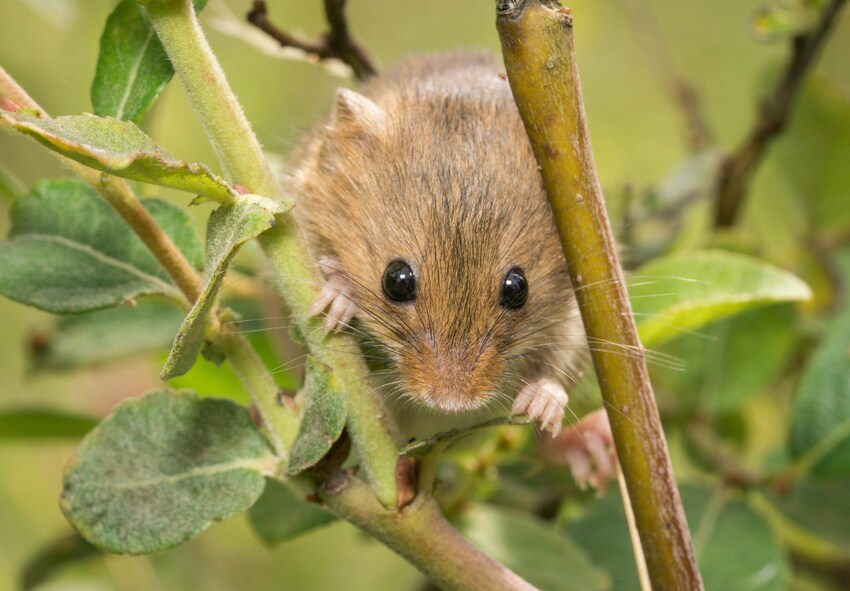
Once you’ve identified the conditions attracting mice, focus on making those conditions less favorable. Combining several prevention methods is generally more effective than relying on one solution.
Remove Food Sources
Start by removing the easiest food sources. Clean up fallen bird seed, harvest ripe fruits and vegetables promptly, and store seeds and garden supplies in sealed containers. Don’t leave pet food outdoors overnight, and manage compost carefully. If mice have fewer reliable food sources, they’re less likely to remain in the area. Food management is one of the simplest and most important steps in long-term mouse control.
Reduce Garden Hiding Places
Trim excessive vegetation and remove unnecessary piles of leaves, cardboard, unused containers, and other clutter. Keep areas around sheds and walls reasonably clear. You don’t need to create a completely bare garden. Wildlife-friendly features can remain, but consider placing dense habitat away from buildings and areas where mice are causing problems. Creating some open space makes it harder for mice to move safely between hiding places.
Secure Compost and Waste
Use containers with secure lids for food waste and compost where possible. Check that the container is sturdy and doesn’t have large openings at the base. Avoid leaving food scraps exposed for extended periods. If you’re using a composting system, follow its recommended balance of green and brown materials. A well-managed compost system can support your garden without becoming an easy food source for rodents.
Block Access to Sheds and Outbuildings
Inspect doors, walls, vents, and other potential entry points around garden buildings. Repair damaged doors and use appropriate mesh or durable materials to close gaps where rodents may enter. Pay particular attention to spaces around pipes and utility openings. Before sealing an opening, make sure no animals are currently inside. If you suspect an established infestation, professional advice may be appropriate.
Keep the Garden Clean and Tidy
Regular garden maintenance can make a surprisingly large difference. Remove fallen produce, clean up spilled seed, store equipment properly, and avoid accumulating unnecessary debris. A tidy garden doesn’t have to look sterile or overly formal. Summer garden cleanup helps remove food sources and hiding places, while autumn garden cleanup prepares the garden for winter and reduces potential shelter for mice.
Natural Ways to Deter Mice
Natural deterrence focuses on changing the garden environment rather than immediately turning to chemical control. These methods can be useful as part of a broader prevention strategy.
Using Strong-Smelling Plants
Some gardeners use strongly scented plants such as mint, lavender, rosemary, or certain aromatic herbs in an attempt to discourage mice. However, these plants shouldn’t be considered a guaranteed mouse repellent.
Their strongest value is often as attractive garden plants that can contribute to a diverse planting scheme. Use them alongside sanitation, food control, and physical barriers rather than relying on scent alone. Avoid applying concentrated essential oils or homemade mixtures around pets and wildlife without checking their safety first.
Creating an Unfriendly Habitat
A garden can be made less attractive to mice by reducing easy access to food and hiding places. Keep vegetation managed around structures, remove unnecessary clutter, and avoid leaving food outdoors.
Physical barriers can also be useful around particularly vulnerable areas. Fine metal mesh can help protect bulbs, seedlings, and other plants when installed securely. The idea isn’t to make your garden unpleasant for every animal. Instead, create conditions that discourage rodents while continuing to support beneficial wildlife.
Encouraging Natural Predators
Natural predators can play an important role in garden ecosystems. Owls, hawks, foxes, and some other wildlife may prey on mice. Providing suitable habitat for native predators can contribute to natural pest control.
For example, avoiding unnecessary pesticide use can help maintain a healthy food web. However, don’t introduce or deliberately attract predators in unsafe ways. Never leave food out for wild predators, and consider the needs and safety of pets and local wildlife.
Protecting Plants from Mice
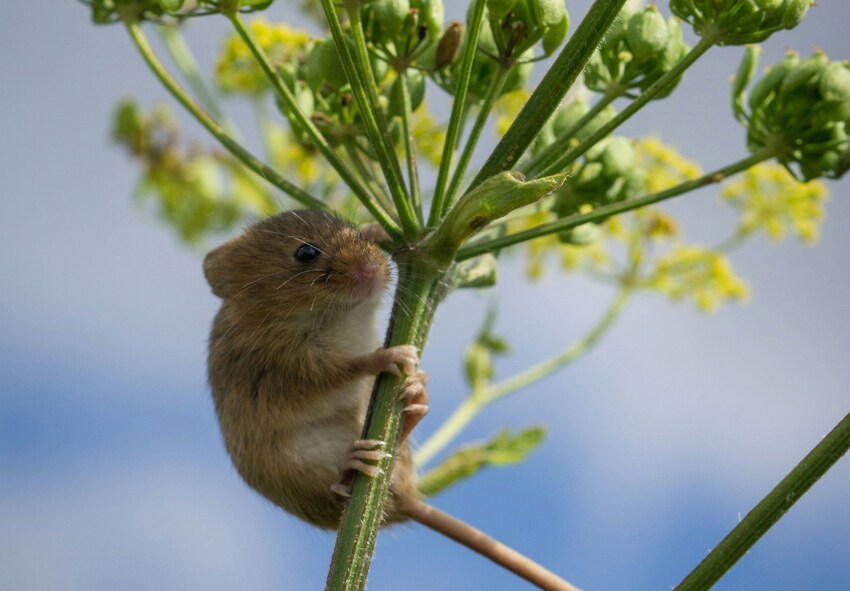
Even when mouse numbers are relatively low, vulnerable plants may still suffer damage. Seeds, seedlings, young stems, fruits, and newly planted bulbs can all be tempting food sources.
Protecting Seeds and Seedlings
Seeds and young seedlings are particularly vulnerable because they are small, tender, and often easy for mice to reach. Use fine mesh or protective covers around newly planted areas. For containers, consider placing them in locations where rodents have limited access. When starting seeds, keep trays and packets in secure areas until plants are large enough to withstand minor nibbling. Store unused seeds in tightly sealed containers.
Safeguarding Vegetables and Fruits
Mice may nibble vegetables and fruits, especially when produce is close to the ground. Harvest ripe crops regularly and remove damaged or fallen produce. Protect vulnerable beds with suitable mesh where necessary. Raised beds can also make monitoring and physical protection easier, although they aren’t completely mouse-proof. Keep surrounding vegetation managed so mice have fewer concealed routes to your crops.
Protecting Newly Planted Bulbs
Flower bulbs can be especially frustrating to lose after you’ve spent time planting them. Mice and other rodents may dig around freshly planted bulbs or feed on them underground. Bulb baskets and fine protective mesh can provide a physical barrier. Planting bulbs at their recommended depth and firmly covering disturbed soil can also reduce easy access. If rodents repeatedly damage particular bulbs, consider discussing less attractive bulb choices with a local garden center or plant specialist.
Preventing Mice From Returning
Getting rid of current mouse activity is only part of the job. Long-term prevention depends on continuing to remove the conditions that make your garden attractive.
Maintaining a Tidy Garden
Keep paths, planting areas, sheds, and storage spaces reasonably tidy. Remove fallen fruit, excess garden debris, and unused materials that could become nesting sites. Regular maintenance also makes it easier to notice new holes, droppings, or gnaw marks before a larger problem develops.
Protecting Compost
Keep compost covered and prevent food scraps from accumulating around the outside of the bin. A secure compost system helps reduce odors and limits access for rodents. If you notice repeated mouse activity around compost, review what you’re adding and how securely the container is closed.
Inspecting Garden Buildings
Check sheds, greenhouses, garages, and other structures for new gaps or damage. Pay attention to doors, vents, corners, and areas where pipes enter the building. Repairing small access points early can prevent mice from turning a garden building into a regular nesting location.
Managing Bird Feeders
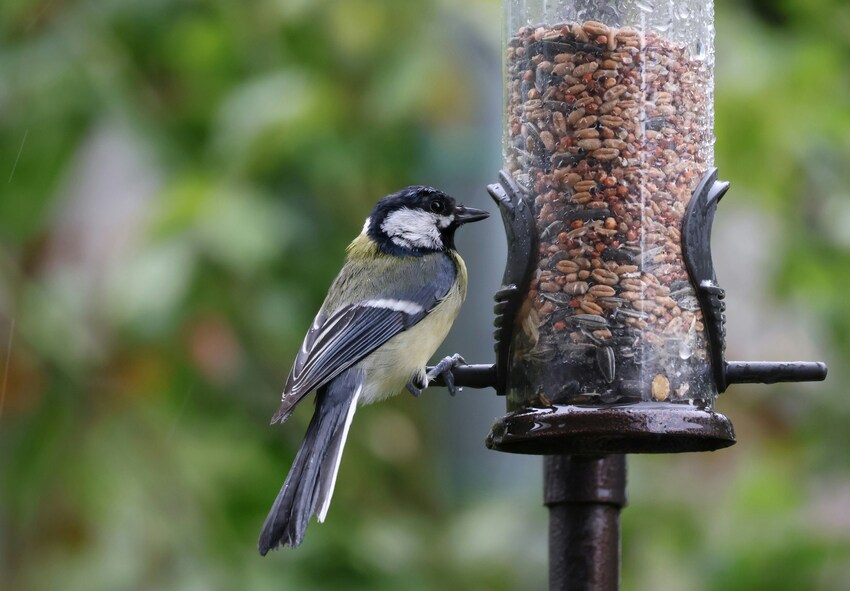
Place bird feeders where spilled seed can be cleaned easily. Sweep beneath feeders regularly and avoid leaving large quantities of food on the ground. Choose feeders designed to minimize waste, and consider bringing feeders into secure storage overnight if mouse activity is persistent.
Regularly Checking for New Activity
Continue monitoring your garden even after mouse activity decreases. Look for fresh droppings, new burrows, damaged plants, or disturbed soil. Early detection makes prevention much easier. If signs continue despite removing food and shelter, or if mice have entered your home, consider contacting a qualified pest-control professional.
Conclusion
Learning how to get rid of mice in the garden is mainly about changing the conditions that attract them. Removing accessible food, securing compost, reducing unnecessary hiding places, protecting vulnerable plants, and sealing suitable entry points can all help reduce mouse activity.
Physical barriers are especially useful for protecting seeds, seedlings, vegetables, and newly planted bulbs. Natural predators can also contribute to a balanced garden ecosystem, while good garden hygiene provides an important foundation for long-term prevention.
The goal isn’t necessarily to eliminate every mouse from the surrounding environment. Instead, create a healthy, well-managed garden where rodents have fewer reasons and opportunities to settle. Regular monitoring will help you spot problems early and protect your plants throughout the growing season.
Frequently Asked Questions (FAQs) about Mice in the Garden
1. What is the most effective way to get rid of mice in the garden?
The most effective approach is to remove the food, water, and shelter that attract mice. Secure birdseed and compost, clean up fallen fruit, reduce garden clutter, and seal suitable entry points in sheds. Protect vulnerable plants with mesh or bulb baskets, and consider professional pest control if activity persists.
2. Can I order plants and bulbs from your online store?
Yes, you can order a variety of plants and flower bulbs from our online store Dutch-bulbs.com. Choosing suitable plants and protecting vulnerable bulbs can help you create a beautiful, healthy garden while reducing pest damage. Browse our selection of garden plants, bulbs, and gardening supplies to find options for your outdoor space.
3. What plants can help deter mice from the garden?
Aromatic plants such as mint, lavender, rosemary, and other strongly scented herbs are sometimes used to discourage mice. However, their effectiveness as repellents isn’t guaranteed. They work best as part of a broader prevention strategy that includes removing food sources, reducing hiding places, securing compost, and protecting vulnerable plants with physical barriers.
4. How can I protect flower bulbs from mice?
You can protect flower bulbs by planting them at the recommended depth and using wire bulb baskets or fine mesh barriers. Firmly covering disturbed soil after planting may also make digging more difficult. Store unused bulbs securely, and inspect newly planted areas regularly for signs of digging, gnawing, or disturbed soil.
5. Are mice dangerous to plants in the garden?
Mice can damage a variety of garden plants by eating seeds, bulbs, seedlings, fruits, vegetables, and tender stems. They may also dig around newly planted areas and create burrows. While occasional nibbling may cause limited damage, repeated activity can affect plant establishment and reduce harvests or ornamental displays.
Published: 01.08.2026