



Hostas are generally reliable, low-maintenance perennials, valued for their attractive foliage, shade tolerance, and wide range of leaf colors and forms. However, like any garden plant, hostas can occasionally be affected by pests and diseases. Slugs, snails, vine weevils, aphids, fungal problems, and other issues can reduce their appearance and, in severe cases, affect plant health.
Effective pest and disease control for hosta starts with identifying the problem correctly. Early detection makes most problems easier to manage, while good growing conditions and regular monitoring can prevent many issues from becoming severe. Rather than treating every damaged leaf immediately, inspect the plant carefully and consider whether the symptoms point to insects, disease, environmental stress, or normal seasonal changes. Our gardening blog is a perfect place to find all the information you need!
Common Hosta Pests
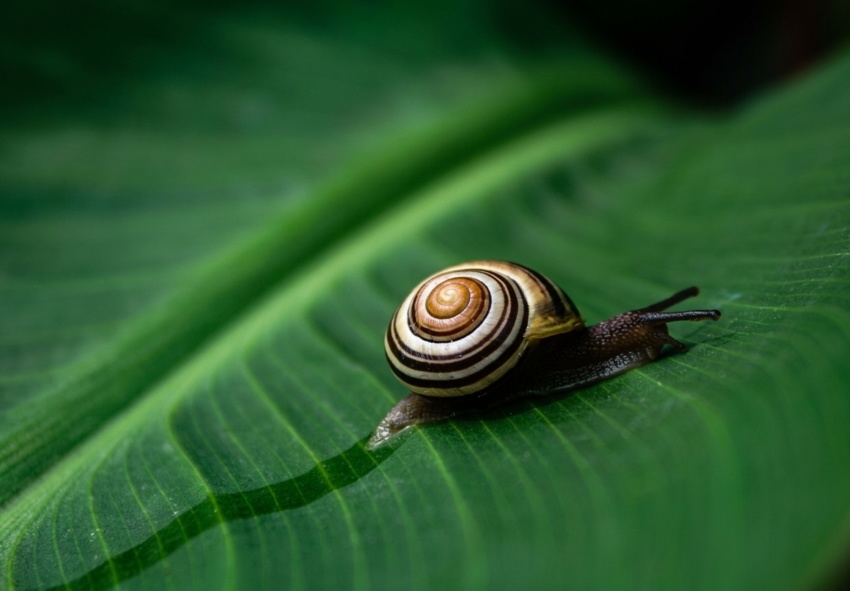
Hosta pests can affect foliage, stems, roots, or crowns, and the type of damage often provides useful clues. Regular inspection is one of the simplest ways to identify hosta pests before they cause extensive damage.
Slugs and Snails
Slugs and snails are among the most familiar problems for gardeners growing hostas. Their soft, succulent foliage is particularly attractive to these pests, especially when plants are growing in cool, moist conditions.
Typical signs include irregular holes, ragged leaf edges, and damaged young leaves. Feeding is often most noticeable overnight, during damp weather, or in areas where the soil and surrounding vegetation provide shelter.
To control slugs and snails, regularly inspect plants and the soil around them, particularly during periods of high activity. Removing hiding places, hand-picking pests where practical, and using suitable physical barriers can help reduce damage. Approved slug-control products can also be used when necessary, following the product label carefully.
If you are wondering how to stop slugs eating hostas, remember that consistent monitoring is often more useful than relying on a single treatment. Reducing suitable hiding places around plants can also make the area less favorable to slugs and snails.
Aphids
Aphids are small sap-feeding insects that may occasionally colonize young hosta growth. They can gather on stems, developing leaves, or other soft plant tissue. Heavy feeding may cause distorted or weakened young growth. Aphids can also produce sticky honeydew, which may appear on leaves and can encourage the growth of sooty mold.
Regular inspection can help detect small colonies before they become a significant problem. Natural predators such as ladybirds, lacewings, and some hoverfly larvae can help keep aphid populations under control. Where intervention is necessary, use an appropriate treatment according to the label and avoid unnecessary broad-spectrum insecticides that may harm beneficial insects.
Vine Weevils
Vine weevils can cause two different types of damage, depending on their life stage. Adult weevils feed on foliage, often leaving characteristic notches around leaf margins. The larvae can be more concerning because they live in the growing medium or soil and feed on roots and crowns. Severe root feeding can result in poor growth, wilting, yellowing, or plant decline.
When vine weevil damage is suspected, inspect both the foliage and the root zone rather than focusing only on visible leaf damage. Control options vary depending on the life stage and growing situation, so identifying the pest correctly is important before choosing a treatment.
Other Potential Pests
Hostas may occasionally encounter other insects and pests, including leafhoppers, thrips, mites, and various chewing insects. Their presence does not necessarily mean that a plant is experiencing a serious infestation. Small amounts of cosmetic damage can sometimes be tolerated, particularly when the plant continues to grow normally. Before using a pesticide, examine the affected foliage and, if possible, identify the pest responsible.
Correct identification is an important part of hosta pest control because different pests require different management approaches. Treating the wrong problem can waste time and may unnecessarily affect beneficial organisms.
Common Hosta Diseases
Hosta diseases can affect leaves, crowns, roots, or the entire plant. Symptoms can sometimes resemble pest damage or environmental stress, making careful observation important when diagnosing hosta diseases. Good drainage, appropriate watering, clean planting material, and regular sanitation can reduce the risk of many problems. When disease is suspected, look at the entire plant rather than focusing only on the most visible symptom.
Crown and Root Rot
Crown and root rot can cause serious problems, particularly when hostas are growing in persistently wet or poorly drained conditions. Symptoms may include yellowing leaves, wilting, poor growth, soft or discolored tissue, and deterioration of the crown.
Excessive moisture can create conditions that favor root and crown problems, especially when water remains around the roots for extended periods. Improving drainage and avoiding excessive irrigation are important preventive measures. If severe rot is present, affected plant material may need to be removed. When treating root rot in hostas, improving the underlying growing conditions is just as important as dealing with the visibly affected tissue.
Bacterial Diseases
Bacterial diseases can sometimes cause water-soaked lesions, soft tissue, unusual discoloration, or rapid deterioration of affected plant parts. Once established, bacterial problems can be difficult to manage, particularly when conditions continue to favor their development.
Using clean planting material and avoiding unnecessary injury to leaves and crowns can help reduce risks. Good sanitation is also important when working with multiple plants. If a bacterial problem is strongly suspected, avoid spreading contaminated plant material or soil to healthy hostas. Clean tools after working with affected plants and follow appropriate disposal practices for severely diseased material.
Fungal Leaf Diseases
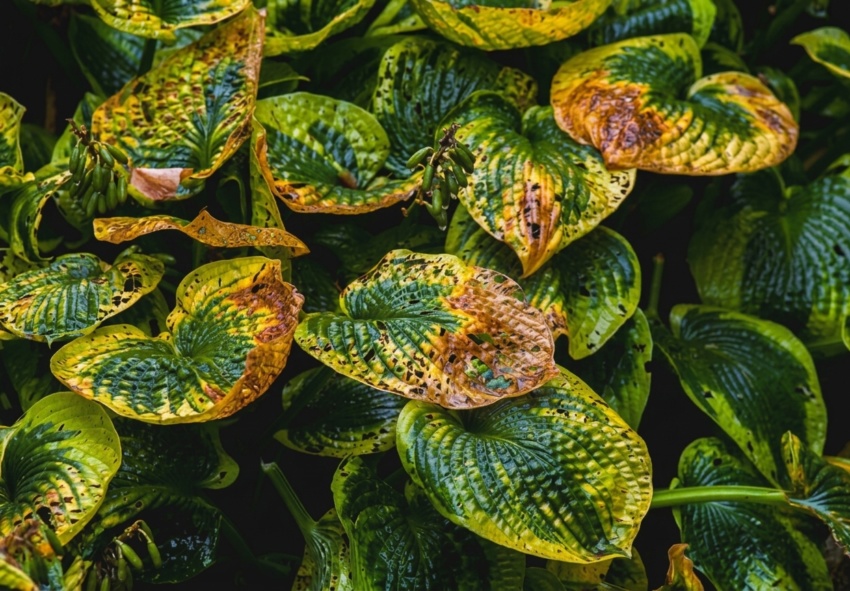
Fungal problems can produce spots, discoloration, browning, or deteriorating areas on hosta leaves. The appearance of symptoms can vary depending on the particular pathogen and environmental conditions.
Prolonged leaf wetness, poor air circulation, overcrowding, and humid conditions can encourage some fungal diseases. Good garden hygiene can therefore play an important role in hosta disease control. Remove severely affected foliage where appropriate and keep the planting area reasonably clean. Water the soil around the plant rather than unnecessarily wetting the leaves, and provide enough space between plants for air movement.
Hosta Virus Diseases
Viral infections can produce unusual patterns in hosta foliage, including streaking, mottling, rings, or distorted growth. However, diagnosis can be complicated because many hosta cultivars naturally have attractive patterns, variegation, or color variations.
Viruses cannot simply be treated with conventional fungicides. When a virus is suspected, it is important to avoid propagating the affected plant because division can spread the infection to new plants.
If a plant is confirmed or strongly suspected to have a serious viral infection, removing and appropriately disposing of it may be recommended. Good hygiene and careful sourcing of planting material are important parts of preventing the spread of hosta virus problems.
How to Identify What Is Wrong With Your Hosta
Diagnosing hosta leaf damage starts by looking closely at the pattern, location, and progression of the symptoms. A simple symptom-based approach can help narrow down the possibilities:
- Holes and ragged edges: Investigate slugs, snails, and other chewing insects, particularly when damage appears overnight or during damp conditions.
- Notched leaf margins: Consider adult vine weevils, especially when the damage consists of repeated semicircular notches along the edges.
- Yellowing and wilting: Check the roots, crown, watering routine, and drainage. Yellow leaves do not automatically indicate a disease, as environmental stress can produce similar symptoms.
- Leaf spots: Investigate possible fungal or bacterial causes, while also considering environmental stress, physical damage, or prolonged leaf wetness.
- Mottled or streaked foliage: Consider viral infection if the pattern is unusual for the cultivar. However, remember that many hostas naturally have variegated or patterned leaves.
- Poor growth and collapsing crowns: Inspect the root system and crown and evaluate soil moisture and drainage. Root or crown problems can cause above-ground symptoms before the underlying issue is obvious.
If you are asking why are my hosta leaves turning yellow, avoid jumping straight to a treatment. First check watering, drainage, light exposure, root health, and the overall condition of the plant.
How to Prevent Hosta Pests and Diseases
Prevention is an important part of keeping hostas healthy. Rather than waiting for an infestation or disease to become severe, focus on healthy planting material, suitable growing conditions, sanitation, and regular observation.
Choose Healthy Plants
Start with healthy hostas from reputable sources. Inspect plants carefully before planting, paying attention to foliage, stems, crowns, and the growing medium. Avoid introducing plants that show unexplained discoloration, severe pest activity, suspicious patterns, or obvious disease symptoms. Quarantining questionable new plants before placing them alongside established hostas can also help reduce the risk of spreading problems.
Provide Good Growing Conditions
Healthy hostas are better able to tolerate minor environmental stresses and recover from limited damage. Provide soil with suitable drainage and maintain consistent moisture without creating persistently waterlogged conditions. Give plants enough space for air circulation, particularly in humid environments. Also consider the light requirements of the individual cultivar, as hostas differ in their tolerance of sun and shade. Good growing conditions are a foundation of how to prevent hosta diseases and can reduce the environmental stress that makes plants more vulnerable to problems.
Keep the Planting Area Clean
Remove severely damaged or diseased leaves when appropriate, particularly when they may harbor pests or pathogens. Clear excessive dead plant material and garden debris from around hostas where it could provide shelter for pests. Clean cutting tools between plants when disease is suspected, especially when dividing or removing affected tissue. Avoid moving contaminated soil or plant material between healthy and affected plants. Good sanitation is a simple but important part of maintaining healthy hosta plants.
Water Correctly
One more important part of seasonal care for Hosta is proper watering. Hostas appreciate consistent moisture, but excessive irrigation and poor drainage can create problems. Water deeply when plants need moisture rather than keeping the foliage and surrounding soil constantly wet. Whenever practical, direct water toward the soil around the plant instead of repeatedly wetting the leaves. This can help reduce prolonged leaf wetness and improve overall growing conditions. The correct watering routine depends on soil type, weather, plant size, and local conditions, so adjust irrigation rather than following a rigid schedule.
Monitor Plants Regularly
Regular inspection makes hosta pest and disease control much easier. Check young leaves, stems, crowns, and the soil around plants for early signs of feeding, discoloration, wilting, or unusual growth. Increase monitoring during periods of warm, wet, or humid weather when certain pests and diseases may become more active. Catching a small pest population or early symptoms gives you more options for targeted control before the problem becomes extensive.
Natural and Integrated Pest Control for Hosta
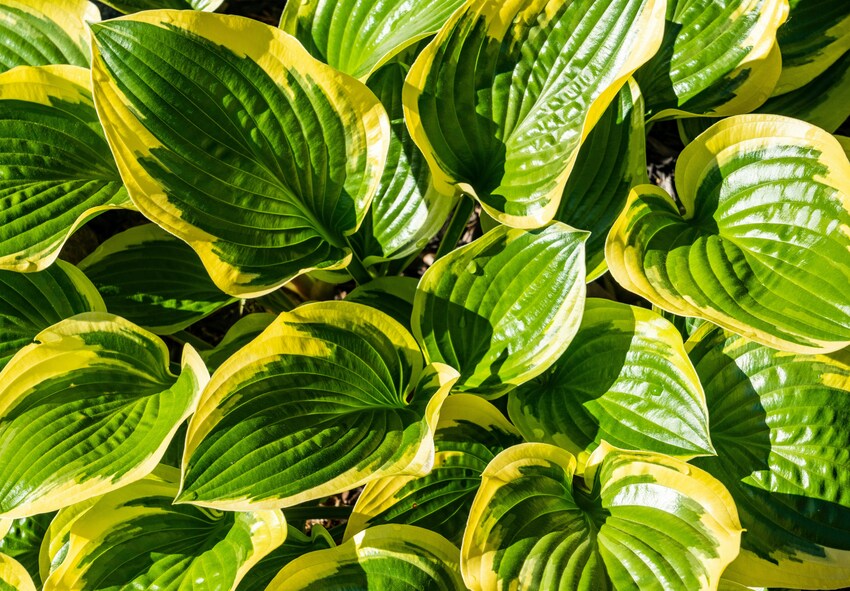
Integrated pest management, or IPM, combines prevention, monitoring, identification, and targeted intervention rather than automatically treating every pest or damaged leaf. Start by inspecting plants regularly and identifying the cause of the problem.
Hand-pick larger pests such as slugs and snails where practical, and use physical barriers or other non-chemical measures when they are suitable for the situation. Encouraging beneficial insects and other natural predators can also support a healthier garden ecosystem. For certain pests, biological controls may provide another option when used correctly.
Chemical pesticides should generally be considered when other appropriate measures are insufficient or when pest pressure is significant. Always choose a product labeled for the specific pest and plant, follow the application instructions, and use the minimum effective treatment.
Avoid unnecessary broad-spectrum products that may harm beneficial insects and other organisms. The goal of natural pest control for hostas is not necessarily to eliminate every insect from the garden. Instead, aim to keep pest populations below levels where they cause unacceptable damage while protecting the wider garden ecosystem.
Conclusion
Successful pest and disease control for hosta begins with correct identification. Holes, yellowing, leaf spots, distorted growth, and wilting can have several different causes, so examining the plant and its growing conditions before treating it is essential.
Healthy planting material, good drainage, appropriate watering, sufficient air circulation, garden sanitation, and regular monitoring form the foundation of effective hosta disease control and pest management. With consistent care and early attention to unusual symptoms, most gardeners can keep their hostas healthy, vigorous, and attractive throughout the growing season.
Frequently Asked Questions (FAQs) about Hosta Pests and Diseases
1. What are the most common pests that affect hostas?
The most common hosta pests include slugs, snails, aphids, and vine weevils. Slugs and snails typically create irregular holes and ragged leaf edges, while aphids feed on young growth. Adult vine weevils can notch leaf margins, while their larvae may damage roots and crowns. Regular inspection helps identify problems early.
2. How can I prevent pests and diseases on hostas?
Start with healthy planting material and provide hostas with suitable soil, drainage, moisture, and spacing. Avoid persistent waterlogging, remove severely diseased foliage, and keep tools clean when working with affected plants. Regularly inspect leaves, stems, crowns, and surrounding soil so pest or disease symptoms can be addressed before they become severe.
3. Why do hosta leaves develop holes and ragged edges?
Holes and ragged leaf edges are commonly associated with slugs and snails, although other chewing insects can also cause similar damage. Check plants and nearby soil, particularly in the evening or after wet weather. Look for slime trails, hiding pests, or characteristic feeding patterns before choosing a control method.
4. How can I tell if my hosta has a disease?
Disease symptoms can include unusual leaf spots, yellowing, wilting, soft crown tissue, poor growth, or unusual mottling. However, environmental stress and pests can create similar symptoms. Examine the entire plant, including the roots and crown, and consider watering and drainage conditions. Correct identification is important before selecting any treatment.
5. Can I order hostas in your online store?
Yes, our online plant store Dutch-bulbs.com is a convenient place to look for hostas and different cultivars for your garden. When selecting plants, check their growing requirements, mature size, foliage characteristics, and suitability for your conditions. Healthy planting material from a reliable source is an important first step toward preventing pest and disease problems.
Published: 30.09.2026