



Muscari, commonly known as grape hyacinth, is one of the most attractive spring bulbs for compact container displays. Its small size, naturally clustered growth and distinctive blue, purple or white flower spikes make it particularly suitable for growing indoors. While Muscari is usually planted in soil, it can also be forced in a simple arrangement of gravel and water.
Muscari bulbs are compact and have a relatively simple root system, which makes them convenient for container forcing. The bulbs can be positioned among gravel while their roots reach downward toward water, eliminating the need for traditional potting soil. Growing Muscari without soil offers an interesting way to observe root and shoot development while creating an elegant autumn-to-spring project. Our gardening blog is a perfect place to find all the information you need!
Understanding Muscari Forcing

Forcing means encouraging a plant to flower earlier or under conditions that differ from its normal outdoor growing cycle. With Muscari, the process involves giving the bulbs a sufficiently cool period first and then exposing them to warmer conditions that encourage active growth. The autumn setup is therefore not simply a decorative arrangement. It is the first stage of a controlled seasonal cycle.
How Cold Treatment Affects Flowering
Muscari naturally experiences cool temperatures after autumn planting and before spring growth. This period helps prepare the bulb for subsequent development and flowering. When Muscari is forced indoors, the same principle needs to be recreated. Without sufficient chilling, bulbs may produce leaves without developing strong flower spikes, or flowering may occur later and less uniformly than expected. The exact response depends on the species, cultivar and condition of the bulbs. For this reason, the cold period should be treated as an essential part of forcing rather than an optional step.
Natural vs. Artificial Chilling
Gardeners can provide the necessary cold period naturally by keeping the container outdoors in a protected location, provided temperatures remain suitable and the bulbs are protected from severe freezing. Artificial chilling is another option. A cool basement, unheated garage, cold frame or suitable refrigerator can provide more controlled conditions. Artificial chilling is particularly useful when the goal is to coordinate flowering for a particular date. Regardless of the method, the bulbs need a stable cool environment rather than repeated cycles of warming and cooling.
When to Start the Autumn Setup
The autumn setup should begin early enough to allow Muscari to receive its required cool period before the desired flowering date. In many cases, bulbs can be arranged in gravel and water during autumn and then kept cool for several weeks. If you want flowers during winter, work backward from the intended flowering period. Remember that flowering time is influenced by cultivar, temperature, light and bulb maturity, so forcing schedules should be considered approximate rather than guaranteed.
Choosing Muscari Bulbs for Forcing
The quality of the bulbs has a major influence on the success of a soil-free forcing project. Because there is little opportunity to compensate for weak planting material, start with firm, healthy bulbs whenever possible.
Selecting Healthy and Mature Bulbs
Choose bulbs that feel firm and heavy for their size. They should have dry outer skins and no extensive mold, soft areas, open wounds or unpleasant odors. Avoid bulbs that are severely shriveled or already showing advanced shoots unless they have specifically been prepared for forcing. Damaged bulbs are more vulnerable to rot when exposed to humid conditions around water and gravel. A healthy bulb should also have enough stored energy to support both root development and flowering.
Bulb Size and Flowering Potential
Larger, mature bulbs often have greater flowering potential because they contain more stored reserves. However, bulb size should always be considered alongside the cultivar and the quality of the planting material. Very small bulbs may establish roots and produce leaves but can be less likely to produce a strong flower spike during forcing. If the objective is a decorative indoor display, choosing well-developed bulbs is usually worthwhile.
Recommended Muscari Varieties
Several Muscari types can be attractive in forced displays. Muscari armeniacum is one of the most familiar choices, producing dense blue flower spikes and forming an attractive compact display. Muscari armeniacum ‘Alba’ offers white flowers instead of the traditional blue, making it useful for minimalist arrangements or combinations with pale spring bulbs. Muscari latifolium is another interesting option, producing broader foliage and a distinctive flower spike with darker flowers toward the bottom and lighter flowers toward the top. When selecting bulbs, check whether the particular cultivar is recommended for forcing, as flowering performance can vary between varieties.
Preparing the Gravel and Water Setup
A successful soil-free arrangement depends on creating a container that provides support while keeping the bulb itself above the water. The roots should have access to moisture, but the bulb needs air around its basal area.
Choosing the Right Gravel
Use clean, inert gravel, small decorative stones or washed pebbles. The pieces should be large enough to hold the bulbs securely without creating an unstable arrangement. Avoid material that contains fertilizers, salts or unknown chemical residues. Before use, rinse the gravel thoroughly to remove dust and fine particles that could cloud the water. A layer of gravel should provide enough depth for the bulbs to sit securely while leaving their upper portions exposed.
Selecting a Suitable Container
A glass vase, shallow bowl or transparent container can work well because it allows you to observe root development. The container should be stable enough to support several bulbs without tipping. A transparent vessel is particularly attractive for indoor displays because the developing roots become part of the visual effect. However, opaque containers work equally well from a horticultural perspective. Choose a container that provides enough room for the bulbs to develop without forcing them tightly against one another.
How High Should the Water Level Be?
The water should reach the lower part of the gravel so that developing roots can grow toward it. The base of the bulb should ideally remain just above the water rather than sitting directly in it. This distinction is critical. If the entire basal plate remains submerged, the risk of rot increases significantly. As roots develop, they will naturally extend downward through the gravel toward the available moisture.
Step-by-Step Autumn Setup
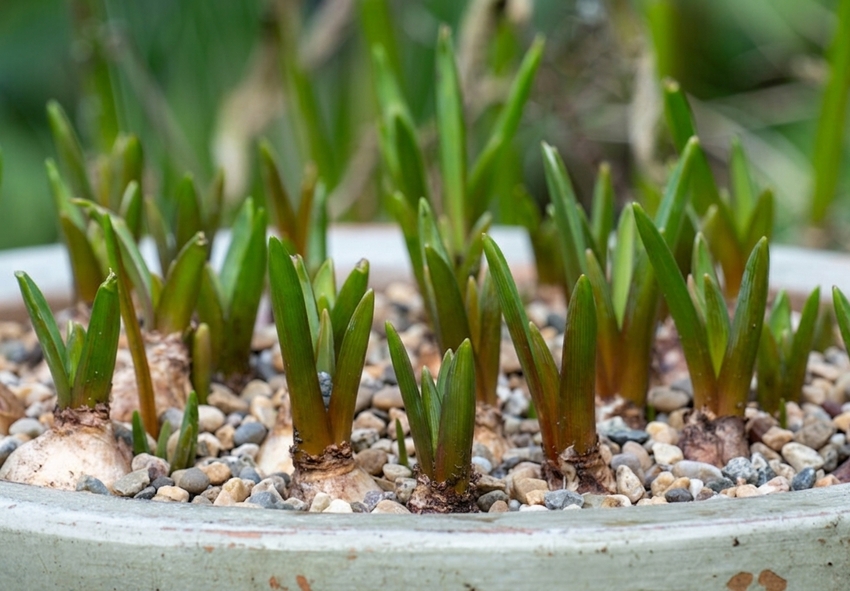
The actual arrangement is relatively simple, but each step contributes to maintaining the correct balance between moisture and air.
- Step 1: Prepare the Container
Wash the container thoroughly and rinse it to remove any detergent residue. Clean equipment reduces the risk of introducing microorganisms into a humid environment. Make sure the container is stable and large enough to accommodate the selected number of bulbs. A crowded arrangement can restrict airflow and make it harder to monitor individual bulbs.
- Step 2: Add the Gravel
Place a layer of washed gravel in the bottom of the container. The depth should be sufficient to support the bulbs while leaving room for their roots to develop underneath. Arrange the stones so they create a stable surface rather than a flat, slippery layer. Slightly irregular gravel can help hold bulbs in position.
- Step 3: Position the Muscari Bulbs
Place the bulbs upright with the pointed growing end facing upward. Gently press their lower portions into the gravel so they remain stable. Do not bury the entire bulb. The upper part should remain exposed, while the basal area is supported by the stones. Leave enough space between bulbs for air circulation. A slightly spaced arrangement is generally safer than tightly packing the container.
- Step 4: Add Water
Add clean water slowly until it reaches the lower part of the gravel. Check the position of each bulb afterward and make sure none has shifted into direct contact with the water. The water level should be monitored throughout the chilling period. If evaporation lowers it significantly, add enough fresh water to restore access for the roots.
- Step 5: Move the Container Into Cool Conditions
Place the completed arrangement in a cool, dark or dimly lit location for the chilling period. At this stage, bright indoor conditions are unnecessary because the objective is to provide the bulbs with their cool seasonal treatment. Keep the container away from heat sources and avoid locations with major temperature fluctuations.
The Cold Period: The Key to Successful Forcing
The chilling stage is the foundation of the entire project. Moving Muscari into a warm room too early can interrupt the seasonal cycle and lead to disappointing flowering.
Recommended Temperature Range
A cool environment around 2–9°C can be suitable for many spring-bulb forcing projects, but the precise requirement varies according to species and cultivar. Avoid freezing the water-solid container or exposing the bulbs to prolonged severe frost. At the same time, temperatures that remain too warm may not provide an effective chilling signal. A stable cool environment is preferable to repeated temperature changes.
How Long Should Muscari Be Chilled?
The required chilling period depends on the particular Muscari and the intended flowering schedule. A period of several weeks is commonly used for forcing, but exact requirements can vary. When reliable cultivar-specific instructions are available, follow them. If no precise information is provided, allow a sufficiently long cool period rather than rushing the bulbs into warmth. Remember that completing the cold period does not mean the plants will flower immediately. They still need time to develop roots and shoots after being moved into warmer conditions.
Where to Keep the Container During Autumn
A cool basement, unheated garage, cold frame or protected outdoor location can work if temperatures remain appropriate. The container should be protected from severe freezing and excessive rain. If using a refrigerator, keep the arrangement away from fresh fruit and vegetables because some produce releases ethylene, which can affect sensitive plant material. The location should also be clean and sufficiently ventilated to reduce the risk of mold.
Monitoring Water and Bulb Condition
Check the container periodically rather than leaving it completely unattended. The water should remain clean, and the bulbs should remain firm. If you notice cloudy water, unpleasant odors, extensive mold or soft tissue, investigate immediately. Remove affected Muscari bulbs before the problem spreads to the rest of the arrangement. At the same time, avoid excessive handling. The developing roots are delicate and can be damaged if the bulbs are repeatedly moved.
Moving Muscari From Cold Storage to Flowering
Once the chilling requirement has been completed, the container can be transferred to a warmer environment. This transition signals the beginning of active growth:
- When to Bring the Container Indoors: Move the Muscari indoors when the required cool period has been completed and you are ready to begin forcing. A gradual transition is preferable to moving the bulbs directly from very cold conditions into a hot room. Choose a cool-to-moderate indoor location initially. This can help prevent rapid, weak growth.
- Gradually Increasing Temperature: After chilling, place the container somewhere slightly warmer and allow the bulbs to acclimate. Once visible shoots begin developing, the temperature can be increased gradually. Avoid placing the container directly beside a radiator, heater or other strong heat source. Excessive warmth can cause elongated foliage and reduce the longevity of the flowers. Cooler growing conditions generally help maintain a more compact and attractive display.
- Light Requirements After Chilling: Once active growth begins, Muscari needs adequate light. Place the container near a bright window or provide suitable supplemental lighting if natural light is insufficient. Weak light combined with excessive warmth can result in elongated, floppy leaves and less attractive flower stems. Rotate the container occasionally if growth is noticeably leaning toward the light source.
- Managing Water Levels During Growth: As roots develop and the plant begins active growth, water consumption will increase. Continue maintaining moisture at the lower part of the gravel while avoiding prolonged submersion of the bulbs. Clean water should be added as needed. If the water becomes cloudy or develops an unpleasant smell, replace it and inspect the bulbs. The objective is to keep the roots supplied with moisture while maintaining an airy environment around the bulb itself.
Can Forced Muscari Be Planted in the Garden Afterwards?
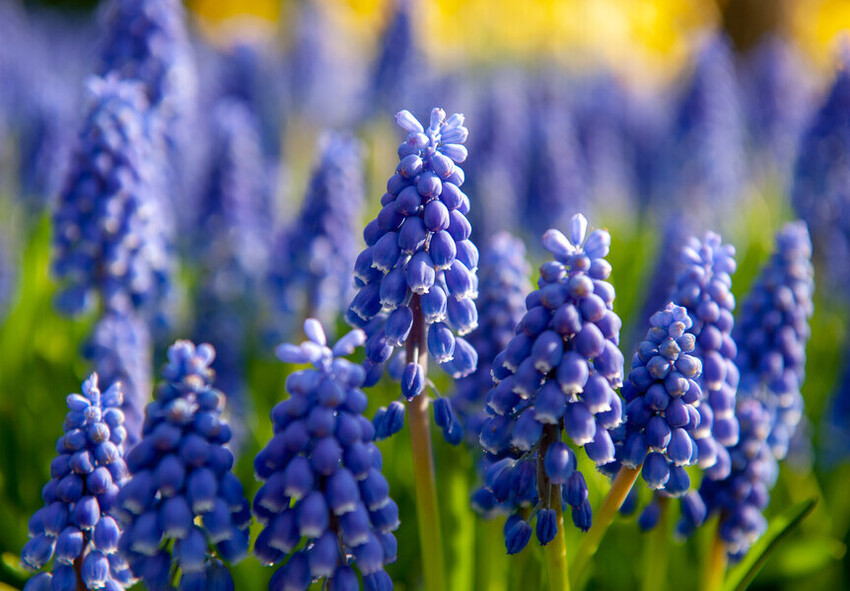
After flowering, allow the foliage to remain green for as long as possible. The leaves continue photosynthesizing and help replenish the bulb’s energy reserves. Planting Muscari bulbs in autumn or after the foliage has naturally died back gives them time to establish in the garden before the next growing season. Once the foliage has naturally yellowed and the outdoor soil is workable, the bulbs can be planted in a suitable garden location. Plant them at the normal depth recommended for the particular Muscari species.
When to Plant Them Outdoors
After flowering, allow the foliage to remain green for as long as possible. The leaves continue photosynthesizing and help replenish the bulb’s energy reserves. Once the foliage has naturally yellowed and the outdoor soil is workable, the bulbs can be planted in a suitable garden location. Plant them at the normal depth recommended for the particular Muscari species. Choose well-drained soil and a location with suitable sunlight.
Why Flowering May Be Weaker the Following Season
A forced bulb may flower poorly or fail to bloom during the following season because forcing consumes stored carbohydrates. This is particularly likely if the plant is removed from active growth too quickly after flowering. Allowing the foliage to mature naturally outdoors gives the bulb an opportunity to rebuild its reserves. With good growing conditions, it may gradually return to a normal perennial growth cycle.
Conclusion
Forcing Muscari in gravel and water offers an attractive alternative to conventional soil cultivation and can turn a simple autumn planting project into an elegant indoor spring display. The transparent roots, decorative gravel and compact flower spikes make this technique especially appealing for containers placed on windowsills or tables.
The most important part of the process is not the container itself but the seasonal sequence. Healthy bulbs need a suitable cool period before they are moved into warmer, brighter conditions for growth. Keeping the bulbs above the waterline, maintaining clean water and providing adequate chilling can significantly reduce the risk of rot.
With careful preparation, Muscari armeniacum, ‘Alba’, ‘Latifolium’ and other suitable types can provide an unusual soil-free display. After flowering, the bulbs can be allowed to recover and planted outdoors, although their next flowering may be weaker while they rebuild their reserves.
Frequently Asked Questions (FAQs) about Forcing Muscari in Gravel
1. Can Muscari be forced in water without soil?
Yes, Muscari can be forced in a combination of gravel and water without traditional soil. The bulbs should be positioned securely above the waterline, allowing their roots to grow downward toward moisture while keeping the bulb itself relatively dry. Clean gravel provides support and improves stability. A cool chilling period before forcing is essential for encouraging healthy development and subsequent flowering.
2. How long should Muscari bulbs be chilled before forcing?
Muscari bulbs generally need several weeks of cool conditions before they are moved into warmer conditions for forcing. The exact duration depends on the species, cultivar and intended flowering schedule. During chilling, keep the bulbs in a stable, cool environment and monitor them for rot or mold. Rushing the process can result in weak foliage, delayed flowering or poor flower development.
3. What water level is best for forcing Muscari in gravel?
The water should reach the lower part of the gravel without completely submerging the Muscari bulbs. Ideally, the bulbs sit securely above the water while their developing roots extend downward through the stones toward moisture. Direct and prolonged contact between the bulb and water can encourage rot. Check the water level regularly and add clean water when evaporation causes it to fall.
4. Can I order Muscari bulbs from your online store?
Yes, you can order Muscari bulbs from our online store Dutch-bulbs.com for garden planting, container cultivation and suitable forcing projects. For a gravel-and-water display, choose firm, healthy and mature bulbs without mold, soft spots or serious mechanical damage. Varieties such as Muscari armeniacum, Muscari armeniacum ‘Alba’ and Muscari latifolium can create attractive indoor displays when properly prepared.
5. Can forced Muscari bulbs be planted in the garden afterward?
Yes, forced Muscari bulbs can usually be planted outdoors after flowering, although they may need time to recover. Allow the foliage to remain green and continue growing so the leaves can replenish the bulb’s energy reserves. Once the foliage naturally dies back, plant the bulbs in well-drained garden soil. Flowering may be weaker the following season because forcing uses significant stored energy.
Published: 24.08.2026