



Crocosmia is a striking perennial grown for its graceful arching foliage and vibrant flowers that bloom from mid- to late summer. Available in shades of red, orange, and yellow, this ornamental plant adds movement, height, and brilliant color to borders, cottage gardens, and pollinator-friendly landscapes. Once established, crocosmia is relatively easy to grow, but it benefits from consistent seasonal care to maintain healthy growth and reliable flowering year after year.
This guide is intended for gardeners who want to keep their crocosmia thriving throughout every stage of the growing season. Understanding how the plant’s needs change from spring through winter helps ensure strong foliage, abundant blooms, and healthy corms for future growth.
By following a seasonal care routine, gardeners can protect their plants from unnecessary stress, encourage vigorous flowering, and enjoy beautiful displays for many years. Our gardening blog is a perfect place to find all the information you need!
Spring Care for Crocosmia
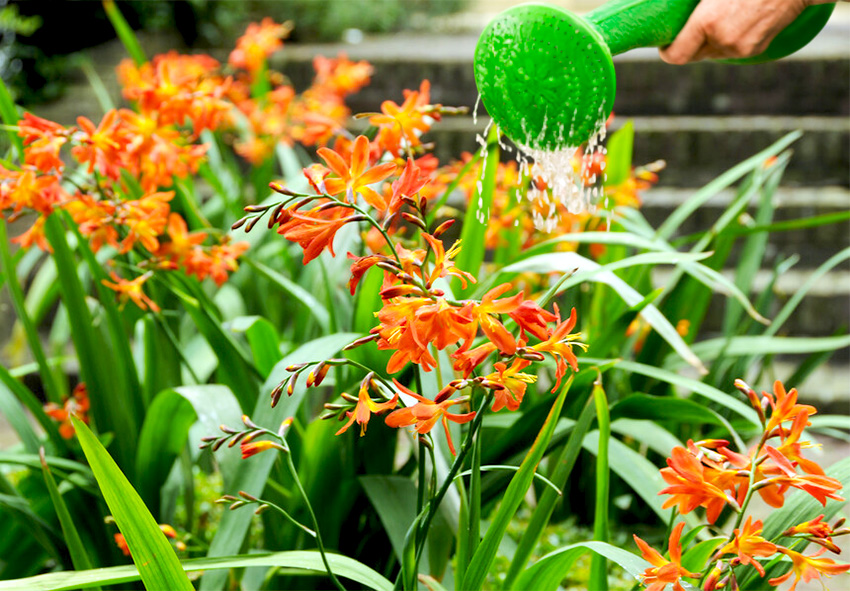
Spring marks the beginning of active growth for crocosmia. As temperatures rise and new shoots emerge, the plant requires a few essential care practices to establish healthy growth for the season ahead.
Removing Winter Protection
If crocosmia has been protected with mulch during winter, it should be removed gradually once the danger of severe frost has passed. This allows sunlight to warm the soil and encourages new shoots to emerge without obstruction.
Removing winter coverings too early may expose young growth to late frosts, while leaving thick mulch in place for too long can slow soil warming and reduce air circulation around the developing plants. A gradual approach provides the best balance between protection and healthy spring growth.
Preparing the Soil for New Growth
Healthy soil provides the foundation for vigorous foliage and abundant flowering. At the start of the growing season, lightly loosening the soil around established clumps improves air circulation and water penetration without disturbing the corms.
Incorporating compost or other well-decomposed organic matter helps replenish nutrients that were used during the previous growing season. Crocosmia bulbs grow best in fertile, well-drained soil that retains moderate moisture while preventing waterlogging. Removing weeds early in spring also reduces competition for nutrients and allows young shoots to develop more freely.
Watering and Early Fertilization
As new growth begins, crocosmia benefits from regular watering whenever rainfall is insufficient. Consistently moist soil supports strong leaf development and encourages healthy root activity.
Applying a balanced fertilizer in early spring provides additional nutrients that promote vigorous growth before flower stems begin to develop. Excessive fertilization should be avoided, as overly lush foliage may reduce flowering performance later in the season.
Summer Maintenance for Healthy Flowering
Summer is the period when crocosmia reaches its greatest ornamental value. During this stage, regular maintenance helps support flowering, prolongs the blooming period, and keeps plants looking attractive.
Maintaining Consistent Moisture
Crocosmia performs best when the soil remains evenly moist throughout the growing season. Although established plants tolerate short dry periods, prolonged drought may reduce flower production and cause foliage to decline prematurely.
Watering deeply rather than frequently encourages roots to grow further into the soil, improving the plant’s resilience during periods of warm weather. Good drainage remains equally important, as standing water may damage the corms.
Supporting Tall Flower Stems
Many crocosmia varieties produce tall, graceful flower stems that can become heavy when covered with blooms. In exposed gardens or areas affected by strong winds, staking may help prevent stems from bending or breaking.
Placing supports early in the growing season allows the foliage to grow naturally around them, making the supports less noticeable while providing reliable stability throughout flowering.
Deadheading and General Maintenance
Removing faded flowers helps maintain a neat appearance and encourages the plant to direct its energy toward corm development rather than seed production. Regular deadheading also extends the decorative value of the planting throughout summer.
At the same time, gardeners should monitor the plants for signs of pests, diseases, or damaged foliage. Prompt removal of unhealthy leaves improves air circulation and helps maintain vigorous growth.
Autumn Care and Preparing for Dormancy
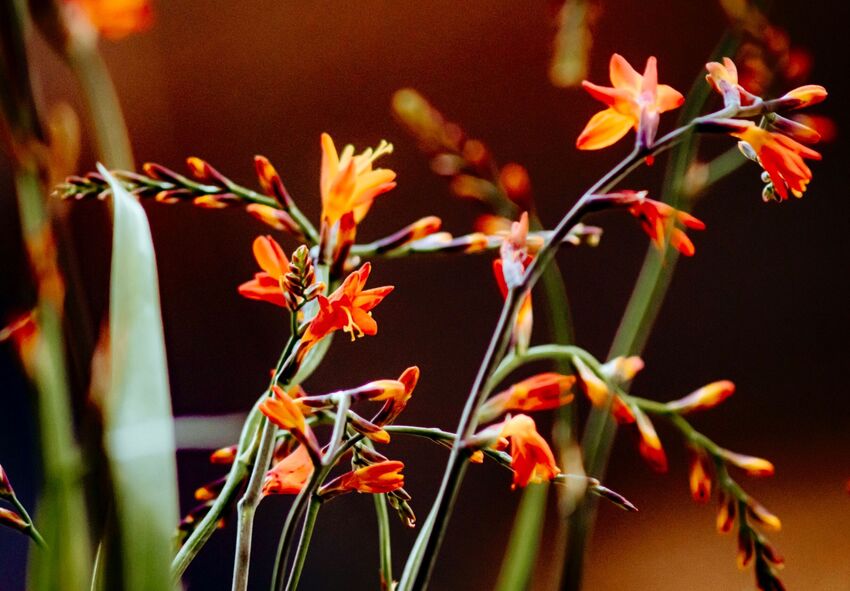
As flowering comes to an end, crocosmia begins preparing for dormancy. Proper autumn care allows the corms to store nutrients that will support healthy growth during the following season.
Cutting Back Foliage at the Right Time
After flowering, the foliage continues performing an important function by producing energy through photosynthesis. These nutrients are gradually transferred into the corms, strengthening them before winter.
For this reason, leaves should remain in place until they naturally turn yellow and dry. Cutting foliage too early may reduce the amount of energy stored underground and result in weaker flowering the following year. Once the foliage has completely died back, it can be removed safely to tidy the garden.
Mulching and Winter Protection
In regions with cool winters, applying mulch after the foliage has died back helps insulate the soil and protect the corms from temperature fluctuations. Organic materials such as bark, compost, or shredded leaves provide effective protection while gradually improving soil quality. Mulching also helps conserve soil moisture and reduces weed growth during the dormant season.
Dividing and Replanting Overgrown Clumps
Over time, crocosmia forms dense clumps that may become overcrowded. When flowering begins to decline or growth becomes congested, dividing the corms helps rejuvenate the planting.
Autumn is often a suitable time for lifting established clumps, separating healthy corms, and replanting them with adequate spacing. This encourages stronger growth and improves flowering in future seasons.
Winter Care Depending on Climate
Winter care requirements vary depending on local weather conditions and the hardiness of the crocosmia variety being grown:
- Leaving Corms in the Ground: In regions with relatively mild winters, crocosmia corms can usually remain in the garden throughout the dormant season. A protective layer of mulch helps moderate soil temperatures and reduces the effects of repeated freezing and thawing. Leaving corms in place minimizes disturbance and allows plants to resume growth naturally in spring.
- Lifting and Storing Corms in Cold Regions: In colder climates where severe frost is common, gardeners may choose to lift the corms after the foliage has died back completely. After carefully removing excess soil, the corms should be dried and stored in a cool, dry, and well-ventilated location until spring crocosmia planting. Proper storage protects planting material from freezing damage while preserving healthy corms for the next growing season.
- Checking Stored Corms During Winter: Stored corms should be inspected periodically throughout winter. Removing any damaged or diseased specimens helps prevent problems from spreading to healthy planting material. Maintaining moderate humidity and good air circulation also reduces the risk of mold, rot, or excessive drying during storage.
Common Seasonal Care Mistakes
Even though crocosmia is relatively low-maintenance, certain mistakes can affect its long-term performance.
Overwatering During Dormancy
One of the most common problems is excessive watering after the plant has entered dormancy. Wet soil during winter increases the likelihood of corm rot and can weaken plants before the next growing season begins. Allowing the soil to remain only moderately moist during dormancy helps protect healthy corms.
Cutting Back Foliage Too Early
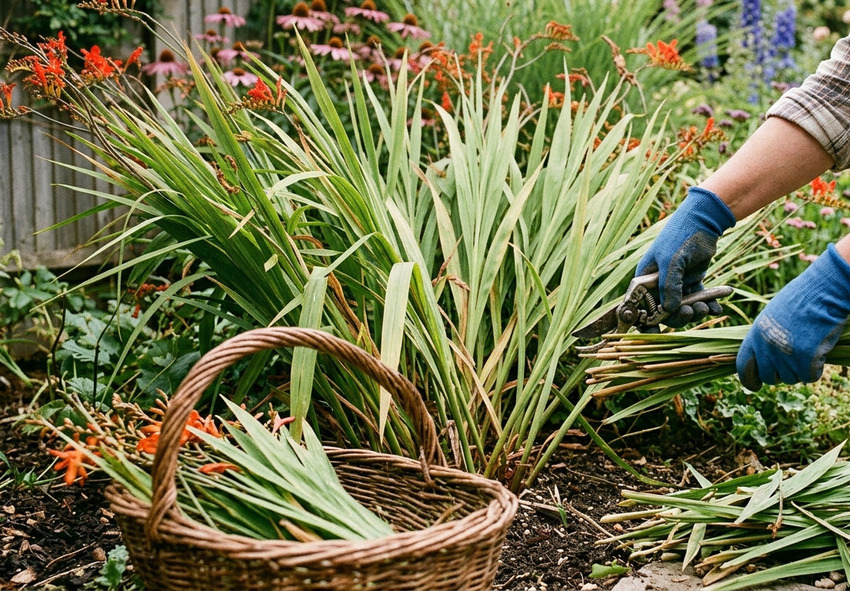
Removing green leaves immediately after flowering is another common mistake. Healthy foliage continues supplying nutrients to the corms until it naturally dies back. Patience during this stage supports stronger flowering and healthier growth in subsequent years.
Neglecting Division and Soil Maintenance
Established clumps that remain undivided for many years may become overcrowded, resulting in reduced flowering and slower growth. Likewise, failing to replenish soil with organic matter can gradually reduce fertility. Occasional division, soil improvement, and routine seasonal maintenance help keep crocosmia vigorous and productive over the long term.
Conclusion
Seasonal care plays an important role in maintaining healthy, vibrant crocosmia plants. By adapting maintenance practices throughout spring, summer, autumn, and winter, gardeners can support every stage of the plant’s natural growth cycle.
Simple tasks such as preparing the soil, watering consistently, allowing foliage to die back naturally, protecting corms during winter, and dividing mature clumps when necessary all contribute to stronger plants and more abundant flowering.
With regular seasonal attention, crocosmia will continue rewarding gardeners with elegant foliage, brilliant flowers, and reliable performance for many years, making it a valuable addition to a wide range of ornamental garden styles.
Frequently Asked Questions (FAQs) about Crocosmia Seasonal Care
1. How often should I water crocosmia during the growing season?
Crocosmia prefers evenly moist soil while actively growing and flowering. Water regularly during dry periods, especially in late spring and summer, but avoid waterlogging, which can damage the corms. Deep, occasional watering is generally better than frequent shallow watering because it encourages stronger root development and improves the plant’s ability to tolerate short periods of drought later in the season.
2. Can I order crocosmia bulbs from your online store?
Yes, you can order crocosmia bulbs from our online store Dutch-bulbs.com, including a selection of beautiful varieties suitable for borders, flower beds, cottage gardens, and pollinator-friendly landscapes. Our seasonal collection offers planting material selected for healthy growth and reliable flowering, making it easy to add vibrant summer color and elegant structure to your garden.
3. Does crocosmia need to be divided regularly?
Yes, crocosmia benefits from occasional division, particularly when clumps become crowded or flowering begins to decline. Most gardeners divide established plants every three to five years, usually in autumn or early spring, depending on local conditions. Dividing the corms improves air circulation, reduces overcrowding, and encourages healthier growth along with more abundant flowering in future growing seasons.
4. Should I cut back crocosmia immediately after flowering?
No, the foliage should remain on the plant until it naturally turns yellow and dies back. Even after flowering has finished, the leaves continue producing energy through photosynthesis and transfer valuable nutrients into the corms. Removing green foliage too early can weaken the plant and reduce the quality of flowering during the following season. Patience leads to healthier, stronger plants.
5. Can crocosmia stay outdoors during winter?
In regions with mild winters, crocosmia corms can usually remain in the ground with a protective layer of mulch. In colder climates where severe frost is common, lifting and storing the corms indoors is often recommended to prevent winter damage. The best approach depends on local weather conditions and the hardiness of the particular crocosmia variety being grown.
Published: 07.08.2026