



Artificial vernalization is a controlled method of exposing flower bulbs to low temperatures in order to reproduce some of the conditions they would normally experience during winter. This technique is particularly important for gardeners, growers and forcing specialists who want spring-flowering bulbs to develop properly or bloom outside their natural seasonal schedule.
Cold treatment is not simply a matter of placing bulbs in a refrigerator. The temperature, duration of exposure, moisture level, bulb maturity and conditions after chilling all influence the final result. When these factors are coordinated correctly, artificial vernalization can help synchronize flowering and make earlier production possible. Our gardening blog is a perfect place to find all the information you need!
Why Some Flower Bulbs Need Cold Treatment
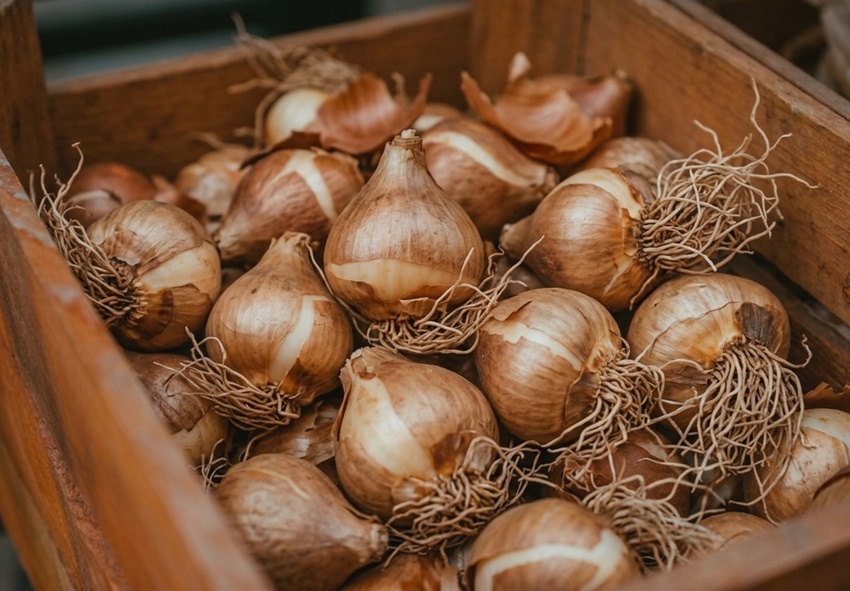
Many spring-flowering bulbs have evolved to experience a period of cool weather before they begin active growth. This seasonal signal helps coordinate the transition from dormancy to development and, in suitable species and cultivars, supports normal flower formation and stem elongation.
Tulips, hyacinths, daffodils and numerous other spring bulbs naturally experience this cooling period when planted outdoors in autumn. In controlled cultivation, however, bulbs may be grown in containers, greenhouses or other environments where natural winter conditions are unavailable or need to be accelerated.
Artificial vernalization can therefore recreate an important part of the seasonal cycle. It is especially valuable for forcing bulbs for early flowering, although the exact cold requirement differs considerably between species and cultivars.
How Artificial Vernalization Works
The basic principle behind artificial vernalization is relatively simple: bulbs are exposed to controlled low temperatures for a predetermined period before being moved into warmer conditions. The cold treatment acts as a physiological signal that helps prepare the plant for subsequent development.
The response is not identical in every bulb. Some species require a relatively long period of cool conditions, while others need shorter treatment or are less dependent on artificial chilling.
The Role of Low Temperature
Low temperatures influence several physiological processes inside a dormant bulb. During the chilling period, the plant gradually progresses through developmental stages that would normally occur during autumn and winter.
The temperature must be low enough to provide the required chilling signal but not so low that the tissues freeze or become damaged. This is why artificial vernalization requires controlled conditions rather than simply exposing bulbs to any cold environment.
For forcing programs, growers often use carefully managed temperature schedules. The exact target depends on the bulb species, cultivar, developmental stage and desired flowering date.
What Happens Inside the Bulb During Cold Treatment
A healthy bulb already contains much of the structure required for its future growth. Inside are developing leaves, flower structures and storage tissues containing carbohydrates and other reserves.
During cold treatment, physiological development continues even though visible growth may remain limited. After the necessary chilling period has been completed, the bulb can respond more predictably when it is exposed to suitable temperatures, light and moisture.
This is particularly important for forced flowering. A bulb that has received inadequate chilling may produce weak or abnormal growth, flower later than expected or fail to develop a satisfactory flower stem. However, chilling alone cannot compensate for poor-quality planting material or unsuitable growing conditions.
Which Flower Bulbs Can Benefit from Artificial Vernalization?
Artificial vernalization is most useful for species that naturally experience a cool dormant period before spring growth. However, the requirements vary considerably, so bulbs should be treated according to their specific physiological needs.
Tulips
Tulips are among the most important bulbs for artificial cold treatment because controlled chilling is widely used in commercial forcing. Tulip bulbs destined for early pot flowering or greenhouse production can undergo a carefully managed cooling period before being transferred to warmer growing conditions.
The exact treatment depends on the cultivar and production schedule. Early, mid-season and late tulips may respond differently, so a single chilling program should not automatically be applied to every variety. High-quality, properly developed bulbs are particularly important for forcing. Large and healthy planting material generally provides a stronger foundation for producing a commercially attractive flower.
Hyacinths
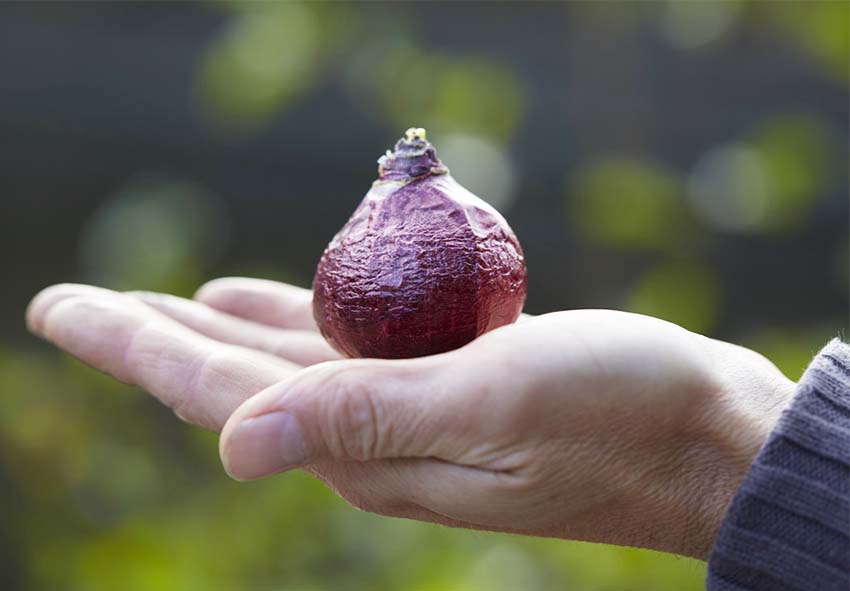
Hyacinths can also benefit from controlled cold treatment, particularly when grown in containers for early indoor flowering. Their natural seasonal cycle includes a period of cool conditions, and artificial chilling can help coordinate subsequent development.
Specially prepared hyacinth bulbs may be available for forcing, and these can have different treatment requirements from ordinary garden bulbs. This is an important distinction because not every bulb sold for outdoor planting is automatically ready for a particular forcing schedule. After chilling, hyacinths need suitable temperatures and growing conditions to develop strong flower spikes.
Daffodils
Daffodils naturally experience winter temperatures before flowering in spring. Certain cultivars can therefore respond well to artificial cold treatment when grown under controlled conditions. However, daffodils are not identical to tulips in their chilling requirements. Cultivar, bulb maturity and intended production date all influence the appropriate treatment.
For home gardeners, natural autumn planting is usually simpler. Artificial vernalization becomes more useful when the goal is to manipulate the flowering period, grow bulbs in containers or produce flowers earlier under protected conditions.
Crocuses and Other Spring Bulbs
Many crocuses and other minor spring bulbs also experience seasonal chilling naturally. Artificial cold treatment can be useful when these plants are being grown in containers or under forcing conditions.
Other examples can include certain iris, muscari and other spring-flowering bulbous plants, although their specific temperature and duration requirements differ. Botanical species may also respond differently from highly selected cultivars. Before beginning treatment, gardeners should therefore identify the exact species or cultivar rather than assuming that all spring bulbs require the same cold period.
Bulbs That Do Not Require the Same Cold Treatment
Not every bulb or bulb-like plant has the same vernalization requirement. Summer-flowering plants such as gladioli, dahlias and many tender species follow different seasonal cycles and generally should not be treated using a standard spring-bulb chilling protocol.
Even within a single plant group, cultivars can have different requirements. The safest approach is to determine whether the specific plant is naturally adapted to a cool dormant period and whether the planting material has already undergone any preparation by the supplier.
Temperature and Duration: The Two Key Factors
Two variables are particularly important during artificial vernalization: temperature and duration. Getting one of them right does not necessarily compensate for getting the other wrong. The treatment should therefore be planned around the specific bulb rather than based on a universal number of days in cold storage.
Recommended Temperature Ranges
For many spring-flowering bulbs used in forcing, cool temperatures are commonly maintained above freezing, often within a range of approximately 2–9°C, depending on the species, cultivar and stage of treatment.
Tulips used for forcing are frequently subjected to controlled temperatures in the lower part of this range, while other bulbs can have different requirements. Temperatures approaching freezing should only be used when appropriate for the particular planting material.
The refrigerator used for household food storage may not provide ideal conditions because temperatures fluctuate, humidity can be inappropriate and fruit or vegetables may release ethylene gas that can affect sensitive plant material.
How Long Should Bulbs Be Chilled?
There is no single universal chilling period for all flower bulbs. Depending on the species and production objective, the required treatment may extend over several weeks. Tulips used for forcing, for example, commonly require a substantial period of controlled cooling, while some other bulbs need different treatment schedules. The cultivar and developmental stage can also influence the final requirement.
For this reason, growers should use the recommended chilling schedule for the exact variety whenever reliable information is available. Extending the treatment indefinitely is not necessarily beneficial and can create additional storage risks.
Step-by-Step Artificial Vernalization Protocol
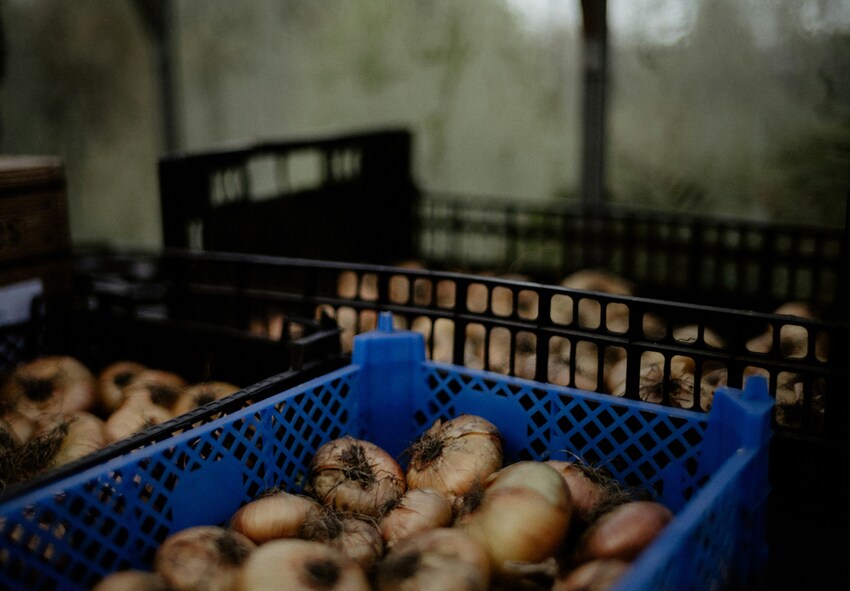
Artificial vernalization works best when the entire process is planned in advance. The following procedure provides a general framework, but the exact temperature and duration should be adapted to the particular bulb species and cultivar.
- Step 1: Prepare the Bulbs
Begin with firm, healthy bulbs that are free from visible mold, soft areas, serious mechanical damage and unpleasant odors. Remove loose debris and inspect the outer scales before beginning the chilling period. Do not use weak or diseased bulbs simply because they are being placed into cold storage. Chilling does not cure damaged planting material and may allow existing problems to develop further. If bulbs are intended for forcing, confirm whether they have already received any pre-treatment from the supplier.
- Step 2: Establish the Cold Environment
Choose a clean, temperature-controlled location where the required temperature can be maintained consistently. A dedicated refrigerator or professional cold-storage unit is preferable to a frequently opened household refrigerator. Provide adequate ventilation and prevent bulbs from sitting in standing moisture. If bulbs are being chilled after potting, the substrate should remain appropriately moist without becoming waterlogged.
- Step 3: Maintain Stable Conditions
Once the treatment begins, avoid unnecessary temperature fluctuations. Repeated warming and cooling can interfere with a carefully planned schedule and may encourage premature growth. Keep different bulb types clearly labeled so that their treatment dates and expected completion times are not confused. This is particularly important when several cultivars are being prepared for different flowering dates.
- Step 4: Monitor Bulbs During Treatment
Inspect the bulbs periodically for mold, rot, excessive drying or premature growth. The goal is to maintain a stable physiological treatment rather than simply leaving the planting material unattended for several weeks. If one bulb develops rot, remove it immediately and inspect neighboring bulbs. Good hygiene is essential because cold, humid conditions can allow fungal problems to spread.
- Step 5: Move Bulbs to Growing Conditions
Once the required chilling period has been completed, move the bulbs into the growing environment recommended for the particular species. The transition should be deliberate. Temperature, light, moisture and air circulation all influence the development that follows cold treatment. A bulb that has completed vernalization still requires appropriate conditions to produce a strong plant and flower.
Artificial Vernalization for Early and Forced Flowering
One of the main practical applications of artificial vernalization is the production of flowers before the plants would naturally bloom outdoors. By controlling the cold period and subsequent growing conditions, growers can coordinate flowering for specific dates.
Using Cold Treatment for Tulip Forcing
Tulip forcing is a classic example of controlled cold treatment. Bulbs can be chilled before being moved into warmer conditions, allowing growers to manipulate the timing of stem and flower development.
Commercial forcing programs are highly precise because flowering must often coincide with a particular market date. The bulb’s cultivar, size, preparation history and chilling schedule all contribute to the final result. For home gardeners, the same principle can be used on a smaller scale for early container displays.
Vernalization Before Pot Cultivation
Spring bulbs can be planted in containers before or during the cold treatment period, depending on the production method. Once the chilling requirement has been fulfilled, the containers can be moved into a suitable growing environment.
This approach is particularly useful when gardeners want bulbs such as tulips, hyacinths or daffodils to flower indoors or in a greenhouse before outdoor plants begin their normal spring display.
Coordinating Cold Treatment with the Desired Flowering Date
Successful forcing requires working backward from the date when flowers are wanted. The expected growing period after chilling must be considered alongside the required cold period.
Because development speed varies between cultivars and growing environments, exact flowering dates cannot always be guaranteed. Keeping records of treatment dates and results can help gardeners refine their schedule in subsequent seasons.
How to Know Whether Vernalization Was Successful
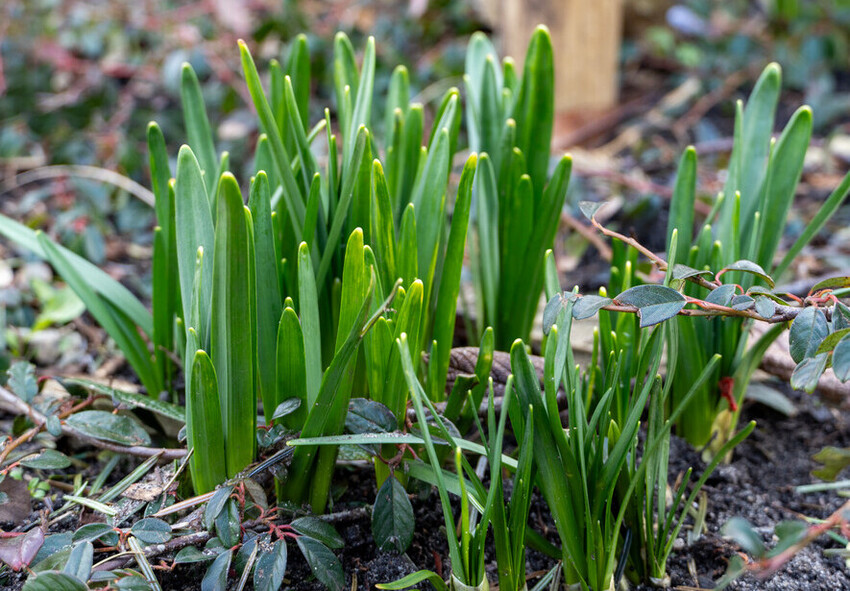
Cold treatment itself is not always immediately visible, so gardeners should evaluate the condition of the bulbs and their subsequent growth rather than relying on a single visual sign. Signs of properly chilled bulbs include:
- Firm, healthy planting material — bulbs should remain solid and free from significant rot or mold throughout the treatment.
- Normal root development after planting — bulbs that have been properly treated and planted under suitable conditions should begin developing roots as expected.
- Predictable shoot emergence — growth should begin after the bulbs are transferred to appropriate warmer conditions.
- Healthy stem development — properly chilled forcing bulbs should generally develop stronger, more uniform stems than bulbs with inadequate treatment.
- Normal flower development — successful treatment should support the transition from dormancy to flowering rather than producing severely delayed or abnormal blooms.
Artificial Vernalization vs. Natural Winter Conditions
Artificial treatment can reproduce some of the effects of winter, but it cannot completely replace the complexity of natural outdoor conditions. Natural winter involves changing temperatures, soil moisture, air movement and other environmental factors that are difficult to reproduce perfectly.
Advantages of Controlled Cold Treatment
The main advantage is control. Growers can determine when the chilling period begins, monitor its duration and move the bulbs into warmer conditions according to a planned production schedule. This makes artificial vernalization particularly valuable for forcing, greenhouse cultivation and container production. It can also help coordinate groups of bulbs that would otherwise flower at different times.
Disadvantages and Risks
Artificial vernalization requires careful monitoring and appropriate equipment. Incorrect temperatures, excessive humidity, poor ventilation or an inappropriate treatment duration can damage bulbs rather than improve their performance. There is also a risk of assuming that all cultivars require identical treatment. A protocol that works well for one tulip variety may not produce the same result with another.
When Natural Vernalization Is the Better Choice
For gardeners growing spring bulbs outdoors in a suitable climate, natural winter conditions are usually the simplest and most economical option. Autumn planting allows the bulbs to experience the seasonal temperature changes they have evolved to use. Artificial vernalization becomes most useful when natural chilling is insufficient, when bulbs are being forced for early flowering or when the grower needs greater control over the production schedule.
Conclusion
Artificial vernalization is a useful technique for managing the development and flowering of many spring-flowering bulbs. By providing a controlled period of cool temperatures, gardeners and professional growers can reproduce an important part of the natural seasonal cycle and prepare bulbs for subsequent growth.
The most important principle is that cold treatment must be matched to the plant. Tulips, hyacinths, daffodils, crocuses and other spring bulbs can have different requirements, while summer-flowering bulbs may follow completely different physiological cycles.
Successful vernalization therefore depends on more than simply chilling bulbs. Healthy planting material, correct temperature, appropriate treatment duration, moisture control and careful transition into growing conditions must all work together to produce strong plants and reliable flowering.
Frequently Asked Questions (FAQs) about Artificial Vernalization
1. What is artificial vernalization of flower bulbs?
Artificial vernalization is the controlled exposure of flower bulbs to low temperatures to reproduce part of the natural winter conditions they would normally experience outdoors. It is commonly used with spring-flowering bulbs such as tulips, hyacinths and daffodils, particularly for forcing and early flowering. The temperature and duration of treatment depend on the species, cultivar, bulb maturity and intended flowering schedule.
2. How long should tulip bulbs be chilled before forcing?
Tulip bulbs generally require a substantial period of controlled cooling before they are moved into warmer conditions for forcing. The exact duration depends on the cultivar, bulb preparation and desired flowering date, so there is no single schedule suitable for every tulip. Following the supplier’s recommendations is preferable, especially when working with specially prepared bulbs intended for commercial or indoor forcing.
3. Can I order tulip bulbs for artificial vernalization from your online store?
Yes, you can order tulip bulbs from our online store Dutch-bulbs.com for garden planting, container cultivation and suitable forcing projects. When choosing bulbs for artificial vernalization, consider their variety, size, maturity and preparation status. Healthy, firm bulbs provide the strongest foundation for successful cold treatment, while cultivars selected specifically for forcing can offer more predictable flowering under controlled growing conditions.
4. Can artificial vernalization replace natural winter conditions?
Artificial vernalization can reproduce an important part of the cold period that many spring bulbs naturally experience, but it does not perfectly replicate every aspect of winter. Natural conditions also involve changing temperatures, moisture and other environmental factors. For outdoor gardens in suitable climates, natural winter chilling is usually the simplest option, while artificial treatment is especially useful for forcing and controlled container production.
5. What happens if flower bulbs do not receive enough cold treatment?
Insufficient chilling can interfere with normal development after bulbs are moved into warmer conditions. Depending on the species and cultivar, plants may emerge unevenly, flower later than expected, produce weaker stems or develop flowers poorly. The exact response varies between bulb groups. For this reason, artificial vernalization should be planned according to the specific requirements of the variety rather than using one universal chilling schedule.
Published: 21.08.2026