



Asters are among the most valued ornamental perennials in the garden, admired for their abundant blooms, wide range of colors, and ability to brighten landscapes when many other flowers are beginning to fade. Their daisy-like flowers attract pollinators and provide long-lasting seasonal interest, making them a popular choice for flower beds, borders, cottage gardens, and naturalistic plantings.
For gardeners looking to establish healthy and vigorous plants, early fall is often one of the best times to plant asters. During this period, environmental conditions support root development while reducing the stress that plants may experience during the heat of summer. Proper planting and care in autumn allow asters to become well established before winter and prepare them for strong growth in the following season.
This guide is intended for gardeners and perennial enthusiasts who want to learn how to plant asters successfully in early fall and create attractive, long-lasting displays in their gardens. Our gardening blog is a perfect place to find all the information you need!
Why Early Fall Is a Good Time to Plant Asters
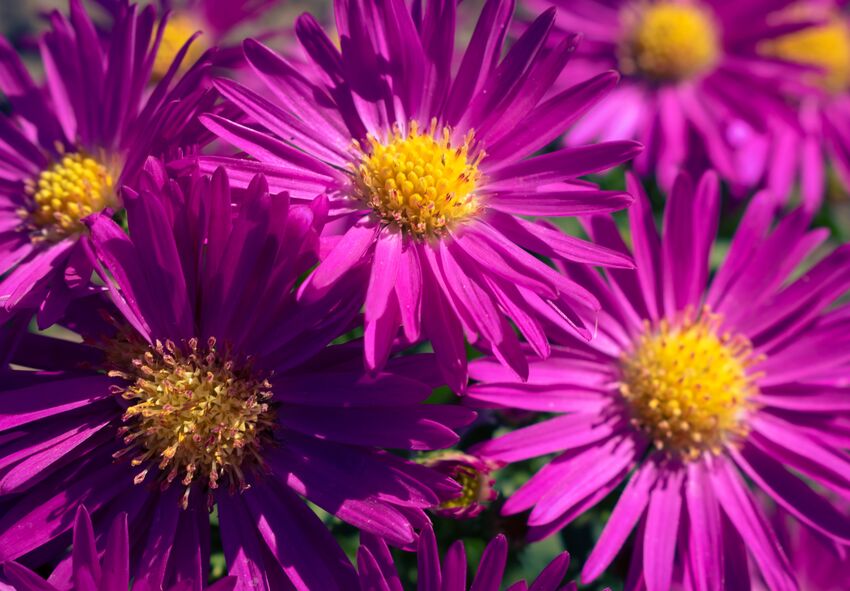
Planting asters in early fall offers several advantages that contribute to healthier plants and improved flowering performance. The combination of moderate temperatures and naturally increasing soil moisture creates ideal conditions for establishment.
Favorable Soil and Air Temperatures
Early fall typically provides cooler air temperatures while the soil remains relatively warm from the summer months. These conditions encourage active root growth without placing excessive stress on the plant.
Unlike spring-planted specimens that must divide their energy between root establishment and flowering, asters planted in early fall can focus primarily on developing a strong root system. This often leads to healthier aster plants and improved resilience during future growing seasons.
Strong Root Development Before Winter
One of the greatest benefits of fall planting is the opportunity for roots to establish before winter dormancy begins. Even after above-ground growth slows, roots may continue developing as long as soil temperatures remain favorable. A well-developed root system improves the plant’s ability to absorb water and nutrients. It also increases winter survival and allows asters to resume growth more quickly when spring arrives.
Better Establishment for Spring Growth
Plants that become established during autumn generally enter the following growing season with a significant advantage. Because their roots are already developed, they can devote more energy to producing healthy foliage, strong stems, and abundant flowers. This head start often results in fuller plants and more impressive flowering displays compared to asters planted later or under less favorable conditions.
How to Choose the Best Location for Asters
Selecting the right planting site is one of the most important factors in successful aster cultivation. Proper placement helps ensure healthy growth, reduces maintenance requirements, and maximizes flowering potential.
Sunlight Requirements
Most asters perform best in locations that receive full sun for much of the day. Adequate sunlight promotes compact growth, strong stems, and abundant flower production. While some varieties can tolerate partial shade, insufficient light may result in weaker stems, reduced flowering, and a less attractive overall appearance. Choosing a bright location helps plants achieve their full ornamental potential.
Soil Conditions and Drainage
Asters prefer fertile, well-drained soil that retains sufficient moisture without becoming waterlogged. Excessively wet conditions can lead to root problems and reduce plant vigor. Improving heavy soils with organic matter can enhance both fertility and drainage. Well-prepared soil creates a stable foundation for healthy root development and long-term plant performance.
Spacing and Garden Placement
Proper spacing allows asters to develop naturally and promotes good air circulation around the plants. Adequate airflow helps reduce the likelihood of fungal diseases and encourages healthier growth. Asters work well in mixed borders, perennial beds, cottage gardens, and pollinator-friendly plantings. Their height and colorful blooms make them excellent companions for many late-season flowering plants.
How to Plant Asters in Early Fall
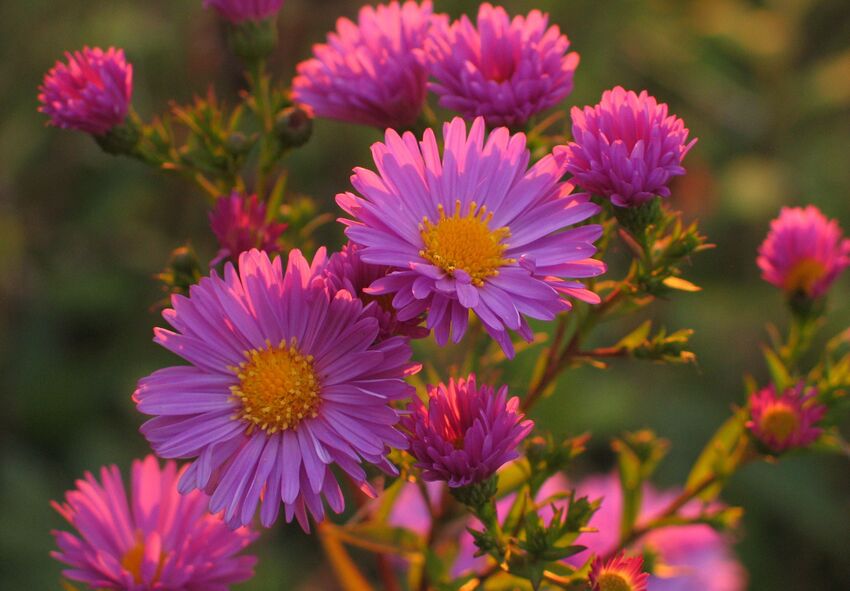
Planting asters correctly is essential for successful establishment. A few simple steps can significantly improve the likelihood of healthy growth and abundant flowering in future seasons.
Preparing the Soil
Before planting, the soil should be loosened thoroughly to improve root penetration and drainage. Removing weeds and debris helps reduce competition for nutrients and moisture. Incorporating compost or other organic matter can enrich the soil and improve its structure. This creates favorable conditions for root development and supports healthy long-term growth.
Proper Planting Depth and Spacing
Asters should be planted at the same depth at which they were growing in their containers. Planting too deeply can place unnecessary stress on the crown, while shallow planting may expose roots to environmental fluctuations. Spacing depends on the mature size of the variety, but providing sufficient room for growth helps maintain good air circulation and prevents overcrowding as the plants mature.
Watering After Planting
Newly planted asters require consistent moisture during the establishment period. Watering immediately after planting helps settle the soil around the roots and eliminates air pockets. During the first several weeks, soil should remain evenly moist but not saturated. Proper watering encourages root growth and helps the plants adjust successfully to their new location.
Caring for Newly Planted Asters
Although asters are relatively easy to grow, newly planted specimens benefit from additional attention during their first months in the garden. Proper care helps ensure successful establishment before winter arrives. For more useful care tips, check out the full guide for asters.
Mulching for Moisture and Protection
Applying a layer of mulch around newly planted asters helps conserve soil moisture and regulate temperature fluctuations. Mulch also suppresses weed growth and contributes to a healthier root environment. As winter approaches, mulch provides additional protection against repeated freezing and thawing cycles that can disturb young roots.
Watering During the Establishment Period
Consistent watering is essential during the first few weeks after planting, as it helps asters establish a strong and healthy root system before winter. The goal is to keep the soil evenly moist without allowing it to become waterlogged. Follow these simple watering guidelines:
- Water immediately after planting to settle the soil around the roots.
- Keep the soil consistently moist during dry autumn weather.
- Avoid overwatering, as excessive moisture can lead to root problems.
- Reduce watering gradually as temperatures drop and the plants begin to enter dormancy.
Preparing Plants for Winter
As temperatures decline and growth slows, asters naturally begin preparing for dormancy. Healthy plants that have established strong root systems generally tolerate winter conditions well. Avoid stimulating excessive late-season growth with heavy fertilization. Instead, allow the plants to transition naturally into dormancy while maintaining suitable soil moisture levels until the ground begins to freeze.
Common Mistakes to Avoid When Planting Asters
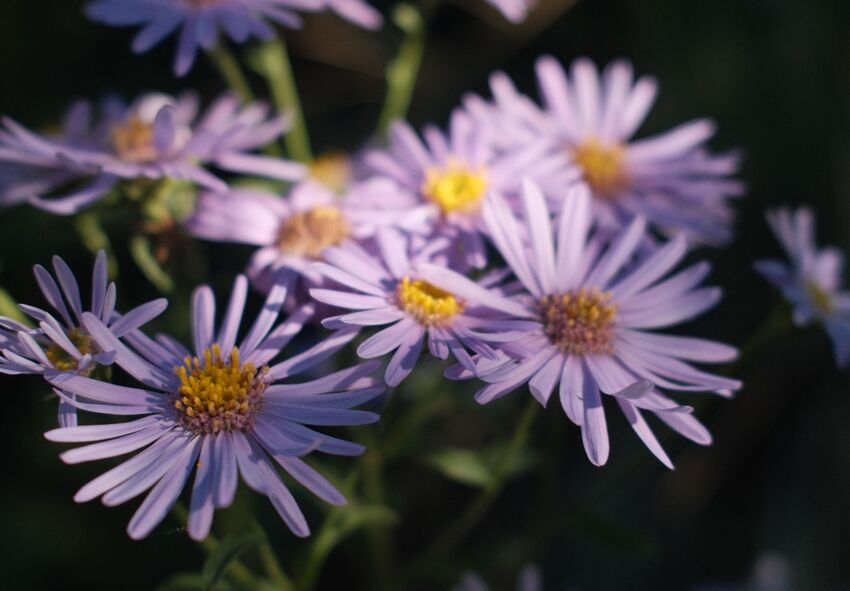
Even relatively easy-to-grow perennials can experience problems if basic planting principles are overlooked. Understanding common mistakes can improve long-term success.
Planting Too Late in the Season
One of the most common errors is delaying planting until late autumn. Plants installed too close to winter may not have enough time to establish roots before dormancy. Early fall planting provides a longer establishment period and increases the likelihood of successful overwintering.
Choosing Poorly Drained Sites
Poor drainage is a frequent cause of plant decline. Excess moisture around the roots can encourage disease and weaken the plant over time. Selecting a well-drained location and improving soil structure when necessary helps prevent these problems and promotes healthier growth.
Overwatering or Neglecting Young Plants
Both excessive and insufficient watering can interfere with establishment. Overwatering may lead to root issues, while prolonged dryness can limit root development. Maintaining consistent but moderate moisture levels is the best approach during the first months after planting.
Conclusion
Planting asters in early fall is an excellent way to establish healthy, vigorous plants that will provide beautiful displays for years to come. The combination of warm soil, cooler temperatures, and favorable moisture levels creates ideal conditions for root development and long-term success.
By selecting a suitable planting site, preparing the soil carefully, following proper planting techniques, and providing appropriate care during establishment, gardeners can greatly improve the performance of their asters. With a little planning and attention, these versatile perennials will reward the garden with abundant color, pollinator activity, and reliable seasonal beauty year after year!
Frequently Asked Questions (FAQs) about Asters Planting in Fall
1. Why is early fall the best time to plant asters?
Early fall offers ideal growing conditions because the soil is still warm while air temperatures are cooler than in summer. These conditions encourage strong root development without exposing plants to excessive heat stress. Asters planted during this period have time to establish before winter dormancy, allowing them to grow more vigorously and produce abundant flowers when the next growing season begins.
2. How much sunlight do asters need after planting?
Most asters thrive in locations that receive at least six hours of direct sunlight each day. Full sun promotes compact growth, sturdy stems, and plentiful blooms. While some varieties tolerate partial shade, reduced light often results in fewer flowers and weaker plants. Choosing a bright planting site helps asters establish successfully and perform at their best throughout the flowering season.
3. Can I order asters from your online store?
Yes, you can order a variety of asters from our online store Dutch-bulbs.com, including perennial varieties suitable for borders, flower beds, pollinator gardens, and mixed landscape plantings. We offer carefully selected plants and planting material to suit different garden styles and growing conditions. Choosing high-quality asters from a trusted supplier helps ensure healthy establishment and beautiful seasonal flowering.
4. How should I care for newly planted asters before winter?
Newly planted asters should be watered regularly while they establish their root systems, especially during dry autumn weather. Applying mulch helps retain soil moisture, regulate temperature fluctuations, and protect young roots as winter approaches. Heavy fertilization is generally unnecessary during this period, as plants naturally begin preparing for dormancy and should focus on root development rather than producing new foliage.
5. Can asters stay in the same place for several years?
Yes, asters are long-lived perennials that can remain in the same location for many years when grown in suitable conditions. With proper sunlight, well-drained soil, and routine maintenance, they continue producing reliable blooms each season. Mature clumps may eventually benefit from division if they become overcrowded or flowering begins to decline, helping maintain healthy growth and vigorous performance.
Published: 13.07.2026