



Creating your own herbal garden is one of the most rewarding and practical ways to enhance your outdoor or indoor space. Fresh herbs add flavor to meals, fragrance to your garden, and natural beauty to your home. Whether you have a large backyard or a small balcony, learning how to create herbal garden successfully is easier than you might think.
This guide will walk you through everything you need to know, from choosing the right location to planting and maintaining your herbs. By following these simple steps, you can grow a healthy and productive herb garden for beginners or experienced gardeners alike. Our gardening blog is a perfect place to find all the information you need!
Introduction to Herbal Gardening
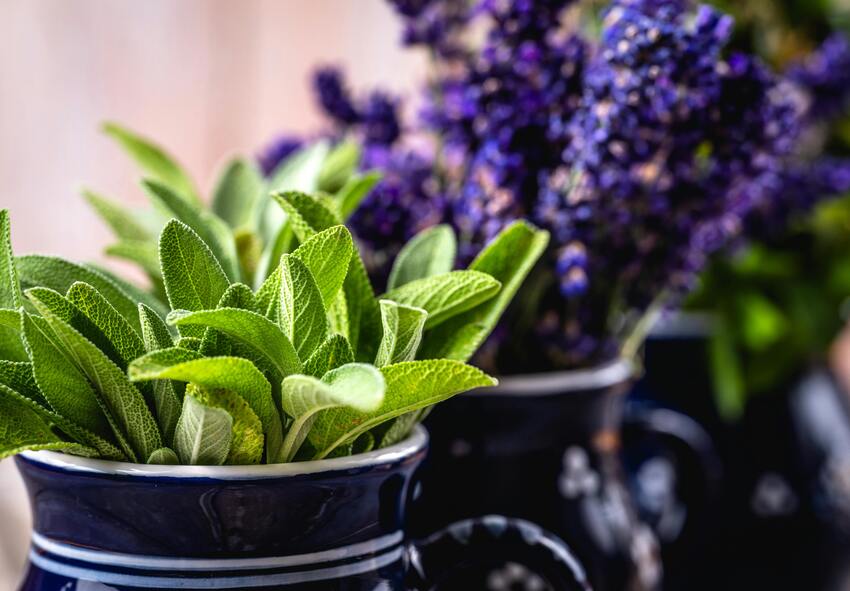
Starting an herbal garden is a simple way to bring fresh flavors and greenery into your home. Herbs are easy to grow and require minimal space, making them ideal for beginners. With proper planning and care, your herbal garden can thrive throughout the growing season.
What Is a Herbal Garden?
A herbal garden is a dedicated space where herbs are grown for cooking, medicinal use, or decorative purposes. These gardens can be created outdoors in garden beds or indoors in containers. Many gardeners prefer herbs because they are low-maintenance and grow quickly.
Benefits of Growing Your Own Herbs
Growing your own herbs offers many advantages for gardeners. Fresh herbs provide better flavor compared to store-bought options. They are also more affordable and always available when needed. Herb gardens also attract pollinators like bees and butterflies. These beneficial insects help improve overall garden health. In addition, herbs add fragrance and visual appeal to outdoor spaces.
Choosing the Right Location for Your Herbal Garden
Choosing the right location is one of the most important steps when learning how to create herbal garden. Herbs thrive in suitable conditions with enough sunlight and airflow. Proper placement ensures healthy growth and better harvests.
Sunlight Requirements for Herbs
Most herbs require at least six hours of sunlight daily. Sunlight helps herbs develop strong growth and better flavor. Placing herbs in a sunny location ensures optimal development. If your garden receives partial shade, choose herbs that tolerate lower light. Parsley, mint, and chives grow well in partial sun. Always monitor light conditions before planting.
Space Considerations for Small Gardens
Even small spaces can support a productive herb garden. Balconies, patios, and windowsills are perfect for growing herbs. Containers allow you to maximize limited space. Vertical gardening is another excellent option. Hanging baskets and wall planters create additional growing areas. Small gardens can still produce abundant herbs.
Planning Your Herb Garden Layout
Planning your herb garden layout helps create an organized and attractive space. Proper layout improves airflow and makes maintenance easier. Thoughtful planning also ensures herbs receive enough sunlight and space.
Herb Garden Layout Ideas
There are many herb garden ideas to suit different spaces and preferences. Traditional herb gardens use square or rectangular beds for easy access. Circular or spiral designs create decorative focal points. You can also group herbs by their use, such as culinary or medicinal. Another option is arranging herbs by height to create layered displays.
Raised Beds vs Ground Planting
Raised beds are popular for herb gardens because they improve drainage. They also make planting and harvesting easier. Raised beds warm up faster in spring, helping herbs grow quickly. Ground planting works well for larger gardens. It allows herbs to spread naturally and requires less setup. Choose the option that best suits your garden size and needs.
Container Herb Garden Layout
Container herb gardens are ideal for small spaces. Pots can be arranged on patios, balconies, or windowsills. Containers also allow flexibility in garden design. Grouping containers together creates a cohesive look. Use different pot sizes for visual interest. Container layouts make herb gardening simple and accessible.
Best Herbs to Grow in Your Herbal Garden
Choosing the best herbs to grow at home depends on your preferences and climate. Many herbs are easy to grow and provide fresh flavors for cooking. Selecting a variety ensures a diverse and productive garden.
Easy Herbs for Beginners
Some herbs are particularly suitable for beginners. These plants are easy to grow, require minimal care, and adapt well to different environments. Starting with beginner-friendly herbs helps build confidence and ensures early success.
Popular easy herbs include:
- Basil — Fast-growing and perfect for cooking
- Mint — Very hardy and grows well in containers
- Chives — Low maintenance and ideal for borders
- Parsley — Versatile and easy to grow
- Thyme — Drought-tolerant and compact
These herbs grow quickly and can be harvested regularly. Growing beginner herbs is a great way to start your herbal garden journey.
Culinary Herbs to Grow
Culinary herbs are the most popular choice for home gardens. These herbs enhance the flavor of fresh meals and are often used daily. Growing your own culinary herbs ensures freshness and convenience.
Common culinary herbs include basil, oregano, rosemary, and thyme. These herbs thrive in sunny locations and well-drained soil. Planting culinary herbs together makes harvesting easier and improves garden organization.
You can also grow herbs in the kitchen for convenience. Having fresh herbs nearby encourages regular use. Culinary herb gardens are both practical and decorative.
Medicinal Herbs to Consider
Medicinal herbs are grown for their traditional healing properties. These herbs are often used in teas, oils, and natural remedies. Adding medicinal herbs brings additional value to your garden.
Popular medicinal herbs include chamomile, lavender, and lemon balm. These herbs are easy to grow and produce fragrant flowers and foliage. Many medicinal herbs also attract beneficial insects.
Growing medicinal herbs creates a calming and functional garden. These plants offer both beauty and practical benefits.
How to Plant and Care for Herbs
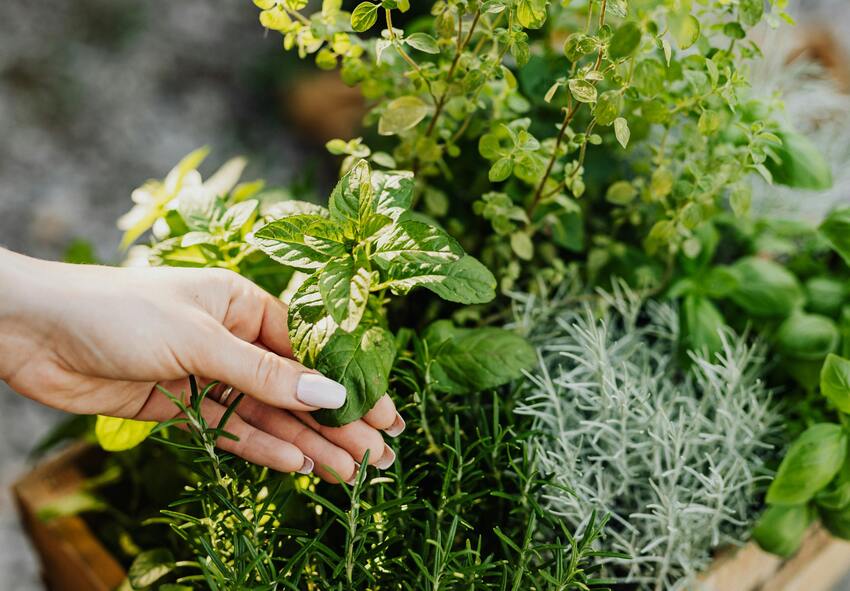
Proper planting and care are essential when learning how to create herbal garden successfully. Herbs thrive when provided with good soil, proper watering, and adequate nutrients. Following simple care routines ensures healthy growth and regular harvests.
Preparing Soil for Herbal Garden
Good soil is essential for growing healthy herbs. Most herbs prefer well-drained soil with moderate fertility. Heavy or compacted soil can prevent proper root development. Adding compost improves soil quality and drainage. Organic matter also helps retain moisture without waterlogging. Preparing soil before planting ensures strong growth. Test soil conditions before planting. Adjust soil if necessary. Healthy soil creates a strong foundation for herbs.
Planting Herb Seedlings
Planting seedlings is one of the easiest ways to start an herb garden. Seedlings establish faster than seeds and produce quicker results. Choose healthy plants with strong leaves. Space herbs according to their growth habits. Proper spacing improves airflow and reduces disease risk. Water seedlings after planting to help roots settle. Plant herbs at the same depth as their containers. Avoid planting too deep. Proper planting ensures successful growth.
Watering Tips
Herbs generally prefer moderate watering. Overwatering is a common mistake that can harm plants. Check soil moisture before watering. Water herbs early in the morning for best results. Container herbs may need more frequent watering. Consistent watering supports healthy growth. Allow soil to dry slightly between watering. This prevents root rot. Balanced watering keeps herbs healthy.
Fertilizing Herbs
Herbs do not require heavy fertilizing. Too much fertilizer can reduce flavor intensity. Light feeding is usually sufficient. Use organic fertilizers for best results. Compost or liquid fertilizer works well. Feed herbs every few weeks during active growth. Avoid over-fertilizing delicate herbs. Monitor plant growth regularly. Proper fertilizing encourages healthy development.
Growing Herbs in Containers
Growing herbs in containers is a great solution for small spaces. Containers allow flexibility and easy maintenance. This method works well for patios, balconies, and indoor spaces.
Choosing the Right Containers
Choosing the right containers is important for healthy herbs. Containers should have drainage holes to prevent water buildup. Proper drainage helps prevent root rot. Select containers based on herb size. Larger herbs need bigger pots. Small herbs grow well in compact containers. Clay pots are popular for herbs. They allow better airflow. Choose containers that suit your space.
Best Soil Mix for Pots
Container herbs require well-draining soil. Use potting mix designed for containers. Avoid using garden soil in pots. Add perlite or sand for better drainage. This helps roots grow properly. Good soil mix improves plant health. Refresh potting soil annually. This ensures nutrients remain available. Healthy soil supports strong growth.
Container Care Tips
Container herbs need regular watering. Pots dry out faster than garden beds. Monitor soil moisture daily. Rotate containers for even sunlight exposure. This promotes balanced growth. Fertilize lightly during growing season. Protect containers from extreme weather. Move them if necessary. Proper care keeps container herbs thriving.
Companion Planting in Herbal Garden
Companion planting helps herbs grow better together. Some herbs improve growth and repel pests naturally. Choosing compatible herbs enhances garden health.
Herbs That Grow Well Together
Certain herbs grow well when planted together. Companion planting improves growth and reduces pest problems. Grouping compatible herbs creates a productive garden.
Good herb companions include:
- Basil and parsley — Grow well together and share watering needs
- Rosemary and thyme — Prefer similar dry conditions
- Mint and lemon balm — Thrive in similar environments
- Sage and oregano — Grow well in sunny locations
These combinations improve growth and simplify maintenance.
Herbs to Avoid Planting Together
Some herbs do not grow well together. Avoid mixing herbs with different watering needs. Proper placement prevents growth problems.
Herbs to avoid planting together include:
- Mint with other herbs — Mint spreads aggressively
- Basil and rosemary — Require different watering levels
- Fennel with most herbs — Can inhibit growth
Separating incompatible herbs improves garden success.
Indoor Herbal Garden Ideas
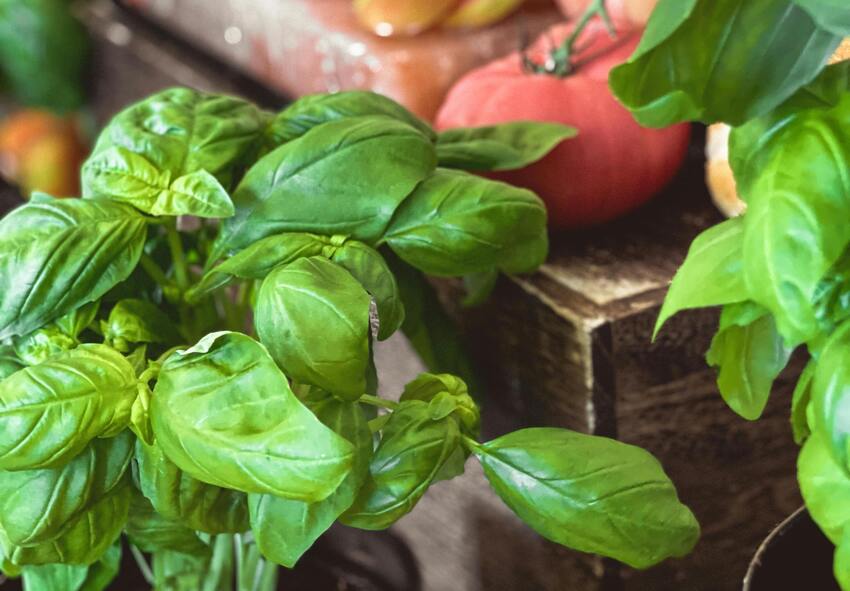
Indoor herb gardens allow year-round growing. They are perfect for small spaces and apartments. Indoor herbs also provide fresh ingredients anytime.
Best Herbs for Indoor Growing
Some herbs grow particularly well indoors. These herbs adapt to lower light conditions. Indoor herbs are easy to maintain. Best indoor herbs include basil, parsley, mint, and chives. These herbs grow well in containers. Regular harvesting encourages new growth. Place herbs near bright windows. Rotate pots for even light. Indoor herbs thrive with proper care.
Windowsill Herb Garden
Windowsill herb gardens are simple and convenient. Place small containers along sunny windows. This provides easy access to fresh herbs. Choose compact herbs for windowsills. Ensure containers have drainage holes. Water regularly but avoid overwatering. Windowsill gardens add greenery to indoor spaces. They are perfect for beginners. Small spaces can still produce fresh herbs.
Indoor Lighting Tips
Indoor herbs need sufficient light. South-facing windows provide the best conditions. If natural light is limited, use grow lights. Position lights above herbs for even coverage. Keep lights on for several hours daily. Proper lighting supports healthy growth. Monitor plant response to light. Adjust as needed. Good lighting ensures successful indoor gardening.
Conclusion
Learning how to create herbal garden is a rewarding and practical way to enhance your home and garden. With proper planning, suitable herbs, and consistent care, anyone can grow a thriving herb garden. Whether indoors or outdoors, herbs provide beauty, fragrance, and fresh flavors all year round!
Frequently Asked Questions (FAQs) about Herbal Garden
1. What are the easiest herbs to grow for beginners?
The easiest herbs for beginners include basil, mint, parsley, chives, and thyme. These herbs grow quickly and require minimal care. Most of them adapt well to containers or garden beds. Start with a few varieties and expand gradually. Regular watering, sunlight, and light pruning will help beginner-friendly herbs thrive successfully.
2. Can I order herb plants in your online store?
Yes, you can order a wide selection of herb plants in our online store Dutch-bulbs.com. We offer popular herbs such as basil, rosemary, thyme, mint, and more. Our plants are carefully selected and shipped ready for planting. Ordering online makes it easy to start your herbal garden quickly and successfully.
3. How much sunlight does a herbal garden need?
Most herbs need at least 6 hours of sunlight per day to grow properly. Sunlight helps herbs develop strong growth and better flavor. Some herbs like mint and parsley tolerate partial shade. If growing indoors, place herbs near a sunny window or use grow lights to provide enough light.
4. Can I create a herbal garden in a small space?
Yes, you can easily create a herbal garden in small spaces such as balconies, patios, or windowsills. Containers, vertical planters, and hanging baskets help maximize space. Many herbs grow well in compact areas. Even a small herbal garden can provide fresh herbs for cooking and decorative greenery.
5. How often should I water herbs?
Herbs usually prefer moderate watering and well-drained soil. Water when the top layer of soil feels dry. Overwatering is one of the most common mistakes and can cause root rot. Container herbs may need more frequent watering. Always adjust watering based on weather, soil conditions, and plant needs.
Published: 19.06.2026