



Choosing indoor plants is about more than just style — it’s also about safety, especially if you share your home with pets. Many popular houseplants can be harmful to cats and dogs, causing digestive issues or more serious health problems if ingested. That’s why pet safe indoor plants are an ideal solution for plant lovers who want a beautiful home without putting their furry companions at risk.
Pet-friendly houseplants allow you to enjoy greenery while maintaining a safe environment for curious pets. With the right choices, you can create a lush indoor space that supports both your décor goals and your pet’s well-being. Our gardening blog is a perfect place to find all the information you need!
What Makes a Plant Pet Safe?
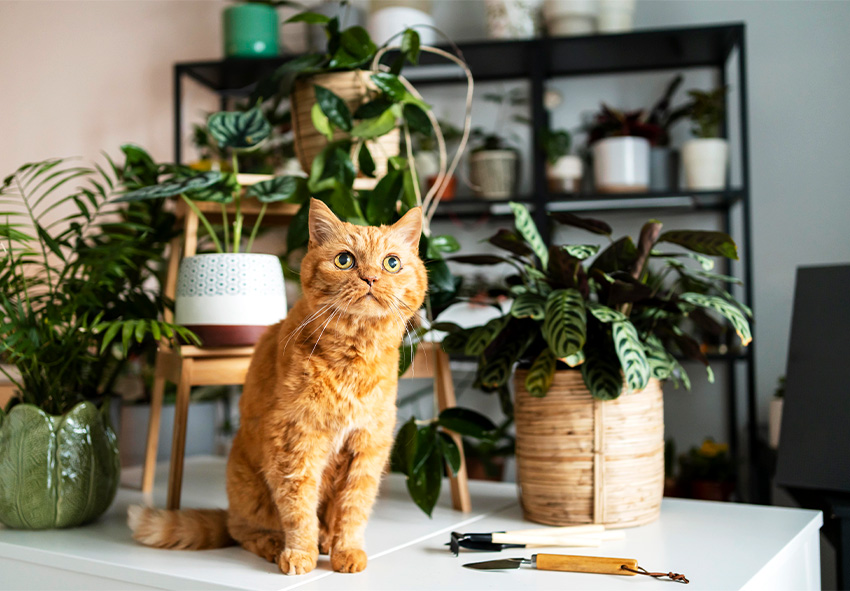
Not all indoor plants pose the same level of risk to pets. Understanding what makes a plant pet safe helps homeowners make informed choices and avoid unnecessary stress or vet visits. Pet-safe plants are generally non-toxic and unlikely to cause serious reactions if pets nibble on their leaves.
Understanding Plant Toxicity for Pets
Cats and dogs often explore their surroundings by chewing on plants, which can lead to accidental ingestion. Toxic plants may cause symptoms such as vomiting, drooling, lethargy, or skin irritation. Even small amounts of certain plants can be dangerous, making it essential to choose non toxic houseplants.
Trusted Sources for Pet-Safe Plant Information
Reliable sources such as veterinarians and the ASPCA provide updated lists of plants safe for cats and dogs. Checking these resources before purchasing indoor plants can help ensure your selections are truly pet friendly. Responsible plant retailers often label plants clearly to assist pet owners.
Benefits of Pet-Friendly Indoor Plants
Pet-friendly indoor plants offer more than just peace of mind — they also enhance the overall quality of your living space. From improved air quality to visual appeal, these plants bring many advantages to pet-owning households.
Creating a Safe Home Environment for Pets
Using indoor plants safe for pets reduces the risk of accidental poisoning. This allows pets to roam freely without constant supervision around greenery. A safe environment helps pets feel relaxed and comfortable in their home.
Improving Indoor Air and Aesthetics
Many pet safe indoor plants help improve indoor air quality by increasing humidity and filtering airborne particles. At the same time, they add texture, color, and natural beauty to your space. The result is a healthier and more inviting home for both humans and pets.
Best Pet Safe Indoor Plants for Your Home
There are many beautiful and easy-to-care-for plants that are safe for pets. Below are some of the best pet friendly houseplants that work well in a variety of indoor environments.
Boston Fern
The Boston fern is a classic choice among non toxic houseplants. Its lush, arching fronds make it perfect for hanging baskets or shelves. This plant prefers humidity and indirect light, making it well suited for bathrooms or kitchens.
Maidenhair Fern
Maidenhair ferns are known for their delicate, airy leaves and pet-safe qualities. While they require consistent moisture and gentle care, they reward owners with graceful foliage. They are a great option for homes with attentive plant caretakers.
Areca Palm
The Areca palm adds a tropical feel to interiors and is safe for pets. It grows well in bright, filtered light and helps improve indoor air quality. This palm is ideal for living rooms and larger spaces.
Calathea (Prayer Plant)
Calatheas are popular for their striking leaf patterns and pet-friendly nature. They prefer low to medium light and consistently moist soil. Their leaves move slightly throughout the day, adding a dynamic element to your décor.
Spider Plant
Spider plants are among the easiest pet safe indoor plants to grow. They adapt well to different lighting conditions and produce offshoots that can be propagated easily. Their arching leaves make them perfect for shelves or hanging planters.
Orchids
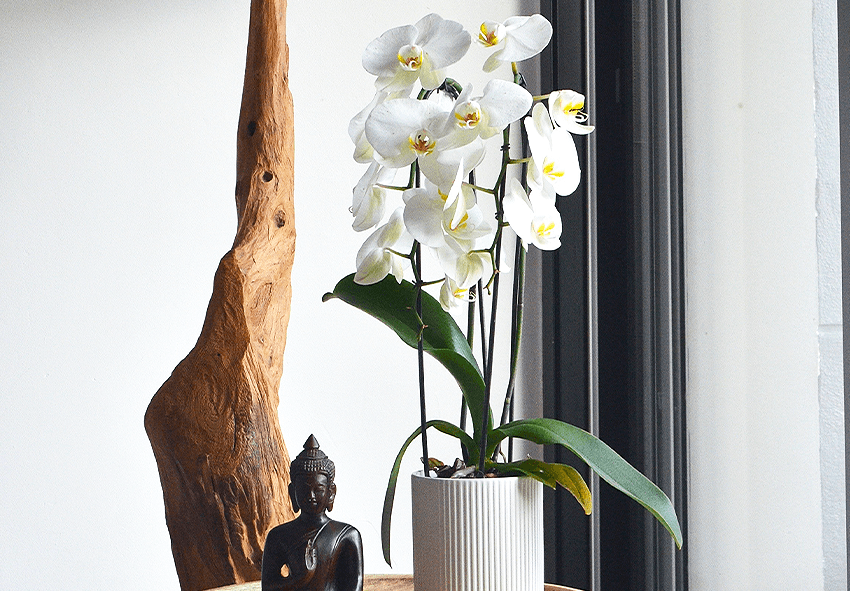
Orchids are elegant flowering plants that are completely safe for cats and dogs. They thrive in bright, indirect light and require minimal watering, which makes orchids ideal for busy plant owners. Their long-lasting blooms add a touch of sophistication to any room.
Parlor Palm
The parlor palm is a compact and slow-growing plant that is safe for cats and dogs. It tolerates low light and requires minimal maintenance. This makes it an excellent choice for apartments or small rooms.
Peperomia
Peperomia plants come in a wide variety of shapes and textures and are safe for pets. They prefer bright, indirect light and infrequent watering. Their compact size makes them ideal for desks and countertops.
Fittonia (Nerve Plant)
Fittonia is known for its vibrant, veined leaves and pet-safe nature. It thrives in humid conditions and indirect light. This plant works well in terrariums or shaded indoor areas.
African Violet
African violets are flowering plants that are safe for pets and easy to care for. They bloom well in bright, indirect light and add cheerful color to indoor spaces. With proper care, they can flower multiple times a year.
Tips for Styling Pet-Safe Indoor Plants
Styling indoor plants is about balancing beauty and safety. With thoughtful placement, you can enjoy greenery without encouraging pets to chew or dig.
Choosing the Right Plant for Each Room
Larger plants like palms work well in living rooms, while smaller plants such as peperomia suit bedrooms or offices. Bathrooms are ideal for ferns that enjoy humidity. Matching plants to rooms improves both aesthetics and plant health.
Safe Plant Placement Around Curious Pets
Using hanging planters or elevated shelves can help keep plants out of reach. Heavier pots also prevent tipping by playful pets. Strategic placement keeps plants safe and intact.
Caring for Pet Safe Indoor Plants
Proper care ensures that your plants stay healthy and attractive. Pet safe indoor plants often share similar care requirements, making maintenance easier.
Watering, Light, and Soil Basics
Most pet-friendly plants prefer well-draining soil and indirect light. Overwatering should be avoided, as it can lead to root rot. Understanding basic care needs helps plants thrive long term.
Keeping Pets From Digging or Chewing
Training pets and providing chew toys can reduce unwanted plant attention. Decorative stones on soil surfaces can also deter digging. These simple steps protect both plants and pets.
Overwintering Pet Safe Indoor Plants
Many non-toxic plants benefit from being moved indoors before temperatures drop, and proper care during overwintering plants indoors helps maintain steady growth and prevents stress.
Plants to Avoid If You Have Pets
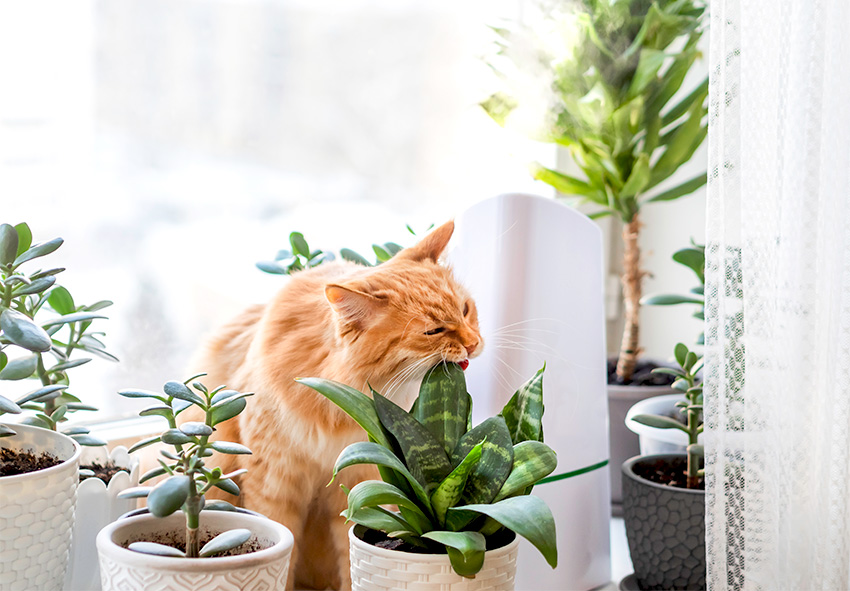
While many houseplants are safe, others can be harmful to pets and should be avoided. Knowing which plants to keep out of your home is just as important as choosing the right ones.
Common Toxic Indoor Plants
Not all popular houseplants are safe for homes with pets. Many attractive indoor plants contain substances that can be harmful or even dangerous to cats and dogs if chewed or ingested. Knowing which plants to avoid helps pet owners make safer choices and prevent unnecessary health risks:
- Lilies – Extremely toxic to cats, even in small amounts. Ingestion can lead to kidney failure and requires immediate veterinary attention.
- Pothos (Devil’s Ivy) – Contains calcium oxalates that can cause mouth irritation, vomiting, and drooling in both cats and dogs.
- Snake Plant (Sansevieria) – Though hardy and popular, this plant can cause nausea, diarrhea, and vomiting in pets.
- Philodendron – A common indoor plant that may lead to oral irritation, swelling, and digestive discomfort when ingested.
- Dieffenbachia (Dumb Cane) – Known for causing intense mouth and throat irritation, making swallowing painful for pets.
- Peace Lily – While less dangerous than true lilies, it can still cause irritation, drooling, and vomiting in pets.
- Aloe Vera – Often used for medicinal purposes, but toxic to pets and may cause lethargy, tremors, and digestive upset.
What to Do If Your Pet Chews a Plant
If you suspect your pet has ingested a plant, remove any remaining plant material from their mouth. Monitor them closely and contact a veterinarian if symptoms appear. Acting quickly can prevent serious complications.
Conclusion
Pet safe indoor plants make it possible to enjoy a green, vibrant home without compromising your pet’s safety. From orchids and ferns to palms and flowering plants, there are many beautiful options to choose from. By selecting non toxic houseplants and caring for them properly, you create a harmonious environment where both plants and pets can thrive.
Frequently Asked Questions (FAQs) about Pet-Safe Plants
1. Are pet safe indoor plants completely harmless to cats and dogs?
Pet safe indoor plants are considered non-toxic and generally safe for cats and dogs if they are chewed or touched. However, even non-toxic plants can cause mild stomach upset when consumed in large amounts. It’s always best to monitor pets and discourage excessive chewing on any indoor plants.
2. Which pet safe indoor plants are easiest for beginners to care for?
Some of the easiest pet safe indoor plants for beginners include spider plants, parlor palms, peperomia, and orchids. These plants adapt well to indoor conditions, tolerate minor care mistakes, and require minimal maintenance. They are excellent choices for new plant owners with pets at home.
3. Are orchids safe for both cats and dogs?
Yes, orchids are completely safe for both cats and dogs. They do not contain toxic compounds and are listed as non-toxic by trusted pet safety sources. Orchids are also low-maintenance plants that thrive in indirect light, making them a stylish and pet-friendly option for indoor spaces.
4. Can pet safe indoor plants still cause allergies in pets?
While pet safe indoor plants are non-toxic, some pets may still experience mild allergic reactions such as sneezing or skin irritation. These reactions are uncommon and usually not serious. If symptoms persist, it’s recommended to remove the plant and consult a veterinarian for professional advice.
5. Can I order pet safe plants from your online plant store?
Yes, you can order orchids and other plants directly from our online store Dutch-bulbs.com. We carefully select healthy, pet-friendly plants and ship them securely to ensure they arrive in excellent condition. Each plant listing includes care instructions, making it easy to choose the right pet safe indoor plants for your home.
Published: 06.01.2026