



Overwintering tender plants indoors is one of the most effective ways to protect cold-sensitive species from frost and harsh winter conditions. Many popular garden plants simply cannot survive low temperatures, but with the right indoor care, they can thrive again in spring. Bringing plants inside also helps you preserve mature specimens, save money on replacements, and enjoy greenery throughout winter. This guide covers how to overwinter a wide range of tender plants, from flowering varieties to tropical foliage and herbs. Our gardening blog is a perfect place to find all the information you need!
Preparing Tender Plants for Indoor Overwintering

Preparing tender plants for indoor overwintering is essential for preventing pests, preserving plant health, and ensuring a smooth transition from outdoor to indoor conditions. Many plants experience shock when brought inside, especially if environmental changes are sudden. Including basic techniques similar to winterising perennials can help gardeners better understand how to provide the right conditions for tender plants brought indoors. Taking the time to inspect, clean, and position your plants carefully helps set the stage for successful winter plant care.
Inspecting Plants for Pests and Diseases Before Bringing Them In
Always check leaves, stems, and soil for pests such as aphids, mealybugs, spider mites, or scale. Early detection prevents these issues from spreading indoors. Rinse foliage with water or use insecticidal soap before bringing plants inside to reduce pest risk.
Cleaning, Pruning, and Conditioning Plants
Remove dead leaves, trim leggy growth, and clean pots before moving plants indoors. Pruning helps reduce stress and encourages healthier winter growth. Light grooming also improves airflow and prevents mold issues inside the home.
Choosing the Right Indoor Location (Light, Temperature, Humidity)
Most tender plants require bright light, moderate humidity, and stable temperatures during winter. South- or west-facing windows are ideal for sun-loving varieties. Keep plants away from radiators, heating vents, or cold drafts that can cause leaf drop.
Winter Care Tips for All Overwintered Plants
Winter care involves adjusting your regular plant routine to match cooler temperatures and reduced daylight. Overwintered plants typically grow more slowly and need less water and attention. These care strategies help ensure your plants thrive until spring returns:
- Adjusting Watering for Dormant vs. Active Plants
Dormant plants require significantly less water than actively growing ones. Check soil moisture before watering and avoid overwatering. Plants placed in cooler rooms dry out more slowly.
- Managing Indoor Humidity Levels
Many tender plants suffer from dry indoor air. Increase humidity with pebble trays, humidifiers, or grouping plants together. Avoid letting leaves touch cold window glass.
- Providing Supplemental Lighting During Dark Months
Low winter light can weaken plants. Use LED grow lights to support growth, especially for sun-loving species. Keep lights on for 10–12 hours per day.
- When & How to Resume Feeding in Late Winter
Begin fertilizing lightly in late winter as daylight increases. Avoid high-nitrogen fertilizers early on. Resume normal feeding schedules in early spring.
Overwintering Flowering & Decorative Plants Indoors
Flowering and decorative plants often suffer quickly from cold temperatures, so providing the right indoor environment is essential. These species—Geraniums, Begonias, and Mandevilla—respond well to overwintering when given proper light, watering, and temperature control. Their ability to bloom again in spring makes the effort worthwhile.
Geraniums
Geraniums adapt well to indoor overwintering when placed in a bright window. Reduce watering, allowing the soil to dry slightly between waterings. If kept cool, they may enter semi-dormancy but will revive beautifully in spring.
Begonias
Tuberous and fibrous begonias require different care, but both need bright, indirect light indoors. Keep humidity moderate to avoid crisping leaves or fungal problems. Water lightly and avoid soaking tubers to prevent rot.
Mandevilla
Mandevilla vines are extremely frost-sensitive and must be brought indoors early. Provide bright light and keep the temperature above 15°C. Prune lightly to manage growth and maintain plant shape during winter.
Overwintering Tropical & Warm-Climate Plants
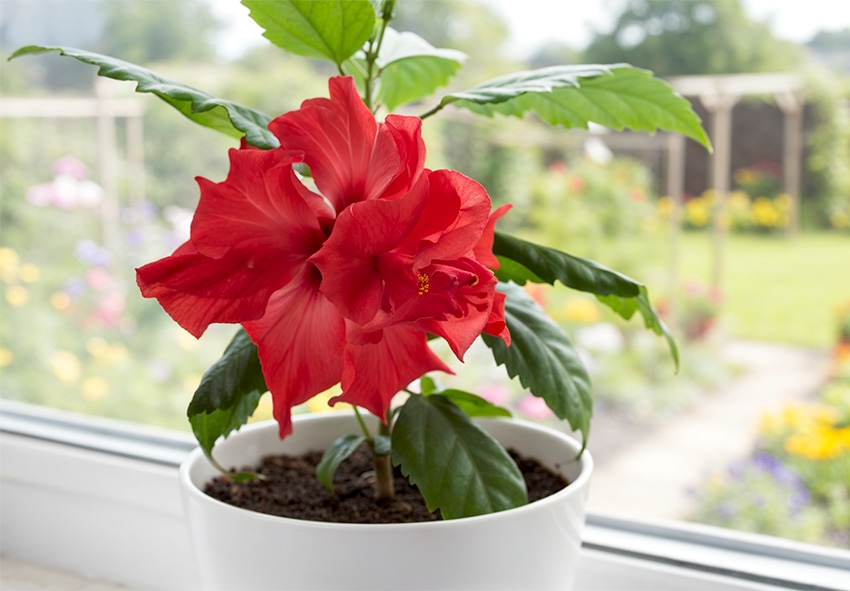
Tropical plants such as Hibiscus and Crotons need warm temperatures and consistent humidity. These plants are especially sensitive to cold drafts and dry indoor air. With proper care, they maintain their vibrant foliage and may even continue blooming indoors.
Hibiscus
Hibiscus may drop some leaves during the transition indoors, but this is normal. Keep them in a bright location and water regularly while avoiding soggy soil. Reduce fertilizer use until days become longer in late winter.
Crotons
Crotons are known for their colorful leaves, which they shed easily when stressed. Maintain a warm, humid environment to keep their foliage vibrant. Mist occasionally and water just enough to keep the soil lightly moist.
Overwintering Herbs Indoors
Many herbs, including Rosemary and Lemongrass, can overwinter indoors with excellent results. Keeping herbs inside not only protects them but also provides fresh culinary ingredients through the winter months. Light and airflow are the key to maintaining healthy herbs indoors.
Rosemary
Rosemary can be challenging indoors because it dislikes both dryness and overwatering. Place it in the brightest possible window and avoid letting air become stagnant. Water sparingly, ensuring the soil stays slightly dry.
Lemongrass
Lemongrass adapts well to pots and enjoys warm, sunny indoor locations. Keep the soil lightly moist and provide consistent warmth. Growth may slow in winter, but it will quickly resume in spring.
Overwintering Tender Houseplants Brought Outdoors in Summer
Many houseplants thrive outdoors in summer but must return inside once temperatures drop. Jasmine and Orchids are especially sensitive to cold changes. Transitioning them properly helps prevent shock and preserves their blooming cycles.
Jasmine
Jasmine needs bright indoor light and moderate humidity during winter. Bring it indoors gradually to prevent leaf drop. Water consistently but sparingly to avoid root issues.
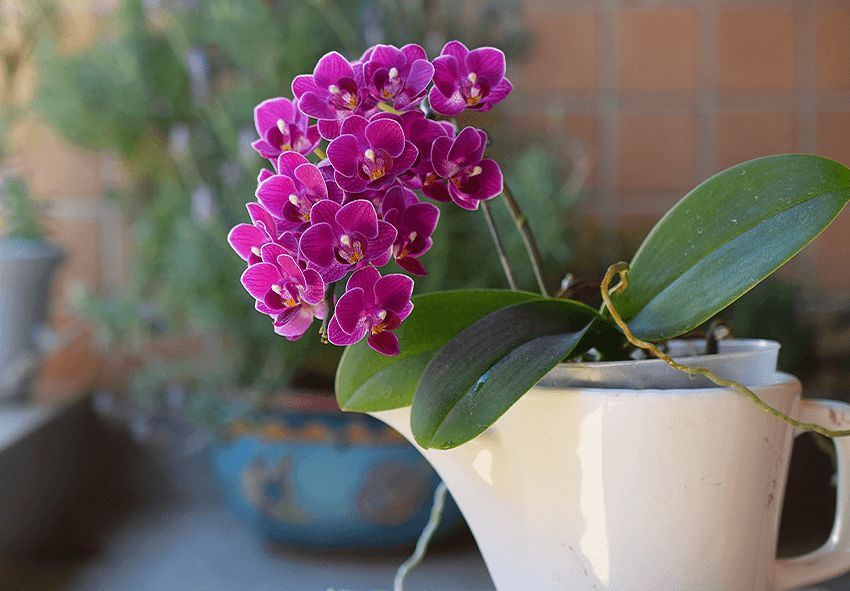
Orchids
Most orchids require stable temperatures and bright, filtered light when overwintered indoors. Avoid overwatering and ensure good air circulation around the roots. Maintain humidity with trays of water or gentle misting.
Troubleshooting Common Overwintering Problems
Even with proper care, some overwintering issues may arise. Identifying and addressing them early helps plants recover. Look for signs of stress, pests, or watering problems:
- Leaf Drop and Yellowing: Sudden environmental changes often cause leaf drop. Provide consistent light and temperature to minimize stress. Most plants will recover with stable care.
- Indoor Pest Outbreaks: Indoor conditions can attract spider mites, aphids, or fungus gnats. Treat immediately with neem oil or insecticidal soap. Increase airflow and inspect plants regularly.
- Mold, Rot, and Overwatering Issues: Overwatering is the most common winter problem. Keep soil lightly moist—not wet—and ensure proper drainage. Remove mold from soil surfaces and reduce watering frequency.
Preparing Plants for Spring Transition Back Outdoors
Moving plants back outside requires patience and preparation. Sudden exposure to sun and temperature shifts can damage tender foliage. Proper hardening off ensures plants adjust smoothly.
Hardening Off Tender Plants
Gradually acclimate plants by placing them outdoors for a few hours each day. Increase exposure over 1–2 weeks. Protect plants from direct midday sun at first.
Repotting, Feeding, and Seasonal Pruning
Spring is an ideal time for repotting root-bound plants. Resume normal fertilizing and prune to encourage strong new growth. Ensure potting soil is fresh and well-draining.
Timing Based on Temperature and Frost Risk
Do not move plants outdoors until all frost danger has passed. Check local forecasts and wait for nighttime temperatures consistently above 10°C. Early protection prevents long-term damage.
Conclusion
Overwintering tender plants indoors is a practical and rewarding way to protect your favorite garden species. With the right preparation, light, and watering routines, your plants will stay healthy throughout winter and burst back to life in spring. By understanding each plant’s needs, you can preserve mature specimens year after year while saving time and money.
Frequently Asked Questions (FAQs) about Overwintering Plants Indoors
1. When should I bring tender plants indoors for overwintering?
Tender plants should be brought indoors before nighttime temperatures drop below 10°C (50°F). Many plants experience stress even earlier, so it’s best to start transitioning them inside gradually. Doing this over several days helps reduce shock. Early preparation ensures healthier plants that adapt well to indoor growing conditions throughout winter.
2. How much light do tender plants need indoors in winter?
Most tender plants need bright, indirect light for at least 6 hours daily. South- or west-facing windows work best. If natural light is insufficient, add LED grow lights to maintain healthy growth. Position lights 20–30 cm above plants. Adequate lighting prevents leggy, weak growth and keeps plants stable until spring.
3. How often should I water overwintered plants?
Winter watering should be reduced significantly. Most tender plants prefer evenly moist but not wet soil during their indoor rest period. Allow the top few centimeters of soil to dry before watering again. Overwatering can trigger root rot, especially in cooler indoor temperatures. Always consider the specific moisture needs of each plant type.
4. What tender plants can I find in your online store?
Our online store Dutch-bulbs.com offers a wide variety of tender plants, including popular options like begonias, orchids, dahlias and gladioli. We also carry unique and seasonal varieties to suit various garden styles and climates. Browse our selection for top-quality, healthy plants perfect for your garden!
5. Can I prune tender plants before bringing them indoors?
Yes, light pruning helps remove damaged or weak growth and makes plants more manageable indoors. However, avoid heavy pruning for varieties like hibiscus or jasmine, which bloom on new growth. Trim only up to one-third of the plant. Pruning also improves airflow and reduces pest risks during the overwintering period.
Published: 05.12.2025