



Hostas are among the most beloved shade perennials, known for their lush foliage, elegant texture, and long-lasting garden presence. Fortunately, they are also very easy to propagate, making them ideal for gardeners who want to expand their collections at little cost. In this guide, you’ll learn the best methods for hosta propagation, including how to divide hostas, replant them, and care for the new divisions. Our gardening blog is a perfect place to find all the information you need!
Understanding Hosta Propagation
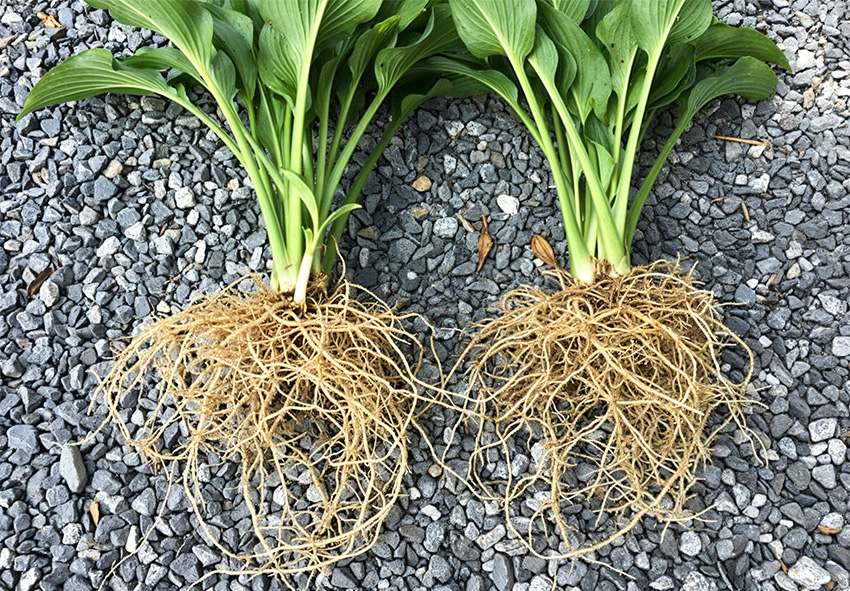
Propagating hostas is a rewarding process that allows gardeners to multiply healthy plants and rejuvenate older clumps. Whether you’re looking to fill a shady garden bed or share plants with friends, understanding the basics helps ensure successful results. Here, we explore the reasons for propagating hostas and what to expect during the process.
Why Propagate Hostas?
Propagation helps maintain plant vigor, prevent overcrowding, and promote stronger growth. Dividing older hostas encourages better airflow and healthier foliage. It also allows you to create multiple plants from a single mature clump.
Best Time of Year to Propagate
The ideal seasons for dividing hostas are early spring and early fall. During these times, temperatures are mild, and the plants experience less stress. Spring propagation ensures divisions have the entire growing season to establish roots.
How Long Propagation Takes
Hosta propagation typically takes several weeks before new roots form. Visible new growth may take a full growing season. Mature divisions will begin producing full foliage in the second year.
Tools and Materials You Will Need
Having the proper tools on hand makes dividing hostas easier and ensures clean cuts that promote healthy recovery. Preparing these items ahead of time reduces stress on both you and your plants. Good-quality tools also protect the roots from damage.
Essential Garden Tools
You’ll need a sharp spade, garden fork, and pruning shears. A clean cutting knife can help with stubborn clumps. Always sanitize tools before use to prevent disease spread.
Soil and Amendments
Rich, well-drained soil is essential for newly divided hostas. Compost or humus improves soil texture and moisture retention. Avoid heavy clay unless amended with organic matter.
Optional Supplies for Easier Division
A tarp can help transport divisions. Root stimulators or mild fertilizers may help encourage faster establishment. Mulch is useful for protecting exposed roots after planting.
How to Divide Hostas: Step-by-Step Guide
Dividing hostas is the most common and reliable method of propagating hosta plants. This step-by-step guide helps ensure you divide safely while keeping roots intact. Follow these stages for the best results and healthy new plants:
- Preparing the Plant and Location: Water the hosta thoroughly the day before dividing. Choose a cool, cloudy day to minimize heat stress. Prepare the new planting holes before lifting the plant.
- Lifting the Hosta from the Ground: Insert a spade around the plant and gently loosen the soil. Lift the entire clump with care to avoid breaking roots. Shake or rinse off excess soil for easier division.
- Separating the Clumps: Use a knife or your hands to separate the crown into sections. Each division should have several shoots and healthy roots. Avoid forcing divisions apart, as this may damage the rhizomes.
- Replanting the Divisions: Dig holes large enough to accommodate the roots without bending them. Plant each division at the same depth as the original plant. Firm the soil and water deeply to eliminate air pockets.
- Watering and Aftercare: Keep the soil evenly moist for several weeks after transplanting. Apply a light layer of mulch to maintain moisture. Avoid fertilizing until new growth appears.
Propagating Hostas in Containers
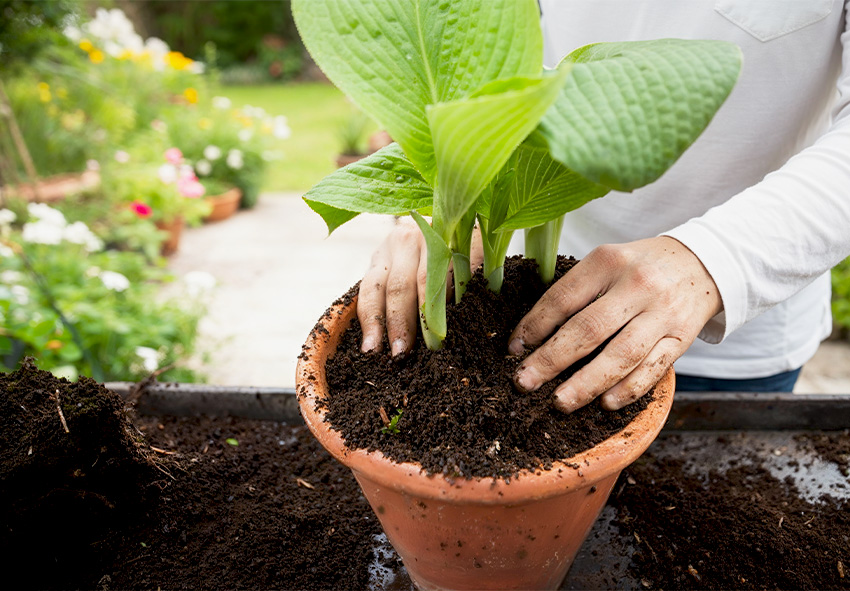
Propagation in containers is a great option for those who have limited garden space or want more control over soil conditions. Container-grown divisions establish quickly and can be moved easily while they mature. With the right care for hostas, these potted varieties grow just as well as those in the ground.
Benefits of Container Propagation
Containers allow excellent drainage and protection from pests. They make monitoring moisture levels simpler. They also allow early spring propagation without disturbing garden beds.
Choosing the Right Pot Size and Soil
Select pots 2–3 times larger than the root mass. Use a lightweight, rich potting mix to support root expansion. Ensure the container has drainage holes to prevent waterlogging.
Caring for Container-Grown Divisions
Place the containers in partial shade. Water consistently but avoid soggy soil. Repot into larger containers or transplant into the garden once the roots fill the pot.
Caring for Newly Divided Hostas
Newly divided hostas need time to recover and establish strong root systems. Proper aftercare during this period is crucial for long-term success. Ensuring adequate moisture, protection, and light helps the divisions settle quickly.
Watering Needs and Moisture Levels
Keep the soil moist but not saturated. Newly divided hostas are sensitive to both drought and overwatering. Check the soil frequently to ensure consistent moisture.
Mulching for Root Protection
Mulch helps regulate soil temperature and retain moisture. A 2–3-inch layer of organic mulch protects new roots from drying out. Keep mulch away from the crown to prevent rot.
Sunlight Requirements During Recovery
Hostas prefer partial to full shade. Avoid exposing new divisions to direct midday sun. Too much sunlight can stress the recovering plants.
Common Mistakes to Avoid When Propagating Hostas
Propagation mistakes can lead to slow growth, poor establishment, or plant loss. Understanding common pitfalls helps improve success rates and keeps your hostas healthy. Here are the most frequent errors gardeners should avoid.
Dividing Too Early or Too Late
Dividing outside the recommended seasons can lead to plant stress. Spring and early fall are best for strong recovery. Avoid dividing in extreme heat or cold.
Damaging Roots During Separation
Forcing sections apart can break or tear roots. Always use sharp, clean tools. Gentle handling helps reduce shock.
Planting Divisions Too Deep
Hostas planted too deep may struggle to emerge. Always match the original planting depth. Buried crowns can rot in moist soil.
Overwatering After Transplanting
Too much water can suffocate roots and promote fungal diseases. Moist, not soggy, soil is the goal. Improve drainage if water collects around the plant.
Signs of Successful Hosta Propagation
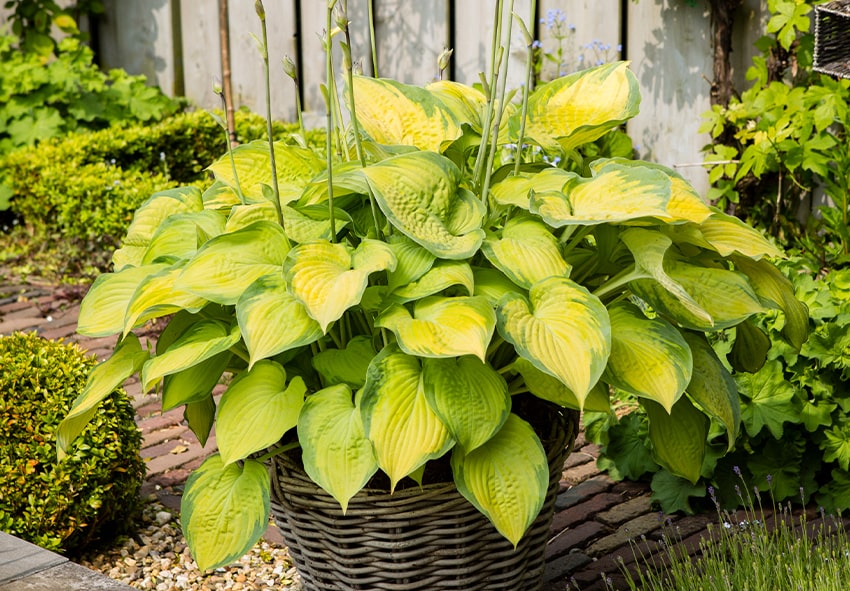
A successfully propagated hosta will gradually show signs of strength and healthy growth. Patience is key, as hostas develop steadily over time. Recognizing these indicators assures you that your efforts paid off:
- Healthy New Growth: Fresh shoots and vibrant leaves indicate that the division is establishing well. Growth appears slowly at first but increases with time. Healthy color is a good sign of nutrient uptake.
- Strong Root Development: When roots anchor firmly in the soil, the plant becomes more resilient. Gently tug the plant to check resistance. Strong roots support future growth and flowering.
- Improved Plant Vigor Over Time: Fuller foliage and stronger stems show long-term success. Well-established divisions eventually match the size of the parent plant. This vigor increases with each growing season.
Conclusion
Propagating hostas is an easy and rewarding way to expand your garden. With proper timing, gentle handling, and attentive aftercare, you can divide and multiply hostas successfully for years to come. Whether you grow them in garden beds or containers, propagation ensures healthier plants and a more vibrant landscape.
Frequently Asked Questions (FAQs) about Hosta Propagation
1. When is the best time to divide hostas?
The best time to divide hostas is in early spring, just as new shoots begin to emerge, or in early fall when temperatures are cooler. These seasons reduce transplant shock and give the divisions time to establish roots. Avoid dividing during extreme heat or cold, as plants recover more slowly under stress.
2. How often should hostas be divided?
Hostas generally benefit from division every 3–5 years, depending on growth rate and variety. Overgrown clumps may lose vigor in the center, signaling it’s time to divide. Regular division improves airflow, revitalizes the plant, and helps prevent crowding. Well-timed propagation also enhances foliage quality and encourages more consistent growth.
3. Can I propagate hostas without digging up the whole plant?
Yes, you can propagate smaller sections by removing only a portion of the clump. Slice off a side division with several shoots and healthy roots while leaving the rest of the plant intact. This method works well for large, established hostas. However, fully lifting the plant makes division easier and more precise.
4. Can I order Hosta plants from your online store?
You can browse our online store Dutch-bulbs.com to explore the options, and with a few clicks, you can have Hosta plants delivered to your doorstep. We are pleased to offer a variety of Hosta plants for sale. Our selection includes different Hosta cultivars, each with its unique foliage and characteristics.
5. Why are my divided hostas not growing?
Slow growth can result from planting too deep, insufficient moisture, excessive sun exposure, or root damage during division. Check that the crown sits at soil level and the plant receives partial shade. Avoid fertilizing too soon, as stressed roots may burn. With steady moisture and patience, growth usually improves.
Published: 02.12.2025