



Companion planting is one of the easiest and most natural ways to improve your garden’s health and productivity. By growing certain plants together, you can reduce pests, improve soil quality, and increase harvests without relying on chemicals. This method has been used for centuries and remains popular among beginner and experienced gardeners alike.
This companion planting guide will help you understand how different plants support each other and how to use this technique in your garden. Whether you’re growing vegetables, herbs, or flowers, companion planting can help you create a thriving and balanced garden. Our gardening blog is a perfect place to find all the information you need!
What is Companion Planting?
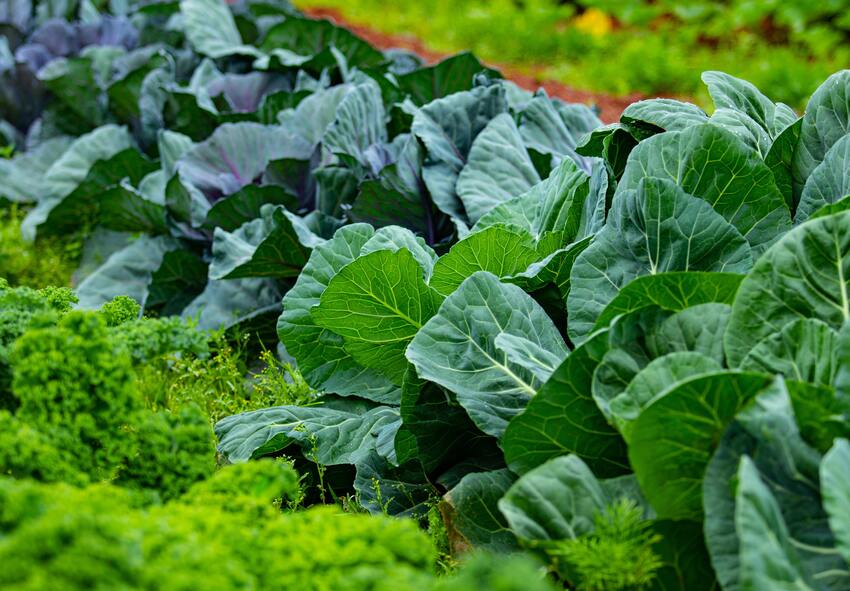
Companion planting is the practice of growing different plants together to benefit each other. Some plants help repel pests, while others improve soil nutrients or attract beneficial insects. When used correctly, companion planting can make your garden healthier and more productive.
Understanding how plants interact with each other is the key to successful companion planting. This method works well in vegetable gardens, raised beds, and even containers.
Definition of Companion Planting
Companion planting refers to strategically planting certain crops near each other to enhance growth and protect plants naturally. For example, planting basil near tomatoes may help repel pests and improve flavor.
This technique focuses on creating natural plant partnerships. These combinations allow plants to grow stronger and produce better harvests.
How Companion Planting Works
Companion planting works by using plant characteristics to support nearby plants. Some plants release natural chemicals that deter pests, while others attract beneficial insects like bees and ladybugs.
Additionally, certain plants improve soil health by fixing nitrogen or providing ground cover. These natural interactions help create a balanced and healthy garden ecosystem.
History of Companion Planting
Companion planting has been used for hundreds of years. One of the most famous examples is the Native American “Three Sisters” method, which involves planting corn, beans, and squash together.
This traditional gardening method is still widely used today. Many gardeners continue to rely on these time-tested plant combinations.
Why It’s Popular Among Gardeners
Companion planting is popular because it reduces the need for chemical pesticides and fertilizers. It also helps maximize space and improve crop yields. Additionally, companion planting makes gardening more sustainable and environmentally friendly. Many gardeners appreciate its natural approach to plant care.
Benefits of Companion Planting
Companion planting offers many benefits for home gardeners. It helps improve plant growth, reduce pests, and increase productivity. Using the right plant combinations creates a healthier garden environment.
This method also supports biodiversity and encourages beneficial insects. As a result, your garden becomes more balanced and productive.
Natural Pest Control
Many plants naturally repel pests. For example, marigolds can deter harmful insects, while basil helps protect tomatoes. Using companion plants reduces the need for chemical pesticides. This natural pest control method is safe for both plants and the environment.
Improved Plant Growth
Some plants improve the growth of nearby plants. For instance, beans add nitrogen to the soil, which benefits other crops. This improves plant health and productivity. Healthy soil leads to stronger plants and better harvests.
Better Use of Garden Space
Companion planting allows you to use garden space more efficiently. Tall plants provide shade, while low-growing plants cover the soil. This layered planting method helps maximize small garden spaces.
Soil Health Improvement
Certain plants improve soil quality by adding nutrients. Legumes, for example, fix nitrogen in the soil. Healthy soil supports long-term plant growth.
Attracting Pollinators
Flowers like lavender and calendula attract bees and butterflies. These pollinators help improve fruit and vegetable production. More pollinators often lead to larger harvests.
Reducing Weeds Naturally
Ground cover plants help reduce weeds by blocking sunlight. This prevents weeds from growing. Less weed growth means less maintenance.
Companion Planting Basics for Beginners
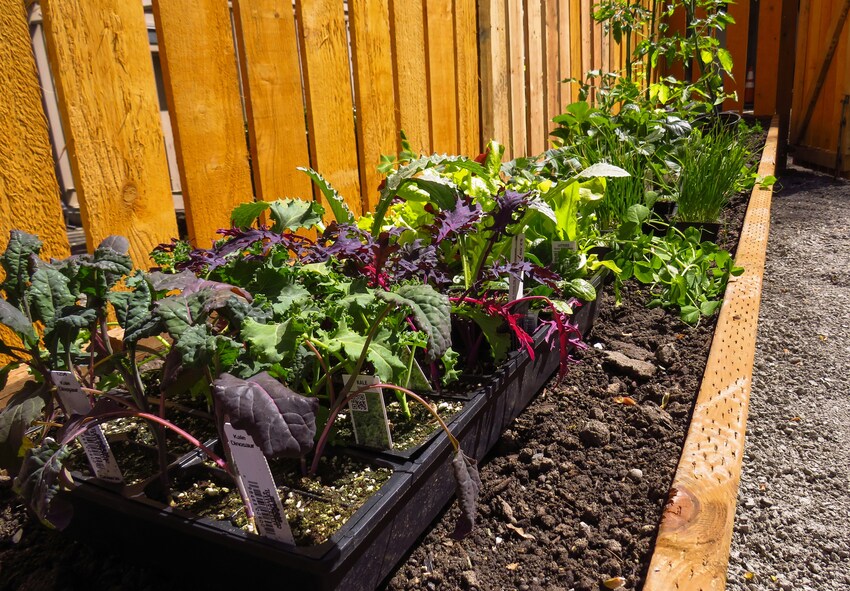
If you’re new to companion planting, start with simple combinations. Understanding plant relationships helps you plan a successful garden. Start small and experiment with different plant pairings. With time, you’ll discover which combinations work best in your garden.
Understanding Plant Relationships
Some plants benefit each other, while others compete for resources. Knowing these relationships helps prevent problems. Researching plant compatibility is a good starting point.
Companion vs. Competitive Plants
Companion plants help each other grow, while competitive plants compete for nutrients and space. Avoid planting competitive crops together. Spacing and planning help prevent competition.
Planning Your Garden Layout
Plan your garden layout before planting. Group plants with similar needs together. This improves plant health and makes maintenance easier.
Common Companion Planting Mistakes
Avoid overcrowding plants or mixing incompatible species. These mistakes can reduce plant growth. Proper planning helps avoid common issues.
Best Companion Plants for Vegetables
Choosing the right companion plants for vegetables helps improve plant health and productivity. Some vegetables benefit greatly from being planted together. These combinations help reduce pests and improve growth.
Here are some of the best vegetable companion planting ideas:
- Tomato: Tomatoes grow well with basil, marigolds, and onions. Avoid planting tomatoes near potatoes. These plants help repel pests and improve growth:
- Carrot: Carrots grow well with onions, leeks, and rosemary. These plants help deter carrot flies. Companion planting improves carrot growth.
- Cucumber: Cucumbers grow well with beans and radishes. These plants help improve soil health. Avoid planting cucumbers near potatoes.
- Lettuce: Lettuce grows well with carrots and radishes. These plants help maximize space. This combination works well in small gardens.
- Pepper: Peppers grow well with basil and onions. These plants help improve growth. Companion planting reduces pest problems.
Zucchini Companion Plants
Zucchini grows well with corn and beans. These plants provide support and nutrients. This combination improves yields.
Best Companion Plants for Herbs
Herbs are excellent companion plants because they often repel pests and attract beneficial insects. Many herbs also improve the flavor and growth of nearby vegetables. Adding herbs to your garden is a simple way to enhance companion planting.
Basil Companion Plants
Basil pairs well with tomatoes, peppers, and lettuce. It helps repel insects and may improve flavor. Basil also attracts pollinators.
Mint Companion Plants
Mint grows well with cabbage and tomatoes. It helps repel pests. Plant mint in containers to control spreading.
Rosemary Companion Plants
Rosemary grows well with beans and cabbage. It helps repel insects. This herb is easy to grow.
Thyme Companion Plants
Thyme grows well with cabbage and strawberries. It attracts beneficial insects. This herb also acts as ground cover.
Parsley Companion Plants
Parsley grows well with tomatoes and asparagus. It attracts beneficial insects. This herb supports plant health.
Best Companion Plants for Flowers
Flowers play an important role in companion planting. They attract pollinators, repel pests, and improve the overall health of your garden. Adding flowers to your vegetable and herb garden creates a balanced ecosystem and improves crop yields. Many flowers are easy to grow and provide long-lasting benefits throughout the growing season.
Marigold Companion Plants
Marigolds are one of the most popular companion plants. They help repel harmful insects such as aphids, nematodes, and whiteflies. Marigolds grow well alongside tomatoes, peppers, and cucumbers. These bright flowers also attract beneficial insects that help control pests naturally.
Nasturtium Companion Plants
Nasturtiums are excellent companion plants for vegetables. They attract aphids away from crops like cucumbers, squash, and tomatoes. This helps protect your plants from damage. Nasturtiums also add color and are edible, making them a great addition to any garden.
Lavender Companion Plants
Lavender attracts pollinators such as bees and butterflies. It also helps repel pests like moths and fleas. Lavender grows well near herbs and vegetables. This fragrant plant also adds beauty and scent to your garden.
Calendula Companion Plants
Calendula attracts beneficial insects like ladybugs and hoverflies. These insects help control pests naturally. Calendula grows well near many vegetables. This flower is also easy to grow and provides continuous blooms.
Plants That Should Not Be Planted Together
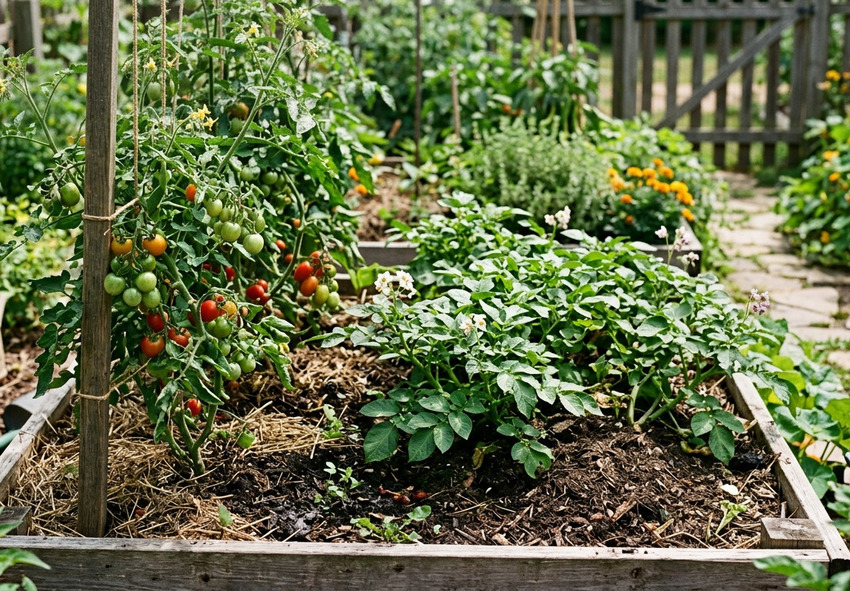
While some plants grow well together, others should be kept apart. Certain combinations compete for nutrients or attract harmful pests. Avoiding these pairings helps prevent plant stress and poor growth. Understanding bad plant combinations is just as important as knowing good ones.
Common Bad Plant Combinations
Some plants simply do not grow well together. For example, tomatoes and potatoes should not be planted together because they share similar diseases. Keeping incompatible plants apart helps prevent problems.
Vegetables That Compete for Nutrients
Plants with similar nutrient needs often compete. For example, corn and tomatoes both require heavy feeding. Avoid planting heavy feeders together.
Plants That Attract Harmful Pests
Some plants attract pests that damage nearby crops. For example, planting cabbage near strawberries may increase pest problems. Careful planning helps reduce pest issues.
Avoiding Overcrowding
Overcrowding reduces airflow and increases disease risk. Proper spacing improves plant health. Always follow recommended spacing guidelines.
Companion Planting for Pest Control
Companion planting is one of the best natural pest control methods. Many plants naturally repel insects or attract beneficial insects that protect your crops. This reduces the need for chemical pesticides. Using natural pest control creates a healthier garden environment.
Plants That Repel Insects
Plants like basil, garlic, and marigolds repel common pests. These plants protect vegetable seeds and plants from insect damage. Planting them throughout your garden improves protection.
Plants That Attract Beneficial Insects
Flowers like dill, fennel, and calendula attract beneficial insects. These insects help control harmful pests. Beneficial insects improve garden balance.
Natural Pest Control Examples
Plant basil near tomatoes to repel pests. Use marigolds around vegetable beds. These combinations help reduce pest problems naturally.
Seasonal Companion Planting Tips
Companion planting changes with seasons. Choosing seasonal plants improves growth. Planning ahead helps maintain productivity.
Each season offers different opportunities:
- Spring Companion Planting
Plant lettuce with carrots. These grow well together. Spring planting improves early harvests.
- Summer Companion Planting
Plant tomatoes with basil. These thrive in summer. Summer planting improves yields.
- Fall Companion Planting
Plant kale with herbs. These tolerate cooler weather. Fall planting extends the growing season.
Companion Planting for Pollinators
Pollinators play a vital role in plant production. Bees and butterflies help increase fruit and vegetable yields. Companion planting helps attract these helpful insects. Creating a pollinator-friendly garden improves harvests.
Best Plants for Attracting Bees
Lavender, thyme, and borage attract bees. These plants improve pollination. More bees lead to better yields.
Flowers That Attract Butterflies
Butterflies love flowers like zinnias and lavender. These plants add beauty and improve pollination. Butterflies also support biodiversity.
Creating a Pollinator-Friendly Garden
Plant flowers throughout your garden. Avoid chemical pesticides. This helps create a healthy environment.
Companion Planting for Small Gardens
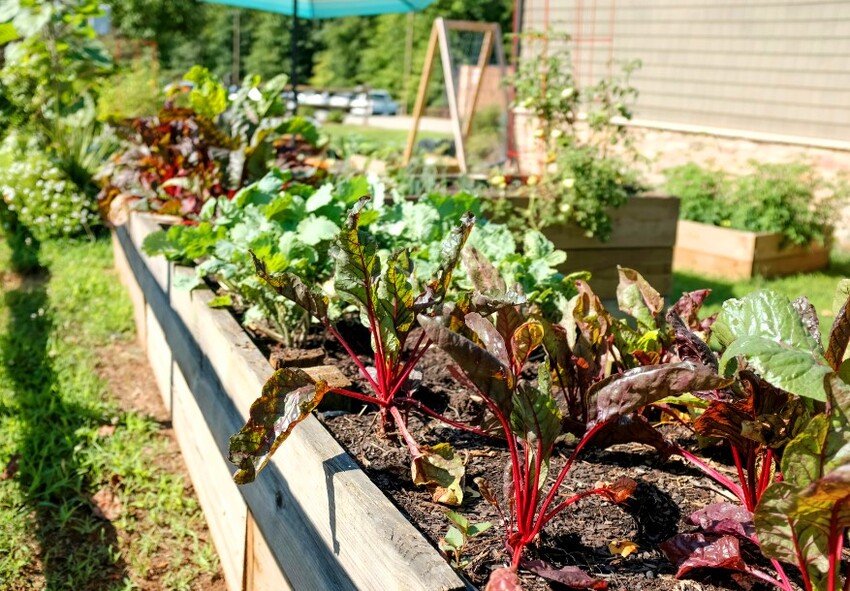
Companion planting works well in small spaces. It helps maximize productivity and improve plant health. Even small gardens benefit from companion planting. Smart planning is essential for small spaces.
Raised beds allow close planting. This improves space use. Raised beds also improve soil control. Containers work well for herbs and vegetables, and allow flexible layouts. Choose compatible plants. Use trellises for climbing plants. Plant smaller crops below. This maximizes space.
How to Start Companion Planting Step-by-Step
Starting companion planting is simple. Follow these steps to create a healthy garden:
- Choose Your Plants: Select compatible plants.
- Plan Your Layout: Arrange plants carefully.
- Plant Companion Crops Together: Plant according to plan.
- Monitor Growth: Check plant health regularly.
- Adjust as Needed: Make changes when necessary.
Conclusion
Companion planting is a simple and effective way to grow healthier plants naturally. By choosing the right combinations, you can reduce pests, improve soil health, and increase harvests. This companion planting guide helps you understand how plants work together for better results.
Start experimenting with companion planting in your garden today. Visit our online plant store to find high-quality vegetables, herbs, and flowers perfect for companion planting and begin creating your thriving garden!
Frequently Asked Questions (FAQs) about Companion Planting
1. What is companion planting and why is it useful?
Companion planting is the practice of growing certain plants together to improve growth, repel pests, and enhance soil health. This method helps create a balanced garden ecosystem and reduces the need for chemical fertilizers and pesticides. Many gardeners use companion planting to increase yields naturally and grow healthier vegetables, herbs, and flowers.
2. Which vegetables grow well together in companion planting?
Many vegetables grow better when planted together. Tomatoes grow well with basil and marigolds, while carrots benefit from onions and rosemary. Cucumbers pair well with beans and radishes. These combinations help improve plant growth, reduce pests, and maximize garden space for better harvests throughout the growing season.
3. Does companion planting really help with pest control?
Yes, companion planting can help reduce pests naturally. Plants like marigolds, basil, and garlic repel harmful insects, while flowers like calendula attract beneficial insects that control pests. This natural approach helps protect plants without chemicals and supports a healthier garden environment for long-term plant growth.
4. Is companion planting suitable for small gardens or containers?
Companion planting works well in small gardens, raised beds, and containers. By choosing compatible plants, you can maximize space and improve productivity. Herbs, vegetables, and flowers can be grown together successfully. This method is especially helpful for gardeners with limited space who want to grow more plants efficiently.
5. Can I order companion plants in your online store?
Yes, you can order a wide range of companion plants directly from our online store Dutch-bulbs.com. We offer carefully selected vegetables, herbs, and flowers ideal for companion planting. Our plants are chosen for quality and shipped safely, making it easy to start your companion planting garden with healthy, ready-to-grow plants.
Published: 08.05.2026