



Crocuses are among the first flowers to announce the arrival of spring, making them a favorite for gardeners and plant lovers alike. However, successful year-round care for crocuses goes far beyond their brief blooming period. Understanding how to care for crocuses throughout every season ensures healthy bulbs, reliable blooms, and long-lasting beauty in your garden. Our gardening blog is a perfect place to find all the information you need!
Why Crocuses Are a Perfect Choice for Home Gardens
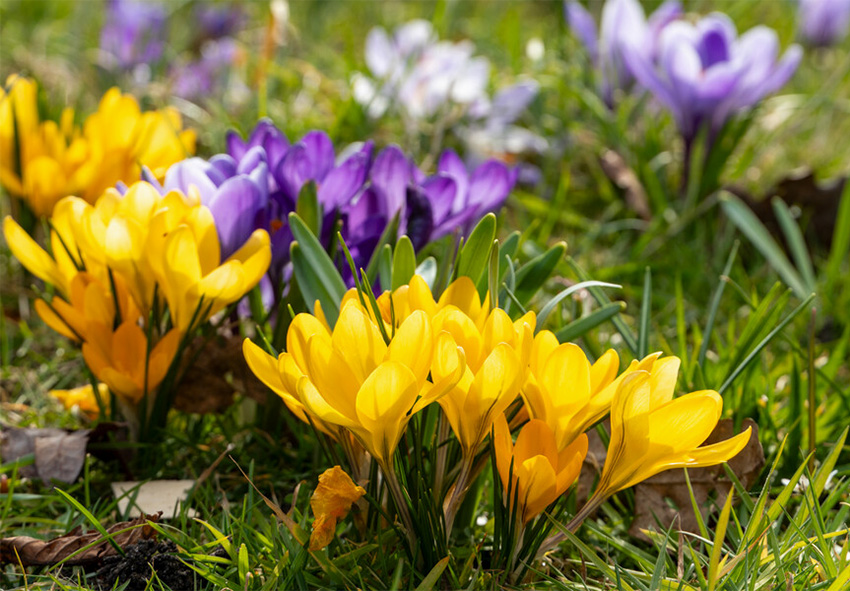
Crocuses are low-maintenance, cold-hardy, and ideal for borders, lawns, and containers. They require minimal space and multiply naturally over time, making them a cost-effective option for gardeners. With proper crocus care, these flowers return year after year with vibrant color.
Understanding the Crocus Growth Cycle
Crocuses grow from bulbs (technically corms) that store energy for future blooms. Their life cycle includes active growth in spring, foliage dieback, summer dormancy, and root development in fall. Knowing this cycle is essential for proper crocus bulb care.
Understanding Crocus Bulbs and Their Seasonal Needs
Crocus bulbs are resilient but have specific seasonal requirements that must be met to thrive. Each season plays a role in supporting bloom production and bulb health. Proper timing and care prevent common issues like poor flowering or bulb rot.
Types of Crocuses and Blooming Periods
There are early spring crocuses, late spring varieties, and even fall-blooming crocuses. Each type has slightly different timing, but all benefit from similar care principles. Choosing the right varieties helps extend color in your garden.
How Crocus Bulbs Store Energy Year-Round
After blooming, crocus leaves photosynthesize and send energy back into the bulb. This stored energy supports the next flowering cycle. Cutting leaves too early weakens the bulb and reduces future blooms.
Planting Crocus Bulbs for Long-Term Success
Proper planting is the foundation of successful crocus flower maintenance. Healthy bulbs planted correctly are more resistant to disease and environmental stress. Good crocus planting practices also encourage natural spreading:
- Best Time to Plant Crocus Bulbs: Fall is the ideal time to plant crocus bulbs, usually 6–8 weeks before the ground freezes. This allows roots to develop before winter dormancy. Early planting leads to stronger spring growth.
- Choosing the Right Location and Soil: Crocuses prefer full sun to light shade and well-draining soil. Poor drainage can cause bulbs to rot, especially during dormancy. Sandy or loamy soil works best for long-term crocus care.
- Proper Planting Depth and Spacing: Plant bulbs about 3–4 inches deep and 2–3 inches apart. Adequate spacing allows airflow and reduces disease risk. Group planting creates a more natural and visually appealing display.
Spring Care for Crocuses
Spring is the most active growth period for crocuses. During this time, proper watering and nutrition directly affect bloom quality. Light maintenance goes a long way in supporting healthy flowers.
Watering and Moisture Management in Spring
Crocuses need moderate moisture during active growth. Water when the soil feels dry, but avoid overwatering. Consistent moisture supports strong stems and vivid blooms.
Fertilizing Crocuses During Active Growth
Apply a balanced, low-nitrogen fertilizer in early spring. This encourages root strength and flower development rather than excess leaf growth. Organic compost is also an excellent option.
Protecting Early Blooms from Late Frosts
Late frosts can damage delicate blooms. Cover plants with frost cloth or mulch temporarily during cold snaps. Crocuses usually recover well with minimal intervention.
Post-Bloom Care and Foliage Management
What you do after crocuses finish blooming is critical for next year’s flowers. Post-bloom care helps bulbs recharge and remain productive. This phase is often overlooked by gardeners.
Why You Should Let Crocus Leaves Die Back Naturally
Leaves should remain until they turn yellow and dry out. This process allows the bulb to store nutrients. Removing foliage too early weakens future blooms.
Common Mistakes After Crocuses Finish Blooming
Mowing lawns too early and excessive watering are common errors. Both can interfere with bulb recovery. Patience is key in effective crocus bulb care.
Summer Care for Dormant Crocuses
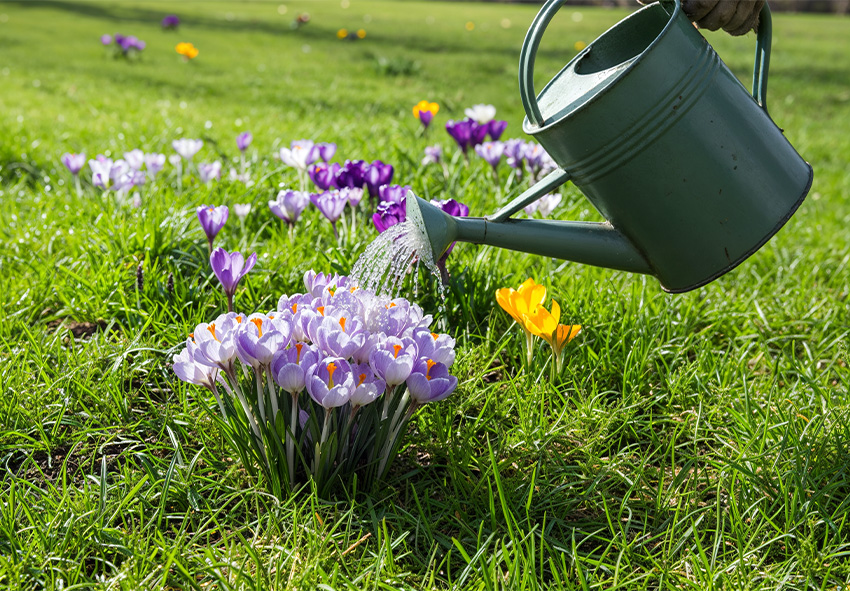
During summer, crocuses enter dormancy and require very little attention. However, improper care during this period can cause long-term damage. Dry conditions are especially important.
Understanding Crocus Dormancy
Dormancy is a natural resting phase where no visible growth occurs. Bulbs are conserving energy underground. This is normal and essential for future flowering.
Watering Needs During Summer
Avoid frequent watering while bulbs are dormant. Excess moisture increases the risk of rot. Natural rainfall is usually sufficient.
Preventing Bulb Rot in Warm Weather
Ensure soil remains well-draining and avoid mulching too heavily in summer. Good airflow and dry soil protect bulbs from fungal diseases.
Fall Preparation for Healthy Crocus Blooms
Fall is when crocuses prepare for their next growth cycle. Roots develop during this season, making it a critical time for soil care. Light maintenance now leads to better spring results.
Soil Refreshing and Light Fertilization
Incorporate compost or bulb fertilizer into the soil in early fall. This improves soil structure and nutrient availability. Avoid high-nitrogen products.
Dividing and Transplanting Crocus Bulbs
Overcrowded bulbs can be divided every 3–4 years. Replant immediately to prevent drying out. This also encourages better blooming.
Mulching for Temperature Regulation
Apply a light mulch layer to protect bulbs from temperature fluctuations. Mulch also helps retain moisture without waterlogging.
Winter Care and Cold Protection
Crocuses are cold-hardy and generally require little winter protection. Still, harsh conditions can stress bulbs, especially in exposed areas. Simple steps ensure winter survival.
How Crocuses Survive Cold Temperatures
Crocus bulbs remain insulated underground and tolerate freezing conditions. Snow cover acts as natural protection. They are well-adapted to cold climates.
Mulch and Snow Cover: Natural Insulation
Organic mulch and snow help regulate soil temperature. Avoid compacted mulch, which can trap moisture. Light coverage works best.
Growing Crocuses in Containers During Winter
Container-grown crocuses need extra protection. Move pots to sheltered areas or insulate them to prevent freezing damage.
Common Problems in Crocus Care and How to Fix Them
Even with good care, issues can arise. Identifying problems early prevents long-term damage. Most crocus problems are easy to correct:
- Crocuses Not Blooming: This is often caused by insufficient sunlight or premature foliage removal. Nutrient-poor soil can also be a factor. Adjust care practices for better results.
- Yellowing Leaves or Weak Growth: Overwatering and poor drainage are common causes. Improve soil conditions and reduce watering frequency. Healthy roots lead to strong growth.
- Pests and Diseases Affecting Crocus Bulbs: Rodents, bulb mites, and fungal diseases can affect crocuses. Use protective mesh and plant healthy bulbs to reduce risk.
Tips for Encouraging Repeat Blooming Every Year
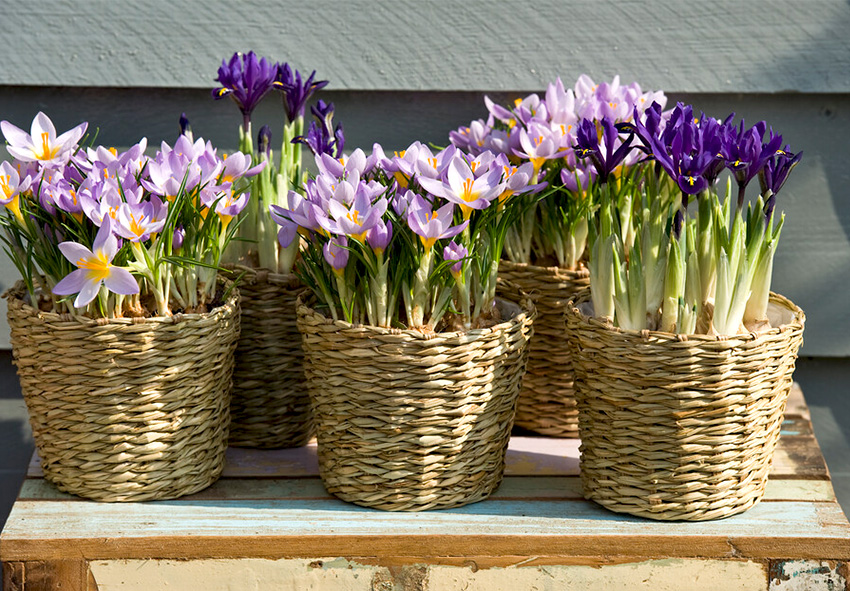
Consistent care ensures crocuses bloom reliably each season. Small adjustments make a big difference over time. Healthy bulbs reward gardeners with long-lasting displays.
Proper Feeding and Soil Health
Feed bulbs lightly and maintain loose, fertile soil. Avoid chemical overuse. Balanced nutrition supports long-term growth.
When and How to Lift and Store Bulbs
Lift bulbs only if necessary, such as during overcrowding. Store them in a cool, dry place before replanting. Handle bulbs gently.
Conclusion: Enjoying Healthy Crocuses All Year Long
Year-round crocus care is simple when you understand their natural growth cycle. By planting correctly, managing seasonal needs, and avoiding common mistakes, you can enjoy reliable blooms every year. With proper crocus care and attention to crocus bulb maintenance, these charming flowers will remain a bright highlight in your garden for seasons to come.
Frequently Asked Questions (FAQs) about Year-Round Crocus Care
1. How often should I water crocuses throughout the year?
Crocuses need moderate watering during active growth in spring, especially if rainfall is limited. After blooming, watering should gradually decrease as foliage dies back. During summer dormancy, crocus bulbs prefer dry conditions, as excess moisture can cause rot. In fall, light watering supports root development before winter.
2. Do crocuses come back every year with proper care?
Yes, crocuses are perennial flowers and will return annually when cared for correctly. Allowing foliage to die back naturally, planting bulbs in well-draining soil, and avoiding overwatering during dormancy are key factors. Proper crocus bulb care helps bulbs multiply and produce stronger blooms over time.
3. Can I order crocus bulbs from your online store?
Yes, you can order high-quality crocus bulbs directly from our online store Dutch-bulbs.com. We offer carefully selected, healthy bulbs suitable for various climates and garden types. Ordering online ensures convenience, reliable delivery, and access to expert-recommended bulbs for successful long-term crocus care.
4. Can crocuses grow well in pots or containers?
Crocuses grow very well in containers when planted in pots with good drainage holes. Use a loose, well-draining potting mix and place containers in a sunny location. Container-grown crocuses may need slightly more frequent watering in spring and extra winter protection in colder climates.
5. Why are my crocuses not blooming anymore?
Lack of blooms is often caused by insufficient sunlight, overcrowded bulbs, or cutting leaves too early after flowering. Poor soil nutrition can also reduce flowering. Dividing bulbs every few years, improving soil quality, and allowing foliage to fully die back can restore healthy blooming.
Published: 13.01.2026