



Fritillaria is one of the most unique and eye-catching spring bulbs you can add to your garden. Known for their exotic shapes, bold colors, and elegant appearance, Fritillaria bulbs are becoming increasingly popular among gardeners and plant lovers. Whether you’re new to gardening or an experienced grower, this Full Guide for Fritillaria will help you understand everything from planting to care and propagation.
In this comprehensive guide, you’ll learn about different Fritillaria varieties, planting tips, care instructions, and how to avoid common problems. By the end, you’ll feel confident growing these stunning spring bloomers in your garden or containers. Our gardening blog is a perfect place to find all the information you need!
What is Fritillaria?
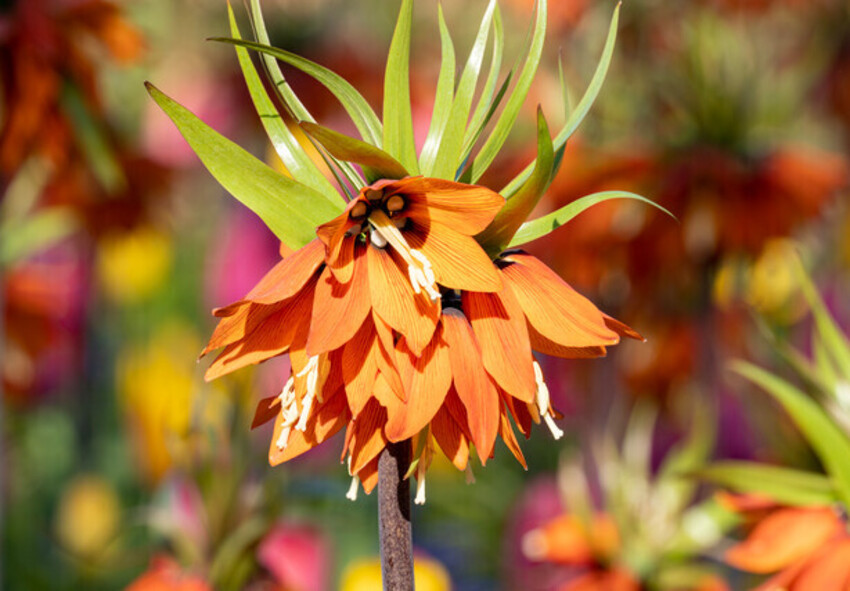
Fritillaria is a genus of spring-flowering bulbs known for their distinctive, bell-shaped blooms and dramatic garden presence. These plants belong to the lily family and are admired for their unique appearance and wide variety of species. Many gardeners choose Fritillaria bulbs to create focal points or add rare beauty to their spring gardens.
Overview of Fritillaria Plants
Fritillaria plants come in many shapes and sizes, ranging from delicate wildflower-like blooms to tall, dramatic Crown Imperials. Their flowers often hang downward, forming bell-like shapes that give them a graceful appearance.
These plants typically bloom in early to mid-spring, depending on the variety and climate. Most Fritillaria species grow from bulbs and return year after year when planted in the right conditions.
Origin and Natural Habitat
Fritillaria plants originate from regions across Europe, Asia, and the Middle East. Many species grow naturally in mountainous areas, meadows, and rocky slopes. These native environments explain why Fritillaria planting guide recommendations often emphasize well-drained soil.
Because they evolved in varied climates, different types of Fritillaria have unique growing requirements. Understanding their natural habitat helps gardeners recreate ideal conditions for successful growth.
Why Gardeners Love Fritillaria
Gardeners love Fritillaria for their unusual beauty and versatility. Their striking flowers stand out in borders, rock gardens, and containers. Many varieties are also deer-resistant, making them ideal for gardens with wildlife.
Another reason for their popularity is their long lifespan. Once established, Fritillaria care is relatively easy, and plants often return every year with minimal maintenance.
Popular Types of Fritillaria
There are many Fritillaria varieties available, each offering unique colors, heights, and shapes. Choosing the right variety helps create stunning garden displays and ensures successful growth in your climate.
Crown Imperial Fritillaria (Fritillaria imperialis)
Crown Imperial Fritillaria is one of the most dramatic and popular varieties. These tall plants feature clusters of bell-shaped flowers topped with leafy crowns. They typically grow up to 3 feet tall and create a bold statement in spring gardens. Popular colors include orange (Fritillaria imperialis Aurora), red (Fritillaria imperialis Rubra Maxima), and yellow (Fritillaria imperialis Striped Beauty KLOON). These plants also have a distinctive scent that helps repel rodents, making them practical as well as beautiful.
Snake’s Head Fritillaria (Fritillaria meleagris)
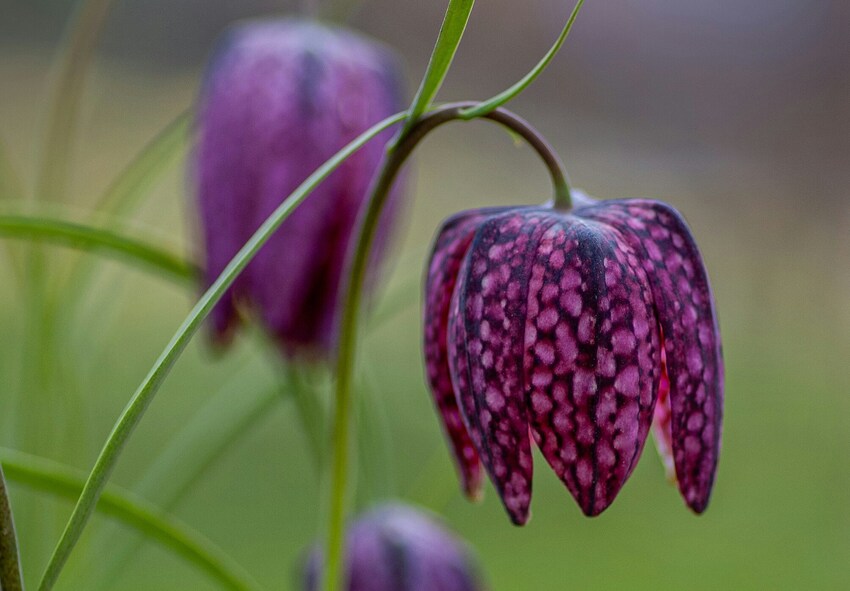
Snake’s Head Fritillaria is known for its delicate checkered petals. These smaller plants are perfect for naturalizing in lawns or wildflower gardens. They typically bloom in shades of purple and white. This variety thrives in moist soil and partial shade. It’s ideal for gardeners who want a more subtle and natural look.
Persian Fritillaria (Fritillaria persica)
Persian Fritillaria features tall stems covered with numerous dark purple flowers. This elegant plant adds sophistication and height to garden beds. It prefers sunny locations and well-drained soil. Fritillaria persica is perfect for modern and minimalist garden designs.
Other Notable Fritillaria Varieties
Other popular varieties include: Fritillaria michailovskyi, Fritillaria uva-vulpis and Fritillaria pallidiflora. These smaller varieties are great for rock gardens and container planting.
Planting Fritillaria Bulbs
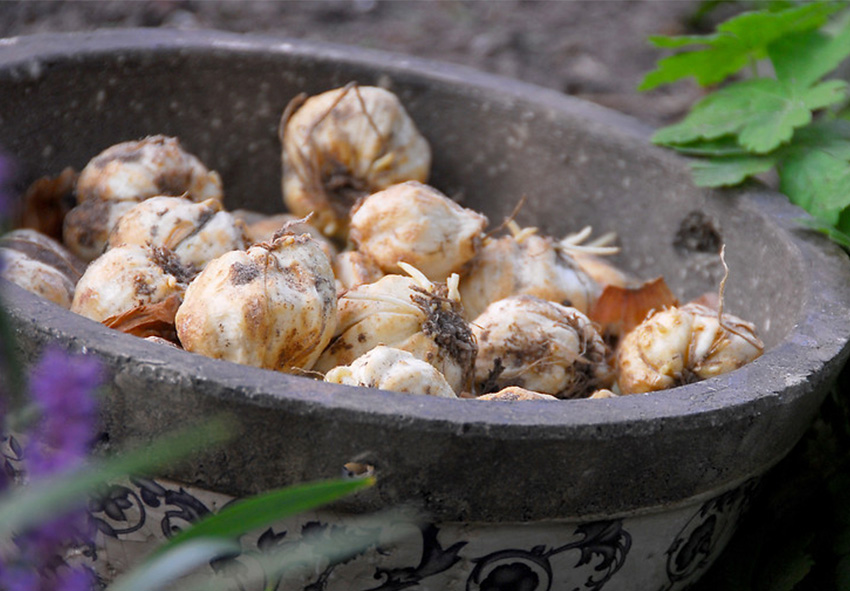
Planting Fritillaria bulbs correctly is essential for healthy growth and beautiful blooms. Choosing the right location and timing ensures your plants establish well. Following proper planting techniques also reduces the risk of bulb rot.
When to Plant Fritillaria Bulbs
The best time to plant Fritillaria bulbs is in autumn. Planting during fall allows bulbs to develop strong roots before winter. Most gardeners plant between September and November. Cooler temperatures help stimulate root growth and improve spring blooms.
Where to Plant Fritillaria Bulbs
Fritillaria prefers sunny to partially shaded locations. Choose well-drained soil to prevent bulb rot. Avoid areas where water collects after rain. Raised beds and slopes are ideal for planting Fritillaria.
How to Plant Fritillaria Bulbs
Knowing how to plant Fritillaria bulbs correctly is essential for healthy growth and strong spring blooms. Start by digging a planting hole that is deep enough to protect the bulb from frost and temperature fluctuations. Typically, this means planting large Fritillaria bulbs about 15–20 cm (6–8 inches) deep, while smaller varieties require slightly less depth. Proper planting depth helps stabilize tall stems and promotes strong root development. Loosen the soil at the bottom of the hole to improve drainage and encourage root growth.
Unlike many other bulbs, Fritillaria bulbs often have a hollow top that can collect water. Planting the bulb slightly on its side helps prevent water from sitting inside the bulb, which can lead to rot. Make sure the pointed end or growth tip is angled upward if visible. This simple step greatly improves survival rates, especially in wet climates.
Gently fill the hole with loose, well-draining soil, avoiding heavy compression. If your soil is clay-based, mix in sand, compost, or grit to improve drainage. Good soil structure allows roots to spread easily and prevents waterlogging. After covering, lightly firm the soil to remove air pockets without compacting it.
Water the planted bulbs gently to help settle the soil and encourage root development. Avoid overwatering, as excessive moisture can cause bulb rot before roots form. In most climates, natural autumn rainfall is usually sufficient. After watering, consider adding a light mulch layer to protect the bulbs during winter.
Proper spacing between bulbs is also important. Leave about 20–30 cm (8–12 inches) between large varieties like Crown Imperial Fritillaria to allow room for growth and improve airflow. This spacing helps reduce disease risk and creates a more balanced, natural-looking display in your garden.
Fritillaria Care Tips
Once planted, Fritillaria requires minimal care. However, proper watering, fertilizing, and seasonal maintenance will improve blooms. These simple care tips help ensure healthy plants year after year:
- Watering Requirements: Water Fritillaria moderately during the growing season. Avoid overwatering, especially during dormancy. Well-drained soil is crucial to prevent bulb rot.
- Fertilizing Fritillaria: Apply a balanced fertilizer in early spring. This encourages stronger stems and better blooms. Avoid excessive fertilization, which may damage bulbs.
- Mulching Tips: Mulch helps retain moisture and regulate temperature. Use organic mulch such as bark or compost. Apply mulch after planting and remove in spring if necessary.
Growing Fritillaria in Pots
Growing Fritillaria in containers is a great option for small spaces. Pots allow better control of soil and drainage. They also make it easier to move plants as needed. Select pots with drainage holes. Larger containers work best for tall varieties. Clay pots are ideal for preventing water retention. Use well-draining soil with added sand or perlite. This improves airflow around bulbs. Avoid heavy garden soil in containers. Water containers carefully. Move pots to sheltered areas in winter. Check drainage regularly.
Companion Plants for Fritillaria
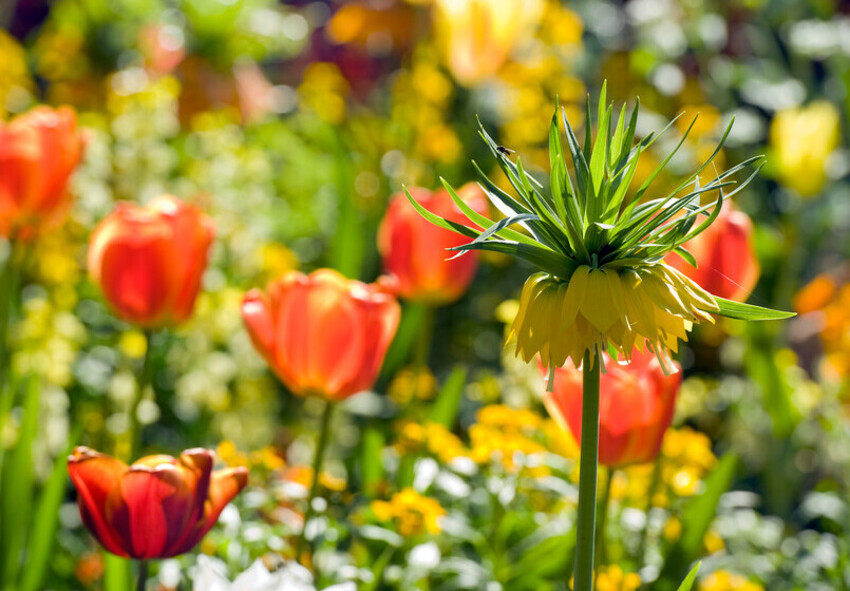
Companion planting is an excellent way to enhance the beauty and health of your garden while maximizing seasonal interest. Fritillaria bulbs pair beautifully with a variety of spring flowers and perennials that complement their height, texture, and blooming time. Selecting the right companion plants also helps improve soil conditions and attract beneficial pollinators. By combining different plants thoughtfully, you can create a layered, visually appealing garden that blooms throughout the season.
Best Spring Bulbs to Pair With
Pairing Fritillaria bulbs with other spring-flowering bulbs creates a stunning and coordinated display. Choosing bulbs that bloom at similar times ensures a vibrant garden during early and mid-spring. Mixing different heights, colors, and flower shapes adds depth and interest to your planting design. Here are some of the best spring bulbs to plant alongside Fritillaria:
- Tulips — Tulips offer a wide range of colors that contrast beautifully with Fritillaria. Taller tulip varieties work especially well with Crown Imperial Fritillaria, creating dramatic layered displays. Choose late-blooming tulips to extend the flowering period. Plant in clusters for a more natural and eye-catching effect.
- Daffodils — Daffodils are reliable spring bloomers that complement Fritillaria perfectly. Their bright yellow, white, or orange flowers create cheerful color combinations. They are also deer-resistant, making them a practical companion choice. Plant daffodils around Fritillaria to fill empty spaces and create fuller borders.
- Hyacinths — Hyacinths provide fragrance and compact color beneath taller Fritillaria plants. Their dense flower spikes add texture and visual contrast. Choose complementary colors such as purple, pink, or white for a balanced look. Hyacinths also thrive in similar soil and sunlight conditions, making them easy companions.
Combining these spring bulbs helps create layered blooms, longer flowering periods, and a more dynamic garden design.
Perennials That Complement Fritillaria
Perennials are excellent companions for Fritillaria because they provide long-lasting foliage and seasonal interest after the bulbs finish blooming. Selecting plants with contrasting leaf shapes and textures enhances the overall appearance of your garden. Many perennials also help cover fading Fritillaria foliage later in the season. Consider adding these perennials for a balanced and attractive planting scheme:
- Hostas — Hostas provide lush foliage that contrasts beautifully with tall Fritillaria stems. Their broad leaves help cover fading bulb foliage after blooming. Hostas thrive in partial shade, making them ideal for woodland-style gardens. Choose different varieties for added texture and color variation.
- Ferns — Ferns add soft, feathery texture that complements Fritillaria’s bold structure. They work particularly well in shaded or woodland gardens. Ferns also help maintain soil moisture and improve overall garden balance. Their green foliage provides a natural and elegant backdrop.
- Heuchera (Coral Bells) — Heuchera plants offer colorful foliage in shades of purple, bronze, and green. Their compact size makes them perfect for planting at the front of borders. Heuchera also adds year-round interest even after Fritillaria finishes blooming. These plants thrive in well-drained soil similar to Fritillaria.
These perennials create contrast, improve garden structure, and maintain visual appeal throughout the growing season.
Landscape Design Ideas
Using Fritillaria strategically in your garden design can create dramatic and elegant displays. Their tall stems and unusual flowers make them excellent focal points. Combining them with complementary plants enhances their beauty and extends seasonal interest.
Plant Crown Imperial Fritillaria in the center of garden beds. Their height naturally draws attention. Surround them with lower-growing plants for balance. This technique works well in formal and cottage gardens.
Grouping Fritillaria bulbs creates a more dramatic effect. Plant clusters of three to five bulbs for natural-looking displays. Group planting also improves visual impact from a distance. This method is especially effective along pathways and borders.
Combine tall Fritillaria with mid-height perennials and low-growing bulbs. This layered design creates depth and texture. Use early bloomers for continuous color throughout spring. Layering also maximizes garden space.
These design ideas help you create a professional-looking garden filled with texture, color, and seasonal beauty.
Fritillaria Pests and Diseases
Fritillaria is generally a hardy and low-maintenance plant, but like all garden plants, it can occasionally face pest and disease issues. Understanding common problems helps gardeners take early action and prevent serious damage. Healthy growing conditions and proper care significantly reduce the risk of issues. Regular monitoring ensures your Fritillaria care routine remains effective.
Common Pests
Although Fritillaria is relatively resistant to pests, some insects may still appear. Identifying pests early helps protect your plants and maintain healthy growth. Monitoring your plants regularly helps detect problems before they become severe.
Lily beetles are bright red insects that feed on leaves and flowers. They can quickly damage plants if left untreated. Remove beetles by hand or use organic sprays. Regular inspections help prevent infestations.
Aphids are small insects that feed on plant sap. They can weaken plants and cause distorted growth. Use water sprays or natural insecticides to control aphids. Encouraging beneficial insects like ladybugs can also help.
Slugs and snails feed on young leaves and shoots. They are most active in damp conditions. Use barriers or organic slug pellets to protect plants. Removing garden debris helps reduce hiding places.
Disease Prevention Tips
Preventing disease is easier than treating it. Good garden practices help keep Fritillaria healthy and thriving. Consider these essential prevention tips:
- Ensure Good Drainage — Well-drained soil prevents bulb rot and fungal diseases. Avoid planting in heavy clay soil. Raised beds improve drainage.
- Improve Air Circulation — Space plants properly to allow airflow. Good circulation reduces fungal infections. Avoid overcrowding.
- Remove Damaged Foliage — Remove yellowing or infected leaves promptly. This prevents diseases from spreading. Dispose of plant material away from the garden.
These preventative measures help maintain strong and healthy plants.
Natural vs Chemical Pest Control Methods
Choosing the right pest control method depends on the severity of the problem. Many gardeners prefer natural methods first to protect beneficial insects. Here are some effective options:
Neem oil, insecticidal soap, and manual removal work well for minor infestations. These methods are safe and eco-friendly. Natural solutions help maintain garden balance. Encourage beneficial insects like ladybugs and lacewings. These predators help control pest populations naturally. Planting pollinator-friendly flowers supports beneficial insects.
Use chemical pesticides only if necessary. Follow instructions carefully to avoid plant damage. Apply treatments during calm weather for best results. Using a balanced approach ensures effective pest management while protecting your garden ecosystem.
How to Store and Propagate Fritillaria Bulbs
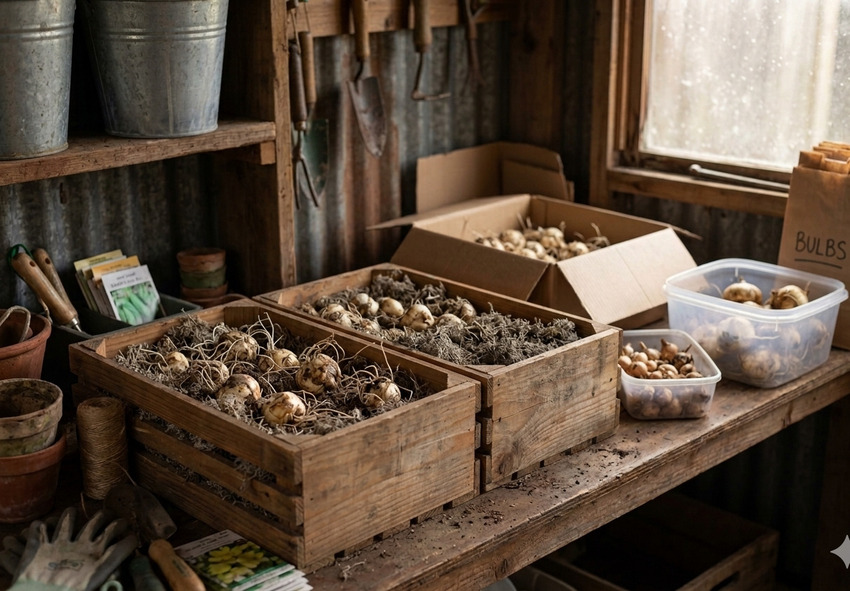
Proper storage and propagation techniques help maintain healthy Fritillaria bulbs and expand your collection. Handling bulbs carefully ensures they remain viable for future planting. Learning how to store and propagate bulbs also saves money and improves garden planning. These techniques are especially useful for gardeners who want to grow more plants each season.
When to Lift Bulbs
Lifting bulbs is sometimes necessary, especially in wet climates. Knowing when to lift them helps protect bulbs from rot and damage. Wait until foliage turns yellow and dies back naturally. Lift bulbs gently using a garden fork. Shake off excess soil carefully. Allow bulbs to dry before storage. Lifting bulbs properly ensures they remain healthy for the next planting season.
Proper Storage Conditions
Correct storage conditions help prevent bulb damage. Storing bulbs improperly may lead to mold or rot. Store bulbs in cool, dry locations. Use paper bags or mesh containers. Keep bulbs away from moisture. Label varieties for easy identification. Proper storage keeps bulbs healthy and ready for planting.
How to Propagate Fritillaria
Propagation allows you to grow more plants from existing bulbs. This process requires patience but produces rewarding results. Here are the best propagation methods:
- Bulb Division: Separate small offsets from mature bulbs carefully. Plant offsets in autumn. This is the easiest propagation method.
- Seed Propagation: Collect seeds after flowering. Sow seeds in well-drained soil. Seed-grown plants may take several years to bloom.
- Natural Multiplication: Some varieties multiply naturally underground. Leave bulbs undisturbed for best results. This method requires minimal effort.
Propagation helps expand your garden and create larger Fritillaria displays.
Conclusions
Fritillaria bulbs are a fantastic addition to any garden. Their unique blooms, easy care, and wide variety make them popular among gardeners. By following this Full Guide for Fritillaria, you can successfully grow and enjoy these stunning spring flowers.
With proper planting, care, and maintenance, your Fritillaria care routine will become simple and rewarding. Whether planted in borders, containers, or naturalized settings, Fritillaria adds elegance and beauty to any space.
Frequently Asked Questions (FAQs) about Fritillaria
1. When is the best time to plant Fritillaria bulbs?
The best time to plant Fritillaria bulbs is in early to mid-autumn, typically between September and November. Planting during this period allows bulbs to establish roots before winter. Cooler soil temperatures also help stimulate healthy growth. For best results, plant bulbs as soon as possible after purchase to prevent them from drying out.
2. Do Fritillaria come back every year?
Yes, most Fritillaria varieties are perennial and return each year when planted in suitable conditions. They thrive in well-drained soil and sunny or partially shaded locations. After blooming, allow foliage to die back naturally so bulbs can store energy. With proper Fritillaria care, plants often multiply and produce more blooms over time.
3. Are Fritillaria bulbs difficult to grow?
Fritillaria bulbs are generally easy to grow when planted in well-drained soil and the right location. They require minimal maintenance once established. The most important factor is avoiding excess moisture, which can cause bulb rot. Following a simple Fritillaria planting guide will help ensure successful growth and beautiful spring flowers.
4. Can I order Fritillaria bulbs in your online store?
Yes, you can order Fritillaria bulbs directly from our online store Dutch-bulbs.com. We offer carefully selected varieties, including popular options like Crown Imperial and Snake’s Head Fritillaria. Our bulbs are shipped at the ideal planting time to ensure success. Browse our collection to find high-quality bulbs for your garden.
5. Can Fritillaria grow in pots or containers?
Yes, Fritillaria bulbs grow well in containers if provided with proper drainage and suitable soil. Choose a deep pot with drainage holes and use a well-draining potting mix. Place containers in a sunny or partially shaded location. Container-grown Fritillaria are perfect for patios, balconies, and small gardens.
Published: 10.04.2026