



Dahlias are among the most popular garden flowers, appreciated by both beginner and experienced gardeners. Their popularity comes from their incredible diversity of shapes, colors, and sizes. From delicate pompon varieties to large decorative blooms, dahlias bring brightness and elegance to gardens throughout the growing season.
These plants attract gardeners who want long-lasting and abundant flowering in their outdoor spaces. Another advantage of dahlias is their versatility. They grow successfully in flower beds, mixed borders, flower gardens, and even containers on patios or balconies. When gardeners combine the right varieties with good growing conditions, they can enjoy spectacular flowering displays that last from mid-summer until the first autumn frosts. Our gardening blog is a perfect place to find all the information you need!
The Basics of Dahlia Flowering
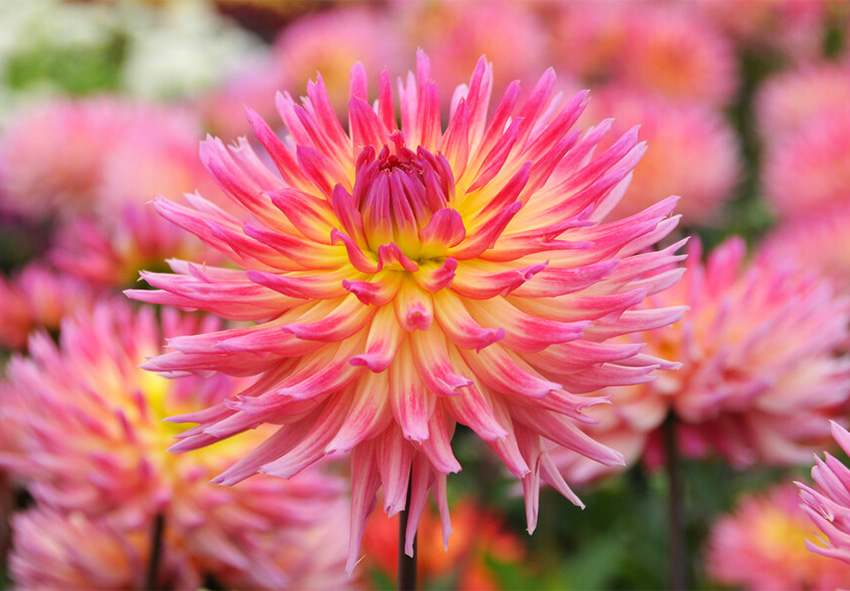
Understanding the basic principles of dahlia flowering helps gardeners create healthy plants and long-lasting displays. Dahlias respond strongly to environmental conditions and care routines, which means proper attention can significantly improve flowering results.
When the Dahlia Flowering Season Begins
The flowering season of dahlias usually begins in mid-summer. In most temperate climates, the first blooms appear between July and early August. Warmer regions may see earlier flowering, while cooler climates may experience slightly delayed blooming.
Dahlias continue to produce flowers until the first frost of autumn. This long flowering period makes them one of the most valuable ornamental plants for seasonal garden displays.
Typical Flowering Period From Summer to Autumn
In favorable conditions, dahlias can bloom for three to four months. The exact duration depends on the climate, the variety, and the care provided to the plants. Regular maintenance and suitable growing conditions help extend this period.
Many gardeners appreciate that dahlias remain attractive even late in the season, when many other garden flowers have already faded.
How Long It Takes Dahlias to Bloom After Planting
The time between planting dahlia tubers and the appearance of the first flowers typically ranges from 8 to 12 weeks. Tubers planted in warm soil with good sunlight tend to develop faster.
Temperature, soil fertility, and watering routines all influence how quickly dahlias begin flowering. When plants receive enough light and nutrients, they grow strong stems and produce buds more rapidly.
Do Dahlias Return Every Year? Annual vs Perennial Types
Dahlias are technically perennial plants because they grow from underground tubers that can survive and regrow in the following season. However, their ability to return each year depends on the climate.
In regions with cold winters, tubers usually need to be dug up and stored indoors to protect them from frost. Proper winter storage ensures that the same plants can be replanted and enjoyed again the following year.
Key Factors That Influence Dahlia Flowering
Several environmental and care-related factors determine how well dahlias bloom. When these conditions are met, dahlias reward gardeners with abundant and vibrant flowers:
- Adequate sunlight for strong plant growth
- Regular watering without excessive moisture
- Nutrient-rich, well-drained soil
- Balanced fertilization during the growing season
- Healthy foliage and properly maintained stems
Variety and Region: How They Affect Dahlia Blooming
Different dahlia varieties and growing locations can significantly influence the timing and abundance of flowering. Understanding these factors helps gardeners plan their planting strategy more effectively.
Early, Mid-Season, and Late-Flowering Dahlia Varieties
Dahlia varieties are often categorized by their flowering time. Early varieties begin blooming in midsummer, while mid-season varieties follow shortly afterward. Late varieties typically reach their peak toward the end of summer or early autumn. By planting several types with different flowering periods, gardeners can maintain a continuous display of blooms throughout the season.
How Climate Influences the Timing of Dahlia Blooms
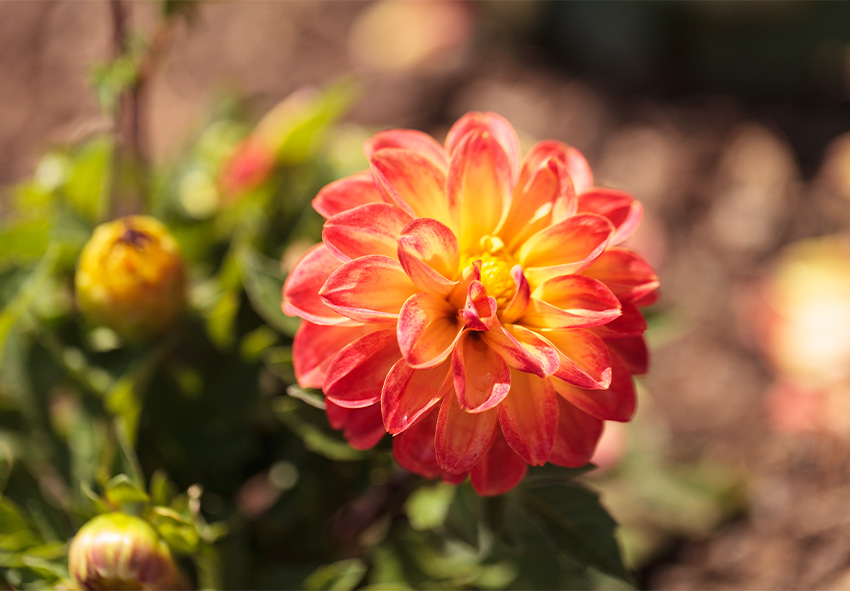
Climate plays an important role in determining when dahlias begin flowering. Warmer regions with long summers allow plants to grow quickly and produce blooms earlier. In cooler climates, growth may be slower, delaying the first flowers. Rainfall patterns, temperature fluctuations, and wind exposure can also affect plant health and blooming intensity.
Choosing the Right Planting Location in the Garden
Dahlias grow best in sunny areas that receive at least six hours of direct sunlight daily. Locations protected from strong winds help prevent damage to tall stems and large flowers. Planting in fertile, well-drained soil improves root development and encourages vigorous growth.
Selecting Dahlia Varieties for Different Growing Regions
Gardeners should consider regional conditions when selecting dahlia varieties. Hardy, fast-growing varieties may perform better in cooler climates, while heat-tolerant types are suitable for warmer regions. Choosing varieties adapted to local conditions helps ensure reliable flowering and strong plant development.
Choosing Dahlia Varieties for Long-Lasting Flowering
Selecting the right varieties is one of the most effective ways to create a long-lasting flowering display in the garden.
Recommended Dahlia Varieties for Long-Lasting Flowering
Choosing reliable varieties is one of the easiest ways to ensure that dahlias bloom continuously throughout the season. Some cultivars are known for their strong growth, abundant buds, and long flowering period. By planting a mix of productive varieties, gardeners can enjoy bright and consistent blooms from midsummer until the first frost.
Popular dahlia varieties for long-lasting flowering include:
- Dahlia ‘Kelvin Floodlight’ – A large decorative variety with bright yellow blooms that stand out in any flower bed. It produces impressive flowers throughout the season and works well as a focal plant in garden compositions.
- Dahlia ‘Cornel’ – A classic ball dahlia known for its deep red, perfectly shaped flowers. This variety blooms abundantly and is also excellent for cut flower arrangements.
- Dahlia ‘Café au Lait’ – One of the most famous decorative dahlias, admired for its large creamy-beige blooms. It is widely used in garden displays and bouquets because of its elegant color.
- Dahlia ‘Thomas Edison’ – A striking variety with large, rich purple flowers. It adds depth and contrast to flower beds and continues blooming well into late summer.
- Dahlia ‘Wizard of Oz’ – A charming pompon dahlia with small pink spherical blooms. Its compact flowers appear in large numbers, creating a full and colorful display.
- Dahlia ‘Linda’s Baby’ – This variety produces soft peach-pink blooms with a delicate appearance. It blends beautifully with other flowers and contributes to romantic garden arrangements.
Combining Early and Late Varieties for Continuous Bloom
Planting a mix of early, mid-season, and late-flowering dahlias allows gardeners to maintain color in the garden from summer until autumn. As one variety finishes blooming, another begins to produce flowers. This strategy ensures that the garden never looks empty during the growing season.
Selecting Flower Shapes and Colors for Garden Design
Dahlias come in an impressive variety of shapes and colors. Some varieties produce large decorative blooms, while others create small spherical flowers or elegant cactus-shaped petals. Choosing a combination of colors and flower forms can create visually interesting garden compositions that complement surrounding plants.
Creating Balanced Dahlia Compositions in the Garden
Combining tall varieties with shorter ones helps create depth and structure in flower beds. Brightly colored flowers can serve as focal points, while softer shades add harmony to the overall design. Thoughtful arrangement of varieties ensures that the garden remains vibrant and visually appealing throughout the season.
Tips for Extending the Dahlia Flowering Period
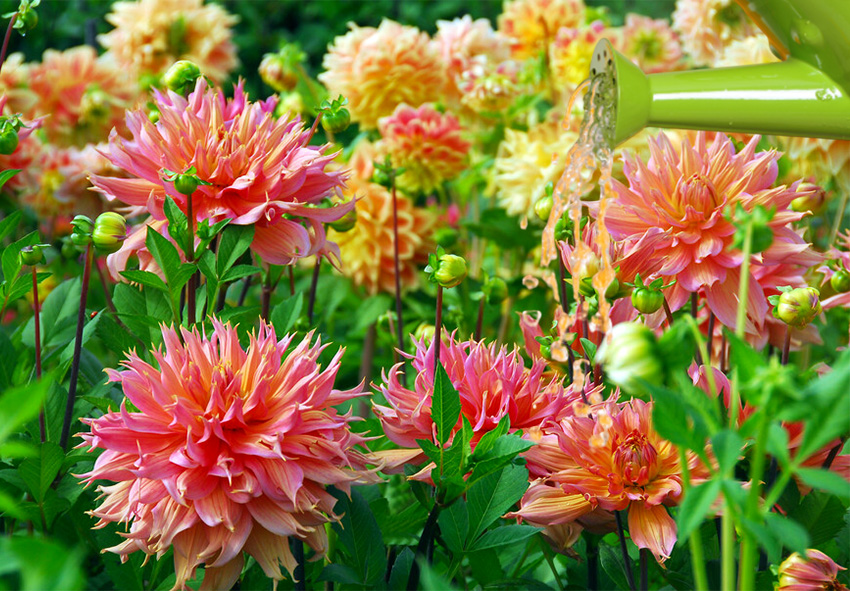
Not only is it important to know how to care for dahlias after bloom, but it is also useful to learn how you can extend their blooming period by following several simple care practices.
Removing Faded Flowers to Encourage New Buds
Regularly removing faded flowers, a process known as deadheading, encourages plants to produce new buds. When old blooms are removed, the plant directs its energy toward developing fresh flowers instead of producing seeds. This simple technique can significantly increase the total number of blooms.
Proper Watering and Feeding for Healthy Plants
Consistent watering is essential for maintaining healthy dahlia plants. Soil should remain slightly moist but not waterlogged. Deep watering once or twice a week is usually sufficient in most climates. Balanced fertilization also supports strong growth and vibrant flowers. Fertilizers rich in phosphorus and potassium can help stimulate bud formation.
Protecting Dahlias from Wind, Cold, and Pests
Tall dahlia varieties may require staking to protect their stems from strong winds. Gardeners should also monitor plants for pests such as aphids or slugs that may damage leaves and buds. Providing proper protection ensures that plants remain healthy and capable of producing continuous blooms.
Conclusion: Enjoying the Perfect Dahlia Blossom
Dahlias reward gardeners with spectacular flowers when given the right conditions and care. Understanding the basics of flowering, choosing suitable varieties, and paying attention to climate and planting location all contribute to successful results. By following simple maintenance practices such as proper watering, fertilizing, and removing faded blooms, gardeners can enjoy abundant flowers throughout the season.
Experimenting with different varieties allows gardeners to create unique and colorful compositions that enhance the beauty of any outdoor space. With patience and attention, dahlias can become one of the most impressive and rewarding plants in the garden.
Frequently Asked Questions (FAQs) about Dahlia Blossom
1. When do dahlias usually start blooming in the garden?
Dahlias typically begin flowering in mid-summer, usually between July and early August depending on the climate. The plants continue producing flowers until the first autumn frost. In warmer regions, blooming may start earlier, while cooler climates may delay flowering slightly. Proper sunlight, watering, and feeding help dahlias bloom more abundantly.
2. Can I order dahlia tubers from your online store?
Yes, you can order high-quality dahlia tubers directly from our online store Dutch-bulbs.com. We offer carefully selected varieties known for strong growth and abundant flowering. Our collection includes decorative, ball, and pompon dahlias suitable for flower beds, borders, and containers, helping gardeners create bright and long-lasting floral displays.
3. How can I make my dahlias bloom longer?
To extend the flowering period, regularly remove faded blooms so the plant can focus on producing new buds. Dahlias also need full sunlight, balanced fertilization, and consistent watering. Healthy soil and protection from strong wind help plants stay vigorous, allowing them to produce beautiful flowers continuously throughout the growing season.
4. Do dahlias grow back every year?
Dahlias are perennial plants that grow from underground tubers. In warm climates, they can remain in the ground year-round. In colder regions, gardeners usually dig up the tubers in autumn and store them indoors for winter. Replanting the tubers in spring allows the plants to grow and bloom again the following season.
5. Which dahlia varieties are best for long-lasting blooms?
Many varieties are known for reliable flowering throughout the season. Decorative types like Café au Lait and Kelvin Floodlight produce large statement blooms, while ball and pompon varieties such as Cornel or Wizard of Oz offer abundant smaller flowers. Mixing early, mid-season, and late varieties helps maintain continuous color in the garden.
Published: 11.03.2026