



Succulents have become one of the most popular choices in modern landscaping because of their striking appearance and easy care requirements. Their unique textures, bold shapes, and wide variety of colors make them ideal for creating stylish outdoor spaces. From small patios to large landscapes, succulents fit beautifully into many garden styles.
Using succulents in garden design also offers practical benefits. These drought-tolerant plants require less water than traditional garden plants, making them perfect for sustainable landscaping. Whether you prefer a modern minimalist look or a desert-inspired garden, succulents provide endless design possibilities. Our gardening blog is a perfect place to find all the information you need!
Why Use Succulents in Garden Design?
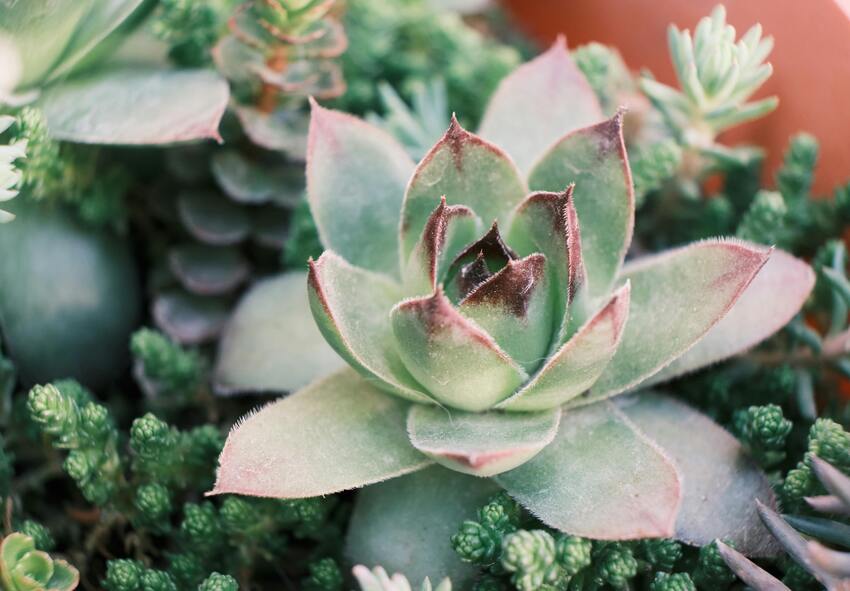
Succulents are an excellent choice for gardeners who want beautiful landscapes with minimal maintenance. Their ability to thrive in dry conditions makes them ideal for modern outdoor spaces. In addition, succulents can be combined with rocks, gravel, and decorative containers to create visually appealing designs.
Another reason gardeners love succulents is their versatility. They work well in raised beds, borders, containers, and vertical gardens. With so many varieties available, it’s easy to create a unique and personalized garden design.
Low-Maintenance Benefits
One of the biggest advantages of succulents is their low-maintenance nature. Most succulents require very little watering and can tolerate periods of drought. This makes them perfect for busy gardeners or anyone looking for easy-care landscaping. Succulents also need less pruning and fertilizing than many traditional plants. Once established, they can thrive with minimal attention.
Drought-Tolerant Landscaping
Succulents are ideal for drought-tolerant gardens because they store water in their leaves and stems. This allows them to survive in dry climates and areas with water restrictions. Using succulents in landscaping can significantly reduce water usage. This makes them both eco-friendly and cost-effective for long-term garden design.
Unique Colors and Shapes
Succulents come in a wide range of shapes, sizes, and colors. Some varieties have soft blue-green tones, while others feature deep purple, pink, or silver foliage. Their unusual forms add texture and visual interest to garden spaces. Mixing different succulent varieties creates a dynamic and modern look.
Year-Round Visual Appeal
Unlike seasonal flowers, many succulents maintain their beauty year-round. Their evergreen foliage keeps gardens attractive even during colder months. This consistent appearance makes succulents a reliable choice for long-lasting landscape design.
Popular Types of Succulents for Outdoor Gardens
Choosing the right succulent varieties is an important step in creating a successful outdoor garden. Some succulents grow well in containers, while others thrive in large landscapes. Understanding the characteristics of different types helps you select the best plants for your design.
Outdoor succulent gardens often combine several varieties for added texture and contrast. Here are some of the most popular choices for succulent landscaping:
- Echeveria — Echeveria is known for its beautiful rosette shape and soft pastel colors. These succulents are popular in modern garden designs and container arrangements. They prefer sunny locations and well-draining soil. Echeverias are especially attractive in rock gardens and decorative planters.
- Sedum — Sedum is one of the easiest succulents to grow outdoors. It spreads quickly and works well as ground cover in succulent landscapes. This hardy plant tolerates drought and poor soil conditions. Sedum also produces small flowers that attract pollinators.
- Agave — Agave plants create dramatic focal points in garden design. Their large, architectural leaves add bold structure to outdoor spaces. Agaves are ideal for desert-inspired and minimalist gardens. They require very little maintenance once established.
- Aloe Vera — Aloe vera is both decorative and practical. Its thick green leaves provide texture, while the gel inside the leaves is known for its soothing properties. This succulent grows best in sunny locations with excellent drainage.
- Jade Plant — Jade plants are popular for their thick stems and glossy leaves. They are commonly grown in containers but can also thrive outdoors in warm climates. Their compact shape makes them suitable for patios and small gardens.
- Sempervivum (Hens and Chicks) — Sempervivum, also called hens and chicks, forms clusters of rosettes that spread naturally over time. These plants are extremely hardy and tolerate cold weather well. They work beautifully in rock gardens and between stone pathways.
Succulent Garden Design Ideas
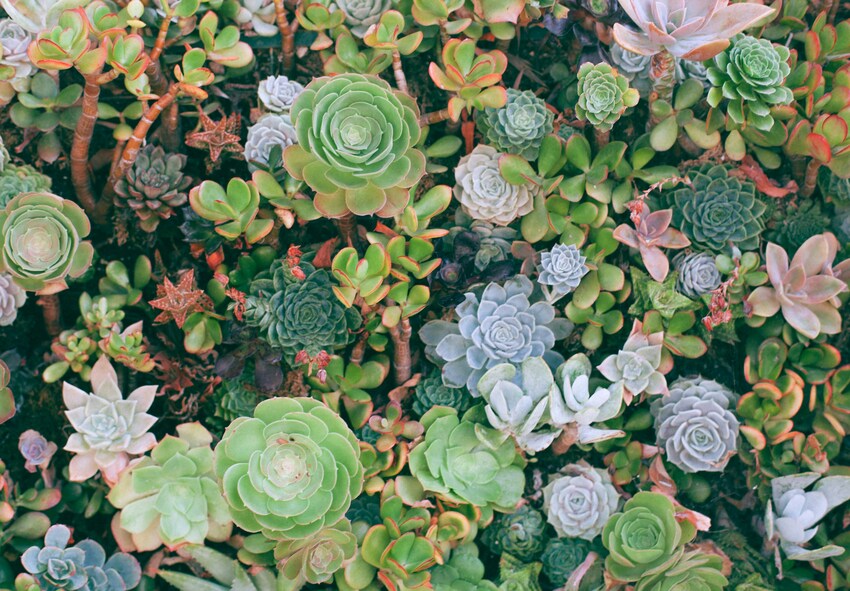
Succulent gardens can be designed in many creative ways. Whether you want a modern landscape or a natural desert look, succulents provide endless inspiration. Combining succulents with stones, gravel, and decorative elements enhances their visual appeal. Here are some popular succulent garden ideas to consider.
Rock Garden with Succulents
Rock gardens pair perfectly with succulents because both thrive in dry conditions. Large stones and gravel create natural-looking landscapes that highlight the plants’ shapes. This design style requires little maintenance and works well in sunny areas.
Modern Minimalist Succulent Garden
Minimalist succulent gardens focus on clean lines and simple layouts. Using a limited color palette creates a sleek and contemporary appearance. Geometric containers and gravel pathways enhance the modern aesthetic.
Desert-Inspired Landscape
A desert-inspired garden combines succulents, cacti, and natural stones. This design mimics arid environments and creates a dramatic outdoor space. Warm colors and drought-tolerant plants complete the look.
Raised Bed Succulent Garden
Raised beds improve drainage and make succulent gardens easier to maintain. They also create visual structure in the landscape. Mixing different succulent heights and colors adds depth to raised beds.
Succulent Border Garden
Succulents can be used along pathways, patios, or garden edges to create decorative borders. Low-growing varieties work especially well for this purpose. Border gardens add texture without requiring much maintenance.
Succulent Wall Garden
Vertical succulent gardens are ideal for small spaces. Mounted planters or wall frames allow you to create living art using succulents. This design adds greenery without taking up ground space.
Planning a Succulent Garden
Careful planning is essential when designing a succulent garden. Choosing the right location and understanding plant needs helps ensure long-term success. Succulents thrive in conditions that mimic their natural environment:
- Choosing the Right Location: Most succulents prefer sunny locations with plenty of airflow. Choose an area that receives at least six hours of sunlight daily. Avoid low areas where water tends to collect after rain.
- Understanding Sunlight Requirements: Different succulents have different sunlight needs. While most enjoy full sun, some varieties prefer partial shade during extremely hot weather. Observing sunlight patterns helps prevent leaf burn or weak growth.
- Creating Proper Drainage: Drainage is one of the most important factors in succulent care. Poor drainage can lead to root rot and plant damage. Adding sand, gravel, or raised beds improves drainage conditions.
- Selecting a Garden Style: Choose a garden style that complements your home and outdoor space. Modern, desert-inspired, and natural rock gardens are all popular options. Selecting a consistent theme creates a more cohesive design.
Watering and Caring for Outdoor Succulents
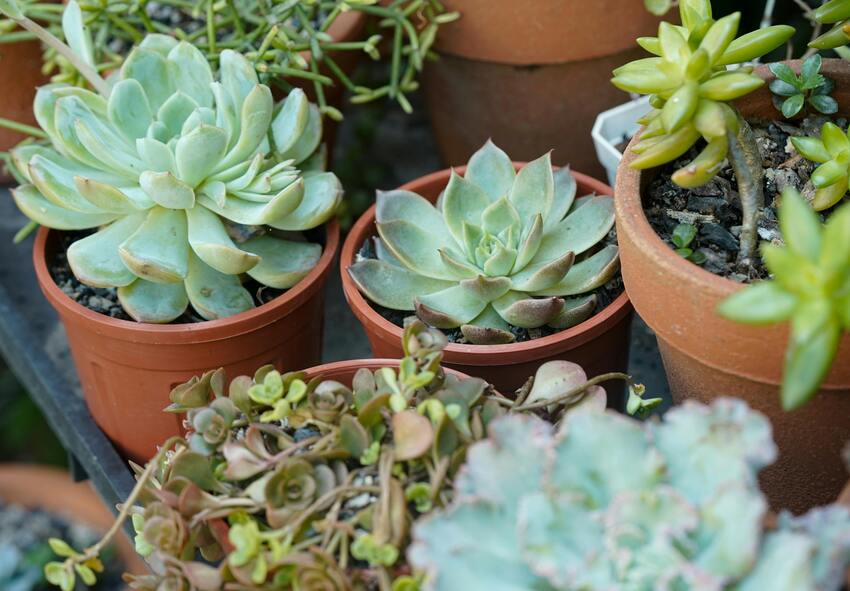
Although succulents are low-maintenance plants, they still require proper care to stay healthy and vibrant. Correct watering and soil conditions are essential for successful growth. Understanding how to care for outdoor succulents helps prevent problems and keeps your garden looking beautiful throughout the year.
How Often to Water Succulents
Succulents prefer deep but infrequent watering. Allow the soil to dry completely between watering sessions. During hot summer months, outdoor succulents may need slightly more water. However, avoid keeping the soil constantly wet.
Best Soil for Succulents
Succulents require fast-draining soil to prevent root rot. Sandy or gritty soil mixes work best for these plants. You can improve drainage by adding perlite, pumice, or coarse sand to regular garden soil.
Preventing Root Rot
Root rot is usually caused by excessive moisture and poor drainage. Symptoms include soft leaves, blackened stems, and wilting plants. Using well-draining soil and avoiding overwatering are the best ways to prevent this problem.
Seasonal Care Tips
Succulent care changes slightly throughout the year. During winter, many succulents need less water because growth slows down. In colder climates, sensitive succulents may need protection from frost and excessive rain.
Fertilizing Succulents
Succulents do not require heavy feeding. A light application of balanced fertilizer during the growing season is usually enough. Over-fertilizing can cause weak growth and damage the plants.
Using Succulents in Small Gardens
Succulents are perfect for small outdoor spaces because they require very little room to thrive. Their compact growth habits and low-maintenance nature make them ideal for balconies, patios, and urban gardens. Even a small collection of succulents can create a stylish and modern outdoor display.
Another advantage of designing a small garden is flexibility. You can easily rearrange containers, combine different varieties, and experiment with creative layouts without major landscaping work.
Container Succulent Gardens
Container gardens are one of the easiest ways to grow succulents. Pots and decorative planters allow you to control soil quality and drainage more effectively. Mixing succulents with different colors and shapes creates eye-catching arrangements. Containers can also be moved easily to adjust sunlight exposure.
Vertical Succulent Gardens
Vertical gardens are ideal for maximizing limited space. Wall-mounted planters and hanging frames allow you to display succulents creatively without using ground space. Vertical succulent gardens also add texture and greenery to fences, patios, and balconies. They are especially popular in modern landscape design.
Balcony and Patio Succulent Ideas
Succulents work beautifully on balconies and patios because they thrive in containers and sunny environments. Grouping various succulent pots together creates a lush and decorative outdoor area. You can also combine succulents with stones, lanterns, and wooden furniture for a relaxing and stylish atmosphere.
Combining Succulents with Other Plants
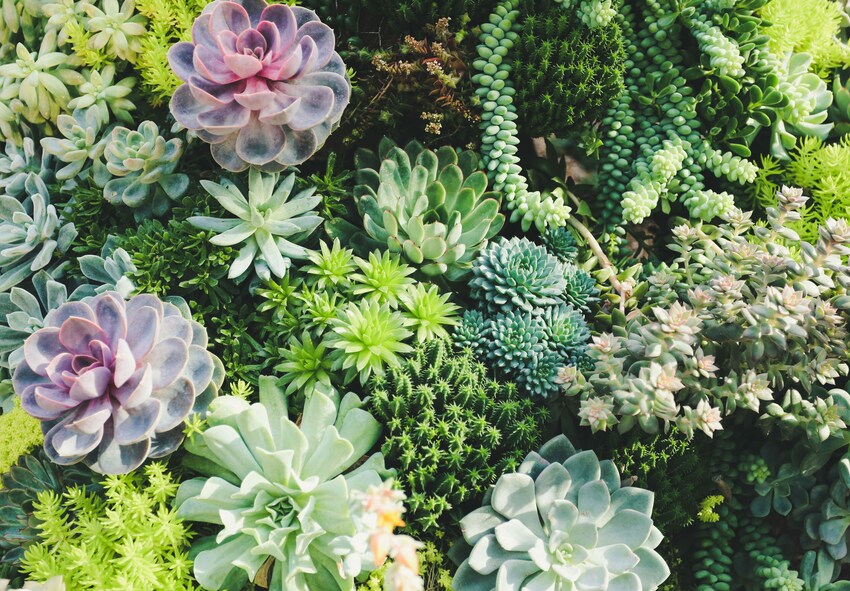
Succulents can be combined with many other drought-tolerant plants to create visually balanced landscapes. Pairing them with grasses, flowers, and cacti adds variety and depth to garden designs. The contrast between soft foliage and structured succulent forms creates a striking appearance. Plants with similar sunlight and watering needs grow best together.
Best Companion Plants
Many drought-tolerant plants pair well with succulents. Lavender, rosemary, and ornamental grasses are excellent choices because they thrive in similar conditions. These companion plants add movement, fragrance, and color to succulent landscapes.
Using Ornamental Grasses
Ornamental grasses create softness and contrast in succulent gardens. Their flowing texture complements the bold, sculptural forms of succulents. Grasses also add height and movement, making the garden feel more dynamic and natural.
Adding Cacti and Desert Plants
Cacti and desert plants blend naturally with succulents in arid-style landscapes. Together, they create dramatic and low-maintenance garden designs. Combining different desert plants also enhances texture and visual variety.
Color and Texture Combinations
Mixing succulents with different colors and leaf textures creates more interesting garden displays. Pair smooth rosette succulents with spiky agaves or trailing sedums for contrast. Using a variety of shapes and tones helps create depth and balance in the landscape.
Conclusion
Using succulents in garden design is one of the best ways to create a beautiful, modern, and low-maintenance outdoor space. Their drought tolerance, unique appearance, and versatility make them ideal for everything from rock gardens to patio containers. With proper planning and care, succulents can thrive for years while adding year-round beauty to your landscape.
Whether you are designing a large backyard or a small balcony garden, succulents offer endless creative possibilities. Start building your own succulent garden today and transform your outdoor space into a stylish and relaxing retreat. Visit our online plant store to explore high-quality succulents and discover the perfect plants for your next garden project!
Frequently Asked Questions (FAQs) about Succulents
1. Are succulents good for outdoor garden design?
Yes, succulents are excellent for outdoor garden design because they are low-maintenance, drought-tolerant, and visually striking. Their unique shapes and colors make them ideal for modern landscapes, rock gardens, and container arrangements. Succulents also require less water than traditional plants, making them a practical choice for sustainable and eco-friendly gardening.
2. How often should outdoor succulents be watered?
Outdoor succulents should be watered deeply but infrequently. In most climates, watering every one to two weeks is enough, depending on temperature and rainfall. Always allow the soil to dry completely between watering sessions. Overwatering is one of the most common causes of succulent damage and root rot in outdoor gardens.
3. What is the best soil for succulent gardens?
Succulents grow best in fast-draining soil that prevents excess moisture around the roots. Sandy or gritty soil mixes are ideal because they improve drainage and airflow. Many gardeners add perlite, pumice, or coarse sand to regular soil to create the perfect growing environment for healthy succulent root development.
4. Can succulents survive outdoors year-round?
Many succulents can survive outdoors year-round, especially in warm and dry climates. However, some varieties are sensitive to frost and excessive moisture during winter. In colder regions, gardeners may need to protect succulents with covers or move container plants indoors to prevent cold damage and maintain healthy growth.
5. Can I order succulents from your online plant store?
Yes, you can order succulents, like sedum, directly from our online store Dutch-bulbs.com. We offer popular varieties suitable for indoor and outdoor garden design, including drought-tolerant and beginner-friendly plants. Our succulents are carefully packaged and shipped to ensure they arrive healthy and ready for planting.
Published: 12.05.2026