



Lilies are not only admired for their striking blooms but also for their unforgettable fragrance. However, not all lilies smell the same, and their scent strength depends on variety, bloom time, and spring planting choices. A lily scent calendar helps gardeners plan when fragrance appears and how intense it will be throughout the season. Our gardening blog is a perfect place to find all the information you need!
Introduction to the Lily Scent Calendar
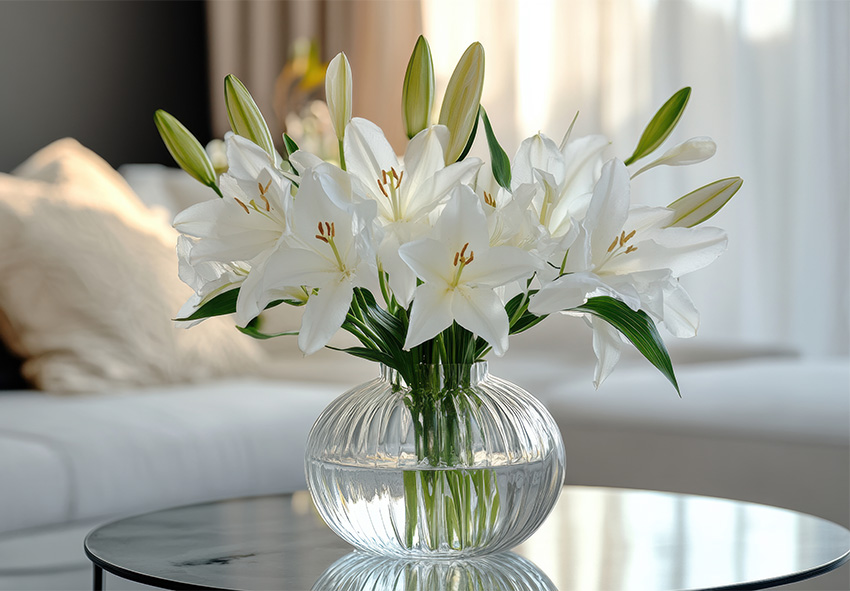
Planning a fragrant garden requires more than choosing beautiful flowers. Lilies release scent at different times and intensities depending on type and growing conditions. Understanding a lily scent calendar allows gardeners to control when and how strongly lilies perfume their garden.
What Is a Lily Scent Calendar?
A lily scent calendar is a planning guide that maps lily bloom time with fragrance intensity. It helps gardeners select varieties that bloom at different times. This approach ensures continuous scent rather than a short burst of fragrance.
Why Lily Fragrance Planning Starts in Spring
Spring planting decisions determine bulb strength, bloom timing, and scent performance. Bulb size, soil preparation, and placement all influence fragrance. Early planning helps maximize lily fragrance throughout the growing season.
How Scent Intensity Impacts Garden Experience
Strongly scented lilies can transform outdoor spaces, but too much fragrance may feel overwhelming. Lightly scented options work better near seating areas. Balancing scent intensity improves overall garden enjoyment.
Understanding Lily Fragrance Basics
Lily fragrance is influenced by genetics and growing conditions. Some lilies are bred for strong perfume, while others have little or no scent. Understanding these basics helps gardeners choose the right scented lilies for their needs.
What Makes Some Lilies More Fragrant Than Others
Fragrance strength depends on lily type and flower structure. Oriental and trumpet lilies produce higher levels of aromatic compounds. Asiatic lilies, in contrast, are bred mainly for color rather than scent.
How Weather and Temperature Affect Lily Scent
Warm temperatures intensify lily fragrance, while cool weather softens it. High humidity can also enhance scent perception. Sudden heat waves may shorten bloom life and reduce fragrance duration.
Day vs Night Fragrance Release in Lilies
Many scented lilies release stronger fragrance in the evening. This adaptation attracts nighttime pollinators. Gardeners can use this trait to plan fragrance near patios or open windows.
Types of Lilies and Their Scent Strength
Different types of lilies offer varying levels of fragrance. Choosing the right type helps gardeners control scent intensity. Understanding these differences is key to creating a balanced garden.
- Oriental Lilies and Strong Perfume
Oriental lilies are famous for their rich, sweet fragrance. Their large blooms release scent throughout the day and night. These lilies work best in open areas with good airflow.
- Trumpet Lilies and Evening Fragrance
Trumpet lilies produce bold, dramatic flowers with strong evening fragrance. Their scent travels far in warm weather. They are ideal for gardeners seeking powerful nighttime perfume.
- Asiatic Lilies and Low-Scent Options
Asiatic lilies have little to no fragrance. They are perfect for scent-sensitive gardeners. These lilies provide vibrant color without overwhelming nearby spaces.
- Hybrid Lilies with Moderate Fragrance
Hybrid lilies combine traits from different species. Many offer moderate fragrance and extended bloom time. They are excellent for gardeners seeking balance between beauty and scent.
Lily Bloom Time and Seasonal Scent Timing
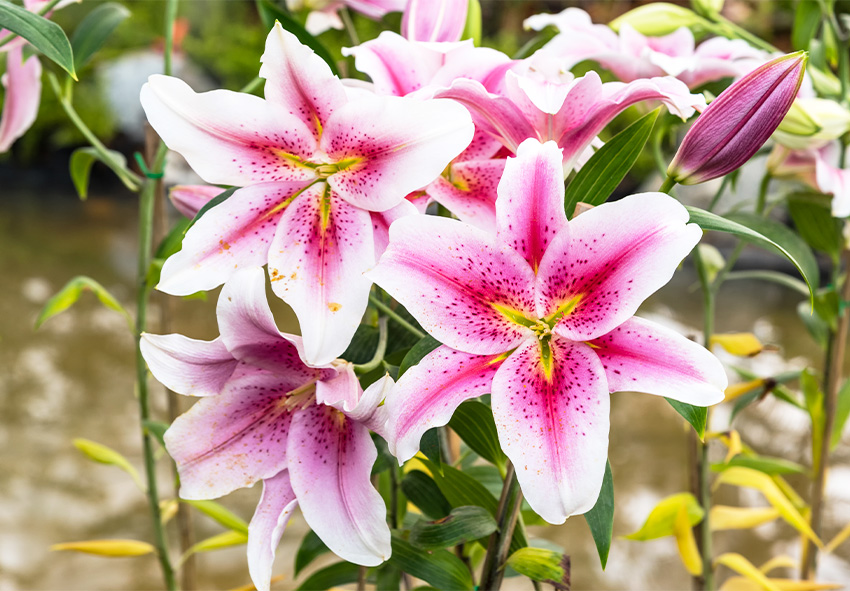
Bloom time plays a major role in when fragrance appears in the garden. By mixing early, mid, and late-blooming lilies, gardeners can enjoy scent for months. Lily bloom time is essential to fragrance planning.
Early-Summer Blooming Lilies
Early-blooming lilies provide the first wave of fragrance. These varieties often have lighter scent. They help ease the transition from spring to summer gardens.
Midseason Lilies and Peak Fragrance
Midseason lilies usually produce the strongest scent. Warm temperatures enhance fragrance release. This period offers the most intense garden perfume.
Late-Blooming Lilies for Extended Scent
Late-blooming lilies extend fragrance into late summer. Their blooms keep gardens aromatic after many plants fade. These lilies complete the scent calendar beautifully.
Spring Planting Choices That Affect Lily Scent
Planting lilies in spring directly affects fragrance strength. Soil quality, bulb size, and placement all matter. Careful preparation leads to healthier plants and stronger scent:
- Bulb Size and Scent Performance: Larger bulbs store more energy and produce stronger blooms. Stronger blooms usually release more fragrance. Investing in quality bulbs improves scent reliability.
- Soil Quality and Nutrient Availability: Well-drained, nutrient-rich soil supports healthy growth. Poor soil limits flower development and scent. Compost and balanced fertilizer improve lily fragrance potential.
- Sun Exposure and Air Circulation: Lilies need sunlight to develop strong flowers. Good air circulation prevents disease and disperses scent evenly. Shaded or crowded areas reduce fragrance performance.
Designing Your Garden Using a Lily Scent Calendar
A lily scent calendar helps guide garden layout decisions. Placement affects how fragrance is experienced. Thoughtful design enhances both beauty and comfort.
Placing Fragrant Lilies Near Living Areas
Strongly scented lilies work well near patios and walkways. Evening fragrance enhances outdoor relaxation. Avoid placing intense scents near enclosed spaces.
Balancing Strong and Subtle Scents
Mixing scented and unscented lilies prevents fragrance overload. This balance creates a pleasant sensory experience. Layering scent strength improves garden harmony.
Layering Bloom Times for Continuous Fragrance
Combining different bloom times ensures ongoing scent. Early, mid, and late lilies maintain interest. This strategy keeps gardens fragrant all season.
Choosing Lilies for Different Garden Goals
Different gardens require different fragrance levels. Lilies can be selected to match specific purposes. Matching goals with varieties ensures satisfaction:
- Relaxing Spaces: Lightly scented lilies suit meditation or seating areas. Subtle fragrance promotes calm. These varieties prevent sensory overload.
- Pollinator-Friendly Gardens: Strongly scented lilies attract pollinators. Night-fragrant types support moths. These lilies enhance garden biodiversity.
- Cut Flowers and Indoor Scent: Fragrant lilies work well as cut flowers. Indoor scent adds elegance. Choose moderate fragrance to avoid overpowering interiors.
Caring for Lilies to Maintain Strong Fragrance
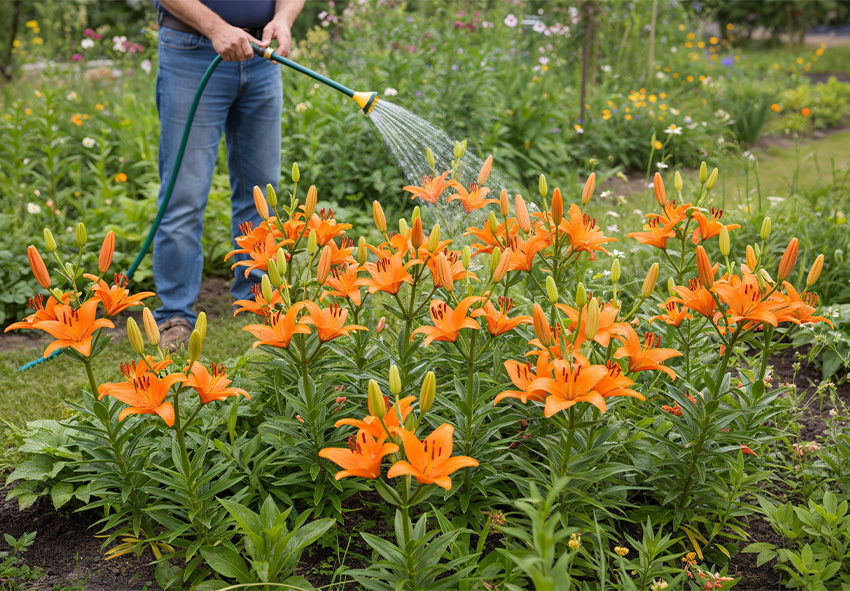
Proper oriental lily care helps flowers maintain fragrance through their bloom cycle. Watering, feeding, and support all matter. Healthy plants produce stronger, longer-lasting scent.
Watering and Feeding for Scent Development
Consistent watering supports flower development. Balanced feeding promotes healthy blooms. Stress-free plants release stronger fragrance.
Supporting Stems and Flowers
Tall lilies may need staking. Supported stems prevent damage and prolong blooms. Healthy flowers maintain scent longer.
Post-Bloom Care and Bulb Health
Allow foliage to die back naturally. This feeds the bulb for next year’s blooms. Healthy bulbs produce better fragrance in future seasons.
Conclusion
A lily scent calendar helps gardeners control when and how lilies perfume their garden. By understanding lily fragrance, bloom time, and spring planting choices, it’s possible to enjoy a balanced scent all season. With thoughtful planning, lilies can create a garden that looks stunning and smells unforgettable.
Frequently Asked Questions (FAQs) about Lily Scent Calendar
1. When do lilies release the strongest fragrance?
Most scented lilies release their strongest fragrance during warm parts of the day or evening, depending on the variety. Oriental and trumpet lilies often intensify their scent at night, while midseason bloomers provide the richest fragrance overall. Temperature, humidity, and sunlight all influence how strong lily fragrance becomes.
2. Are all types of lilies fragrant?
No, not all types of lilies are fragrant. Asiatic lilies typically have little to no scent, while Oriental and trumpet lilies are known for strong perfume. Hybrid lilies offer moderate fragrance. Understanding lily types helps gardeners choose varieties that match their scent preferences and sensitivity.
3. How does spring planting affect lily fragrance?
Planting lilies in spring affects bulb strength, bloom time, and fragrance intensity. Larger, healthy bulbs planted in nutrient-rich soil produce stronger blooms and better scent. Proper sunlight, spacing, and drainage also support healthy growth and long-lasting lily fragrance throughout the season.
4. Can lily fragrance be too strong for small gardens?
Yes, strongly scented lilies can feel overwhelming in small or enclosed spaces. In compact gardens, it’s best to balance fragrant lilies with low-scent varieties. Strategic placement and mixing types of lilies helps create a pleasant fragrance without overpowering the area.
5. Can I order lilies from your online plant store?
Yes, you can order lilies directly from our online store Dutch-bulbs.com. We offer a wide selection of scented lilies, including Oriental, trumpet, and hybrid varieties. Each bulb is carefully selected for quality and comes with planting guidance to help you enjoy beautiful blooms and rich fragrance.
Published: 03.02.2026