



Hydrangeas are loved for their bold blooms, but pruning mistakes can easily cost a season of flowers. Spring pruning hydrangeas requires understanding how each plant grows and blooms. By learning how to read your hydrangea before cutting, gardeners can protect buds and encourage healthy, beautiful growth. Our gardening blog is a perfect place to find all the information you need!
Introduction to Hydrangea Spring Pruning
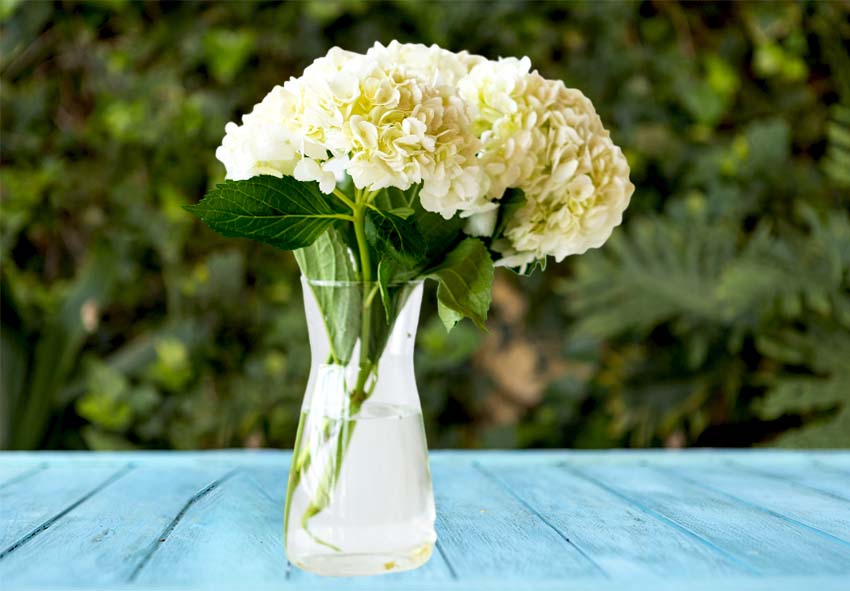
Hydrangea spring pruning often confuses gardeners because not all hydrangeas follow the same rules. Some bloom on old wood, others on new wood, and timing matters greatly. Understanding the basics of hydrangea pruning prevents accidental flower loss and supports long-term plant health.
Why Spring Pruning Matters for Hydrangeas
Spring pruning removes winter-damaged wood and helps shape the plant for new growth. When done correctly, it improves airflow and structure. Poor timing or excessive cuts, however, can remove developing buds and significantly reduce flowering.
Common Pruning Mistakes Gardeners Make
Many gardeners prune hydrangeas too early or too aggressively without identifying the plant type. Cutting back old-wood varieties in spring often removes flower buds. Another mistake is pruning without checking stems for live growth.
How Flower Type Determines Pruning Needs
Hydrangea flower type determines where buds form and when pruning is safe. Some types require only minimal trimming, while others benefit from heavier cuts. Understanding this distinction is essential before making any pruning decisions.
Understanding How Hydrangeas Bloom
Knowing how hydrangeas bloom is the foundation of proper pruning. Blooming habits determine whether spring pruning is beneficial or harmful. This knowledge helps gardeners avoid cutting off flowers before they ever appear.
Old Wood vs New Wood Explained
Old wood refers to stems formed the previous growing season, while new wood grows during the current year. Some hydrangeas bloom only on old wood. Cutting these stems in spring often removes the season’s flowers.
Why Blooming Habit Affects Spring Pruning
Hydrangeas that bloom on new wood tolerate spring pruning well and still flower reliably. Old-wood bloomers are far less forgiving. Knowing this difference helps gardeners decide when to prune hydrangeas without risking blooms.
How to Identify Blooming Wood on Your Plant
Old wood is usually thicker, woodier, and shows visible buds early in spring. New wood emerges later and appears softer. Observing bud placement and stem texture helps determine which growth should remain untouched.
Identifying the Main Types of Hydrangeas
Correctly identifying hydrangea types ensures proper pruning and care. Each type has unique blooming habits and growth patterns. Misidentification is one of the most common causes of pruning-related bloom failure.
- Bigleaf and Mountain Hydrangeas
Bigleaf and mountain hydrangeas typically bloom on old wood, making them sensitive to spring pruning. These plants should only be lightly trimmed to remove dead growth. Heavy pruning often results in few or no flowers.
- Panicle Hydrangeas
Panicle hydrangeas bloom on new wood and are among the easiest to prune. Spring pruning helps control size and encourages strong stems. These hydrangeas respond well to heavier cuts without sacrificing blooms.
- Smooth Hydrangeas
Smooth hydrangeas also bloom on new wood and benefit from spring pruning. Cutting them back encourages vigorous growth and large flower heads. These varieties are forgiving and ideal for gardeners new to pruning.
- Oakleaf Hydrangeas
Oakleaf hydrangeas bloom on old wood and need minimal pruning. Spring care should focus on removing damaged branches only. Excessive cutting can reduce flowering and disrupt the plant’s natural shape.
When to Prune Hydrangeas in Spring
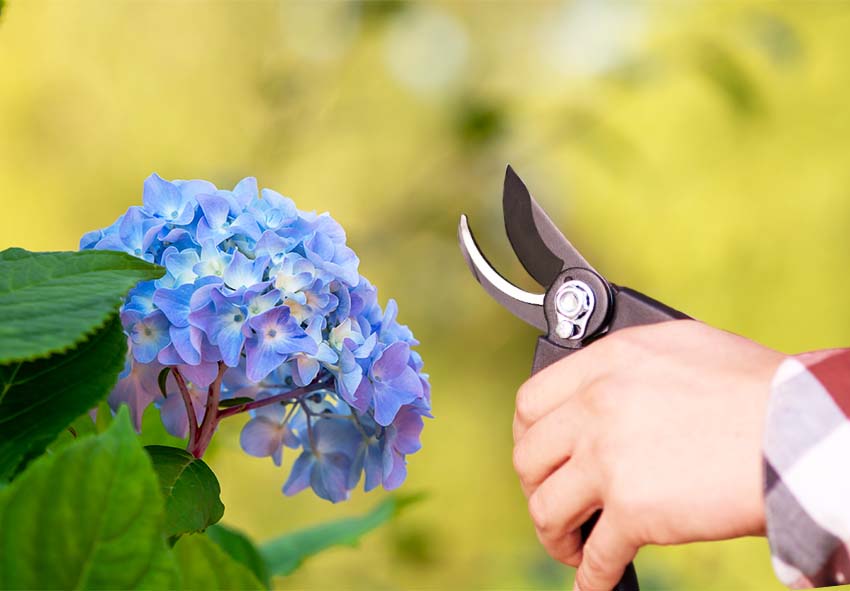
Timing plays a critical role in successful hydrangea pruning. Pruning too early or too late can affect flowering and growth. Observing plant signals is more reliable than following calendar dates alone.
Signs Your Hydrangea Is Ready for Pruning
Visible leaf buds, green stems, and flexible branches indicate active growth. Dead wood appears dry and brittle. These visual cues help gardeners decide which stems can be safely removed.
Pruning Timing by Hydrangea Type
New-wood hydrangeas can be pruned in early spring before strong growth begins. Old-wood types should only be lightly trimmed once winter damage is visible. Matching timing to type protects blooms.
Regional Climate Considerations
Cold regions require delayed pruning to avoid frost damage, while warmer climates allow earlier work. Local weather patterns matter more than fixed dates. Always account for frost risk before pruning hydrangeas.
How to Read Your Hydrangea Before You Cut
Reading your hydrangea means carefully evaluating its health, buds, and structure before pruning. This step prevents unnecessary cuts and protects future flowers. Observation is the most important pruning tool.
Checking for Live Buds and Stems
Live stems are flexible and green inside when lightly scratched. Buds signal future blooms. Avoid cutting stems with visible buds, especially on old-wood hydrangeas, to preserve flowering potential.
Distinguishing Dead Wood from Healthy Growth
Dead wood feels brittle and looks brown or hollow inside. Healthy growth shows green tissue and flexibility. Removing only dead wood improves appearance without sacrificing blooms or stressing the plant.
Evaluating Plant Shape and Structure
Look for crossing, crowded, or weak branches that affect airflow. Maintaining a balanced shape improves plant strength and disease resistance. Structural pruning should be gentle, especially on old-wood varieties.
Step-by-Step Guide to Spring Pruning Hydrangeas
Correct technique is just as important as timing when pruning hydrangeas. Using proper tools and making clean cuts reduces stress and promotes healthy regrowth throughout the growing season:
- Tools Needed for Proper Hydrangea Pruning: Sharp, clean pruners ensure precise cuts and reduce damage. Disinfect tools between plants to prevent disease spread. Quality tools make pruning safer and more effective for long-term hydrangea care.
- How Much to Cut Without Reducing Blooms: Avoid removing more than one-third of the plant at a time. Focus on dead, weak, or overcrowded stems first. Conservative pruning preserves buds and ensures reliable flowering.
- Making Clean and Correct Pruning Cuts: Cuts should be made just above a healthy bud or node. Angled cuts help shed water and reduce rot. Clean cuts heal faster and lower the risk of infection.
After-Pruning Care for Healthy Growth
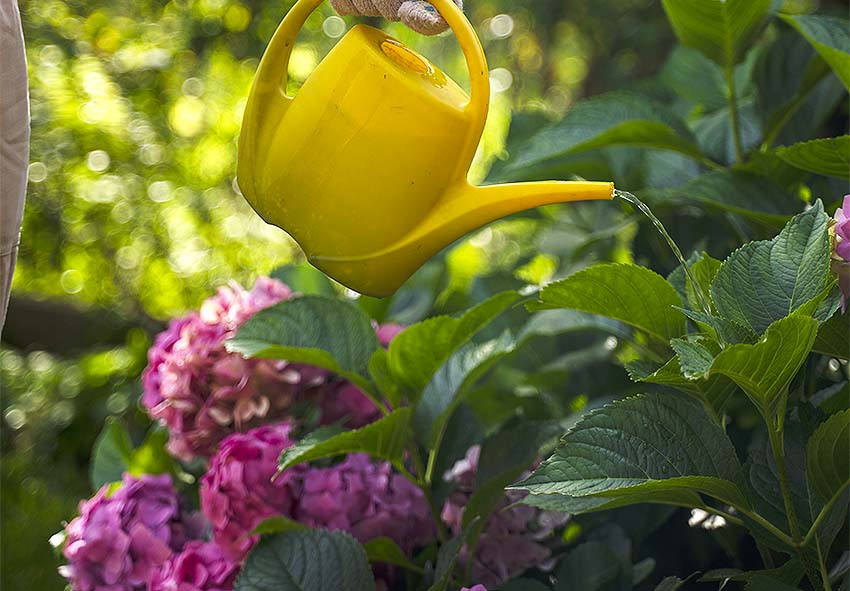
Post-pruning care helps hydrangeas recover quickly and produce strong new growth. Hydrangeas hydration and nutrition are especially important at this stage, as proper watering, feeding, and soil care all play key roles after pruning.
Watering Hydrangeas After Pruning
Deep watering after pruning reduces stress and supports recovery. Keep soil evenly moist but not soggy. Consistent moisture encourages strong root activity and healthy shoot development.
Fertilizing Hydrangeas in Spring
Apply a balanced fertilizer to support new growth after pruning. Avoid excessive nitrogen, which encourages leaves over flowers. Follow label instructions to maintain proper nutrient balance.
Mulching and Soil Care Tips
Mulch helps retain moisture, regulate soil temperature, and improve soil health. Organic mulch works best. Keep mulch a few inches away from stems to prevent rot.
Common Spring Pruning Problems and How to Avoid Them
Most hydrangea pruning problems result from timing errors or lack of plant identification. Understanding these issues helps gardeners avoid disappointment and enjoy consistent blooms:
- Over-Pruning and Lost Blooms: Removing too much growth, especially on old-wood hydrangeas, eliminates flower buds. Over-pruning weakens plants and delays blooming. Always prune conservatively when unsure.
- Pruning at the Wrong Time: Pruning before identifying bloom type often leads to flower loss. Old-wood hydrangeas are especially sensitive. Learning when to prune hydrangeas prevents seasonal setbacks.
- Using Incorrect Tools or Techniques: Dull or dirty tools cause jagged cuts and spread disease. Incorrect cutting angles slow healing. Proper tools and techniques protect plant health and improve pruning results.
Conclusion
Hydrangea spring pruning becomes simple once you understand bloom habits and plant types. By learning how to read your hydrangea, choosing correct timing, and applying careful pruning techniques, gardeners can enjoy healthy plants and abundant blooms year after year.
Frequently Asked Questions (FAQs) about Hydrangea Spring Pruning
1. When is the best time to prune hydrangeas in spring?
The best time for hydrangea pruning in spring depends on the type of hydrangea you have. New-wood varieties can be pruned in early spring, while old-wood types should only be trimmed lightly after winter damage is visible. Always wait until the risk of hard frost has passed.
2. How do I know if my hydrangea blooms on old wood or new wood?
Identifying bloom type starts with knowing your hydrangea variety. Bigleaf, mountain, and oakleaf hydrangeas bloom on old wood, while panicle and smooth hydrangeas bloom on new wood. Observing bud placement and checking plant labels can help confirm blooming habits.
3. Can spring pruning hydrangeas reduce flowering?
Yes, spring pruning hydrangeas can reduce flowering if done incorrectly. Cutting back old-wood hydrangeas removes flower buds that formed the previous year. Pruning too aggressively can also stress the plant. Light, selective pruning helps preserve blooms while maintaining plant health.
4. What should I do if I accidentally pruned my hydrangea too much?
If over-pruning occurs, focus on proper hydrangea care to help recovery. Water consistently, apply mulch, and avoid additional stress. While blooms may be limited that season, healthy growth will return, and flowering should improve the following year with correct pruning practices.
5. Can I order hydrangeas from your online plant store?
Yes, you can order hydrangeas directly from our online store Dutch-bulbs.com. We offer a curated selection of hydrangea varieties suited to different climates and pruning needs. Each plant comes with detailed care instructions, making it easier to grow healthy, long-lasting blooms at home.
Published: 30.01.2026