



Orchids are among the most captivating flowering plants, admired for their exotic beauty and long-lasting blooms. If you’ve ever wished to multiply your collection, orchid propagation is the perfect way to do it. Though orchids have a reputation for being delicate, propagating them is surprisingly achievable with the right technique. Whether through division, keikis, or cuttings, you can grow new orchids at home and enjoy the satisfaction of nurturing them from start to finish. Our gardening blog is a perfect place to find all the information about daffodils and other plants you need!
Understanding Orchid Propagation

Learning the basics of orchid propagation helps you understand how these plants grow and reproduce. Each orchid type has its own preferred method, making it important to choose the right approach for your variety. With a bit of knowledge and preparation, anyone can master the process of growing orchids successfully at home.
What Is Orchid Propagation?
Orchid propagation is the process of creating new plants from an existing one. Instead of growing from seed—which can be complex and time-consuming—most gardeners propagate orchids by division, keikis (baby plants), or cuttings. Each method has its own advantages, depending on the orchid type. Understanding which approach suits your plant best is the first step toward success.
Why Propagate Orchids?
Propagation allows you to expand your collection, share orchids with friends, or rejuvenate an older plant that’s losing vigor. It’s also a cost-effective and sustainable way to grow orchids. By mastering how to propagate orchids, you’ll not only save money but also gain a deeper connection with your plants as you help them thrive through each stage of growth.
Best Time and Conditions for Propagation
Timing and environment are everything when it comes to orchid propagation. Healthy orchids need warmth, light, and the right humidity to recover after being divided or cut. Choosing the right time of year ensures strong root development and a faster recovery period for your plants.
Ideal Time of Year
The best time to propagate orchids is during active growth—typically in late spring or early summer. During this period, orchids produce new roots and shoots, which helps them recover quickly after being divided or cut. Avoid propagation during dormancy or after heavy blooming, as the plant’s energy reserves are lower.
Preparing the Plant
Before you begin, choose a healthy mother plant with at least three to four pseudobulbs or strong root systems. Always use clean, sterilized tools to prevent disease transmission. Prepare a well-draining potting mix made from bark, perlite, or sphagnum moss. Healthy roots and sterile conditions are essential for successful orchid propagation.
Methods of Orchid Propagation
There are several reliable ways to propagate orchids, depending on the type of plant you have. Each technique has unique steps and advantages, from dividing mature orchids to growing keikis or cuttings. Understanding these methods will help you choose the best approach for your collection and increase your propagation success rate.
Division Method
The division method is ideal for sympodial orchids such as Cattleya, Oncidium, and Dendrobium. These orchids grow in clumps connected by rhizomes, making them easy to separate. Here are 3 main steps:
- Remove the orchid gently from its pot and shake off excess medium.
- Use sterilized shears to cut the rhizome into sections, ensuring each piece has at least three pseudobulbs.
- Repot each division into a small container with fresh orchid mix and water lightly.
After division, keep the plants in a warm, humid spot with indirect light. Within a few weeks, new roots and shoots should start to appear, signaling successful propagation.
Stem or Backbulb Cuttings
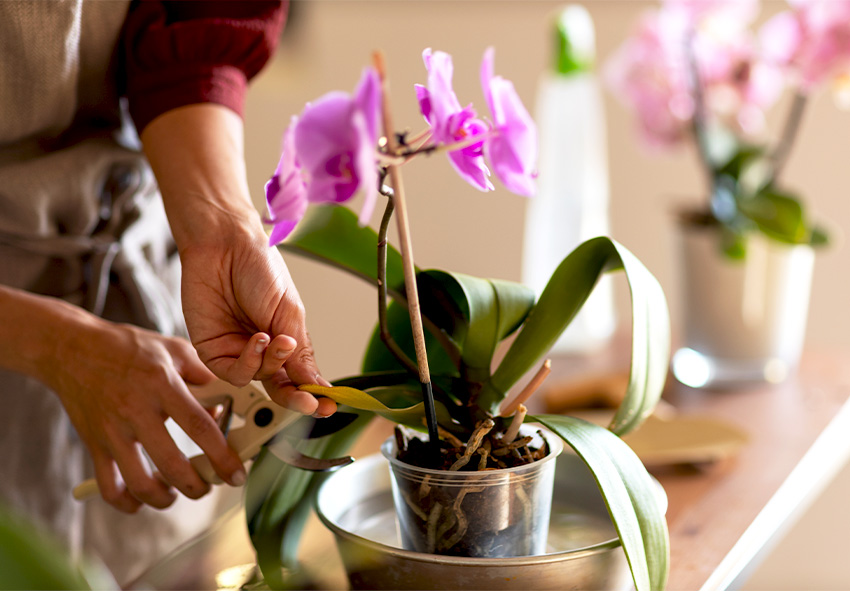
Some orchids, like Cymbidiums and Dendrobiums, can be propagated from stem or backbulb cuttings. This method uses older pseudobulbs that no longer produce flowers:
- Remove and clean old pseudobulbs or stem sections.
- Cut them into 10–15 cm pieces, ensuring each has a node or bud.
- Plant them in a moist sphagnum moss tray or propagation box under high humidity.
Within a few weeks, small shoots may emerge from the nodes. Once roots appear, transplant the new orchids into individual pots.
Propagation from Keikis
Many Phalaenopsis orchids and some Dendrobiums produce small plantlets called keikis (Hawaiian for “baby”). These grow on the flower spike or stem and can be separated once mature.
- Wait until the keiki has at least two to three leaves and roots about 5–7 cm long.
- Cut the keiki carefully just below its base and pot it in a fine orchid bark mix.
- Mist regularly to maintain humidity and encourage root growth.
Propagation through keikis is one of the easiest ways to grow new orchids. It requires patience, but the resulting plants are genetically identical to the parent.
Post-Propagation Care Tips
After propagation, care for orchids is important to grow strong roots and stable new shoots. This stage is crucial for long-term success — proper watering, light, and feeding all contribute to healthy development. Consistency and patience will help your propagated orchids establish themselves and eventually produce beautiful blooms.
Watering and Humidity
After propagation, maintaining humidity is vital. Mist your orchids lightly each day to keep the environment moist but avoid overwatering, which can cause root rot. Orchids thrive in humidity levels between 60–80%. Use a humidity tray or humidifier if needed, and ensure good air circulation to prevent mold.
Light and Temperature
Place propagated orchids in a bright, indirect light location. Too much direct sun can burn tender leaves, while too little light can slow growth. Ideal temperatures range from 18°C to 25°C (65°F to 77°F). Consistent warmth and gentle light help new roots establish strong, healthy systems.
Fertilizing and Feeding
Once your propagated orchids show new root growth, start feeding them with a diluted balanced fertilizer (20-20-20). Apply every two weeks during active growth and reduce feeding in winter. Overfertilizing can stress new plants, so always use half-strength fertilizer and water thoroughly afterward.
Common Mistakes to Avoid
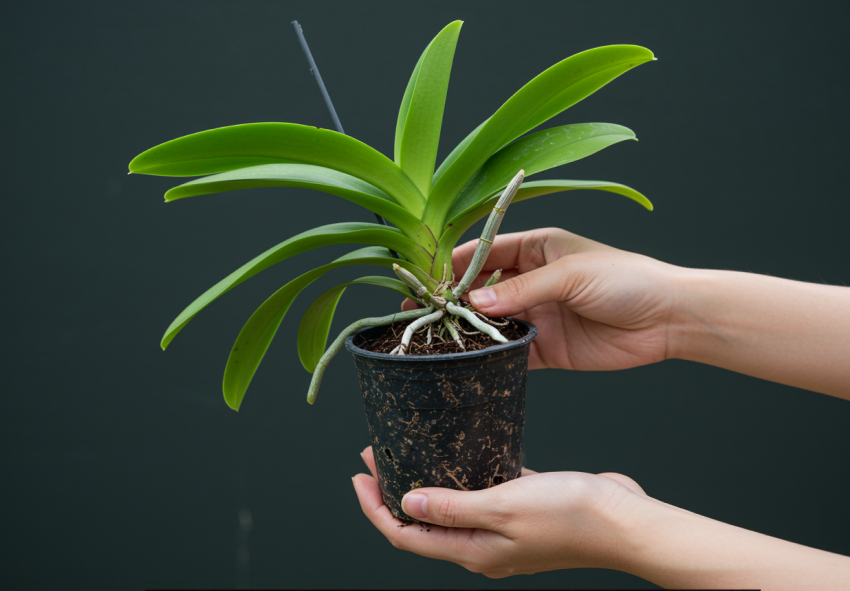
Even experienced gardeners can make small errors that affect propagation success. Recognizing and avoiding these issues will greatly improve your results. With attention to timing, cleanliness, and watering habits, you can ensure every new orchid thrives. Avoid these common pitfalls:
- Dividing too early or too late in the season — roots need warmth to establish.
- Planting divisions too deep, which delays blooming.
- Using dull or dirty tools that can damage roots or spread disease.
- Overwatering, which leads to rot in heavy soils.
- Fertilizing too soon, which can stress young divisions.
Conclusion
Orchid propagation may sound technical, but with patience and the right methods, it’s a deeply rewarding experience. Whether you’re dividing a mature plant or nurturing a keiki into bloom, propagation allows you to enjoy more of your favorite orchids. Follow these steps and care tips, and you’ll soon have a flourishing orchid collection filled with vibrant, healthy blooms!
Frequently Asked Questions (FAQs) about Orchid Propagation
1. What is the easiest way to propagate orchids at home?
The easiest way to propagate orchids is by using keikis (baby plants) that naturally grow on the flower stem. Once the keiki develops a few roots, it can be carefully removed and potted. This method is low-risk and works particularly well for Phalaenopsis and Dendrobium orchids.
2. Can I order orchids from your online store?
Yes, you can! Our online store Dutch-bulbs.com offers a wide selection of orchid plants, including different varieties and colors. We take pride in providing top-quality plants that are carefully cultivated and shipped with care to ensure they reach you in perfect condition.
3. How long does it take for propagated orchids to bloom?
Propagated orchids usually take 1–3 years to bloom, depending on the method and care. Keikis often bloom faster than plants grown from division or cuttings. Providing consistent humidity, bright indirect light, and balanced fertilization helps speed up the growth and flowering process.
4. Can I propagate orchids in water instead of soil?
Yes, some growers use water propagation to encourage root growth before potting. Place the orchid cutting or keiki base above the water surface so roots develop in a humid environment. Once roots are about 5–7 cm long, transfer the plant into a proper orchid mix for long-term growth.
5. How do I prevent root rot in newly propagated orchids?
To prevent root rot, use a well-draining orchid potting mix made from bark, perlite, or sphagnum moss. Avoid overwatering and ensure good airflow around the roots. Water only when the mix feels nearly dry — orchids prefer slightly dry conditions over constantly wet roots.
Published: 11.11.2025