



Planting gloxinia correctly is the foundation for lush foliage and vibrant, trumpet-shaped flowers. Because this plant grows from a tuber, proper planting preparation directly affects sprouting speed, root development, and overall bloom performance.
Whether you are new to gardening or expanding your indoor collection, understanding the details of planting gloxinia will help you avoid common mistakes and ensure long-lasting success. Our gardening blog is a perfect place to find all the information you need!
Introduction to Planting Gloxinia
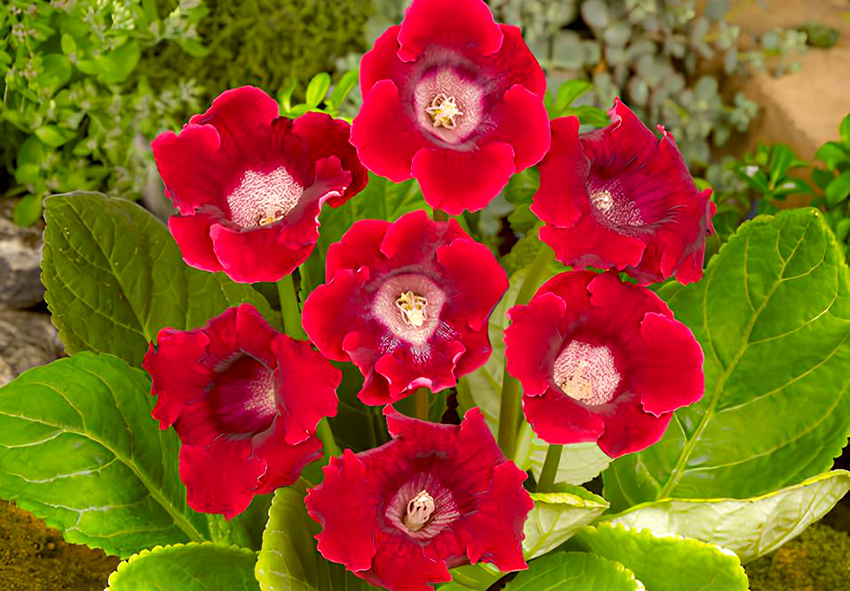
Gloxinia (Sinningia speciosa) is a tropical flowering plant prized for its velvety leaves and dramatic blooms. While it may look delicate, it performs reliably when planted under the right conditions. Successful growth begins long before flowers appear — it starts with careful tuber selection and soil preparation.
Why Proper Planting Determines Bloom Quality
The planting stage determines how strong the root system will be. A healthy root system supports larger blooms and a longer flowering period. Incorrect depth, poor soil, or excess moisture can delay sprouting or cause rot before growth even begins.
Understanding Gloxinia Tubers Before You Plant
Gloxinia grows from a rounded tuber that stores energy during dormancy. The top side often has a slight hollow or depression where shoots will emerge. Identifying this top side is important for correct positioning in the soil.
Common Mistakes Beginners Make When Planting Gloxinia
Overwatering immediately after planting is one of the most common errors. Another frequent issue is burying the tuber too deeply, which can slow sprouting. Using heavy garden soil instead of a light potting mix can also lead to drainage problems.
Preparing the Right Soil for Gloxinia
Soil quality is one of the most critical factors in planting gloxinia successfully. The right mix provides moisture retention while preventing waterlogging.
- Soil Texture and Drainage Requirements: Gloxinia requires light, well-aerated soil. Heavy or compacted soil traps water around the tuber, increasing the risk of rot. Good drainage ensures healthy root expansion.
- Best Potting Mix for Gloxinia Tubers: A high-quality potting mix designed for flowering houseplants works well. African violet mixes are particularly suitable because they balance moisture retention and airflow. Avoid dense garden soil.
- Improving Drainage with Perlite or Sand: Adding perlite or coarse sand improves drainage and prevents compaction. These materials increase oxygen availability around roots. Proper aeration supports strong root growth.
- Nutrient Balance and pH Level Requirements: Gloxinia prefers slightly acidic to neutral soil. Balanced nutrients promote early root establishment. Avoid heavily fertilized mixes at planting time to prevent root burn.
Choosing the Right Container for Planting Gloxinia
Container selection significantly influences moisture control and root health.
Ideal Pot Size for Young Tubers
Choose a pot slightly larger than the tuber. Oversized containers hold excess soil and retain too much moisture. A snug fit encourages better root development.
Importance of Drainage Holes
Drainage holes are essential for preventing water accumulation. Without proper drainage, even careful watering can lead to root rot. Always place a saucer beneath the pot to catch excess water.
Shallow vs Deep Containers for Gloxinia
Shallow containers are often preferable because gloxinia roots are not deeply penetrating. A wide, shallow pot allows even root spread and reduces moisture buildup at the base.
Choosing Healthy Gloxinia Tubers
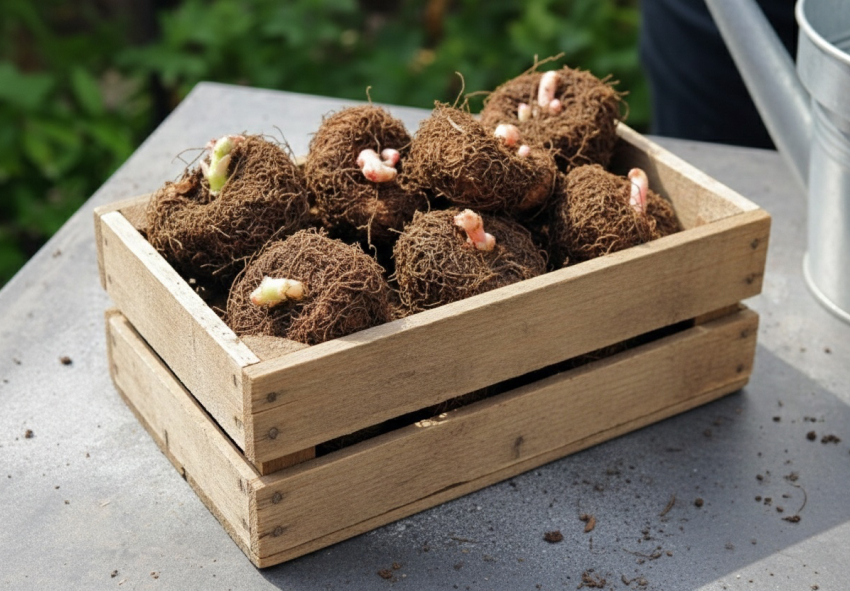
Healthy planting material is essential for strong growth. Even perfect soil and care cannot compensate for damaged or weak tubers.
How to Select Firm, Viable Tubers
Choose gloxinia tubers that feel firm and solid when gently pressed. They should be free from soft spots and excessive shriveling. Larger tubers generally produce stronger plants and more abundant blooms.
Signs of Damaged or Diseased Tubers
Avoid tubers with mold, dark wet patches, or unpleasant odors. These signs indicate rot or fungal infection. Planting compromised tubers often results in failed sprouting.
Preparing Tubers Before Planting
If tubers appear slightly dry, they can be rehydrated by placing them in lightly moist soil before active watering begins. Do not soak them in water, as excess moisture encourages rot. Gentle handling prevents bruising.
When to Plant Gloxinia for Best Results
Timing plays an important role in successful gloxinia tubers planting. These tropical plants prefer warmth and stable indoor conditions.
Ideal Planting Season Indoors
Late winter to early spring is the best time to plant gloxinia. Starting at this time allows the plant to bloom in late spring or summer. Indoor planting provides the controlled environment necessary for reliable sprouting.
Temperature and Light Conditions at Planting Time
Gloxinia thrives in temperatures between 65–75°F (18–24°C). Cold soil slows root development. Stable indoor warmth promotes faster sprouting and reduces stress.
Why Warm Soil Encourages Faster Sprouting
Warm soil stimulates metabolic activity inside the tuber. When temperatures are optimal, shoots emerge more quickly and evenly. Consistent warmth also reduces the risk of fungal issues during early growth.
Step-by-Step Guide to Planting Gloxinia Tubers
Following a simple planting process ensures the best start for your plant.
- Correct Planting Depth and Positioning: Place the tuber with the hollow side facing upward. Position it just below the soil surface, covering lightly with potting mix. Planting too deeply can delay sprouting.
- Spacing Multiple Tubers in One Container: If planting more than one tuber, leave adequate space between them. Crowding limits airflow and root expansion. Proper spacing promotes even growth.
- Watering Immediately After Planting: After positioning the tuber, lightly moisten the soil. Avoid saturating the pot. Excess water at this stage can cause rot before roots develop.
- Creating the Ideal Environment for Sprouting: Keep the planted tuber in a warm location with stable temperatures. Consistent warmth and moderate humidity support faster sprout emergence. Avoid placing newly planted tubs in cold or drafty areas.
For more aftercare tips, check out a full guide for gloxinia, which will help you understand how to support strong growth and encourage abundant blooms throughout seasons.
Troubleshooting Planting Problems
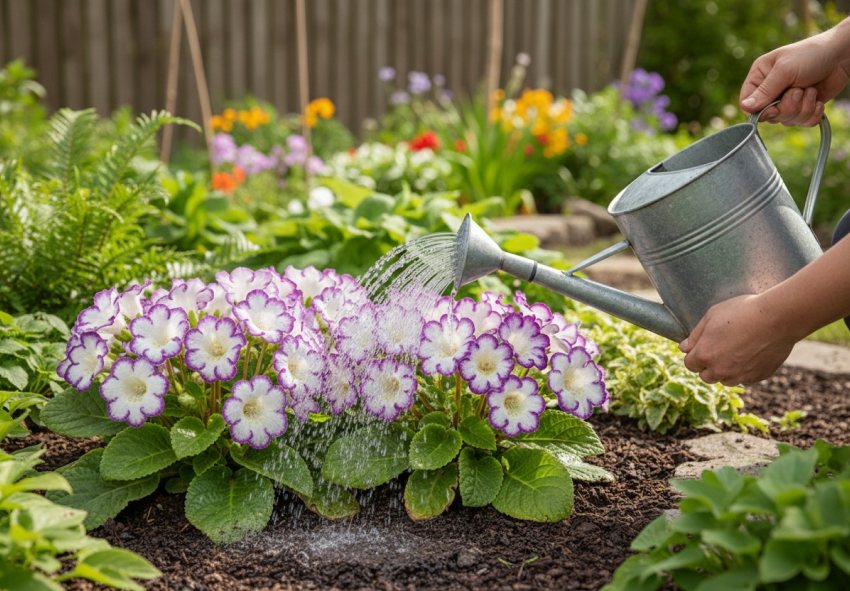
Even careful gardeners may encounter early planting challenges. Most issues stem from moisture or temperature imbalances.
Why Tubers Fail to Sprout
Failure to sprout often results from cold conditions or overwatering. Check that temperatures remain warm and soil is not soggy. Healthy tubers typically show growth within several weeks.
Mold or Rot After Planting
Rot is usually caused by excessive moisture or poor drainage. Remove affected tubers immediately to prevent spread. Adjust soil mix and watering practices before replanting.
Weak or Leggy Early Growth
Leggy growth may indicate insufficient light or unstable temperatures. Once shoots appear, ensure bright indirect light and consistent warmth to promote compact development.
Conclusion
Planting gloxinia properly is the most important step in growing healthy, vibrant plants. By selecting firm tubers, preparing well-draining soil, and maintaining warm conditions, you create the ideal foundation for strong roots and abundant flowers.
With careful preparation and attention to detail, your gloxinia will reward you with dramatic, velvety blooms that transform indoor spaces into colorful displays!
Frequently Asked Questions (FAQs) about Planting Gloxinia
1. When is the best time to start planting gloxinia tubers?
The best time for planting gloxinia tubers is late winter to early spring. Starting indoors allows you to control temperature and humidity, which encourages faster sprouting. Warm soil and stable indoor conditions help tubers establish strong roots before the active blooming season begins.
2. How deep should I plant a gloxinia tuber?
Gloxinia tubers should be planted just below the soil surface, with the hollow side facing upward. Lightly cover them with potting mix rather than burying them deeply. Planting too deep can delay sprouting and increase the risk of rot, especially in heavy or poorly drained soil.
3. What type of soil is best for planting gloxinia?
Gloxinia grows best in light, well-draining potting soil rich in organic matter. A mix formulated for flowering houseplants or African violets works especially well. Good drainage is essential because soggy soil can quickly lead to tuber rot and failed growth.
4. Why hasn’t my gloxinia tuber sprouted yet?
Delayed sprouting is often caused by low temperatures or excessive moisture. Gloxinia requires warm soil, ideally between 65–75°F (18–24°C). If the soil stays too wet, the tuber may rot instead of sprouting. Check drainage and maintain consistent warmth for better results.
5. Can I order gloxinia tubers in your online store?
Yes, you can order high-quality gloxinia tubers directly from our online store Dutch-bulbs.com. We carefully select healthy, viable tubers to ensure strong growth and vibrant blooms. Each order includes planting guidance and care instructions to help you succeed from the very beginning.
Published: 06.03.2026