



Asparagus is one of the most popular spring vegetables thanks to its fresh flavor, tender texture, and versatility in the kitchen. It can be roasted, grilled, steamed, sautéed, or even added to salads and pasta dishes. Whether served as a side dish or part of a main course, asparagus adds color and nutrition to meals.
In addition to its delicious taste, asparagus is packed with vitamins, antioxidants, and fiber. It is low in calories and fits perfectly into healthy eating plans. In this article, you’ll learn how to choose fresh asparagus, prepare it properly, explore the best cooking methods, and discover easy recipe ideas for every occasion. Our gardening blog is a perfect place to find all the information you need!
How to Choose Fresh Asparagus
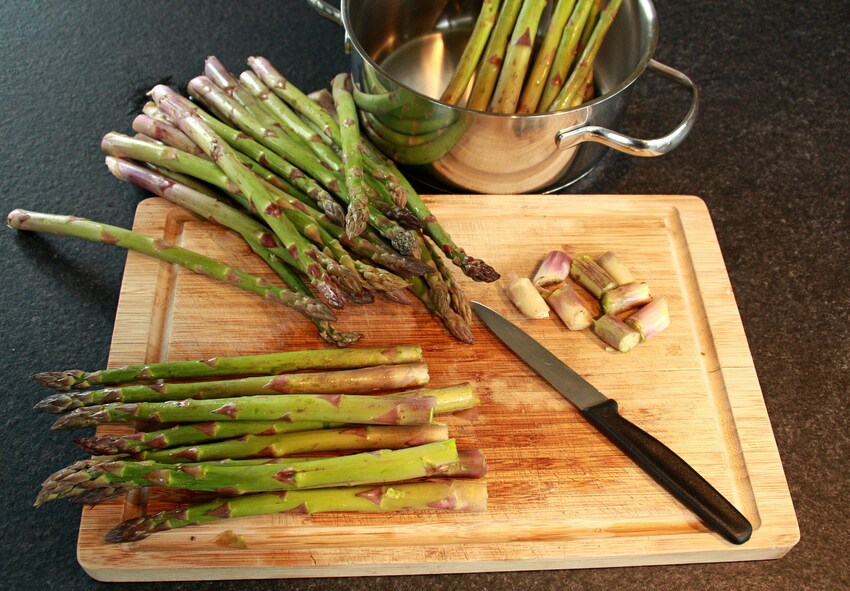
Choosing fresh asparagus is the first step to creating flavorful and tender dishes. Fresh asparagus has a crisp texture and vibrant color that enhances both taste and appearance. Selecting high-quality spears also helps improve cooking results.
Understanding how to grow asparagus or what to look for when shopping makes it easier to pick the best plants for roasting, grilling, steaming, and other recipes:
- What Fresh Asparagus Looks Like — Fresh asparagus should have firm stalks and tightly closed tips. The spears should appear bright green with no signs of wilting or dryness. Avoid asparagus with soft stems or mushy ends, as this usually indicates age and poor quality.
- Thin vs Thick Asparagus Spears — Thin asparagus spears cook quickly and are ideal for sautéing or salads. They usually have a more delicate texture and flavor. Thick asparagus spears are meatier and work well for roasting and grilling. They may require peeling near the base for better tenderness.
- How to Store Asparagus Properly — Fresh asparagus should be stored in the refrigerator to maintain its crisp texture. Placing the stems upright in a container with a small amount of water helps keep them fresh longer. Covering the tops loosely with a plastic bag also helps prevent moisture loss.
- When Asparagus Is in Season — Asparagus is typically in season during spring, when it is freshest and most flavorful. Seasonal asparagus often has a sweeter taste and better texture. Buying asparagus during peak season also supports local growers and provides the best quality produce.
Preparing Asparagus Before Cooking
Proper preparation is essential for cooking asparagus successfully. Cleaning and trimming the spears correctly improves texture and helps the vegetable cook evenly. Preparing asparagus also enhances its natural flavor.
How to Wash Asparagus
Rinse asparagus under cool running water to remove dirt and sand. Gently rub the tips and stalks with your hands while washing. Dry the spears with a clean towel before cooking to help them roast or grill properly.
Trimming Woody Ends
The lower ends of asparagus stalks are often tough and fibrous. Trim or snap off the woody ends before cooking. Removing these tough sections improves texture and makes asparagus easier to eat.
Peeling Thick Asparagus Spears
Thicker asparagus stalks sometimes have a tougher outer layer near the base. Using a vegetable peeler helps remove this fibrous skin. Peeling thick spears creates a more tender and even cooking result.
Common Preparation Mistakes
One common mistake is over-trimming the asparagus and wasting edible portions. Another is failing to dry the spears properly before roasting or grilling. Skipping preparation steps can affect texture, flavor, and overall cooking quality.
Best Methods for Cooking Asparagus
Asparagus can be prepared in several delicious ways depending on your taste preferences and available cooking equipment. Different cooking methods create unique textures and flavors, from crispy roasted spears to tender steamed asparagus.
Learning multiple cooking techniques allows you to enjoy asparagus in a variety of meals throughout the year.
Roasting Asparagus in the Oven
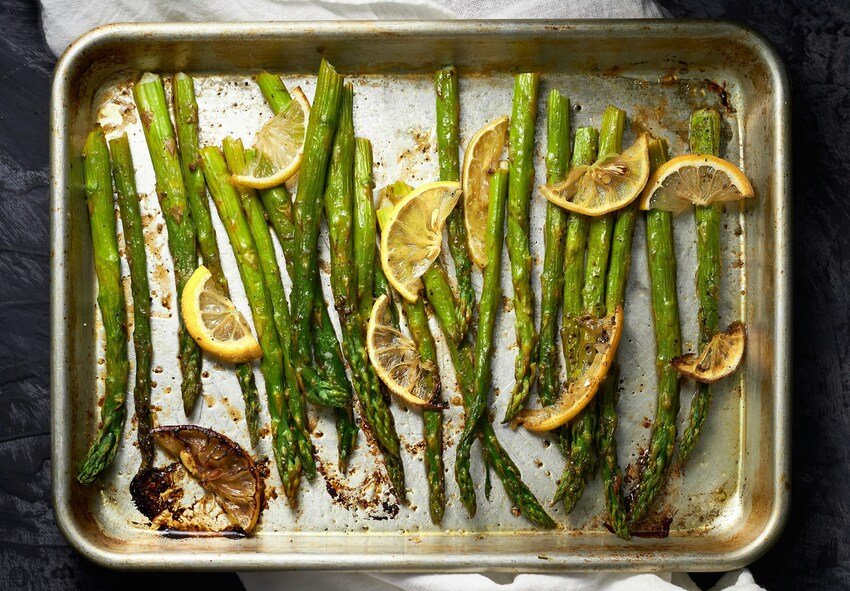
Roasting asparagus brings out its natural sweetness and creates slightly crispy edges. Toss the spears with olive oil, salt, and pepper before baking. Roasted asparagus pairs perfectly with garlic, lemon, and parmesan cheese.
Grilling Asparagus
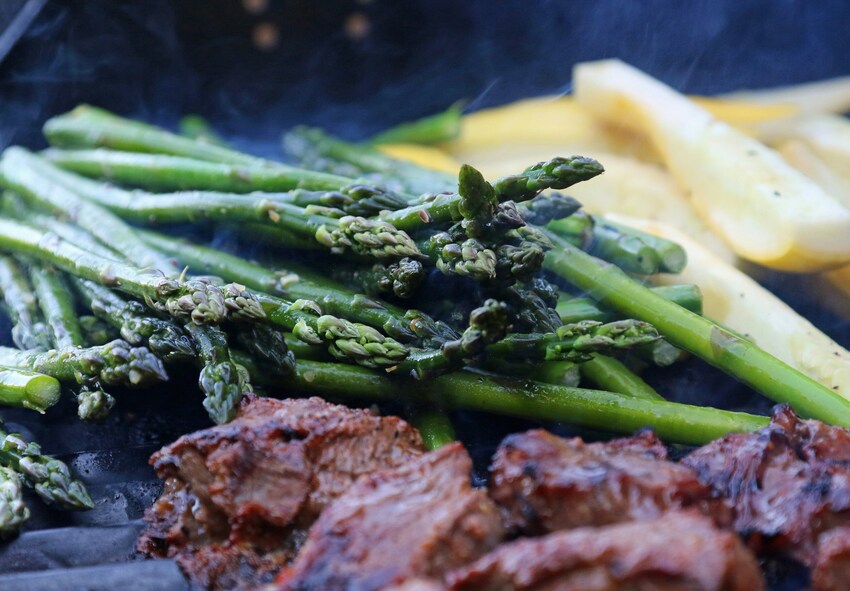
Grilling gives asparagus a smoky flavor and attractive char marks. This method works especially well for thicker spears. Lightly oil the asparagus before grilling to prevent sticking and enhance flavor.
Steaming Asparagus
Steaming keeps asparagus tender while preserving nutrients and vibrant color. It is one of the healthiest ways to cook this vegetable. Steamed asparagus works well as a simple side dish with butter or herbs.
Boiling Asparagus
Boiling asparagus is quick and easy, especially for soups or cold salads. However, overboiling can make the spears soft and mushy. Cooking asparagus briefly in salted water helps maintain texture and flavor.
Sautéing Asparagus
Sautéing asparagus in a skillet creates a flavorful and slightly crisp texture. This method is perfect for quick weeknight meals. Garlic, butter, and olive oil pair beautifully with sautéed asparagus.
Air Fryer Asparagus
Air fryer asparagus cooks quickly and develops crispy edges without using much oil. This modern cooking method is convenient and easy. Air-fried asparagus makes a healthy snack or side dish with minimal preparation.
Best Seasonings and Flavors for Asparagus
Asparagus has a mild and slightly earthy flavor that pairs well with many seasonings and ingredients. Simple flavor combinations can enhance its natural taste without overpowering it. Herbs, citrus, cheese, and spices all work beautifully with asparagus dishes.
Experimenting with different seasonings allows you to create unique recipes for every season and occasion:
- Garlic and Butter: Garlic and butter are classic flavor partners for asparagus. The richness of butter balances the fresh taste of the vegetable perfectly. Sautéed garlic asparagus is simple, comforting, and packed with flavor.
- Lemon and Parmesan: Lemon adds brightness and freshness to asparagus dishes, while parmesan cheese provides a salty and savory finish. This combination works especially well with roasted or grilled asparagus.
- Olive Oil and Herbs: Olive oil enhances asparagus texture and helps seasonings stick during cooking. Fresh herbs such as thyme, parsley, and rosemary add extra aroma and flavor. This light and healthy combination is ideal for Mediterranean-style meals.
- Spicy Asparagus Variations: For a bolder flavor, asparagus can be seasoned with chili flakes, paprika, or cayenne pepper. Spicy variations add warmth and excitement to simple dishes. Combining heat with garlic or lemon creates balanced and flavorful recipes.
Easy Asparagus Recipe Ideas
Asparagus is an incredibly versatile ingredient that works in appetizers, side dishes, and main meals. Its fresh flavor pairs well with pasta, eggs, meats, and salads. Simple asparagus recipes can transform everyday meals into something more special. Trying different asparagus dishes is a great way to enjoy this healthy vegetable throughout the season.
Roasted Garlic Asparagus
Roasted garlic asparagus is one of the easiest and most flavorful recipes. Roasting creates crispy edges while garlic adds rich savory flavor. A sprinkle of parmesan cheese can make this dish even more delicious.
Grilled Lemon Asparagus
Grilled asparagus with lemon is fresh, smoky, and perfect for outdoor meals. The lemon juice brightens the flavor and complements the charred texture. This recipe pairs well with grilled chicken, fish, or steak.
Creamy Asparagus Pasta
Asparagus adds freshness and texture to creamy pasta dishes. Combining asparagus with cream sauce, parmesan, and herbs creates a comforting meal. This recipe works well for both lunch and dinner.
Asparagus Salad
Fresh asparagus can be used in salads with greens, tomatoes, nuts, and light vinaigrettes. Blanched asparagus adds crunch and color to healthy salads. This dish is especially refreshing during spring and summer.
Asparagus with Eggs
Asparagus pairs beautifully with eggs in breakfasts and brunch dishes. It can be added to omelets, quiches, or served alongside poached eggs. The combination is nutritious, filling, and easy to prepare.
Bacon-Wrapped Asparagus
Bacon-wrapped asparagus combines crispy bacon with tender asparagus spears for a flavorful appetizer or side dish. The smoky bacon enhances the vegetable’s natural sweetness. This recipe is popular for parties, holidays, and special dinners.
Cooking Asparagus for Special Diets
Asparagus is a versatile vegetable that fits into many healthy eating plans. Its low calorie content, high nutrient value, and natural flavor make it suitable for a wide range of diets. Whether you follow a keto, vegan, gluten-free, or meal-prep lifestyle, asparagus can easily become part of your routine.
Another advantage of asparagus is how easy it is to adapt recipes to different dietary needs. With simple ingredients and cooking methods, you can create healthy and satisfying meals for any occasion.
Low-Carb and Keto-Friendly Ideas
Asparagus is naturally low in carbohydrates, making it perfect for keto and low-carb diets. It pairs well with butter, cheese, bacon, eggs, and grilled meats. Roasted asparagus with parmesan or bacon-wrapped asparagus are especially popular keto-friendly dishes.
Vegan Asparagus Recipes
Vegan asparagus recipes often use olive oil, garlic, lemon, and herbs for flavor. Asparagus works beautifully in grain bowls, salads, pasta dishes, and stir-fries. Its fresh taste and tender texture make it an excellent plant-based ingredient.
Gluten-Free Cooking Tips
Asparagus is naturally gluten-free and safe for people with gluten sensitivities. Most simple asparagus recipes require only fresh ingredients and seasonings. When preparing sauces or breaded asparagus dishes, always check ingredient labels to ensure they are gluten-free.
Healthy Meal Prep Ideas
Asparagus is ideal for meal prep because it cooks quickly and stores well in the refrigerator. Roasted or steamed asparagus can be added to lunch bowls, pasta, salads, and protein dishes throughout the week. Preparing asparagus in advance saves time while supporting healthy eating habits.
Benefits of Eating Asparagus
In addition to being delicious, asparagus offers many important health benefits. It is packed with nutrients that support overall wellness and fits easily into balanced diets. Including asparagus regularly in meals can contribute to better health and increased energy:
- Rich in Vitamins and Antioxidants: Asparagus contains important vitamins such as vitamin A, vitamin C, vitamin K, and folate. These nutrients help support immunity, skin health, and overall body function. It is also rich in antioxidants, which help protect cells from damage caused by free radicals.
- Supports Digestive Health: The fiber in asparagus supports healthy digestion and helps maintain regular bowel movements. Fiber also contributes to better gut health and may support healthy cholesterol levels. Asparagus contains prebiotics that help feed beneficial bacteria in the digestive system.
- Low-Calorie and Nutrient-Dense: Asparagus is low in calories while still providing valuable nutrients. This makes it an excellent choice for people looking to maintain a healthy weight. Its high nutrient density allows you to enjoy satisfying meals without excessive calories.
- Great for Healthy Lifestyles: Because asparagus is versatile and nutritious, it fits into many healthy eating plans. It can be grilled, roasted, steamed, or added to salads and pasta dishes. Including asparagus in your meals is an easy way to add more vegetables and nutrients to your diet.
Conclusion
Cooking asparagus is simple, delicious, and full of possibilities. From roasting and grilling to steaming and sautéing, there are many ways to prepare this healthy spring vegetable. Its fresh flavor, versatility, and nutritional benefits make asparagus a valuable addition to everyday meals.
Whether you enjoy asparagus in salads, pasta dishes, side dishes, or healthy meal prep recipes, experimenting with different cooking methods can help you discover new favorite flavors. Visit our online store to explore fresh asparagus and seasonal vegetables that will inspire your next homemade meal!
Frequently Asked Questions (FAQs) about Cooking Asparagus
1. What is the healthiest way to cook asparagus?
Steaming and roasting are considered some of the healthiest ways to cook asparagus because they preserve nutrients while enhancing flavor. Steaming keeps the vegetable tender and vibrant, while roasting adds natural sweetness with minimal oil. Avoid overcooking asparagus, as excessive heat can reduce vitamins and negatively affect texture and taste.
2. Can I buy fresh asparagus from your online store?
Yes, you can buy asparagus plants directly from our online store Dutch-bulbs.com. We offer high-quality, carefully selected asparagus that is perfect for roasting, grilling, steaming, and healthy recipes. Our fresh seasonal vegetables are packed with flavor and delivered with care to ensure excellent freshness and quality.
3. Should asparagus be soaked before cooking?
Asparagus does not usually need soaking, but it should be rinsed thoroughly under cool water to remove dirt and sand. If the asparagus is especially thick or freshly harvested, soaking for a few minutes can help loosen debris around the tips. Always dry the spears before roasting or grilling for better texture.
4. Can you eat asparagus raw?
Yes, asparagus can be eaten raw and is often used in fresh salads or vegetable platters. Thinly sliced raw asparagus has a crisp texture and mild flavor that pairs well with lemon, olive oil, and parmesan cheese. Raw asparagus also retains its nutrients and provides a refreshing addition to healthy meals.
5. How do you keep asparagus crispy when cooking?
To keep asparagus crispy, avoid overcooking and use high-heat cooking methods such as roasting, grilling, or air frying. Dry the spears before cooking and avoid overcrowding the pan, which can create steam. Cooking asparagus just until tender-crisp helps maintain its bright color, texture, and fresh flavor.
Published: 08.07.2026