



Dahlias are among the most loved garden flowers thanks to their bright colors, diverse shapes, and long flowering season. They are suitable for flower beds, borders, and even container gardening, making them a versatile choice for both beginners and experienced gardeners. However, despite their popularity, dahlias can sometimes present growing challenges.
This guide is designed for gardeners who want to understand why their dahlias may not be thriving. Whether you are dealing with poor flowering, weak growth, or visible plant damage, identifying the root cause is the first step toward solving the problem. Early diagnosis can save your plants and improve their overall performance. Our gardening blog is a perfect place to find all the information you need!
Watering and Feeding Mistakes
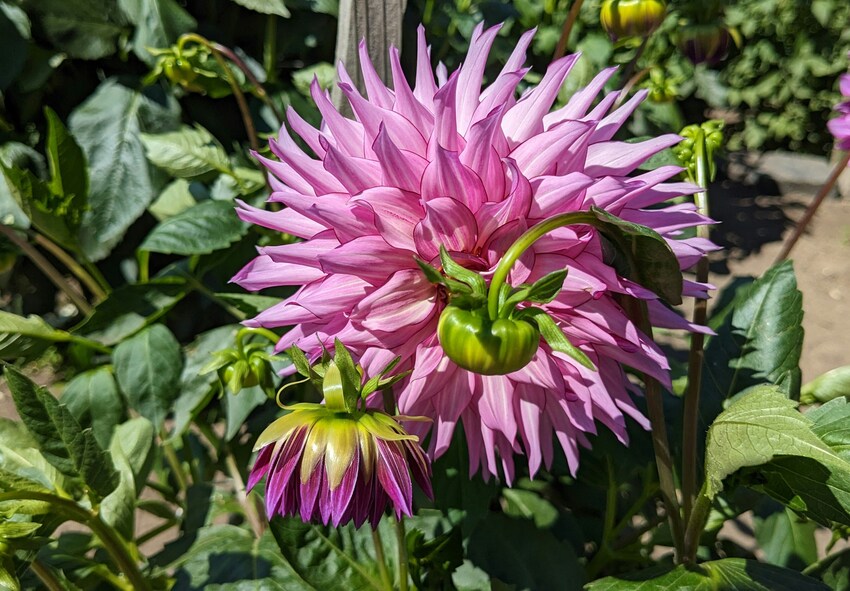
Proper watering and fertilization are essential for growing healthy dahlias. Both overwatering and underwatering can cause serious problems. Balanced feeding is also necessary to support flowering and plant development. Many common issues arise from inconsistent care routines. Understanding how much water and nutrients dahlias need helps prevent stress and encourages strong growth.
Overwatering and Root Rot Problems
Overwatering is one of the most frequent mistakes when growing dahlias. Excess moisture can cause roots and tubers to rot, leading to wilting and plant decline. Symptoms often include yellowing leaves and soft stems. To prevent this, ensure the soil drains well and avoid watering too frequently. Allow the top layer of soil to dry slightly between watering sessions.
Underwatering and Plant Stress
Lack of water can also harm dahlias, especially during hot weather. Plants may appear wilted, and flower buds may fail to develop properly. Prolonged dryness reduces flowering and weakens the plant. Regular watering during dry periods helps maintain consistent growth. Deep watering is more effective than frequent shallow watering.
Improper Fertilization and Nutrient Deficiencies
Using too much fertilizer, especially nitrogen-rich formulas, can lead to excessive leaf growth with fewer flowers. On the other hand, nutrient deficiencies can result in weak plants and poor blooming. Balanced fertilizers with moderate nutrient levels are ideal. Feeding plants during the growing season supports healthy development without overstimulation.
Common Dahlia Diseases and How to Identify Them
Diseases can significantly affect the appearance and health of dahlias. Early detection is key to preventing the spread of infections. Many diseases are caused by poor growing conditions or excessive moisture. Regular inspection of plants helps identify problems before they become severe. Healthy growing practices reduce the risk of disease development.
Fungal Diseases and Leaf Spots
Fungal infections often appear as spots or discoloration on leaves. These diseases thrive in humid conditions and poor air circulation. Affected leaves may eventually wilt and fall off. Removing damaged foliage and improving airflow helps control fungal problems. Avoid watering leaves directly to reduce moisture buildup.
Powdery Mildew on Dahlias
Powdery mildew appears as a white, powder-like coating on leaves and stems. It can weaken the plant and reduce its ability to photosynthesize effectively. This disease often develops in dry conditions with poor air movement. Treating it early with proper care helps prevent further spread.
Viral Infections and Growth Deformities
Viral diseases can cause distorted leaves, unusual color patterns, and stunted growth. Unlike fungal diseases, viruses cannot be treated directly. Infected plants should be removed to prevent spreading. Using clean tools and healthy planting material reduces the risk of infection.
Pests That Damage Dahlias
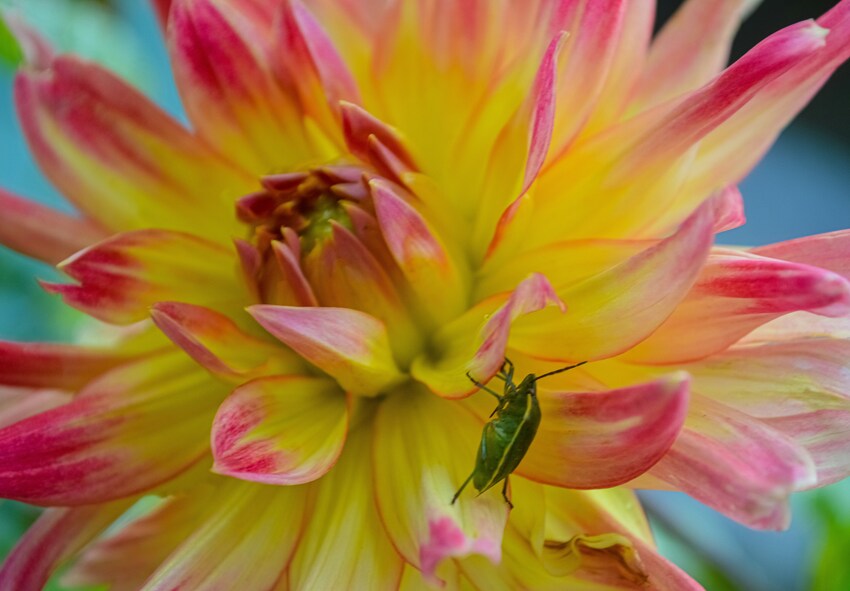
Pests are another common issue for dahlia growers. Insects and small animals can damage leaves, stems, and flowers. Identifying pests early helps protect plants from serious harm. Regular monitoring is essential for keeping dahlia pests and diseases under control. Healthy plants are generally more resistant to infestations.
Aphids and Their Impact on Growth
Aphids are small insects that feed on plant sap. They often gather on young shoots and flower buds, causing distortion and weakened growth. Washing them off with water or using natural treatments can help control their population. Early action prevents severe infestations.
Slugs, Snails, and Leaf Damage
Slugs and snails are common pests that feed on tender leaves and stems. They can cause visible holes and damage overnight. Removing them manually or using barriers helps protect plants. Keeping the garden clean reduces their habitat.
Spider Mites and Dry Conditions
Spider mites are tiny pests that thrive in dry conditions. They cause yellowing leaves and fine webbing on plants. Increasing humidity and regularly checking plants can help control these pests. Healthy growing conditions reduce their impact.
Problems with Dahlia Flowering
Flowering issues are among the most frustrating problems for gardeners. Dahlias may produce few or no flowers despite healthy-looking foliage. Understanding the causes helps restore proper blooming. Several factors influence flower production, including light, nutrition, and plant care. Addressing these issues ensures better flowering performance.
Why Dahlias Are Not Blooming
Lack of sunlight is one of the main reasons dahlias fail to bloom. Plants need sufficient light to produce flowers. Excess nitrogen fertilizer can also reduce flowering. Adjusting care conditions often solves the problem.
Bud Drop and Weak Flower Development
Bud drop occurs when developing flowers fall off before blooming. This can result from stress, irregular watering, or sudden temperature changes. Maintaining consistent care helps prevent this issue. Stable conditions support proper flower development.
Excessive Foliage but Few Flowers
Too much leaf growth with few flowers usually indicates overfeeding with nitrogen. The plant focuses on foliage instead of blooms. Switching to a balanced fertilizer encourages flowering. Proper care restores plant balance.
Preventing and Solving Dahlia Problems
Preventive care is the best way to avoid common dahlia issues. Healthy growing conditions reduce the likelihood of problems and promote strong plant development. Regular maintenance keeps plants in optimal condition.
Proper Planting and Site Selection
Choosing the right location is essential for healthy dahlias. Sunny, well-drained areas provide ideal growing conditions. Good planting practices support strong root development and stable growth.
Regular Maintenance and Monitoring
Frequent inspection helps detect problems early. Removing damaged leaves and monitoring plant health prevents issues from spreading. Consistent care ensures plants remain healthy throughout the season.
Simple Tips for Healthy Dahlia Growth
Providing balanced watering, proper feeding, and adequate sunlight supports strong growth. Small adjustments can greatly improve plant performance. Healthy habits lead to vibrant blooms and long-lasting flowers.
Environmental Factors Affecting Dahlia Growth
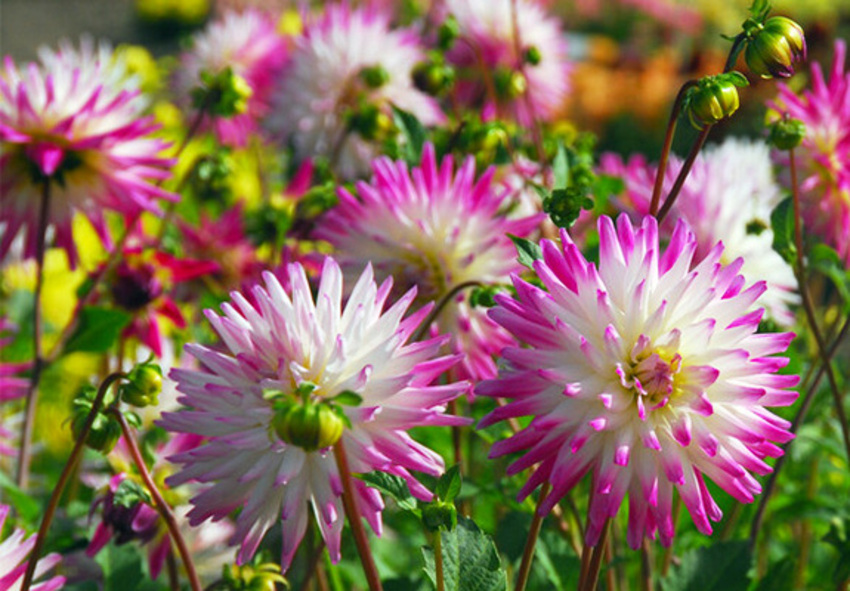
Environmental conditions play a major role in the health and development of dahlias. Even well-cared-for plants can struggle if the surrounding conditions are not suitable. Understanding these factors helps prevent many common problems before they appear. Dahlias are sensitive to light, soil quality, and temperature changes. Small adjustments in these areas can significantly improve plant performance:
- Insufficient Sunlight and Its Effects: Dahlias require full sun to grow and bloom properly. If they receive less than six hours of sunlight daily, they may develop weak stems and produce fewer flowers. Insufficient light often results in stretched, pale growth To solve this issue, plant dahlias in open, sunny locations. Avoid areas shaded by trees or buildings. Proper sunlight exposure is essential for strong flowering.
- Poor Soil Conditions and Drainage Issues: Soil quality directly affects root health and nutrient uptake. Heavy or poorly drained soil can lead to waterlogging and root rot. On the other hand, overly sandy soil may not retain enough moisture. Improving soil with compost or organic matter helps create a balanced growing medium. Well-drained, fertile soil supports healthy root development and overall plant growth.
- Temperature Stress and Weather Conditions: Dahlias prefer warm, stable temperatures. Sudden cold spells or extreme heat can stress the plants and slow their growth. Frost, in particular, can damage young shoots and tubers. Protecting plants during unexpected weather changes is important. Using mulch or temporary covers can help stabilize soil temperature and protect sensitive growth.
Conclusion: Keeping Dahlias Healthy and Blooming
Growing dahlias successfully requires attention to detail and an understanding of common challenges. By identifying problems early and applying simple solutions, gardeners can maintain healthy plants.
Proper care, including correct watering, feeding, and environmental conditions, ensures strong growth and abundant blooms. Dahlias reward consistent care with stunning flowers that enhance any garden. With patience and regular monitoring, you can overcome common growing problems and enjoy beautiful dahlias throughout the season.
Frequently Asked Questions (FAQs) about Dahlia Growing Problems
1. Why are my dahlias not blooming even though the plant looks healthy?
Dahlias may fail to bloom due to insufficient sunlight, excess nitrogen fertilizer, or overcrowding. Even if the foliage looks strong, a lack of at least six hours of direct sunlight can prevent flower formation. Adjusting light exposure and using balanced fertilizer often helps restore proper blooming and encourages healthy flower development.
2. How can I tell if my dahlias are overwatered?
Overwatered dahlias often show yellowing leaves, soft stems, and slow growth. The soil may remain constantly wet, which can lead to root or tuber rot. To fix this, improve drainage and reduce watering frequency. Allowing the topsoil to dry slightly between watering helps maintain a healthy balance for the plant.
3. Can I order dahlia tubers from your online store?
Yes, you can order high-quality dahlia tubers directly from our online store Dutch-bulbs.com. We offer a wide selection of varieties known for strong growth, vibrant colors, and reliable flowering. Our carefully chosen plants are suitable for garden beds, borders, and containers, helping you create beautiful seasonal displays with ease.
4. What are the most common pests that affect dahlias?
Dahlias are commonly affected by aphids, slugs, snails, and spider mites. Aphids feed on plant sap, while slugs and snails damage leaves. Spider mites thrive in dry conditions and cause leaf discoloration. Regular inspection and early treatment help control pests and prevent serious damage to the plants.
5. How do I prevent diseases in my dahlia plants?
Preventing diseases starts with proper care and good garden hygiene. Ensure adequate spacing for airflow, avoid overwatering, and remove damaged leaves promptly. Using clean tools and planting healthy tubers also reduces the risk of infections. Maintaining balanced growing conditions helps keep dahlias strong and disease-resistant.
Published: 03.04.2026