



Roses are among the most beloved garden plants, but they require consistent care throughout the year to perform their best. Year-round rose care ensures stronger plants, more blooms, and better resistance to stress caused by weather changes. This guide explains how to care for roses in every season, helping gardeners enjoy healthy growth and beautiful flowers from spring through winter. Our gardening blog is a perfect place to find all the information you need!
Introduction to Year-Round Rose Care
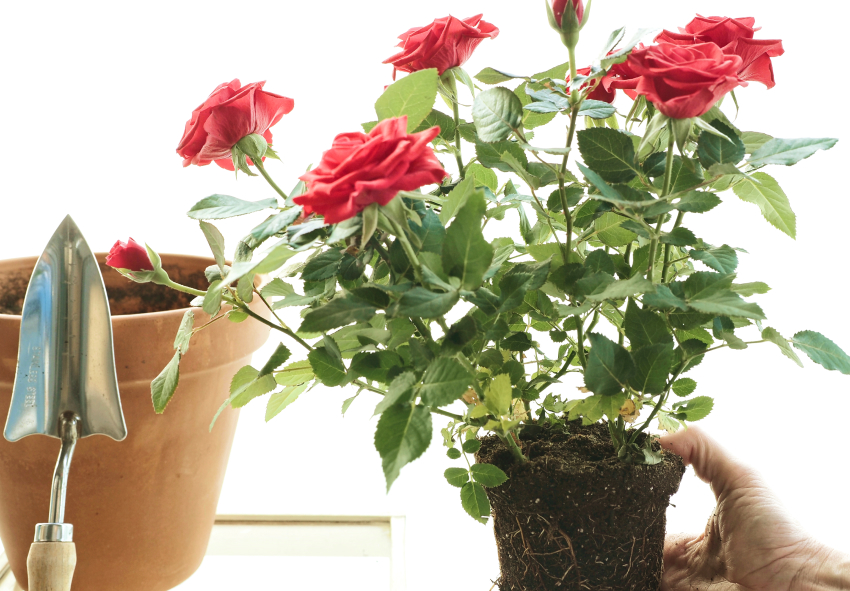
Roses are not “plant-and-forget” flowers; they thrive when given attention throughout the year. Each season plays a unique role in rose care, from encouraging new growth to preparing plants for dormancy. Understanding seasonal needs allows gardeners to support roses at every stage of their life cycle.
Why Roses Need Seasonal Care
Roses respond differently to temperature, daylight, and moisture changes. Seasonal care helps balance growth, flowering, and rest periods. Without proper timing, roses may bloom poorly or become stressed.
Benefits of a Year-Round Rose Care Plan
A consistent care plan leads to stronger stems, healthier leaves, and longer blooming periods. It also reduces the risk of disease and nutrient deficiencies. Gardeners who follow a yearly routine enjoy more predictable results.
Common Mistakes in Rose Maintenance
Overwatering, improper pruning, and excessive fertilizing are common errors. These mistakes can weaken plants and reduce flowering. Learning how to care for roses correctly helps avoid these issues.
Understanding Different Types of Roses
Not all roses grow or respond to care in the same way. Knowing your rose type helps you apply the right pruning, feeding, and seasonal techniques.
- Hybrid Tea, Floribunda, and Grandiflora Roses
Hybrid tea roses are known for large, elegant blooms and need regular pruning. Floribunda roses produce clusters of flowers and are generally easier to maintain. Grandiflora roses combine traits of both and benefit from balanced rose care.
- Climbing and Rambling Roses
Climbing roses grow long canes and need structural support. Rambling roses bloom heavily once a year and require lighter pruning. Both types benefit from careful training and spacing.
- Shrub, Groundcover, and Miniature Roses
Shrub roses are hardy and low-maintenance, making them ideal for beginners. Groundcover roses spread easily and require minimal pruning. Miniature roses need the same care as larger roses but on a smaller scale.
Spring Care for Roses
Spring is the most important season for rose care, as plants wake from dormancy and begin active growth. Proper spring maintenance sets the foundation for the entire growing season.
Removing Winter Protection
Remove mulch or coverings gradually as temperatures stabilize. Sudden exposure can damage new growth. This step helps roses adjust safely to warmer conditions.
Pruning Roses in Spring
Spring rose pruning removes dead or damaged wood and shapes the plant. Proper pruning improves air circulation and encourages strong new canes. Clean, sharp tools are essential.
Feeding and Fertilizing Roses After Dormancy
Fertilizing roses in early spring provides nutrients needed for growth. Use a balanced rose fertilizer or organic compost. Avoid overfeeding, which can cause excessive leaf growth.
Pest and Disease Prevention in Spring
Just like disease monitoring, pest control for roses helps prevent problems later in the season. Healthy plants are more resistant to pests. Preventive care supports vigorous growth.
Summer Care for Roses
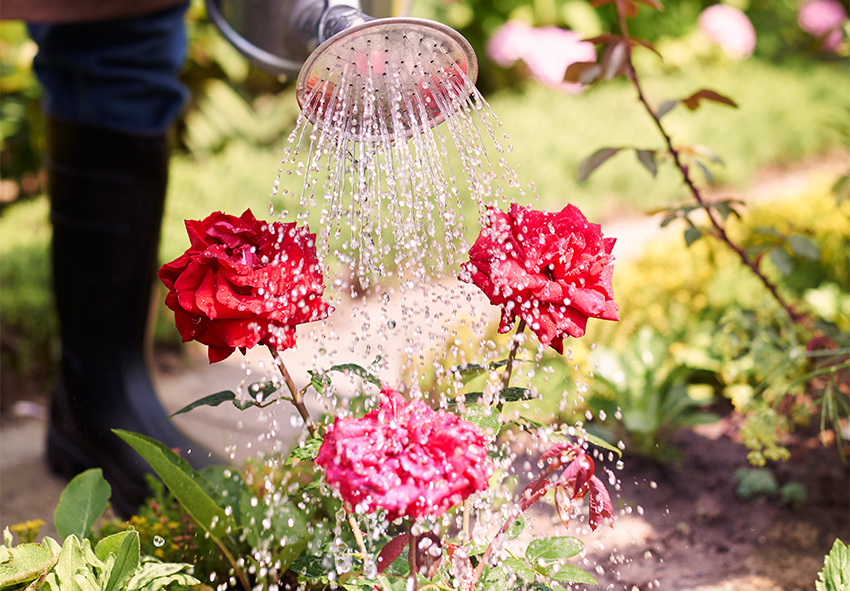
Summer focuses on maintaining blooms and managing heat stress. Consistent care during hot months keeps roses flowering longer.
Watering Roses During Hot Weather
Deep, infrequent watering encourages strong root systems. Water early in the morning to reduce evaporation. Avoid wetting leaves to prevent stress.
Mulching to Retain Moisture
Mulch helps conserve soil moisture and regulate temperature. Organic mulch also improves soil quality over time. A consistent mulch layer supports growing roses during heat.
Deadheading Spent Blooms
Removing faded flowers encourages repeat blooming. Deadheading also keeps plants looking neat. This simple task improves overall flower production.
Managing Pests and Fungal Diseases
Good air circulation and proper spacing reduce summer issues. Healthy rose care practices help minimize stress. Strong plants recover faster from damage.
Fall Care for Roses
Fall is a transitional season when roses prepare for dormancy. Gentle care helps plants store energy for the next year:
- Preparing Roses for Dormancy: Reduce watering as temperatures drop. Allow plants to slow naturally. This prepares roses for winter rest.
- Fall Pruning Guidelines: Light pruning removes damaged stems but avoids stimulating new growth. Heavy pruning should wait until spring. Proper timing protects plants from frost damage.
- Reducing Fertilizer and Watering: Stop fertilizing roses in early fall. Continued feeding can interfere with dormancy. Reduced watering helps harden plants for winter.
- Cleaning Up Fallen Leaves and Debris: Removing debris prevents overwintering pests. Clean garden beds promote healthier spring growth. This step supports long-term rose care.
Winter Care and Protection for Roses
Winter care protects roses from cold stress and harsh conditions. The level of protection depends on climate.
Cold Climate Protection Methods
Mulching around the base insulates roots. In colder areas, additional coverings may be needed. Protection prevents freeze damage.
Caring for Roses in Mild Winters
In mild climates, roses need minimal protection. Occasional watering may be necessary during dry spells. Monitoring plants prevents stress.
Preventing Winter Damage and Frost Injury
Avoid pruning during winter freezes. Sudden temperature changes can harm exposed canes. Protective measures help roses survive until spring.
Pruning Roses Throughout the Year
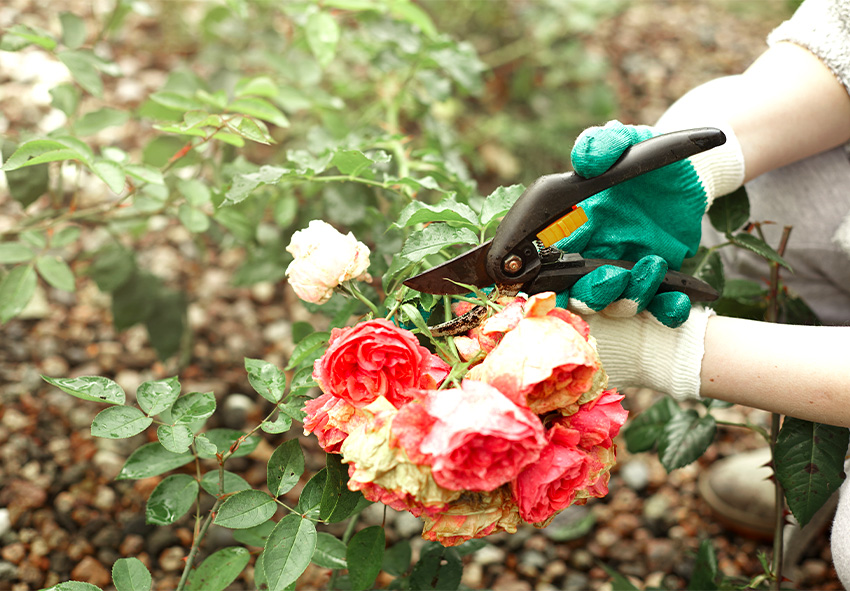
Rose pruning is essential for shape, health, and flowering. Timing and technique matter. Each rose type responds differently to pruning. Spring pruning is most important for flowering roses. Knowing your plant type ensures correct cuts.
Sharp pruners reduce plant damage. Clean tools prevent disease spread. Quality tools make rose pruning safer and easier. Moreover, over-pruning can weaken plants. Incorrect cuts reduce blooms. Learning proper technique improves long-term results.
Soil, Fertilizer, and Nutrition for Healthy Roses
Healthy soil is the foundation of successful rose care. Proper nutrition supports flowering and disease resistance. Roses prefer rich, well-draining soil. Loamy soil with organic matter promotes root health. Good drainage prevents root rot.
Balanced fertilizers support steady growth. Slow-release options provide consistent nutrition. Choose formulas designed for roses. Organic fertilizers improve soil health over time. Synthetic fertilizers act quickly but require careful use. Both can support healthy roses when used correctly.
Conclusion
Year-round care for roses ensures strong plants and beautiful blooms in every season. By understanding seasonal needs, soil health, pruning, and fertilizing roses correctly, gardeners can enjoy long-lasting success. With consistent attention, growing roses becomes a rewarding and enjoyable experience year after year!
Frequently Asked Questions (FAQs) about Seasonal Care for Roses
1. How often should I water roses throughout the year?
Roses need different watering schedules depending on the season. During spring and summer, deep watering once or twice a week supports healthy growth. In cooler fall weather, watering should be reduced. In winter, roses usually require little to no watering unless conditions are unusually dry.
2. When is the best time to prune roses?
The best time for rose pruning is early spring, just as new growth begins. This encourages strong stems and better flowering. Light pruning can also be done in summer to remove spent blooms, while heavy pruning should be avoided in fall and winter to prevent frost damage.
3. What fertilizer is best for healthy rose growth?
A balanced fertilizer designed for roses works best for consistent growth and flowering. Fertilizing roses in early spring and again during the growing season provides essential nutrients. Organic options such as compost improve soil quality, while slow-release fertilizers offer long-term nourishment.
4. Can roses survive winter without protection?
In mild climates, many roses can survive winter with minimal care. However, in colder regions, winter protection such as mulching is essential. Covering the base of the plant helps insulate roots and prevents damage from freezing temperatures, ensuring healthy regrowth in spring.
5. Can I order roses from your online plant store?
Yes, you can order high-quality roses directly from our online store Dutch-bulbs.com. We offer a variety of rose types suitable for different climates and garden styles. Ordering online allows you to choose healthy plants, receive planting guidance, and have roses delivered ready for successful growing.
Published: 23.01.2026