



Winter watering can be tricky because plants grow more slowly, yet they still rely on moisture to survive freezing temperatures. Many gardeners assume their plants don’t need water in winter, but this is often not true — especially in dry, windy climates. Understanding how cold weather affects moisture levels helps you make the right decisions for winter garden watering. Our gardening blog is a perfect place to find all the information you need!
How Cold Weather Affects Soil Moisture
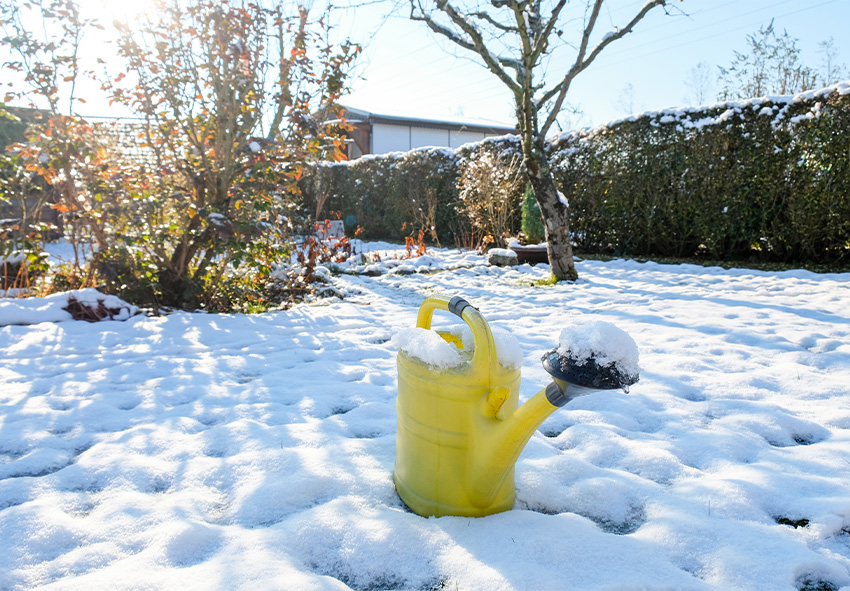
Cold temperatures reduce evaporation, but wind and frost can still pull moisture from the soil. Dry winter soil can contribute to root damage, especially in evergreens. Monitoring moisture levels becomes essential when rainfall is minimal.
Differences Between Dormant and Evergreen Plants
Dormant plants require less frequent watering, while evergreens continue to lose moisture through their leaves year-round. Knowing which plants stay active helps you shape your watering strategy. Evergreen shrubs, conifers, and winter crops often need supplemental watering in dry spells.
Signs Your Garden Needs Watering in Winter
Even though plants grow slowly in winter, they still rely on consistent moisture to stay healthy. Cold temperatures and dry winds can dehydrate soil faster than expected, especially during long dry spells. Understanding the signs of winter drought helps you prevent stress, root damage, and poor spring growth. Here are the key indicators your garden needs watering:
- Dry Soil Below the Surface: If the top layer looks wet but the soil 2–3 inches down feels dry, your plants need water.
- Wilting or Drooping Evergreen Foliage: Evergreens can wilt in winter when roots can’t access enough moisture to support the foliage.
- Browning or Yellowing Leaves on Shrubs: Discoloration, especially at the tips, often signals winter dehydration rather than cold damage.
- Lightweight or Shrunken Containers: Potted plants dry out faster in cold, windy weather; pots that feel unusually light need watering.
- Cracked or Pulling-Away Soil: When soil shrinks from the sides of beds or containers, it’s a sign of significant dryness.
- Slow Recovery After Warmer Days: Plants that remain limp even after temperatures rise may be suffering from moisture stress.
- Increased Needle Drop on Conifers: Excessive shedding beyond normal seasonal loss often points to root dryness.
Best Practices for Watering Plants in Winter
Winter plant care changes dramatically as temperatures drop, and watering plants in winter requires attention to timing and technique. Watering during the wrong weather conditions can damage roots or contribute to frost injury. Following best practices helps protect both hardy and tender plants through the coldest months.
Choosing the Right Time of Day
Morning is the best time to water, as it allows moisture to penetrate the soil before temperatures drop at night. This reduces the risk of water freezing around roots. Avoid watering if frost or ice is predicted within hours.
How Often to Water During Cold Months
Most gardens need water every 2–4 weeks depending on rainfall, soil type, and plant needs. Sandy soils dry out faster, requiring more frequent watering. Always adjust based on moisture depth rather than surface dryness.
Adjusting Watering for Rain, Snow, and Frost
Heavy rain or melting snow may provide enough natural moisture. However, snow alone is not always adequate because it melts slowly and can evaporate before soaking deep. Reduce watering during wet periods but supplement when winter is unusually dry.
Soil and Mulching Tips for Better Winter Water Retention
Healthy soil structure and proper mulching significantly improve winter moisture retention. Mulch creates insulation that slows water loss and protects roots from freezing. Managing soil conditions before winter ensures that your plants continue receiving steady hydration.
Improving Soil Drainage Before Winter
Well-draining soil prevents waterlogging, which can freeze and damage roots. Amend soil with compost or grit to boost aeration. Preparing soil early reduces winter stress and improves overall plant health.
How Mulch Helps Protect Roots from Freezing
A layer of mulch shields roots from extreme temperature swings. It also helps retain moisture, slowing evaporation. Reapply mulch as needed to maintain a 5–7 cm layer throughout the season.
Avoiding Overwatering in Heavy Clay Soil
Clay retains water longer, so winter overwatering can suffocate roots. Test moisture deeper in the soil before irrigating. Space watering sessions out more than in gardens with sandy soil.
Watering Different Types of Plants in Winter
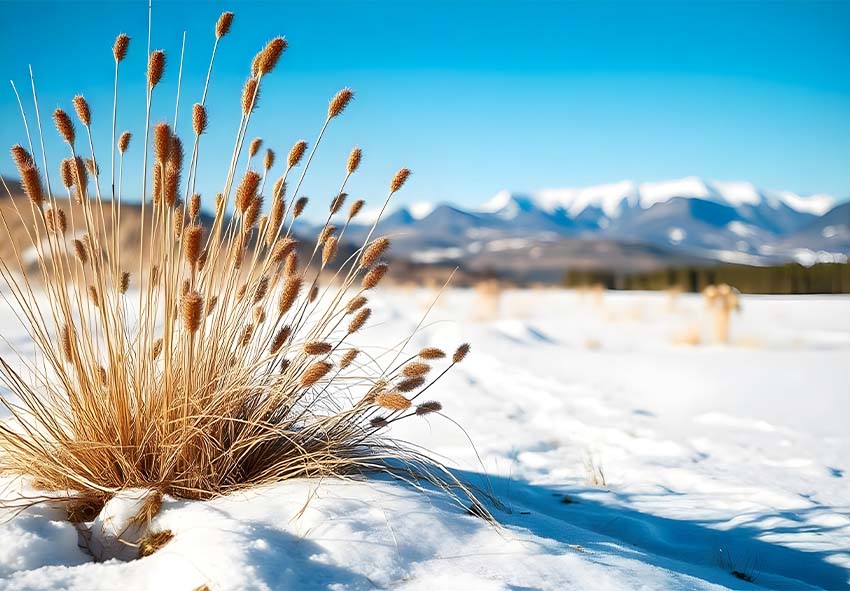
Not all plants behave the same way in winter, so their watering needs vary significantly. Some go dormant and require minimal care, while others remain active and dry out quickly. Matching watering to plant type helps maintain overall garden health through cold weather.
- Evergreen Shrubs and Trees: Evergreens transpire year-round and are prone to winter burn when soil is too dry. Water deeply before long freeze periods to help them withstand drying winds. Check moisture under mulch rather than at the soil surface.
- Winter Perennials: Many perennials rest in winter yet still benefit from occasional watering during drought conditions, and when winterizing perennials, monitoring soil moisture ensures they stay healthy and ready for vigorous spring growth.
- Groundcovers: Groundcovers, especially shallow-rooted types, need moisture to prevent winter dieback. Water them lightly during extended dry spells.
- Winter Vegetables and Cold-Hardy Crops: Crops like kale, spinach, and winter onions continue growing during cold months. Provide consistent moisture but avoid soggy conditions, which can promote rot. Check raised beds more often because they drain and dry faster.
Watering Indoor and Potted Outdoor Plants in Winter
Indoor and container-grown plants often need different winter watering schedules than those planted in the ground. Limited soil volume and lower levels of evaporation indoors can lead to overwatering if you’re not careful. Understanding these differences helps keep houseplants and container plants healthy through winter.
Watering Rules for Indoor Houseplants During Dormancy
Most houseplants need significantly less water in winter due to reduced light and slower growth. Allow the top half of the soil to dry before watering again. Avoid misting if your home is cold, as this can encourage rot.
Caring for Outdoor Containers in Cold Weather
Container plants dry faster than in-ground plants because soil volume is smaller. Water containers during warm daytime hours to allow moisture to absorb fully. Insulate pots to protect roots from freezing.
Preventing Root Rot in Potted Plants
Excess water can accumulate quickly in containers, especially if drainage holes are blocked. Use well-draining soil mixes and avoid saucers that collect water. Letting soil partly dry between waterings helps prevent rot.
Tools and Methods for Safe Winter Watering
Using the right tools ensures that winter irrigation is safe, efficient, and frost-proof. Many summer watering tools don’t perform well in cold temperatures. Winter-specific equipment helps prevent damage to both plants and tools.
Insulated Hoses and Frost-Proof Equipment
Frost-proof hoses, spigots, and attachments prevent freezing and cracking. Store hoses indoors when not in use. Use insulated covers on outdoor faucets to avoid ice buildup.
Using Watering Cans vs. Hose-End Watering
Watering cans offer more control and reduce splashing on leaves, which is important in freezing weather. Hose-end watering works best on warmer days. Choose the method that keeps water closest to the soil level.
Techniques for Watering Frozen or Partially Frozen Soil
Never force water onto fully frozen soil, as it will run off and freeze on top. Wait until temperatures rise slightly and soil begins to soften. Water slowly and deeply once thawed.
Common Mistakes to Avoid When Watering in Winter
Even well-intentioned gardeners make winter watering mistakes that harm plants. Overwatering, mistiming irrigation, or watering incorrectly during frost can all cause damage. Avoiding these pitfalls helps ensure strong plant survival through the coldest months:
- Watering Too Frequently: Frequent watering creates overly wet soil, which can freeze and damage roots. Wait until deeper soil layers dry before adding more water. Always check moisture manually.
- Splashing Water on Leaves During Frosty Weather: Water on leaves can freeze and cause tissue damage. Always water at the soil line. Wet foliage also increases the risk of fungal issues.
- Watering Right Before a Freeze Event: Cold snaps can freeze freshly watered soil, leading to root injury. Water at least 24–48 hours before predicted freeze periods. Planning ahead prevents cold-weather stress.
Preparing Your Garden for Winter Moisture Challenges
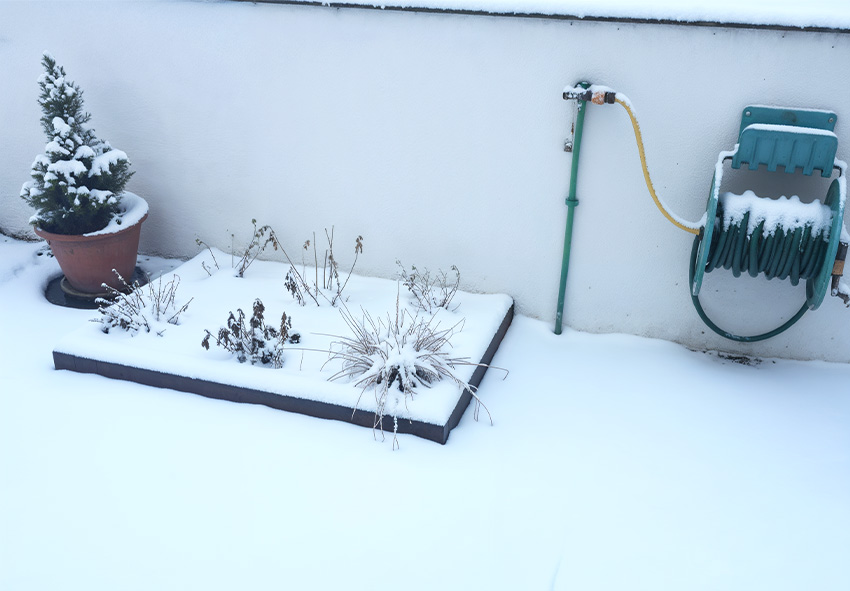
Proper preparation ensures your garden is ready for fluctuating moisture levels throughout winter. Seasonal adjustments to irrigation systems and soil care make a big difference. Monitoring conditions regularly helps avoid surprises.
Checking Irrigation Systems Before Cold Weather
Inspect hoses, drip lines, and outdoor faucets for leaks or cracks. Drain irrigation lines to prevent freezing. Switch to manual watering when automated systems become unreliable in winter.
Switching from Summer to Winter Watering Routines
Reduce watering frequency as temperatures drop. Tailor care to the needs of winter-hardy plants. Adjust routines for shorter days and slower evaporation.
Monitoring Soil Moisture Throughout the Season
Use a soil probe or moisture meter to check depths beyond the surface. Winter winds can dry out deeper soil faster than expected. Regular monitoring keeps plants consistently hydrated.
Conclusion
Winter watering may seem simple, but it plays a crucial role in protecting your plants during the coldest months. By monitoring soil moisture, watering at the right time of day, and adjusting your approach for containers, evergreens, and new plantings, you ensure healthier growth once spring arrives. Thoughtful winter hydration prevents stress, reduces frost damage, and sets your garden up for a vibrant, successful growing season. With just a few mindful habits, your winter garden can stay resilient, well-nourished, and ready to thrive!
Frequently Asked Questions (FAQs) about Winter Garden Watering
1. How often should I water my garden during winter?
Watering frequency in winter depends on soil type, recent rainfall, and plant variety, but generally, most gardens need watering only every 10–14 days. Always check soil moisture a few inches down — if it feels dry, it’s time to water. Overwatering is more harmful in cold months because saturated soil can cause root rot.
2. Should I water plants before a frost?
Yes — deep watering before an expected frost helps protect plants. Moist soil holds heat better than dry soil, insulating roots during cold nights. Water early in the day so leaves dry before temperatures drop. However, avoid soaking soil if it is already saturated, as excessive moisture combined with frost can damage roots.
3. What winter perennials can I find in your online store?
Our online store Dutch-bulbs.com offers a wide variety of winter perennials, including irises, crocuses and daffodils. We also carry unique and seasonal varieties to suit various garden styles and climates. Browse our selection for top-quality, healthy plants perfect for your garden.
4. What time of day is best for winter watering?
The best time to water in winter is late morning, when temperatures rise above freezing. This allows water to soak into the soil before nighttime frost. Avoid watering in the evening, as cold temperatures can freeze water on or around plants and increase the risk of winter injury.
5. How can I tell if my plants are underwatered or overwatered in winter?
Underwatered plants may have dry, brittle leaves or stems, while overwatered plants often show yellowing foliage, wilting, or mushy roots. The soil test is the most reliable method — dig down a few inches and feel for moisture. If the soil is dry, water; if it’s damp or wet, hold off.
Published: 16.12.2025