



Planting vegetables in late winter is one of the best ways to get ahead of the growing season. Even though temperatures are still chilly, many cool season crops thrive in cold soil and benefit from an early start. With a bit of planning — and the right vegetable choices — you can enjoy faster harvests and healthier plants when spring arrives. Our gardening blog is a perfect place to find all the information you need!
Why Plant Vegetables in Late Winter?
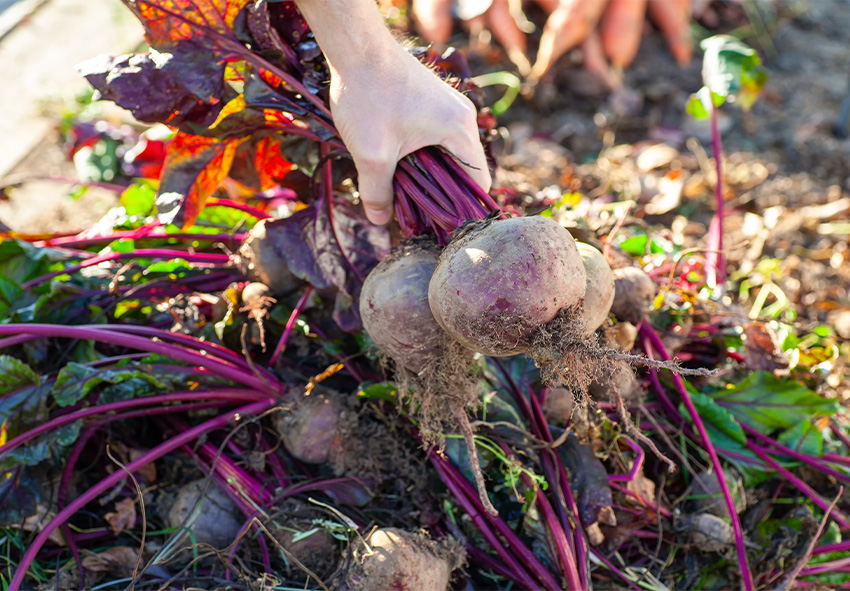
Late winter planting helps gardeners take advantage of the season’s natural cool weather, which is ideal for hardy vegetables. Many crops grow better in brisk temperatures, producing sweeter flavors and stronger growth. Starting early also ensures a longer harvest window, making your garden more productive and efficient.
Another benefit is that pests and diseases are minimal during the colder months, giving your young plants a healthier start. Whether you prefer direct sowing or seed starting indoors, late winter gives you a valuable head start.
Best Vegetables to Plant in Late Winter
Late winter vegetables usually fall into two categories: those that can be directly sown outdoors and those that prefer indoor seed starting before transplanting, including:
- Hardy Root Vegetables
- Leafy Greens
- Brassicas
- Annual Herbs
Hardy Root Vegetables
Root vegetables are classic cool season crops that can be sown as soon as the soil becomes workable.
Carrots
Carrots germinate well in cold soil and develop their best flavor in cool weather. Sowing them in late winter gives them enough time to mature before summer heat affects their texture and sweetness. Use loose, well-drained soil for straight, smooth roots.
Beets
Beets tolerate cold exceptionally well and offer both edible roots and nutritious greens. Late winter planting helps establish strong plants that resist bolting in early spring. Keep the soil consistently moist to encourage even growth.
Radishes
Radishes are one of the fastest-growing late winter vegetables. They thrive in cool weather, maturing in just a few weeks. Sowing them early allows multiple successive harvests before temperatures rise.
Leafy Greens That Thrive in Cool Weather
Leafy vegetables love the cool temperatures of late winter and produce tender, flavorful leaves. Cool temperatures help leafy greens maintain tenderness and prevent premature bolting.
Spinach
Spinach prefers cold soil and grows best before temperatures reach 20°C. Late winter sowing ensures big, healthy leaves and minimizes the risk of bolting. Give spinach rich, well-drained soil for maximum growth.
Lettuce
Most lettuce varieties are ideal for early spring planting. Their shallow roots make them easy to grow in containers or raised beds. Plant in late winter to enjoy early harvests of crisp, delicate leaves.
Kale
Kale is one of the hardiest cool season crops and can survive frost with ease. Planting in late winter results in vigorous plants that produce well into summer and beyond. Its flavor becomes sweeter in cold weather.
Fast-Growing Annual Herbs
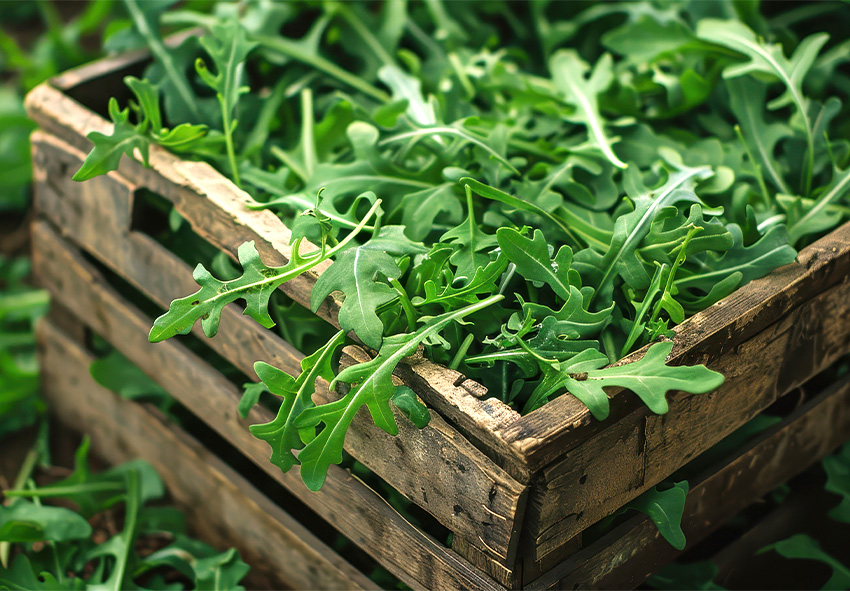
Even herbs can be part of your winter vegetable gardening plan. Planting herbs in late winter ensures they are ready to produce flavorful foliage by early spring.
Cilantro
Cilantro prefers cold temperatures and bolts quickly in heat, making late winter the perfect planting time. Sow directly outdoors for fragrant, flavorful leaves. Sowing cilantro early helps extend its harvesting season before warm temperatures trigger bolting.
Parsley
Parsley germinates slowly, so seed starting indoors is often helpful. With a head start in late winter, it becomes productive by early spring. Parsley started in late winter develops into hardy plants that thrive once moved outdoors.
Chervil
This delicate herb thrives in cool conditions and dislikes hot weather. Plant in late winter for a steady supply of aromatic leaves. Chervil enjoys a long, cool growing period when planted early in the season.
Brassicas to Start Indoors
Starting brassicas indoors gives them the strong early development they need for productive spring growth. Some crops benefit from the controlled warmth of seed starting indoors during late winter.
Broccoli
Starting broccoli indoors gives it a strong head start before transplanting outdoors. It thrives in cool weather and produces the best heads when it matures in early spring. Harden off seedlings before planting outside.
Cauliflower
Cauliflower is sensitive to heat, making winter vegetable gardening ideal for establishing early seedlings. Transplant into the garden once the soil warms slightly, allowing for firm, compact heads.
Cabbage
Cabbage is one of the resilient cool season vegetables that handles cold conditions well. Seed starting indoors helps ensure sturdy transplants ready for early season growth. Maintain steady watering for tight, dense heads.
How to Prepare Your Garden for Late Winter Planting
Getting the soil ready is essential for success with cool season crops. Proper preparation creates ideal conditions for seeds and seedlings to thrive in cold weather.
Soil Preparation Tips
Well-prepared soil warms faster and helps seeds germinate more evenly in late winter. You have to know some soil preparation tips:
- Remove winter debris and loosen compacted soil.
- Add compost to improve drainage and fertility.
- Ensure soil temperature reaches at least a workable level (above freezing).
Tools and Supplies You’ll Need
Having all your supplies ready ensures a smooth and timely start to your late winter gardening. Here are tools you may need:
- Garden trowel or fork
- Seedling trays for seed starting indoors
- Row covers for frost protection
- Organic compost or soil amendments
Indoor Seed Starting for an Early Spring Harvest
Seed starting indoors helps you grow strong seedlings while outdoor conditions are still too harsh. Starting seeds indoors allows you to grow strong seedlings even when outdoor temperatures are still too low.
Choosing the Right Containers
Use seed trays or small pots with drainage holes. Avoid overly large containers to prevent waterlogging. The right containers promote healthy root development and prevent moisture-related problems.
Lighting and Temperature Needs
Cool season crops need bright, indirect light or grow lights positioned close to the seedlings. Maintain temperatures around 15–18°C. Providing consistent light and temperature helps seedlings grow sturdy rather than leggy.
Hardening Off Seedlings
Before transplanting outdoors, gradually acclimate seedlings over 7–10 days. This reduces transplant shock and encourages stronger growth. Proper hardening off prepares seedlings for the transition to natural outdoor conditions.
Tips for Protecting Young Plants from Late Frosts
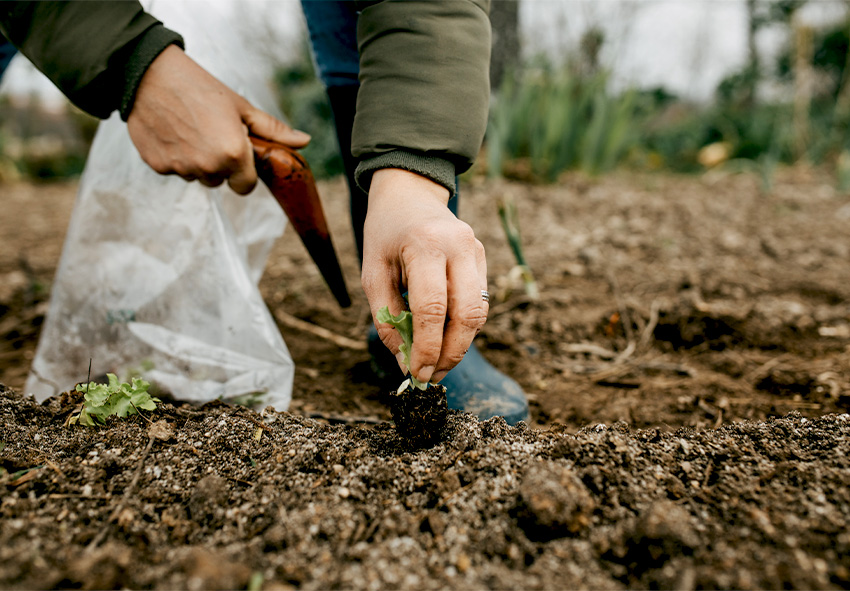
Even hardy plants benefit from a bit of extra protection. Frost protection strategies help safeguard tender young plants during unpredictable late winter weather.
Using Row Covers and Cold Frames
Lightweight row covers shield plants from unexpected frosts while allowing light and moisture through. Cold frames create a controlled microclimate for tender seedlings. These protective structures create a warmer microclimate that extends your growing season.
Weather Monitoring
Track nighttime temperatures closely during early spring planting weeks. Prepare to cover vulnerable crops on frost-prone nights. Keeping an eye on temperature forecasts prevents frost damage to newly planted crops.
Mulching for Insulation
A thin layer of mulch stabilizes soil temperature and preserves moisture, helping young plants stay strong. Mulch adds a protective layer that stabilizes soil temperature during cold spells.
Conclusion
Planting vegetables in late winter is one of the smartest ways to jump-start your garden. By choosing hardy cool season crops and preparing your garden early, you’ll enjoy vibrant growth long before summer arrives. Whether you’re seed starting indoors or sowing directly outdoors, late winter provides unique opportunities for a productive and rewarding harvest season.
Frequently Asked Questions (FAQs) about Late Winter Vegetables Planting
1. What vegetables grow best when planted in late winter?
Vegetables that tolerate or prefer cooler temperatures grow best when planted in late winter. These include root vegetables like carrots, beets, and radishes, leafy greens such as spinach, lettuce, and kale, and hardy herbs like parsley and cilantro. Many brassicas also thrive when started indoors during this time.
2. Is it safe to plant outdoors in late winter?
Yes, as long as you choose frost-tolerant crops. Hardy vegetables can germinate in cold soil, and using protective measures like row covers, cold frames, or mulch increases their chances of success. Monitoring the weather is essential, since sudden frosts can still occur, but with simple precautions, late winter planting is safe and effective.
3. What are the benefits of planting vegetables in late winter?
Planting in late winter leads to earlier harvests, healthier seedlings, and more efficient use of the growing season. Cool temperatures reduce pests and stress, giving root vegetables and leafy greens ideal conditions. It also spreads out your gardening workload and allows you to enjoy fresh produce weeks earlier than spring planting alone.
4. Can I order cool season vegetables from your online store?
Yes, our online store Dutch-bulbs.com offers a variety of cool season vegetable seeds and starter plants. We source high-quality seeds and bulbs to ensure a successful growing experience for our customers. We also provide helpful tips and resources to guide you through the planting and care process.
5. How do I protect young plants from late winter frosts?
Protection methods include using row covers, fleece, cloches, or cold frames to trap warmth around your plants. Mulching can insulate the soil and stabilize temperatures. Checking weather forecasts helps you act quickly during frost warnings. Proper hardening off before transplanting strengthens seedlings and improves their ability to handle sudden temperature drops.
Published: 19.12.2025