



Creating a beautiful garden begins with choosing the right flowers. The top 25 flower types for gardens include well-known favorites such as tulips, dahlias, begonias, irises, roses, and lilies. These plants are loved for their vibrant colors, diverse shapes, and impressive flowering displays that brighten outdoor spaces throughout the season. Another advantage of these flower types is their versatility. Many of them grow successfully in flower beds, borders, containers, and even balcony planters. By choosing suitable varieties and combining them thoughtfully, gardeners can achieve long-lasting and vibrant flowering displays that remain attractive from early spring until autumn.
This guide is designed for both amateur and experienced gardeners who want to create harmonious flower compositions. Garden lovers often search for plants that combine decorative beauty with reliable blooming. Selecting flowers with different heights, colors, and flowering times allows gardeners to design visually balanced landscapes. Our gardening blog is a perfect place to find all the information you need!
How Many Types of Flowers Exist in the World
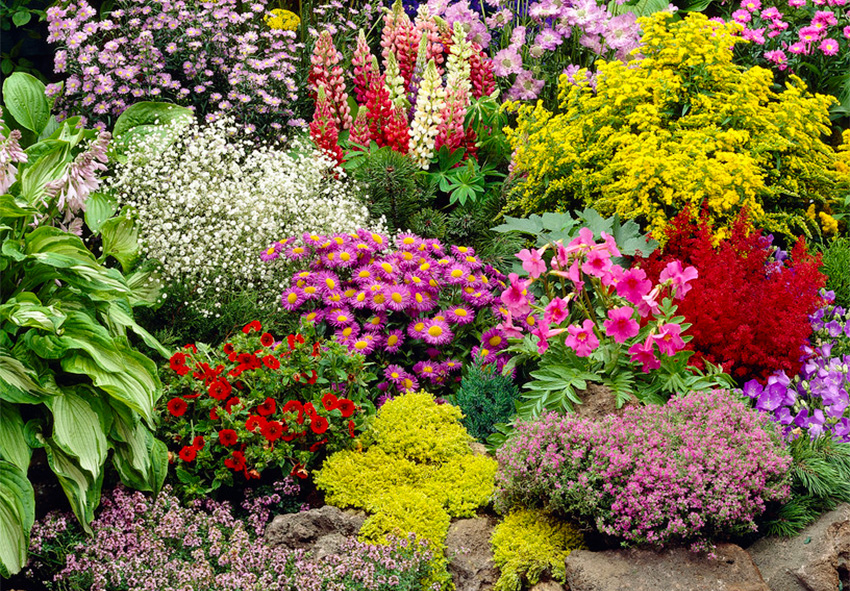
The world of flowering plants is incredibly diverse. Scientists estimate that there are more than 300,000 species of flowering plants across the globe. These plants grow in a wide range of climates and ecosystems, from tropical forests to temperate gardens.
However, only a relatively small portion of these species is commonly used in decorative gardening. Gardeners typically rely on around 100 to 200 well-known species that are easy to cultivate and offer attractive blooms.
Why Only Some Flower Species Are Popular in Gardens
Not all flowering plants are suitable for garden cultivation. Popular garden flowers are usually selected for their beauty, adaptability, and ease of care. Plants that bloom reliably and tolerate various soil conditions are especially valued.
Many traditional garden flowers have also been cultivated and improved for centuries. Plant breeders have developed varieties with larger blooms, richer colors, and longer flowering periods.
How Flower Characteristics Influence Garden Use
Each flower species has unique characteristics that influence its role in garden design. Some flowers produce tall stems and large blooms, while others create compact clusters or groundcover displays.
Color, fragrance, flowering duration, and care requirements also affect plant selection. Understanding these differences allows gardeners to create visually diverse landscapes with flowers that complement one another.
Main Categories of Garden Flowers
Garden flowers are commonly divided into three main groups: annuals, biennials, and perennials. Annual flowers complete their life cycle within one growing season, blooming quickly and producing vibrant displays.
Biennial plants usually grow foliage during the first year and bloom in the second year. Perennials, on the other hand, return year after year, making them a long-term investment for garden landscapes.
Bulbous vs Rhizomatous Flowering Plants
Some garden flowers grow from bulbs or tubers, such as tulips, lilies, and dahlias. These plants store nutrients underground and produce new growth each season. Other flowers develop from rhizomes or spreading roots. Plants like irises and certain perennials gradually expand over time, forming larger clumps that enhance the structure of flower beds.
Choosing Flowers by Height, Season, and Care Requirements
When selecting flowers for the garden, height and flowering season are important considerations. Tall plants like delphiniums or sunflowers can serve as background elements, while shorter plants create borders or ground cover. Care requirements also vary between species. Some flowers prefer full sunlight and dry soil, while others thrive in partial shade or moist conditions.
The Most Common Types of Flowers for Decorative Gardens
Decorative gardens often feature flowers that combine visual beauty with reliable growth and seasonal variety. Some plant species have become especially popular because they bloom abundantly, adapt well to different garden conditions, and offer a wide range of colors and shapes. These flowers are widely used in flower beds, borders, and landscape compositions, helping gardeners create balanced and attractive outdoor spaces.
Roses as a Classic Garden Flower
Roses remain one of the most iconic garden plants. Their elegant blooms, pleasant fragrance, and wide variety of colors make them suitable for both traditional and modern gardens. Gardeners appreciate roses for their ability to create focal points in flower beds and add sophistication to landscape designs.
Peonies and Their Lush Spring Blooms
Peonies are famous for their large, soft, and fragrant blossoms. These perennial plants bloom in late spring and early summer, producing spectacular displays that attract attention in any garden. They are also long-lived plants that can grow in the same location for many years.
Lilies and Irises for Elegant Garden Structure
Lilies and irises bring elegance and height to garden landscapes. Lilies produce tall stems with large, often fragrant flowers, while irises offer distinctive petal shapes and striking colors. Both plants contribute strong vertical accents in mixed flower beds.
Tulips and Daffodils as Spring Garden Favorites
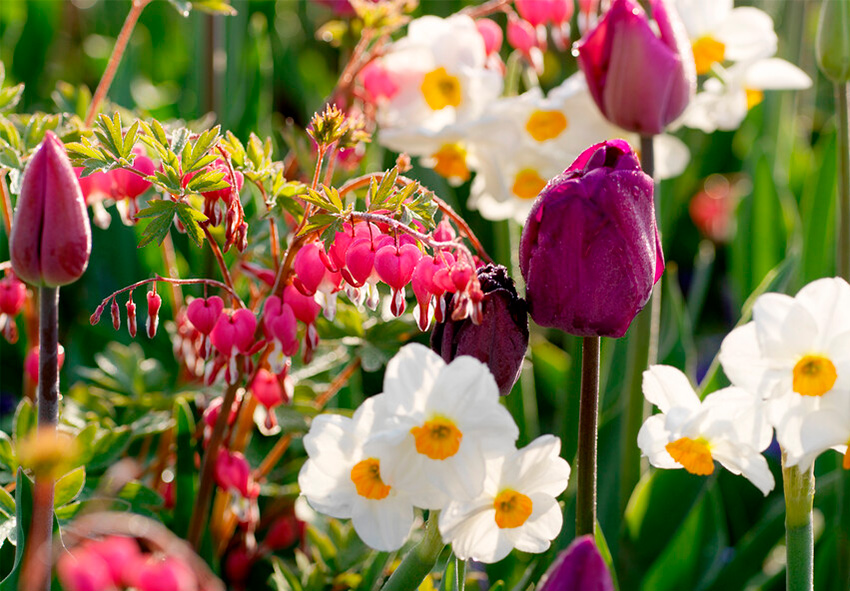
Tulips and daffodils are among the first flowers to bloom in spring. Their bright colors signal the arrival of warmer weather and add life to gardens after winter. These bulbous plants are easy to grow and can be planted in large groups to create impressive spring displays.
Hydrangeas, Asters, and Chrysanthemums for Seasonal Color
Hydrangeas, asters, and chrysanthemums provide color later in the growing season. Hydrangeas produce large decorative flower clusters, while asters and chrysanthemums bloom in late summer and autumn. These plants help extend the flowering season when many other flowers have already faded.
Top 25 Flower Types for Garden Beauty
The following 25 flower types are among the most popular choices for creating colorful and diverse gardens.
Classic Flowering Plants
These plants are widely admired for their large blooms and impressive decorative value:
Spring Garden Favorites
These flowers bloom early and bring vibrant color after winter.
Tall Statement Flowers
Tall varieties create vertical accents and dramatic focal points in flower beds:
- Delphiniums
- Sunflowers
- Hollyhocks
Fragrant and Decorative Garden Plants
These plants add fragrance and texture to garden landscapes:
- Lilies
- Lavender
- Garden carnations
Colorful Bedding and Container Flowers
These compact flowers are ideal for borders, containers, and decorative beds:
- Petunias
- Begonias
- Verbenas
- Coleus
- Gerberas
Long-Blooming Summer and Autumn Flowers
These plants extend color throughout the warmer months and into autumn:
- Rudbeckia
- Asters
- Chrysanthemums
- Marigolds
- Ornamental flax
- Fuchsias
- Clematis
- Daisies
Combining Flower Types for a Harmonious Garden
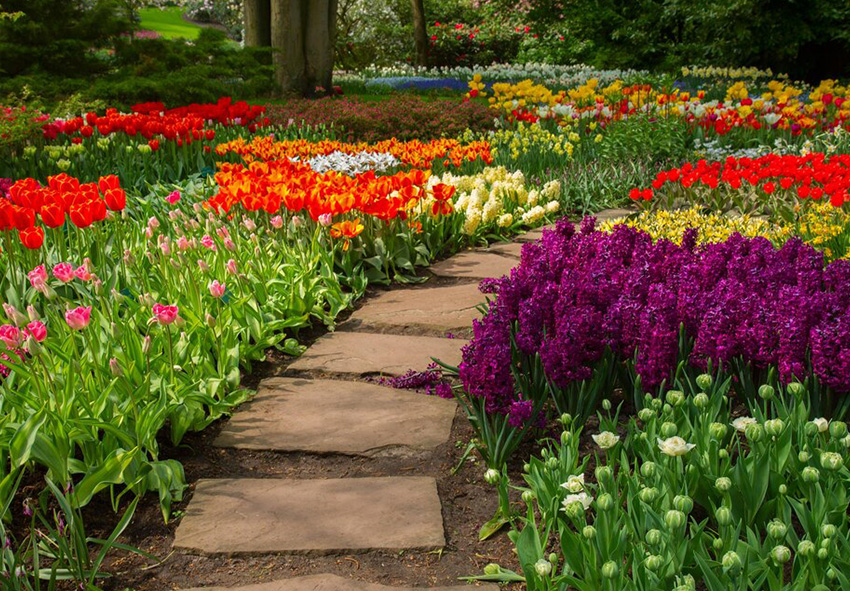
Combining flowers of different heights creates depth and visual balance in the garden. Taller plants can serve as a backdrop, while medium and low-growing flowers fill the foreground. This layered arrangement gives flower beds a natural and well-organized appearance.
Creating Continuous Bloom from Spring to Autumn
To maintain color throughout the season, gardeners often combine plants with different flowering periods. Low-maintenance spring flowers can be followed by summer perennials and late-blooming autumn flowers. This approach ensures that the garden remains vibrant for many months.
Mixing Colors and Textures for Attractive Flower Beds
Color combinations and flower shapes play a major role in garden design. Soft pastel flowers create calm compositions, while bright colors add energy and contrast. Mixing different textures, such as delicate petals and bold foliage, enhances the visual interest of flower beds.
Conclusion: Creating a Beautiful Garden with the Right Flowers
Choosing the right flowers is the key to creating a vibrant and well-balanced garden. By selecting suitable varieties and understanding their growing requirements, gardeners can enjoy long-lasting flowering displays throughout the year.
Combining different flower types, heights, and blooming seasons helps maintain continuous color and visual interest in the landscape. With careful planning and proper care, even a small garden can become a beautiful and inspiring space.
Gardeners are encouraged to experiment with new flower combinations and explore creative planting ideas. Discovering new varieties and designing unique floral compositions can transform any garden into a bright and welcoming outdoor sanctuary.
Frequently Asked Questions (FAQs) about Garden Flowers
1. What are the best flower types for creating a beautiful garden?
Some of the best flower types for gardens include roses, peonies, tulips, lilies, dahlias, and hydrangeas. These plants are valued for their decorative blooms, diverse colors, and reliable growth. Combining spring, summer, and autumn flowers allows gardeners to maintain continuous color and create balanced flower beds throughout the entire growing season.
2. How can I choose flowers that bloom throughout the season?
To ensure long-lasting color, select flowers with different blooming periods. Spring bulbs like tulips and daffodils bloom first, followed by summer plants such as dahlias and lilies. Late-season flowers like asters and chrysanthemums extend the display into autumn. Mixing these plants helps maintain a vibrant garden for several months.
3. Can I order flower bulbs or plants from your online store?
Yes, you can order a wide selection of flower bulbs directly from our online store Dutch-bulbs.com. We offer carefully selected varieties such as tulips, lilies, dahlias, begonias, and many other garden favorites. Our plants are chosen for strong growth, reliable blooming, and excellent decorative value for home gardens.
4. Are these flower types suitable for small gardens or containers?
Yes, many popular garden flowers grow well in containers and small garden spaces. Begonias, petunias, verbenas, and gerberas are excellent choices for balconies, patios, and compact flower beds. Even larger plants like roses or hydrangeas can be grown in large containers when provided with proper soil, sunlight, and watering.
5. What factors should I consider when choosing flowers for my garden?
When selecting flowers, consider sunlight exposure, soil type, plant height, and flowering season. Some plants prefer full sun, while others thrive in partial shade. It is also important to combine flowers with different heights and bloom times to create balanced compositions and maintain visual interest throughout the season.
Published: 12.03.2026