



Blue flowers are a unique and stylish choice for gardeners who want to bring a sense of calm, harmony, and elegance to their landscapes. Unlike warmer colors such as red or yellow, blue tones create a refreshing and relaxing atmosphere in garden spaces. Their cool shades naturally draw attention and add a refined character to any planting design.
These plants are especially appealing to gardeners and ornamental plant enthusiasts who enjoy experimenting with color combinations. By mixing flowers of different shades and blooming periods, it is possible to create visually interesting compositions that remain attractive throughout the season. Blue flowers often become focal points in garden beds because their colors appear more unusual and sophisticated.
Another advantage of blue flowering plants is their versatility. They grow well in flower beds, borders, containers, and even balcony planters. With thoughtful selection and proper care, blue flowers can transform an ordinary garden into a stylish and harmonious outdoor space. Our gardening blog is a perfect place to find all the information you need!
Characteristics and Visual Impact of Blue Flowers
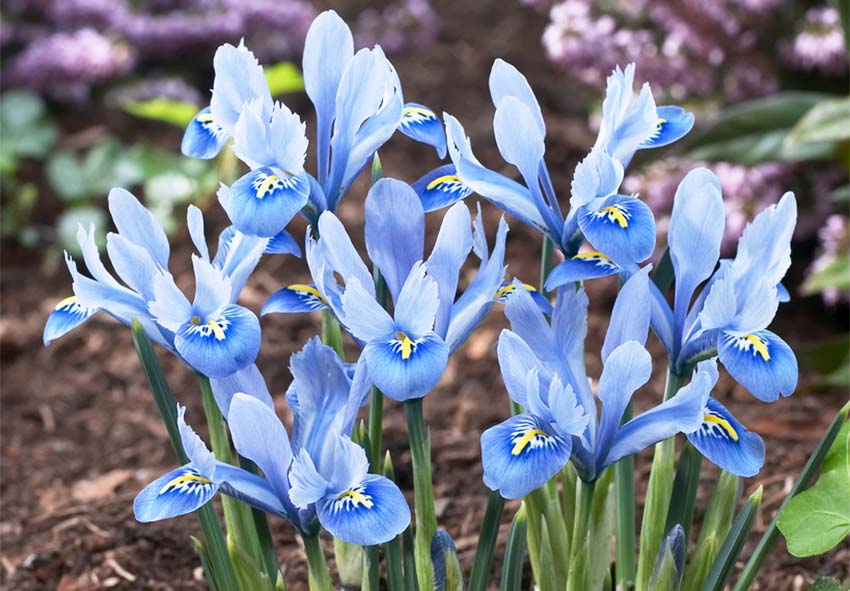
Blue flowers have distinctive visual qualities that make them valuable elements in garden design. Their cool tones bring balance to bright compositions and help soften strong color contrasts. Because blue shades are less common in nature, they often attract special attention in ornamental plantings.
In landscape design, color influences how a garden space is perceived. Blue tones tend to create a calming atmosphere and visually expand small areas. This effect makes blue flowers particularly useful for creating depth and elegance in garden compositions.
Gardeners can choose from both perennial and annual blue flowers. Perennials return each year and provide long-term structure in flower beds, while annuals offer quick seasonal color and flexibility in planting arrangements.
Why Blue Flowers Are Less Common in Nature
Blue pigments are relatively rare in plants compared to red, pink, or yellow pigments. As a result, naturally blue flowers often appear more unusual and striking in gardens. Their rarity increases their decorative value and makes them desirable for creating unique floral displays.
The blue color in many flowers comes from specific pigments that interact with soil chemistry and light conditions. This means that the exact shade of blue may vary depending on the growing environment. Some flowers can even shift slightly toward purple or violet tones.
Because of this rarity, blue flowers are frequently used as focal points in flower beds. Garden designers often include them intentionally to add contrast and highlight other surrounding plants.
How Blue Shades Influence Garden Design
Blue tones have a special psychological effect in landscape design. They create a feeling of calmness and serenity, which is why they are often used in relaxation gardens and quiet outdoor spaces. These colors help balance brighter shades like orange or red.
Another advantage of blue flowers is their ability to create visual depth. When planted toward the back of flower beds, they can make the garden appear larger and more spacious. This effect is particularly useful in small gardens or compact landscapes.
Blue flowers also blend beautifully with many other colors. They combine especially well with white, pink, and silver foliage plants, creating harmonious and elegant compositions.
Perennial and Annual Blue Flower Options for Gardens
Gardeners have a wide selection of blue flowering plants to choose from. Some species are perennials that return each year and gradually form larger decorative clumps in flower beds. These plants provide long-lasting structure in the garden.
Annual flowers are equally valuable because they bloom quickly and produce color throughout the growing season. They are ideal for containers, borders, and temporary garden designs.
Combining both perennial and annual blue flowers allows gardeners to maintain continuous color and variety. This approach ensures that the garden remains visually interesting from spring through late summer.
16 Beautiful Blue Flower Varieties for Your Garden
Many blue flowers are valued not only for their color but also for their unique shapes, fragrances, and growth habits. Some species grow tall and dramatic, while others form compact carpets of blooms. Choosing a mix of these plants helps create balanced and dynamic garden compositions.
Different blue flowers also bloom at different times of the year. Spring bulbs, summer perennials, and annual flowers can all be combined to extend the flowering season. This ensures that blue shades remain present in the garden for many months.
Below are sixteen popular blue flower varieties that gardeners often use to decorate landscapes and create striking flower arrangements.
1. Irises
Irises are elegant perennial plants known for their distinctive petal shapes and vibrant colors. Many varieties produce rich blue flowers that stand out beautifully in garden beds. Their tall stems make them excellent focal points in mixed borders. These plants prefer sunny locations and well-drained soil. Once established, irises are relatively easy to maintain and can bloom reliably every year. Their unique flower structure adds architectural interest to garden designs.
2. Bellflowers (Campanula)
Bellflowers are charming perennials with delicate bell-shaped blossoms. They produce clusters of soft blue flowers that sway gently in the breeze. These plants bring a natural and romantic look to cottage-style gardens. Campanulas grow well in both sunny and partially shaded areas. They are often used along garden paths, borders, or rock gardens. Their graceful appearance complements many other flowering plants.
3. Delphiniums
Delphiniums are famous for their tall, dramatic flower spikes. These plants can grow over a meter tall and are often placed at the back of flower beds. Their deep blue blossoms create a strong visual impact. They prefer sunny conditions and fertile soil with good drainage. With proper care and support, delphiniums can become impressive vertical accents in garden landscapes.
4. Lavender
Lavender is loved for its soothing fragrance and soft blue-purple flower spikes. It is commonly used in Mediterranean-style gardens and aromatic plantings. The plant also attracts bees and butterflies. Lavender thrives in sunny locations with well-drained soil. It requires relatively little watering once established. Its silvery foliage and delicate blooms add elegance to garden compositions.
5. Hydrangeas
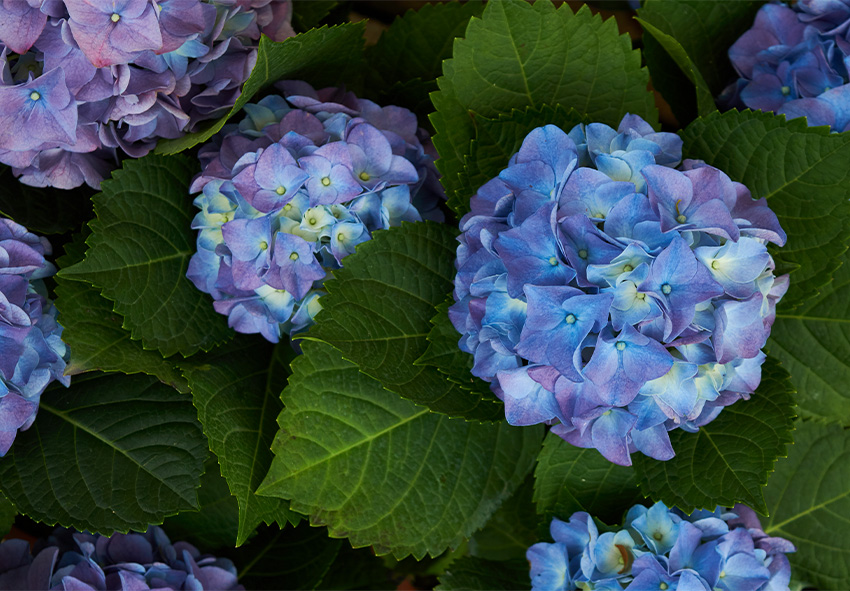
Certain hydrangea varieties are known for producing large clusters of blue flowers. The exact shade often depends on soil acidity, with more acidic soil producing deeper blue tones. These shrubs create dramatic visual displays in gardens. Hydrangeas prefer partial shade and consistently moist soil. Their large flower heads remain decorative for a long time. They are often used as focal plants in landscape design.
6. Lobelia
Lobelia is a compact annual plant with bright blue blossoms. It is especially popular for hanging baskets and container gardens. The small flowers form dense cascades of color. These plants bloom continuously during the warm season. Lobelia prefers moist soil and partial sun conditions. Its vibrant color adds freshness to balconies and garden edges.
7. Forget-Me-Nots
Forget-me-nots produce tiny sky-blue flowers with bright yellow centers. These delicate plants bloom in early spring and create charming groundcover displays. They are often associated with woodland gardens. They grow well in moist soil and partial shade. When planted in groups, forget-me-nots form soft carpets of color. Their simple beauty makes them popular in naturalistic gardens.
8. Bluebells
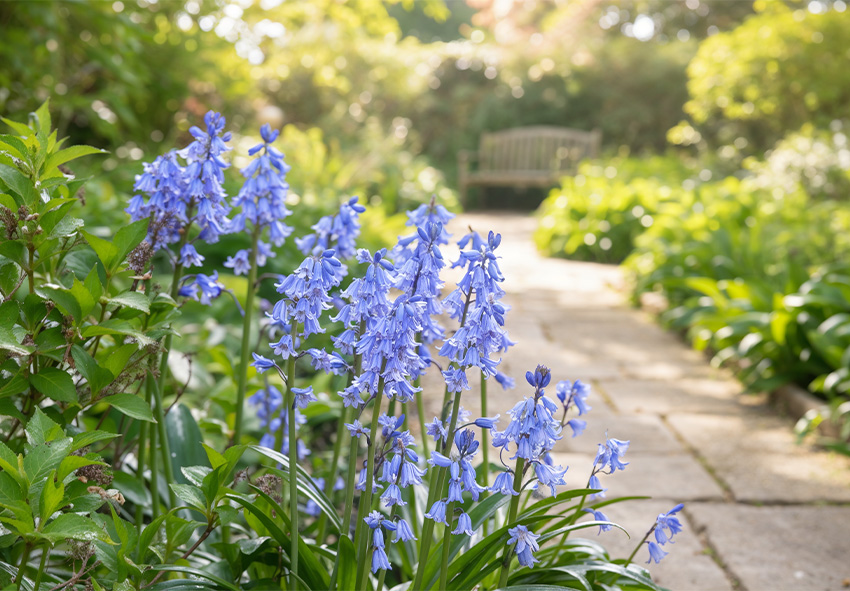
Bluebells are graceful spring flowers that produce nodding clusters of blue blossoms. They are commonly found in woodland settings and shaded garden areas. Their natural appearance makes them perfect for informal plantings. These plants thrive in partial shade and fertile soil. Over time, they can spread and create beautiful drifts of color beneath trees.
9. Hyacinthoides hispanica (Spanish Bluebells)
Hyacinthoides hispanica produce tall spikes covered with bell-shaped flowers. Their blooms often appear in shades of blue, violet, or soft pink. They are valued for their elegant appearance and easy care. This plant grows well in both sunny and lightly shaded areas. It naturalizes easily and gradually forms attractive clusters in garden beds. Spanish bluebells are especially popular in spring flower displays.
10. Blue-Hued Peonies
Although true blue peonies are rare, some varieties have cool violet-blue undertones. These plants produce large, luxurious blooms that are highly decorative. Their flowers often become the centerpiece of garden beds. Peonies prefer sunny locations and fertile soil. Once established, they can live and bloom for many years with minimal care.
11. Petunias
Blue petunias are popular annual flowers known for their abundant blooms. They are widely used in containers, window boxes, and garden borders. Their flowers can range from pale blue to deep violet shades. Petunias grow best in sunny areas and require regular watering. With proper care, they bloom continuously throughout the summer season.
12. Hyacinths
Hyacinths are spring-blooming bulbs with dense flower clusters and a strong fragrance. Blue varieties are particularly striking in early spring gardens. They are often planted in groups for maximum visual impact. These bulbs grow well in sunny locations and well-drained soil. Their bright blooms signal the arrival of the gardening season.
13. Aconites
Aconites produce dramatic hood-shaped flowers in deep blue shades. These striking perennials are often used in shaded or woodland-style gardens. Their unusual flower shape makes them visually distinctive. They prefer cool climates and moist soil conditions. Despite their beauty, gardeners should handle them carefully because the plant is toxic.
14. Echinaceas
Some echinacea varieties display cool lavender-blue tones that complement other blue flowers. These plants are also known for attracting bees and butterflies. Their strong stems make them excellent additions to pollinator gardens. Echinaceas grow best in sunny areas with well-drained soil. They are hardy perennials that tolerate heat and drought well.
15. Scabious (Scabiosa)
Scabious produces delicate pincushion-shaped flowers in soft blue shades. The flowers appear on slender stems and sway gracefully in the wind. They are especially attractive to pollinators. This plant thrives in sunny conditions and well-drained soil. It fits beautifully into cottage gardens and natural planting schemes.
16. Salvias
Blue salvias are vibrant perennial or annual plants with long flower spikes. Their bright blue blossoms attract bees, butterflies, and hummingbirds. These plants provide color throughout the summer. Salvias are drought-tolerant and easy to maintain. They work well in borders, mixed flower beds, and pollinator gardens.
How to Grow and Care for Blue Flowers in the Garden
Proper care ensures that blue flowers maintain their vibrant colors and healthy growth. Although each species has its own requirements, many share similar needs for sunlight, watering, and soil quality. Understanding these conditions helps gardeners achieve the best results. Blue flowering plants often benefit from well-drained soil and moderate watering. Excess moisture can cause root problems in some species. Balanced fertilization also supports strong growth and abundant flowering.
Attention to plant-specific care is especially important for species such as lavender or hydrangeas. Adjusting soil conditions, pruning correctly, and protecting plants from extreme weather can help preserve their decorative beauty throughout the season:
- Choosing the Right Soil and Planting Location: Selecting the proper planting site is essential for healthy flowers. Many blue plants prefer sunny locations with good air circulation. Adequate sunlight supports strong growth and vibrant blooms. Soil quality also plays an important role. Well-drained soil prevents root rot and encourages stable plant development. Adding compost can improve soil fertility.
- Watering and Feeding for Healthy Blue Blooms: Regular watering is important, especially during dry weather. Young plants require consistent moisture while they establish their roots. However, overwatering should be avoided. Light fertilization during the growing season supports flower production. Balanced nutrients help maintain strong stems and vibrant blossoms.
- Special Care Tips for Lavender and Hydrangeas: Lavender prefers dry conditions and excellent drainage. Too much moisture can damage the plant, so it should be planted in sandy or gravelly soil. Pruning after flowering helps maintain compact growth. Hydrangeas require more consistent moisture. Their flower color can change depending on soil acidity, with acidic soil producing richer blue tones.
Conclusion: Creating a Stylish Garden with Blue Flowers
Blue flowers offer gardeners a unique opportunity to design calm and elegant landscapes. Their cool tones provide balance and contrast in colorful flower beds. Because blue plants are less common, they often become memorable highlights in garden designs.
Combining different blue flower species allows gardeners to extend the flowering season and create dynamic compositions. Mixing heights, textures, and bloom times results in visually interesting landscapes. By experimenting with blue flowers and pairing them with complementary colors, gardeners can create beautiful outdoor spaces that remain attractive throughout the entire growing season!
Frequently Asked Questions (FAQs) about Blue Flowers
1. What are the most popular blue flowers for garden beds?
Some of the most popular blue flowers for garden beds include irises, delphiniums, hydrangeas, lavender, and salvias. These plants are valued for their vibrant shades and decorative shapes. Many of them are perennials that return each year, making them reliable choices for long-lasting garden compositions and colorful seasonal displays.
2. Do blue flowers grow well in containers and balconies?
Yes, many blue flowers grow very well in containers and balcony planters. Compact species such as lobelia, petunias, and violets are especially suitable for small spaces. With proper soil, regular watering, and enough sunlight, container-grown blue flowers can produce abundant blooms and create attractive decorative displays.
3. Can I order blue flower plants or bulbs in your online store?
Yes, you can order a variety of blue flower plants and bulbs in our online store Dutch-bulbs.com. Our collection includes popular garden favorites such as lavender, irises, hyacinths, and other decorative varieties suitable for flower beds, borders, and containers. We carefully select high-quality plants to help gardeners create vibrant and beautiful landscapes.
4. Why are blue flowers less common than other colors?
Blue flowers are less common because the pigments responsible for blue coloration are relatively rare in plants. Many species naturally produce red, yellow, or pink pigments more easily. This rarity is one reason blue flowers are so valued in garden design, as they create striking focal points and unique color combinations.
5. How can I keep hydrangea flowers blue in my garden?
To maintain blue hydrangea flowers, the soil should remain slightly acidic. Gardeners often adjust soil pH by adding materials such as sulfur or special soil amendments. Proper watering and balanced fertilization also help maintain healthy plants and preserve the rich blue color of the blooms throughout the flowering season.
Published: 17.03.2026