



Late winter is a critical but often overlooked period for pollinators. Food sources are scarce, temperatures are unpredictable, and only a few plants are able to bloom. Snowdrops (Galanthus) play a vital role during this time, offering early nectar and pollen when pollinators need it most. These delicate yet resilient flowers are essential contributors to late winter pollination in cold climate gardens. Our gardening blog is a perfect place to find all the information you need!
Introduction to Snowdrops and Late Winter Pollination
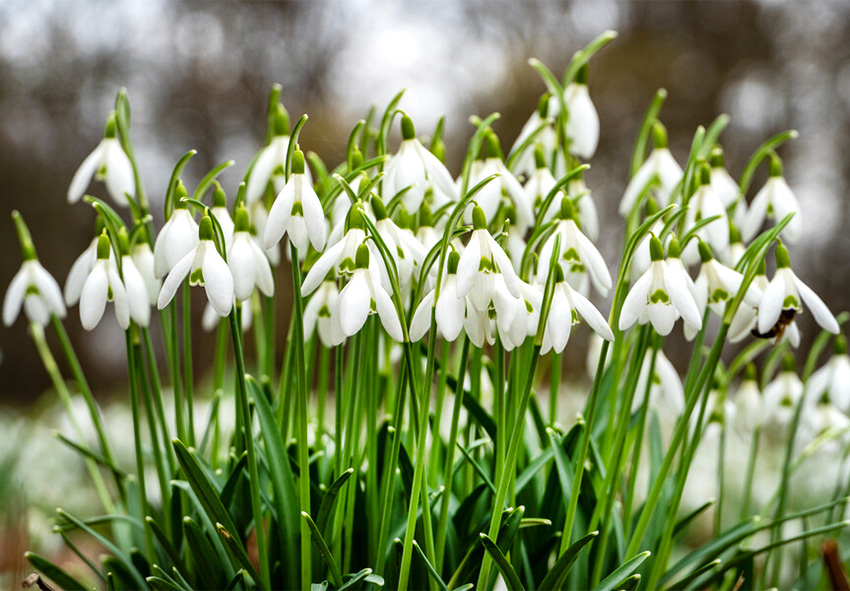
Late winter pollination supports the survival of early-emerging insects and helps stabilize local ecosystems before spring fully arrives. Snowdrops are among the first plants to bloom, often pushing through snow and frozen soil. Their early appearance makes them a valuable resource for pollinators during an otherwise food-poor season.
Why Late Winter Pollination Matters
Pollinators that emerge in late winter rely on early flowering plants to survive. Without access to nectar and pollen, these insects struggle to build energy reserves. Supporting late winter pollination helps maintain healthy pollinator populations throughout the year.
Snowdrops (Galanthus) as One of the Earliest Bloomers
Snowdrops typically bloom from late winter to very early spring. Their ability to flower in cold conditions sets them apart from many other perennials. This timing makes galanthus a key plant for pollinators active before spring blooms appear.
The Ecological Value of Early Flowering Plants
Early flowering plants bridge the seasonal gap between winter dormancy and spring growth. They stabilize food chains and support biodiversity. Snowdrops are a prime example of how small plants can have a large ecological impact.
Understanding Snowdrops (Galanthus)
Snowdrops belong to the Amaryllidaceae family and are well adapted to cold climates. Their growth habits allow them to thrive in environments that challenge many other plants. Understanding their biology helps gardeners appreciate their pollination role.
Botanical Characteristics of Snowdrops
Snowdrops produce nodding white flowers with distinctive green markings. Their narrow leaves emerge alongside flowers, allowing efficient photosynthesis. The plant’s compact structure protects blooms from harsh weather.
Natural Habitat and Cold Climate Adaptation
In nature, snowdrops grow in woodlands and meadows across Europe and western Asia. They are adapted to cold winters, moist soils, and seasonal shade. These traits make them ideal for cold climate gardens.
Bloom Timing and Growth Cycle
Snowdrops bloom before most plants break dormancy. After flowering, they store energy in their bulbs for the next season. This early growth cycle supports pollinators when few alternatives exist.
How Snowdrops Support Pollinators in Late Winter
Snowdrops provide critical resources at a time when pollinators are most vulnerable. Their flowers may be small, but their ecological contribution is significant. They help sustain early pollinator activity.
Nectar and Pollen Availability During Scarce Seasons
Snowdrops offer accessible nectar and pollen in late winter. These resources help pollinators survive cold spells. Even limited blooms can make a meaningful difference.
Key Pollinators Attracted to Snowdrops
Snowdrops (Galanthus) bloom at a time when very few plants are flowering, making them an essential food source for early-emerging pollinators. Their accessible nectar and pollen attract insects that are active during late winter and very early spring:
- Bumblebee Queens: Bumblebee queens are among the first pollinators to emerge in late winter. Snowdrops provide them with crucial energy needed to establish new colonies after hibernation.
- Early Solitary Bees: Several species of solitary bees become active as temperatures begin to rise. Snowdrops offer an early source of nectar and pollen that supports their survival and early nesting efforts.
- Hoverflies: Hoverflies are often overlooked but play an important role in pollination. Snowdrops attract these insects by providing nourishment when few other flowers are available.
- Other Cold-Tolerant Insects: Certain beetles and small flies are active during mild winter days. Snowdrops help sustain these insects, contributing to the early-season pollinator food web.
Snowdrops and the Early Pollinator Food Chain
By feeding early pollinators, snowdrops indirectly support later pollination cycles. Strong early pollinators contribute to healthier ecosystems throughout the growing season. This makes snowdrops foundational plants in pollinator-friendly gardens.
Companion Plants That Extend Pollinator Support
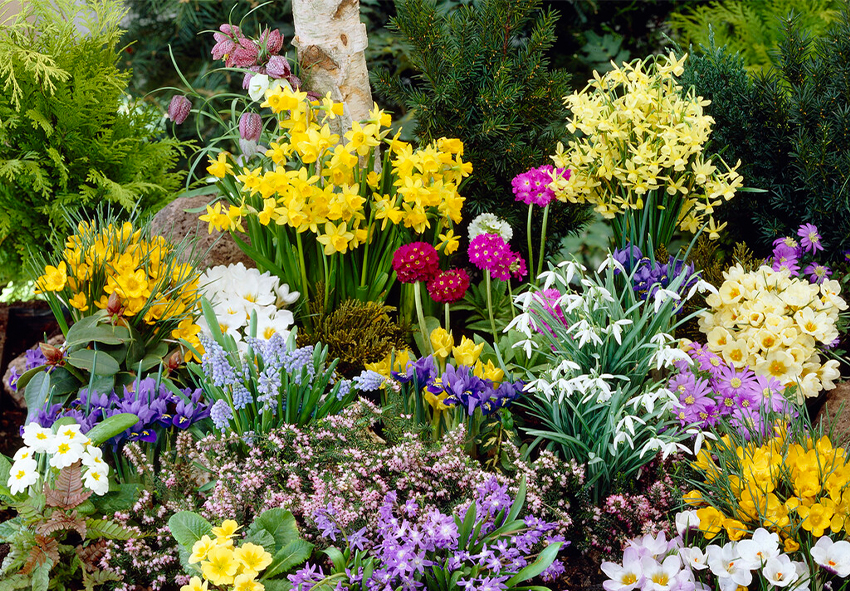
While snowdrops begin the pollination season, companion plants help extend it. Combining early and later bloomers creates continuous food availability. This approach strengthens garden ecosystems.
Pairing Snowdrops with Hosta and Ferns
Hostas and ferns do not flower early, but they provide shelter and habitat later in the season. Their foliage supports pollinators by creating stable, shaded environments. Together with snowdrops, they enhance garden diversity.
Sedum and Other Perennials That Support Pollinators Later
Sedum blooms later in the season and provides nectar when snowdrops fade. This succession ensures pollinators have food from winter through fall. Other cold climate perennials can further extend support.
Creating a Seasonal Pollinator Corridor
Planting a sequence of flowering perennials creates a pollinator corridor. Snowdrops start the season, followed by spring and summer bloomers. This strategy maximizes ecological benefits.
Growing Snowdrops for Pollinator-Friendly Gardens
Snowdrops are easy to grow and maintain, making them accessible to most gardeners. Proper placement and care increase their pollination value. They naturalize well and improve over time.
Best Planting Locations for Late Winter Flowers
Snowdrops thrive in partial shade and woodland-style settings. Plant them where they receive winter light and summer shade. These conditions mimic their natural habitat.
Soil, Moisture, and Light Requirements
Snowdrops prefer moist, well-drained soil. They tolerate cold but dislike waterlogged conditions. Consistent moisture during growth supports healthy blooms.
Naturalizing Snowdrops for Long-Term Benefits
Snowdrops multiply naturally when left undisturbed. Over time, they form larger colonies. Naturalized plantings provide increasing pollinator support each year.
By following these simple planting and care principles, gardeners can confidently grow healthy snowdrops and enjoy early blooms. Find more practical tips in our full guide for galanthus and enjoy your garden transformation.
Caring for Snowdrops After Blooming
Post-bloom care is simple but important. Allowing plants to complete their growth cycle ensures future blooms. Minimal intervention yields the best results:
- Post-Bloom Foliage Management: Leaves should remain until they yellow naturally. This allows bulbs to store energy. Cutting foliage too early weakens plants.
- Bulb Health and Natural Multiplication: Healthy bulbs divide over time. Avoid disturbing them unnecessarily. Strong bulb health leads to better flowering and pollination support.
- Long-Term Maintenance in Cold Climates: Snowdrops require little maintenance once established. Occasional division and proper soil conditions keep them thriving. They are well suited to cold climate gardens.
Common Myths About Snowdrops and Pollination
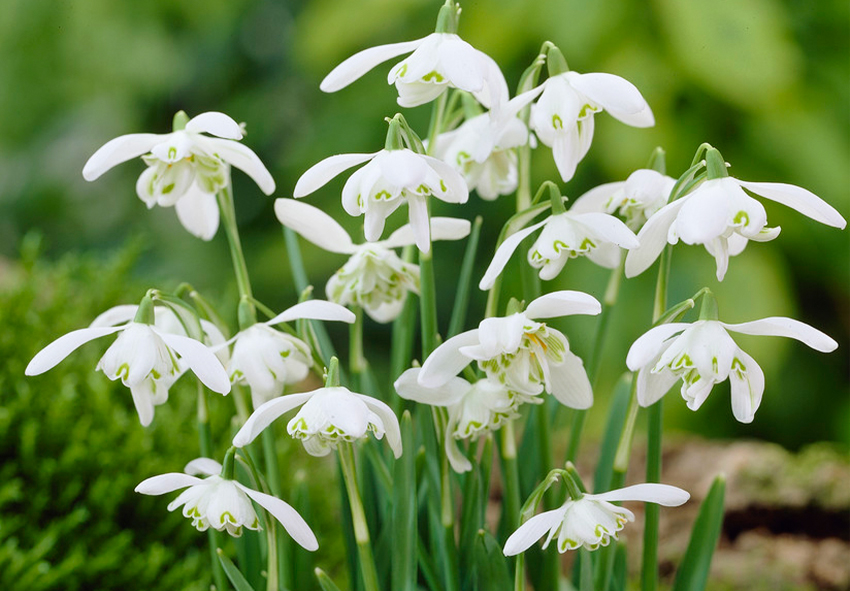
Snowdrops are sometimes underestimated in ecological discussions. Clearing up myths helps gardeners understand their value. These plants are more impactful than they appear.
Do Snowdrops Really Help Pollinators?
Yes, snowdrops provide essential early food sources. Even small nectar amounts matter in late winter. Their timing makes them especially valuable.
Misconceptions About Early Blooming Plants
Early bloomers are often seen as decorative only. In reality, they play critical ecological roles. Snowdrops prove this clearly.
Snowdrops vs Other Late Winter Flowers
Snowdrops bloom earlier than most alternatives. Their cold tolerance sets them apart. This makes them uniquely suited for late winter pollination.
Conclusion
Snowdrops (Galanthus) play a crucial role in late winter pollination by supporting early-emerging pollinators when few resources are available. Their resilience, early bloom time, and ecological value make them essential plants for cold climate gardens. By planting snowdrops alongside other hardy perennials, gardeners can create landscapes that support pollinators and garden life year-round.
Frequently Asked Questions (FAQs) about Late Winter Pollination with Galanthus
1. Why are snowdrops important for late winter pollination?
Snowdrops bloom during late winter when few other plants are flowering. Their early nectar and pollen provide essential food for emerging pollinators such as bumblebee queens and solitary bees. This early support helps pollinators survive and prepares them for the rest of the growing season.
2. Which pollinators are most attracted to snowdrops?
Snowdrops attract cold-tolerant pollinators, especially bumblebee queens, early solitary bees, and hoverflies. These insects become active on mild winter days and rely on early flowering plants for energy. Snowdrops offer accessible nectar at a critical time when alternative food sources are limited.
3. Where should I plant snowdrops to support pollinators best?
Snowdrops perform best in partially shaded areas with moist, well-drained soil. Woodland gardens, borders under deciduous trees, and naturalized areas are ideal locations. Planting snowdrops in clusters improves visibility for pollinators and increases their effectiveness as a late winter food source.
4. Do snowdrops require special care after flowering?
Snowdrops need very little care after blooming. Allow the foliage to remain until it yellows naturally, as this helps the bulb store energy for the next season. Avoid cutting leaves early or disturbing bulbs, which can reduce future flowering and pollination benefits.
5. Can I order galanthus from your online plant store?
Yes, you can order galanthus directly from our online store Dutch-bulbs.com. We offer high-quality bulbs selected for cold climates and pollinator-friendly gardens. Each order includes planting guidance to help you establish healthy, long-lasting snowdrop displays that support late winter pollination.
Published: 13.02.2026