



Peonies are cherished for their lush appearance and unforgettable fragrance, yet their bloom period is surprisingly short. The peony bloom window depends heavily on spring weather conditions that influence bloom timing, flower quality, and lifespan. Understanding these factors helps gardeners get the most from their peony flowers each year. Our gardening blog is a perfect place to find all the information you need!
Introduction to the Peony Bloom Window
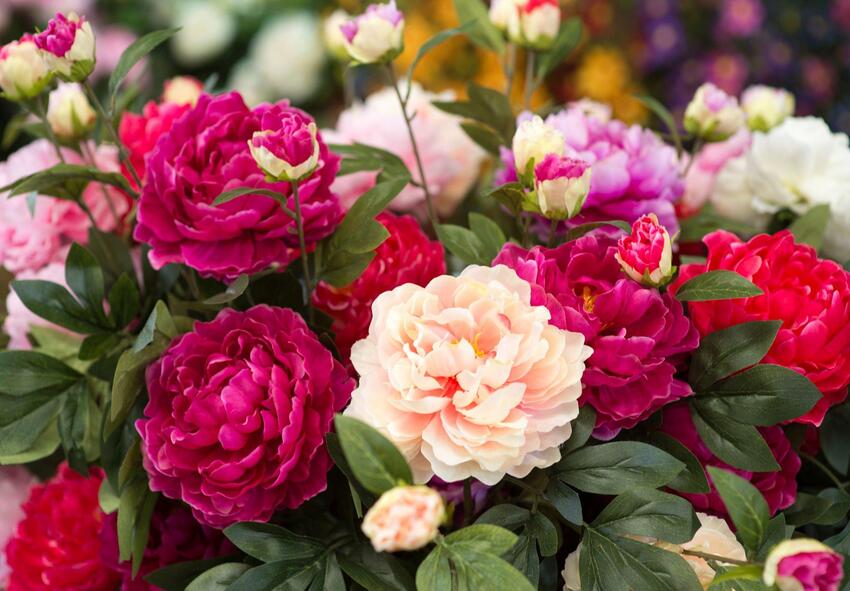
The peony bloom window refers to the brief seasonal period when peonies reach peak flowering. Because peonies bloom only once per year, weather conditions during spring play a critical role in determining bloom success. Learning how temperature and moisture interact allows gardeners to better enjoy growing peonies.
- What Is the Peony Bloom Window?
The peony bloom window is the short timeframe when buds open fully and flowers remain attractive. Under favorable conditions, this period may last up to ten days. Unfavorable weather can shorten it significantly, making timing especially important for gardeners.
- Why Does Spring Weather Matters for Peony Flowers?
Spring weather affects how quickly peony buds develop and open. Cool, steady temperatures promote slower growth and stronger blooms, while sudden heat or heavy rain can damage petals. Weather patterns directly shape bloom quality and longevity.
- How Bloom Timing Affects Garden Planning?
Understanding peony bloom time helps gardeners plan seasonal displays more effectively. When bloom timing is predictable, peonies can be paired with complementary plants. This creates continuous color and avoids gaps in spring garden design.
Understanding Peony Bloom Time
Peony bloom time varies depending on climate, variety, and seasonal weather patterns. While peonies typically bloom in late spring, regional differences can shift flowering by several weeks. Knowing these variations helps gardeners anticipate and manage expectations.
Typical Peony Bloom Time by Region
In warmer regions, peonies may bloom as early as April, while cooler climates see flowers in May or early June. Local temperature patterns largely determine bloom schedules. Regional awareness helps gardeners plan care and harvesting.
Early, Midseason, and Late-Blooming Peonies
Peony varieties are categorized by early, midseason, or late bloom times. Planting a combination extends the peony bloom window. This approach allows gardeners to enjoy peony flowers over several weeks instead of a short burst.
How Climate Influences Bloom Schedules
Cold winters followed by gradual spring warming support healthy flowering. Irregular temperature swings may disrupt normal bloom timing. Stable climates help peonies follow predictable schedules, making them easier to manage in the garden.
How Spring Temperatures Affect Peony Bloom Size
Temperature has a direct impact on bloom size and petal development. Peonies respond best to cool, consistent spring conditions. Sudden temperature changes often result in smaller or uneven flowers.
Cool Spring Weather and Larger Blooms
Cool spring temperatures slow bud development, allowing petals to fully form. This often produces larger, fuller blooms with stronger stems. Many gardeners associate cooler springs with the most impressive peony flowers.
Heat Stress and Reduced Flower Size
When spring temperatures rise quickly, peony buds open too fast. Rapid development limits petal expansion, resulting in smaller blooms. Heat stress also shortens bloom duration and weakens overall flower quality.
Temperature Fluctuations and Bud Development
Sharp temperature changes can interrupt normal bud growth. Buds may develop unevenly or fail to open properly. Protecting plants during extreme fluctuations helps maintain consistent peony bloom size and structure.
The Role of Spring Weather in Peony Scent
Fragrance is one of the most valued traits of peony flowers, yet it is highly weather-sensitive. Temperature, humidity, and air movement all influence how strongly peonies release their scent during bloom:
- Temperature and Fragrance Intensity: Cool temperatures enhance fragrance release in many peony varieties. Heat can cause scent compounds to dissipate quickly. Mild spring weather provides ideal conditions for enjoying strong, lasting peony fragrance.
- Humidity Levels and Scent Longevity: Moderate humidity helps retain floral scent by slowing evaporation. Very dry air reduces fragrance intensity, while excessive moisture can damage petals. Balanced humidity levels support both flower health and aroma longevity.
- Why Some Peonies Smell Stronger Than Others: Not all peony flowers are fragrant due to genetic differences. While weather influences scent strength, variety selection determines fragrance potential. Choosing known fragrant cultivars ensures better aromatic performance in the garden.
How Weather Impacts Peony Bloom Longevity
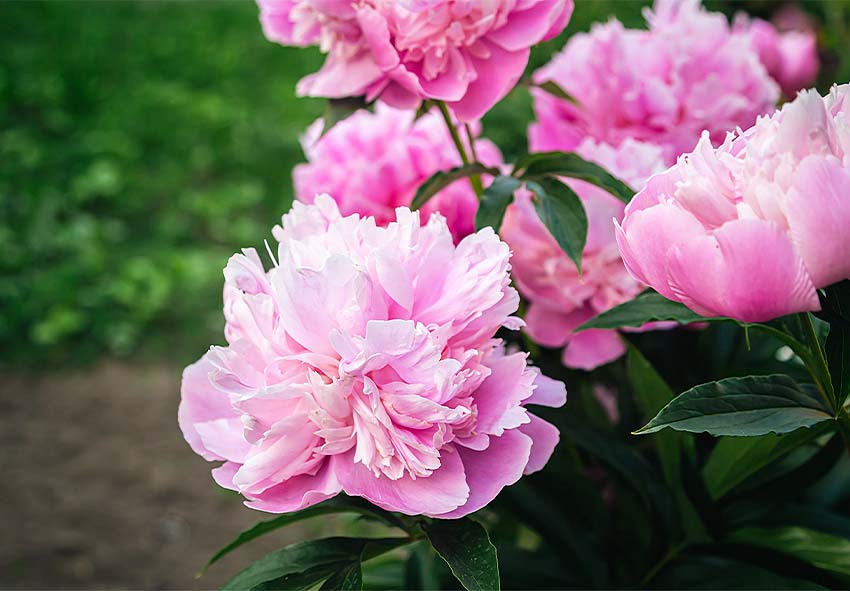
Many gardeners wonder how long do peonies bloom, and weather is the deciding factor. Temperature, wind, rain, and sunlight all influence how long flowers remain attractive once open.
Ideal Conditions for Long-Lasting Blooms
Cool temperatures, light breezes, and indirect sunlight extend bloom life. Under ideal conditions, peony flowers can last up to ten days. These factors slow petal aging and preserve visual appeal.
Rain, Wind, and Petal Damage
Heavy rain can cause blooms to droop and bruise petals. Strong winds may snap stems or reduce flower longevity. Providing shelter helps protect delicate peony flowers during adverse weather.
Sun Exposure and Flower Life Span
Full sun encourages strong growth but may shorten bloom life in warm climates. Partial afternoon shade can extend flowering. Balancing sunlight exposure improves bloom longevity without sacrificing plant health.
Spring Care Tips to Maximize the Peony Bloom Window
Proper peony care in spring supports healthy bud development and longer flowering. Small adjustments in watering, mulching, and frost protection can significantly improve bloom performance and reliability.
Watering Peonies During Spring Growth
Peonies need consistent moisture during active growth. Deep, infrequent watering encourages strong root systems and healthy buds. Overwatering should be avoided, as soggy soil can damage roots and reduce bloom quality.
Mulching and Soil Temperature Control
Mulch helps regulate soil temperature and retain moisture. It also protects emerging shoots from sudden cold snaps. Organic mulch improves soil structure while supporting stable spring growing conditions.
Protecting Peony Buds from Late Frosts
Late spring frosts can damage developing buds and delay flowering. Temporary covers or frost cloths provide protection during cold nights. Early intervention prevents bud loss and preserves the peony bloom window.
Choosing Peony Varieties for Extended Bloom Time
Variety selection plays a major role in how long peonies bloom each season. Choosing complementary types allows gardeners to extend flowering and enjoy peonies over a longer period.
Selecting Varieties with Different Bloom Periods
Planting early, midseason, and late-blooming peonies naturally extends the bloom window. This approach spreads flowering over several weeks. It is one of the most effective strategies for maximizing seasonal enjoyment.
Single, Semi-Double, and Double Peony Types
Single peonies open quickly and tolerate weather changes well. Double peonies offer dramatic blooms but are more sensitive to rain and heat. Mixing types balances durability and visual impact.
Fragrant Peony Varieties for Home Gardens
Some peony varieties are known for strong fragrance and reliable performance. Selecting fragrant cultivars enhances the sensory experience. These varieties are especially popular for cut flowers and display gardens.
Peony Bloom Window in Different Garden Settings
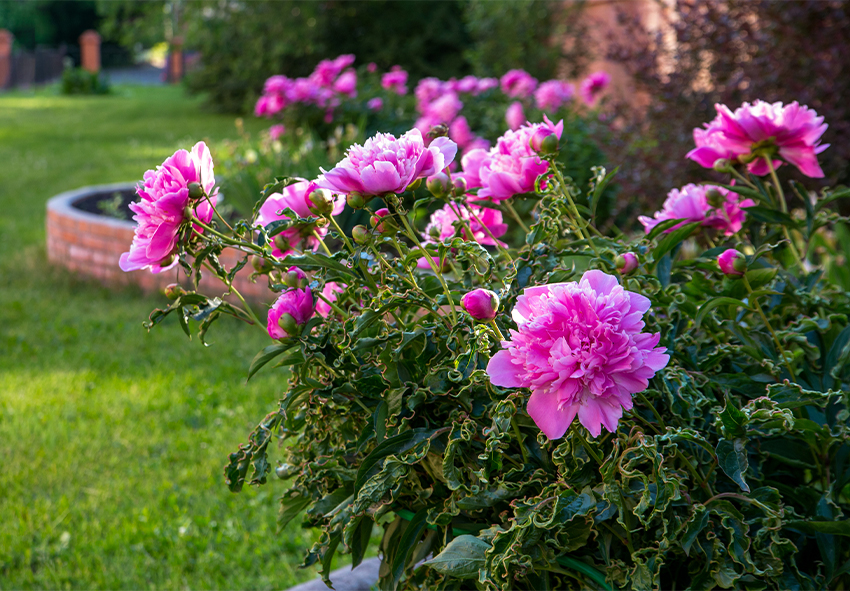
When incorporating peonies in garden design, keep in mind that garden placement influences temperature, airflow, and moisture levels. These microclimate differences can shift peony bloom time and influence flower quality, making site selection an important consideration:
- Peonies in Garden Beds: Garden beds provide stable soil temperatures and long-term growing conditions. Proper spacing improves airflow and reduces stress. In-ground peonies often deliver consistent performance year after year.
- Growing Peonies in Raised Beds: Raised beds warm faster in spring, which may slightly advance bloom time. Drainage is often improved, reducing root problems. However, soil may dry faster, requiring closer moisture monitoring.
- How Microclimates Affect Bloom Performance: Walls, slopes, and wind exposure create microclimates that influence bloom timing. Sheltered areas may produce earlier blooms, while exposed sites delay flowering. Observing these patterns helps optimize placement.
Conclusion: Enjoying Peonies at Their Best
The peony bloom window may be brief, but understanding how spring weather affects size, scent, and longevity makes it far more rewarding. By tracking peony bloom time, practicing proper peony care in spring, and choosing suitable varieties, gardeners can consistently enjoy stunning peony flowers at their peak.
Frequently Asked Questions (FAQs) about Peonies
1. How long do peonies usually bloom?
Most peony flowers bloom for about 7 to 10 days, depending on weather conditions. Cool spring temperatures can extend bloom longevity, while heat or heavy rain may shorten it. By planting early, midseason, and late-blooming varieties, gardeners can enjoy peonies over several weeks instead of a single short period.
2. Can I order peonies from your online plant store?
Yes, you can order high-quality peonies directly from our online store Dutch-bulbs.com. We offer carefully selected peony varieties suitable for different climates and bloom times. Ordering online allows you to choose healthy plants, receive expert growing guidance, and have peonies delivered ready for successful planting.
3. Why did my peonies bloom earlier or later than expected?
Peony bloom time is closely tied to spring weather patterns. Warmer-than-average temperatures can cause peonies to bloom earlier, while cooler springs delay flowering. Sudden temperature fluctuations also affect bud development. Local microclimates, such as sheltered areas or raised beds, may further shift bloom timing.
4. Does spring weather affect peony flower size and fragrance?
Yes, spring weather has a major impact on both bloom size and scent. Cool, steady temperatures allow buds to develop fully, producing larger flowers and stronger fragrance. Heat stress can cause blooms to open too quickly, resulting in smaller flowers and reduced scent intensity.
5. What is the best spring care to extend the peony bloom window?
Proper peony care in spring includes consistent watering, mulching to regulate soil temperature, and protecting buds from late frosts. Avoid overwatering and sudden exposure to extreme heat. These practices help maintain healthy bud development and extend how long peonies bloom during their flowering period.
Published: 27.01.2026