



Begonias are versatile, colorful plants that thrive with proper seasonal attention. Whether you grow them in garden beds, hanging baskets, or containers, understanding seasonal begonia care ensures continuous blooms and healthy foliage. Because begonias respond to temperature, light, and moisture changes, adjusting care throughout the year is essential for long-term success.
This complete guide explains how to grow begonias through every season, including watering begonias correctly, feeding schedules, and overwintering begonias safely. Our gardening blog is a perfect place to find all the information you need!
Introduction to Seasonal Care for Begonias
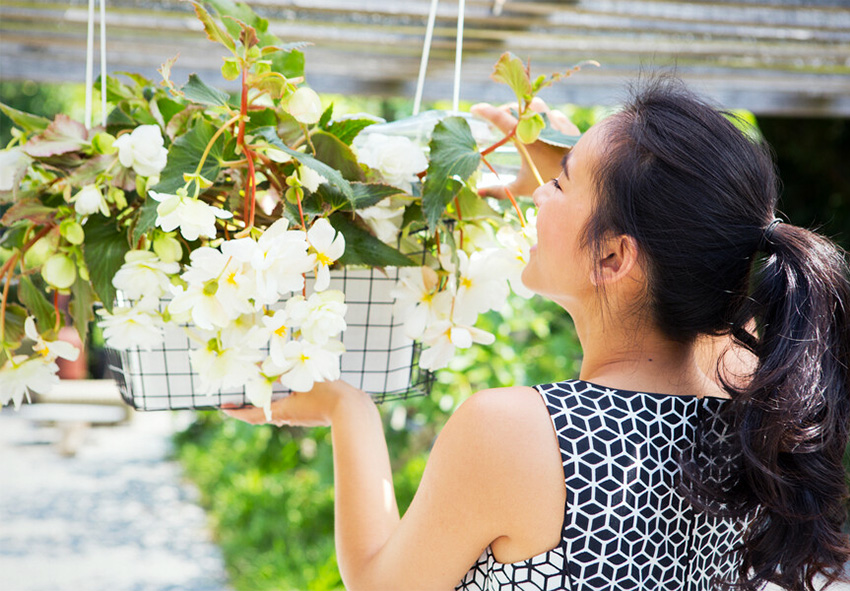
Begonias are not one-size-fits-all plants. Their needs change from spring growth to summer flowering and winter dormancy. By understanding their growth cycle, gardeners can prevent common problems and encourage stronger blooms.
Different begonia types — including tuberous, fibrous, and rex varieties — may have slightly different seasonal requirements. However, most follow a similar rhythm: active growth in warm months and rest or reduced growth in cooler periods.
Why Begonias Need Different Care Each Season
Begonias respond quickly to environmental changes. Warmer temperatures increase water and nutrient demands, while cooler seasons slow growth. Without seasonal adjustments, plants may suffer from overwatering, poor flowering, or root rot.
Types of Begonias and Their Seasonal Differences
Tuberous begonias typically go dormant in fall and require overwintering indoors. Fibrous begonias can continue growing if protected from frost. Rex begonias are mainly grown for foliage and often remain indoors year-round with slight seasonal adjustments.
Overview of the Begonia Growth Cycle
In spring, begonias begin active growth. Summer brings peak flowering and foliage development. Fall signals slower growth, and winter often requires dormancy management or reduced watering. Following this natural cycle improves overall plant health.
Spring Begonia Care: Starting the Growing Season Strong
Spring is the most important season for establishing healthy begonias. Proper planting and early care determine how well plants perform throughout summer. This is the time to focus on soil preparation and gradual acclimation.
When to Plant Begonia Tubers or Seedlings
Plant begonias after the danger of frost has passed. Soil should be workable and slightly warm. Starting your begonia tubers indoors a few weeks before outdoor planting can encourage earlier blooms.
Soil Preparation and Container Setup
Begonias prefer well-drained, nutrient-rich soil. Amend garden beds with compost to improve drainage and fertility. Containers must have drainage holes to prevent waterlogging.
Early-Season Watering and Fertilizing Tips
Water lightly after planting and increase gradually as growth begins. Begin feeding with a balanced fertilizer once shoots appear. Avoid overwatering before roots are fully established.
Protecting Young Begonias from Late Frost
Young begonias are sensitive to cold. Cover plants during unexpected cold snaps or bring containers indoors temporarily. Frost damage can slow early growth and delay flowering.
Summer Begonia Care: Encouraging Continuous Blooms
Summer is the peak growing season for begonias. During this time, proper watering begonias and consistent feeding are crucial. Healthy summer care results in lush foliage and vibrant blooms.
Proper Watering Begonias in Warm Weather
Begonias prefer evenly moist soil but dislike standing water. Water deeply when the top inch of soil feels dry. Avoid wetting foliage excessively to reduce disease risk.
Sunlight Requirements and Heat Protection
Most begonias prefer partial shade or filtered sunlight. Too much direct afternoon sun may scorch leaves. In hotter climates, providing light shade improves bloom quality.
Feeding Schedule for Abundant Flowers
Feed begonias every two to three weeks during active growth. A balanced or bloom-boosting fertilizer supports flower production. Reduce feeding if plants appear stressed.
Deadheading and Pruning for Better Growth
Remove faded blooms regularly to encourage continuous flowering. Light pruning improves airflow and prevents legginess. Routine maintenance keeps plants tidy and productive.
Fall Begonia Care: Preparing for Dormancy
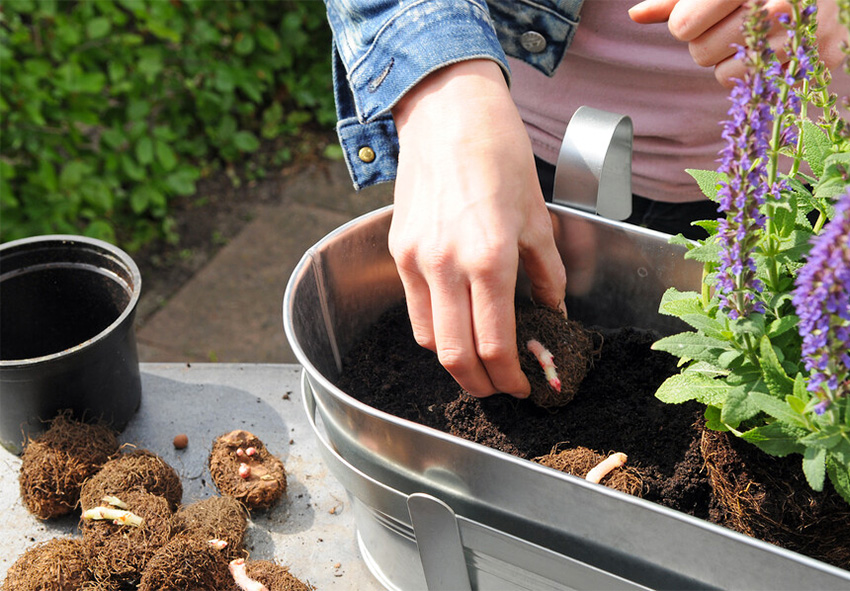
As temperatures drop, begonias begin slowing their growth. This is the time to gradually adjust watering and feeding routines. Proper fall care prepares plants for overwintering begonias successfully.
Adjusting Watering as Temperatures Drop
Reduce watering frequency as growth slows. Soil should remain slightly moist but never soggy. Excess moisture during cool weather increases the risk of root rot.
Reducing Fertilizer Applications
Stop fertilizing in early fall. Plants need time to transition into dormancy. Continued feeding may encourage weak, late-season growth.
Lifting and Storing Tuberous Begonias
Before the first frost, carefully lift tuberous begonia bulbs. Allow them to dry for several days, then store in a cool, dry place. Proper storage ensures healthy replanting in spring.
Transitioning Indoor Begonias for Lower Light
Move indoor begonias to brighter spots as daylight decreases. Monitor watering closely, since lower light reduces moisture needs. Maintaining airflow prevents fungal problems.
Winter Begonia Care: Overwintering Begonias Successfully
Winter care depends on the begonia type. Some varieties rest completely, while others continue slow indoor growth. Adjusting watering and light is key.
Storing Tuberous Begonias Indoors
Store dormant tubers in peat moss or paper bags in a cool location. Avoid freezing temperatures. Check periodically for mold or shriveling.
Caring for Indoor Begonia Varieties
Indoor begonias need bright, indirect light during winter. Water sparingly and avoid cold drafts. Maintaining moderate humidity improves foliage quality.
Preventing Root Rot and Overwatering
Overwatering is the most common winter mistake. Allow soil to dry slightly between watering sessions. Good drainage prevents fungal issues.
Preparing Begonias for Spring Restart
In late winter, gradually increase light and watering. Start tubers indoors before the last frost date. This jump-starts the next growing season.
Watering and Feeding Begonias Year-Round
Consistent watering and feeding habits are essential for strong growth. Adjust care based on seasonal temperature and light changes. Monitoring soil moisture prevents common problems:
- Understanding Moisture Needs by Season: Begonias require more water in summer and less in winter. Always check soil moisture before watering. Consistency prevents stress.
- Choosing the Right Fertilizer: A balanced fertilizer works well for most begonias. During blooming season, a slightly higher phosphorus formula may improve flower production.
- Avoiding Common Watering Mistakes: Avoid waterlogged soil and poor drainage. Never let plants sit in standing water. Proper watering begonias is the foundation of healthy growth.
Common Problems in Seasonal Begonia Care
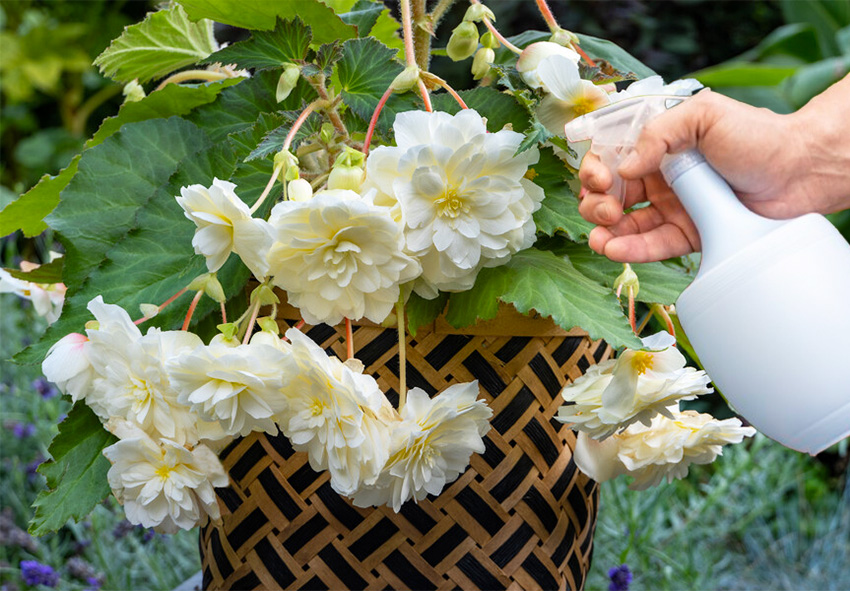
Even with proper care, begonias may encounter occasional issues. Early detection makes treatment easier. Most problems are related to watering or environmental stress.
Yellow Leaves and Wilting
Yellowing leaves often indicate overwatering or poor drainage. Wilting may result from underwatering or excessive heat. Adjust care promptly to restore balance.
Pest Management and Disease Prevention
Pest control for begonias is an important part of their maintenance. Aphids, spider mites, and fungal diseases can affect begonias. Inspect leaves regularly and remove affected parts. Good airflow and proper watering reduce disease risk.
Troubleshooting Poor Flowering
Poor blooms may result from insufficient light or overfertilization. Ensure adequate indirect sunlight and balanced feeding. Proper seasonal begonia care improves flowering performance.
Conclusion: Keeping Begonias Healthy All Year
Begonias reward attentive gardeners with months of color and attractive foliage. By adjusting care routines seasonally — especially watering, feeding, and overwintering — you can enjoy healthier plants and stronger blooms.
With consistent begonia care, proper planting, and thoughtful seasonal adjustments, begonias will thrive year after year in both containers and garden beds.
Frequently Asked Questions (FAQs) about Seasonal Begonia Care
1. How often should I water begonias throughout the year?
Watering begonias depends on the season and growing conditions. During spring and summer, water when the top inch of soil feels dry, keeping it evenly moist but never soggy. In fall and winter, reduce watering significantly, especially for dormant tuberous varieties. Always ensure proper drainage to prevent root rot.
2. Do all begonias need to be overwintered indoors?
Not all begonias require the same winter care. Tuberous begonias typically need to be lifted and stored indoors before frost. Fibrous and rex begonias can survive indoors year-round if provided with bright, indirect light and moderate watering. Climate and growing zone play a major role in overwintering decisions.
3. What is the best fertilizer for healthy begonia blooms?
A balanced, water-soluble fertilizer works well during active growth. In the blooming season, a formula slightly higher in phosphorus can encourage stronger flower production. Feed every two to three weeks in spring and summer, and stop fertilizing in early fall to allow plants to prepare for dormancy.
4. Can I order begonia tubers or plants in your online store?
Yes, you can order high-quality begonia tubers directly from our online store Dutch-bulbs.com. We offer carefully selected varieties suitable for containers and garden beds. Each plant is shipped with detailed planting and seasonal begonia care instructions to ensure successful growth from the start.
5. Why are my begonias producing leaves but few flowers?
Poor flowering often results from insufficient light, overfertilizing with nitrogen-heavy formulas, or inconsistent watering. Begonias need bright, indirect sunlight and balanced feeding to bloom well. Adjust light exposure and review your seasonal begonia care routine to restore healthy flowering performance.
Published: 03.03.2026