



Choosing between reticulated iris and Dutch iris can shape the look, timing, and maintenance level of your spring garden. Both are grown from bulbs and deliver elegant flowers, but they differ in size, bloom season, and garden use. Understanding these differences helps gardeners select the iris that best fits their space and goals. Our gardening blog is a perfect place to find all the information you need!
Introduction to Reticulated Iris and Dutch Iris
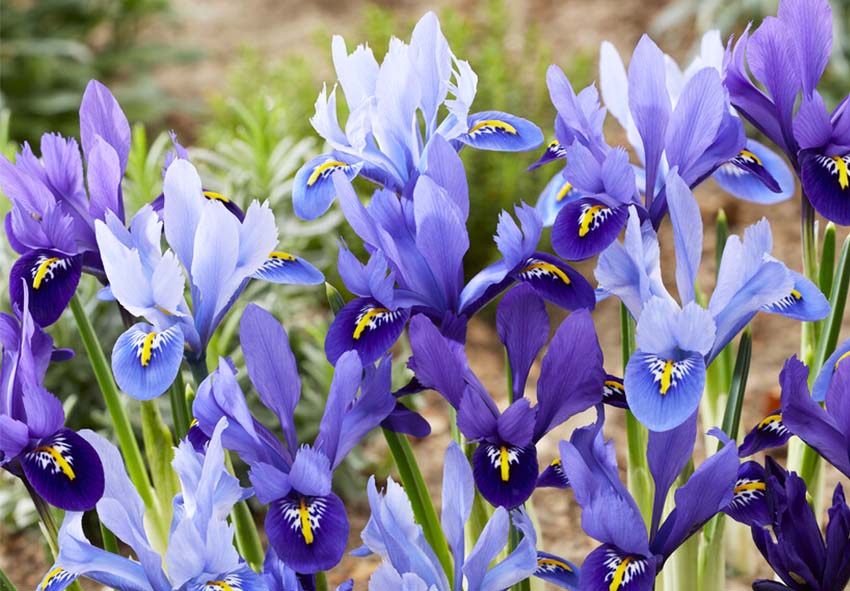
Irises are prized spring-flowering plants that bring color and structure after winter. Reticulated iris and Dutch iris are two popular bulb-grown types, each offering unique advantages. While both are easy to grow, they serve different roles in garden design and seasonal interest.
Why Choosing the Right Iris Matters for Your Garden
Selecting the right iris affects bloom timing, plant height, and overall visual balance. Some gardeners want early color in late winter, while others prefer taller flowers for borders or cut arrangements. Matching the iris type to your garden conditions ensures better performance and fewer maintenance issues.
Overview of Reticulated Iris and Dutch Iris
Reticulated iris are small, early-blooming plants known for their intense colors and fragrance. Dutch iris bloom later and grow much taller, producing elegant flowers ideal for borders and bouquets. Both are planted in fall and return reliably when given proper care.
What Is a Reticulated Iris?
Reticulated iris, known as iris reticulata, are compact spring bulbs that bloom very early in the season. They are among the first flowers to appear, often pushing through snow. Their small size makes them perfect for close-up viewing.
Key Characteristics of Reticulated Iris
Reticulated iris are among the earliest spring-blooming bulbs, valued for their compact size and vivid color. Their unique features make them ideal for small gardens and close-up planting areas:
- Early bloom time: Flower in late winter to very early spring, often emerging while snow is still present.
- Compact growth: Typically reach only 4–6 inches tall, making them perfect for rock gardens and containers.
- Bold coloration: Produce richly colored flowers in blues, purples, and yellows with striking markings.
- Light fragrance: Many varieties offer a noticeable, pleasant scent uncommon among early bulbs.
- Excellent drainage needs: Thrive best in well-drained soil, which helps prevent bulb rot during dormancy.
Bloom Time and Seasonal Interest
These irises bloom in late winter to very early spring. They provide color when few other plants are active. Their early appearance makes them valuable for extending the flowering season.
Best Growing Conditions for Reticulated Irises
Reticulated irises prefer full sun and well-drained soil. They thrive in rock gardens, raised beds, and containers. Good drainage is essential to prevent bulb rot during dormancy.
What Is a Dutch Iris?
Dutch iris, known as iris Hollandica, are taller, later-blooming irises grown primarily for garden display and cutting. They offer graceful flowers with a refined appearance. Their size makes them more noticeable from a distance.
Key Characteristics of Dutch Iris
Dutch iris are elegant, tall irises known for their refined appearance and versatility in garden design. They are especially popular for borders and cut-flower gardens and that’s why:
- Later bloom period: Flower in late spring to early summer, extending the iris season.
- Tall growth habit: Grow 18–24 inches tall, creating strong vertical accents in garden beds.
- Large, elegant flowers: Produce smooth, graceful blooms in shades of blue, white, yellow, and purple.
- Excellent for cutting: Long, sturdy stems make them ideal for floral arrangements.
- Sun-loving plants: Perform best in full sun with fertile, well-drained soil.
Bloom Time and Seasonal Interest
Dutch iris bloom in late spring to early summer. They fill the gap between early spring bulbs and summer perennials. Their flowering period extends seasonal color in the garden.
Best Growing Conditions for Dutch Irises
Dutch irises grow best in full sun with fertile, well-drained soil. They need consistent moisture during growth but dislike waterlogged conditions. Open, sunny sites produce the strongest stems and flowers.
Reticulated Iris vs Dutch Iris: Key Differences
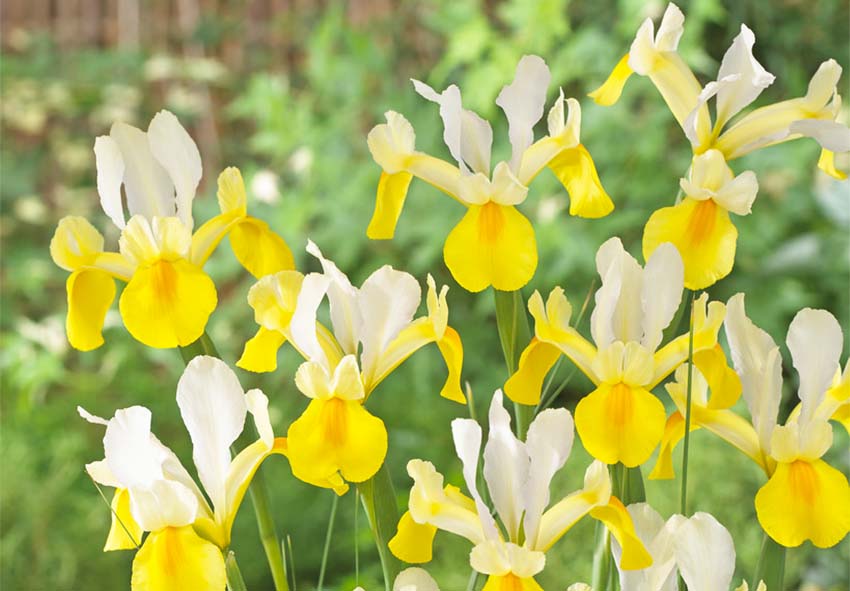
While both are irises, their garden roles differ significantly. Size, timing, and care needs separate these two types. Understanding these contrasts simplifies the choice.
Flower Size, Color, and Fragrance
Reticulated iris have smaller but highly colorful and often fragrant flowers. Dutch irises produce larger, more refined blooms with little fragrance. Both offer striking color but in different styles.
Plant Height and Garden Placement
Reticulated iris stay low and suit front-of-bed planting or containers. Dutch iris are tall and ideal for borders and cutting gardens. Height alone often determines which fits a given space.
Maintenance and Care Requirements
Both irises are relatively low maintenance. Reticulated iris require excellent drainage, while Dutch iris need regular watering during growth. Neither requires frequent division.
When to Plant Reticulated Iris and Dutch Iris
Proper planting ensures healthy roots and strong blooms. Timing and technique are similar for both iris types. Fall planting is essential.
Ideal Planting Time for Each Iris Type
Plant both reticulated iris and Dutch iris in autumn, several weeks before hard frost. This allows roots to establish before winter. Early planting improves spring performance.
Planting Depth and Spacing Guidelines
Plant reticulated iris bulbs about 3 inches deep. Dutch iris bulbs should be planted slightly deeper, around 4–5 inches. Space bulbs to allow airflow and future growth.
Soil and Drainage Preferences
Both irises require well-drained soil. Heavy soils should be amended with sand or compost. Good drainage prevents bulb rot and encourages healthy flowering.
Choosing the Right Iris for Your Garden Style
Both reticulated iris and Dutch iris are beautiful spring-flowering bulbs, but they serve different purposes in the garden. This comparison table highlights their key differences to help you decide which iris best fits your space, bloom timing, and design goals:
| Feature | Reticulated Iris | Dutch Iris |
| Bloom time | Late winter to very early spring | Late spring to early summer |
| Plant height | 4–6 inches | 18–24 inches |
| Flower size | Small but vivid and detailed | Large and elegant |
| Fragrance | Often lightly fragrant | Usually little to no fragrance |
| Sun requirements | Full sun | Full sun |
| Soil needs | Very well-drained soil | Fertile, well-drained soil |
| Maintenance level | Low, with good drainage | Low, with regular watering |
Some gardeners even choose to grow both. Each type shines in different settings.
Small Gardens, Rock Gardens, and Containers
Reticulated iris are ideal for small spaces. Their compact size and early blooms make them perfect for containers and rock gardens. They offer color without crowding.
Borders, Cutting Gardens, and Large Beds
Dutch iris excel in borders and cutting gardens. Their tall stems and large flowers create strong vertical accents. They are excellent for fresh bouquets.
Mixing Reticulated and Dutch Iris Together
Growing both types creates a longer iris season. Reticulated iris bloom first, followed by Dutch iris weeks later. This layering extends interest and color.
Common Growing Challenges and Solutions
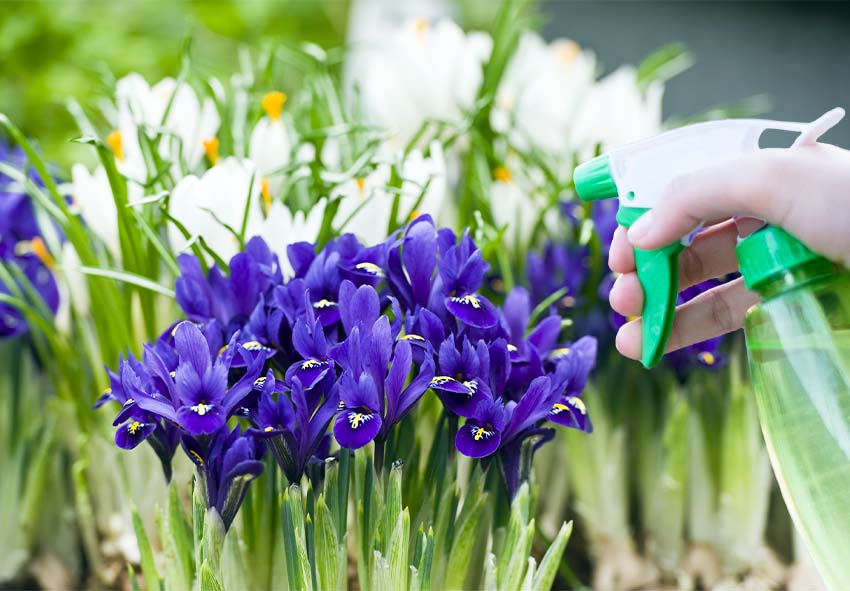
Pest control for irises is an important part of their growing process. Most problems are easy to avoid with proper care. Good planting practices prevent most issues. Observation helps catch problems early.
- Preventing Bulb Rot and Poor Flowering
Ensure soil drains well and avoid overwatering during dormancy. Plant bulbs at the correct depth. These steps reduce rot and improve bloom quality.
- Managing Pests and Weather Stress
Irises are generally pest-resistant. Protect early reticulated iris blooms from extreme frost if needed. Healthy plants tolerate weather fluctuations better.
- Improving Bloom Performance Over Time
Feed lightly in early spring and avoid cutting foliage too early. Allow leaves to die back naturally. This strengthens bulbs for future seasons.
Conclusion: Reticulated Iris or Dutch Iris?
Both irises are excellent choices, but they serve different purposes. The best option depends on timing, space, and design preference. Many gardens benefit from growing both. Reticulated irises are unmatched for late winter and early spring blooms. They bring color when gardens are still waking up. Their compact size adds charm up close.
Choose well-drained soil, plant in fall, and allow foliage to mature naturally. Match iris type to garden space and style. With simple care, both reticulated iris and Dutch iris reward gardeners with beautiful spring flowers year after year.
Frequently Asked Questions (FAQs) about Dutch and Reticulated Irises
1. What is the main difference between reticulated iris and Dutch iris?
The main difference lies in bloom time and plant size. Reticulated iris bloom very early in late winter and remain compact, while Dutch iris bloom later in spring and grow much taller. These differences affect garden placement, design use, and seasonal color planning.
2. Which iris is easier to grow for beginners?
Both reticulated iris and Dutch iris are beginner-friendly, but reticulated iris require especially good drainage to avoid bulb rot. Dutch iris are slightly more forgiving in garden beds with regular watering. Choosing the right planting location makes either option easy to grow successfully.
3. Can I order reticulated iris or Dutch iris from your online plant store?
Yes, you can order both reticulated iris and Dutch iris bulbs from our online store Dutch-bulbs.com. We offer high-quality bulbs selected for garden performance, along with clear planting and care instructions to help ensure successful growth and beautiful seasonal displays.
4. Can reticulated iris and Dutch iris be planted together?
Yes, planting reticulated iris and Dutch iris together is an excellent way to extend the iris blooming season. Reticulated iris flower first, followed by Dutch iris weeks later. This combination creates continuous spring color and works well in layered garden designs.
5. Do reticulated iris and Dutch iris come back every year?
Both irises are perennial bulbs and can return yearly under proper conditions. Reticulated iris perform best in well-drained soil, while Dutch iris need adequate moisture during growth. Allowing foliage to die back naturally helps bulbs store energy for future blooms.
Published: 24.02.2026